
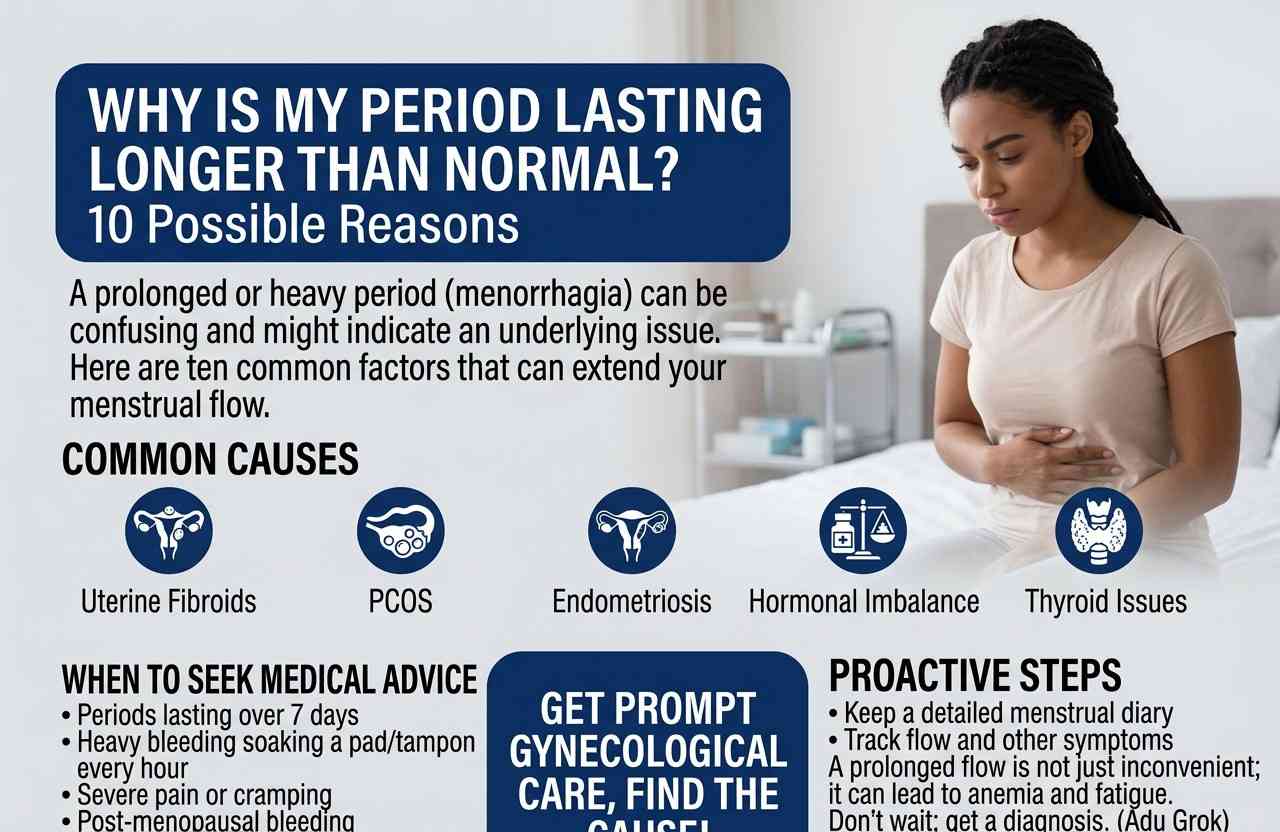
A normal period typically lasts between two and seven days. When yours stretches beyond that and shows no sign of stopping, it is natural to feel concerned. A period lasting longer than normal is not just inconvenient. It can affect your energy levels, your iron stores, and your overall quality of life. And in some cases it is a signal that something in your reproductive or hormonal health deserves attention.
The medical term for a period lasting longer than normal is menorrhagia, and it is one of the most common gynecological complaints among American women. Understanding what might be behind it is the first step toward getting the right help and finding real relief.
Here are ten of the most possible reasons your period is lasting longer than normal and what each one means for your health.
1. Hormonal Imbalance
Hormonal imbalance is the most common reason behind a period lasting longer than normal, and it affects women at every stage of reproductive life. Your menstrual cycle is regulated by a carefully orchestrated rise and fall of estrogen and progesterone. When this balance is disrupted, the uterine lining may build up more than usual or fail to shed efficiently, resulting in prolonged bleeding that extends well beyond what a normal period looks like.
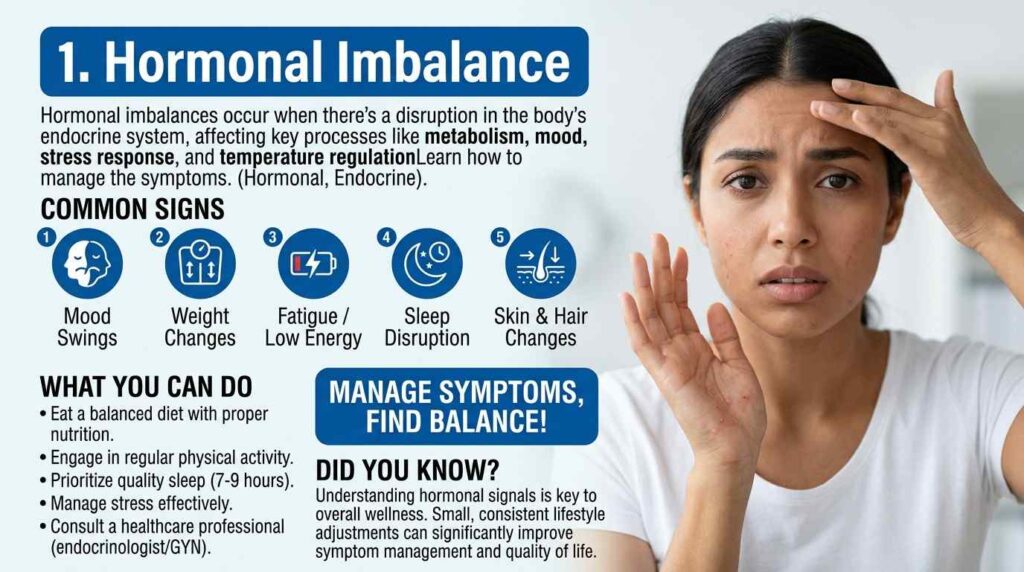
Estrogen dominance, where estrogen levels are relatively high compared to progesterone, is a particularly common driver of longer periods. This can occur naturally during perimenopause, after stopping hormonal birth control, following significant weight changes, or as a result of chronic stress that suppresses progesterone production. Even without a diagnosable condition, subtle hormonal shifts can produce a period lasting longer than normal that resolves once the underlying hormonal balance is restored.
Why Are My Irregular Periods Suddenly Happening? 10 Hidden Reasons Every Woman Should Know
2. Uterine Fibroids
Uterine fibroids are noncancerous growths that develop in or around the wall of the uterus, and they are one of the most common structural causes of a period lasting longer than normal. Fibroids affect an estimated 20 to 80 percent of women by the time they reach 50, and while many cause no symptoms at all, those that grow inside the uterine cavity or along its inner wall can significantly increase both the duration and heaviness of menstrual bleeding.
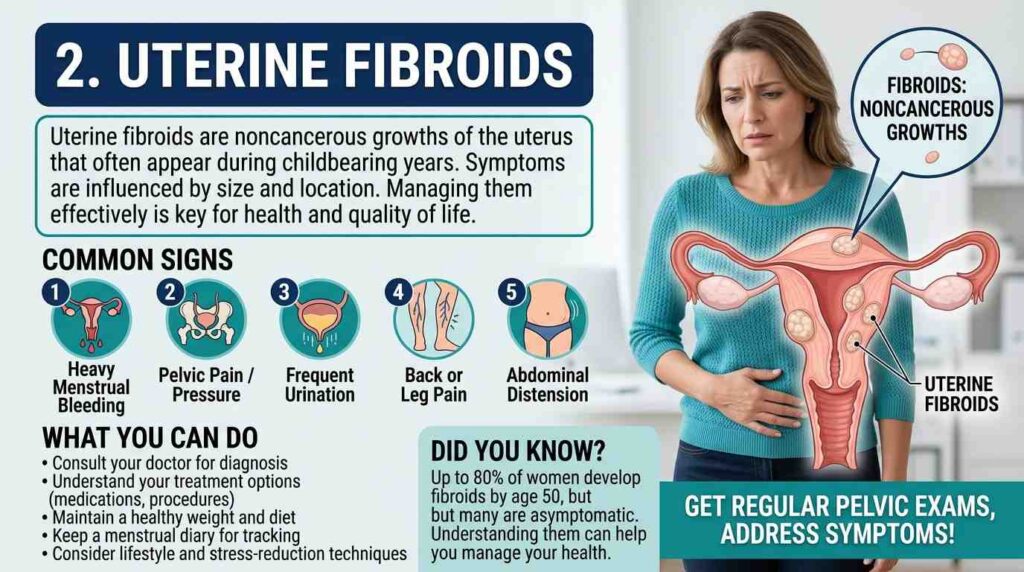
Fibroids cause longer, heavier periods because they increase the surface area of the uterine lining that sheds each cycle and can interfere with the uterus’s ability to contract and stop bleeding effectively. Women with fibroids often describe passing large clots alongside a period lasting longer than normal, along with pelvic pressure, frequent urination, and a sense of bloating or fullness in the lower abdomen.
A pelvic ultrasound can identify fibroids quickly and non-invasively. Treatment options range from medication to minimize bleeding to minimally invasive procedures and surgical options depending on the size, location, and severity of symptoms.
3. Uterine Polyps
Uterine polyps are small, soft growths that develop from the lining of the uterus, called the endometrium, and attach to the inner wall by a stalk. Like fibroids, they are benign in the vast majority of cases but can cause significant menstrual irregularities including a period lasting longer than normal, spotting between periods, and heavier than usual bleeding.
Polyps are more common in women in their 40s and 50s as they approach menopause, and they are also associated with obesity, high blood pressure, and tamoxifen use for breast cancer treatment. The bleeding they cause results from the increased and irregular surface area of uterine lining tissue that the polyp represents, which sheds inconsistently and can prolong the overall duration of the period.
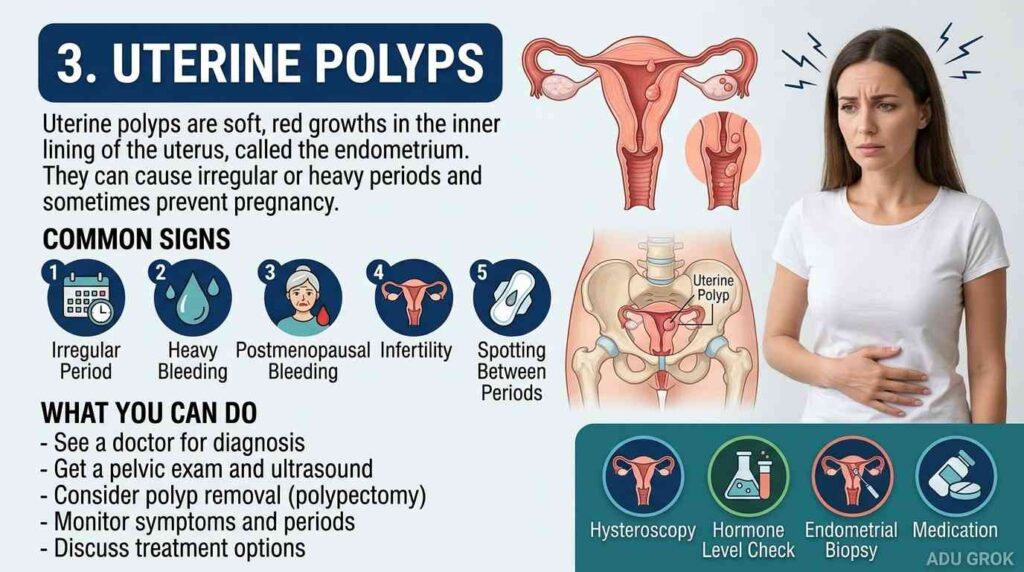
Diagnosis typically requires a sonohysterogram or hysteroscopy, which allows a doctor to directly visualize the uterine cavity. Polyps are often removed during the same hysteroscopic procedure used to diagnose them, and removal typically resolves the associated abnormal bleeding.
4. Polycystic Ovary Syndrome
PCOS is one of the most common hormonal disorders among women of reproductive age in the United States, and while it is often associated with absent or infrequent periods, it can also produce a period lasting longer than normal in some women. In PCOS, irregular or absent ovulation means that progesterone, which is only produced after ovulation, may be consistently low. Without adequate progesterone to stabilize and then shed the uterine lining in an organized way, the lining can build up over time and then shed irregularly, producing prolonged and sometimes heavy bleeding
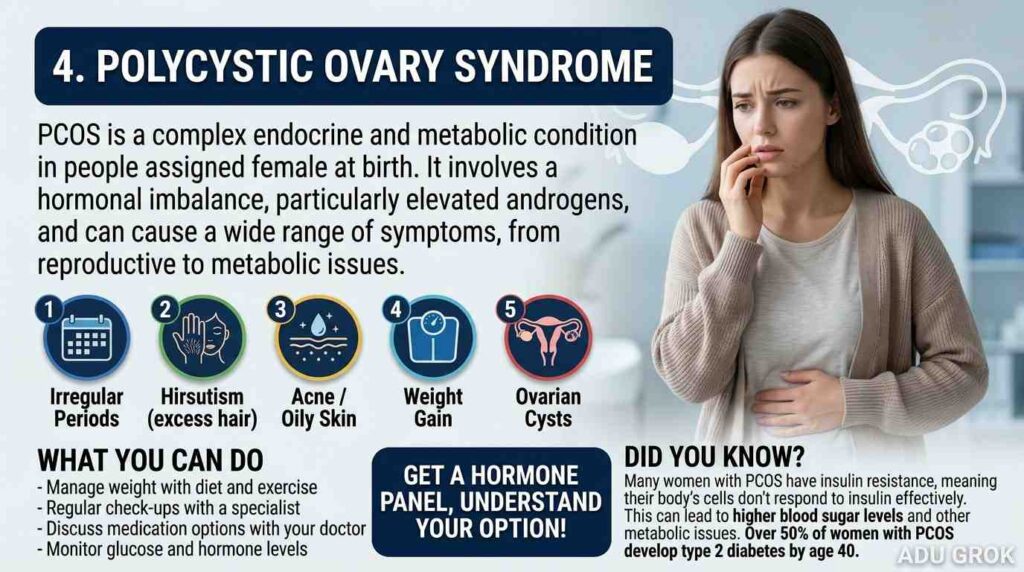
Other signs of PCOS include irregular cycles, unwanted facial or body hair, acne particularly along the jawline, hair thinning on the scalp, and difficulty with weight management. A diagnosis is made based on a combination of symptoms, blood tests checking hormone levels, and pelvic ultrasound looking at ovarian appearance.
Managing PCOS through hormonal contraceptives, metformin, dietary changes, and other approaches helps regulate the menstrual cycle and reduce the frequency of a period lasting longer than normal.
5. Thyroid Disorders
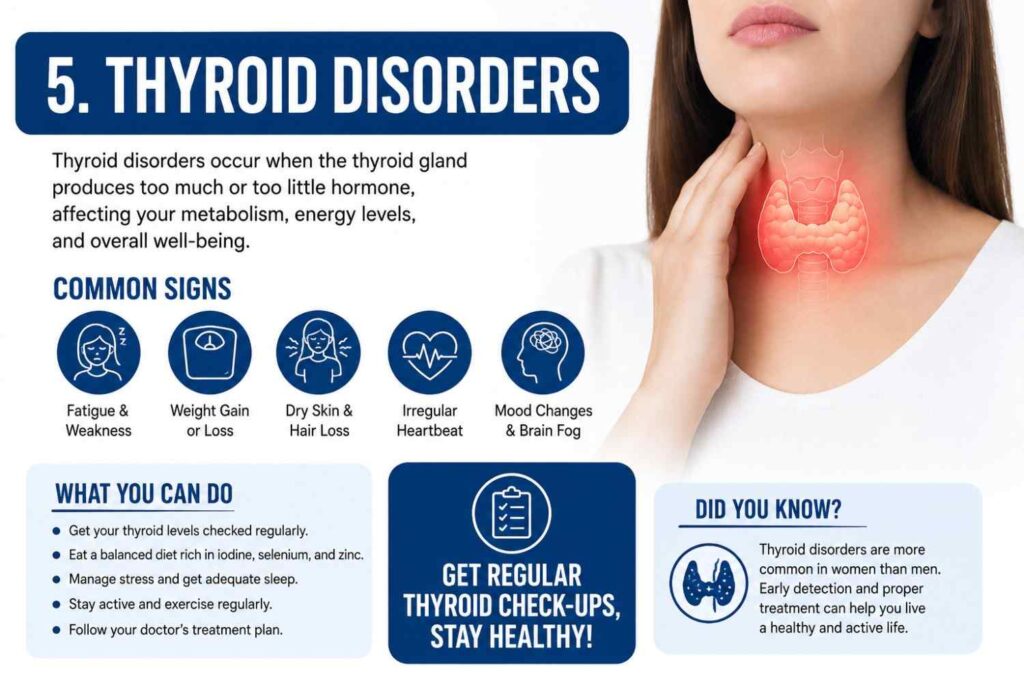
Both an underactive and overactive thyroid can cause menstrual irregularities including a period lasting longer than normal, and thyroid disorders are significantly more common in women than in men. Hypothyroidism, where the thyroid produces insufficient hormone, is particularly associated with heavy and prolonged periods. Thyroid hormone plays a role in regulating the clotting factors that help stop menstrual bleeding, and when thyroid levels are too low, this clotting mechanism is impaired, allowing bleeding to continue longer than it should.
Women with hypothyroidism may notice their period lasting longer than normal alongside other familiar hypothyroid symptoms including persistent fatigue, weight gain, feeling cold, constipation, dry skin, and brain fog. The connection between their thyroid and their periods is frequently not identified until a TSH blood test is run as part of investigating the menstrual changes.
Treating hypothyroidism with thyroid hormone replacement therapy typically normalizes menstrual duration and flow within a few cycles of achieving stable thyroid levels.
6. Blood Clotting Disorders
Blood clotting disorders are an underrecognized cause of a period lasting longer than normal, particularly in women who have experienced heavy, prolonged periods since their very first cycle. Von Willebrand disease, the most common inherited bleeding disorder, affects approximately one percent of the population and is significantly underdiagnosed in women because heavy periods are so often attributed to hormonal causes without investigating whether a clotting abnormality might be responsible.
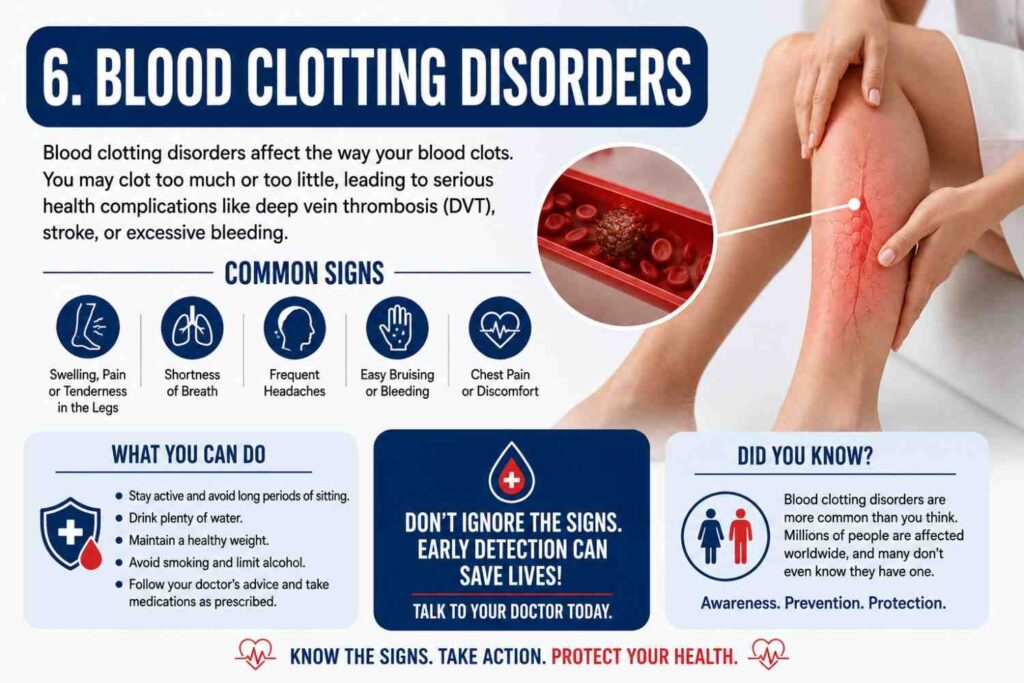
In clotting disorders, the blood’s ability to form clots that stop bleeding is impaired, which means menstrual bleeding that would normally slow and stop within a normal timeframe continues for longer than expected. Women with clotting disorders often also experience easy bruising, prolonged bleeding from cuts or dental procedures, and nosebleeds that are difficult to stop.
If your period has always been longer and heavier than what most people describe and you also notice these other bleeding tendencies, asking your doctor about a bleeding disorder evaluation is appropriate. Blood tests checking clotting factors and platelet function can identify most common disorders.
7. Intrauterine Device
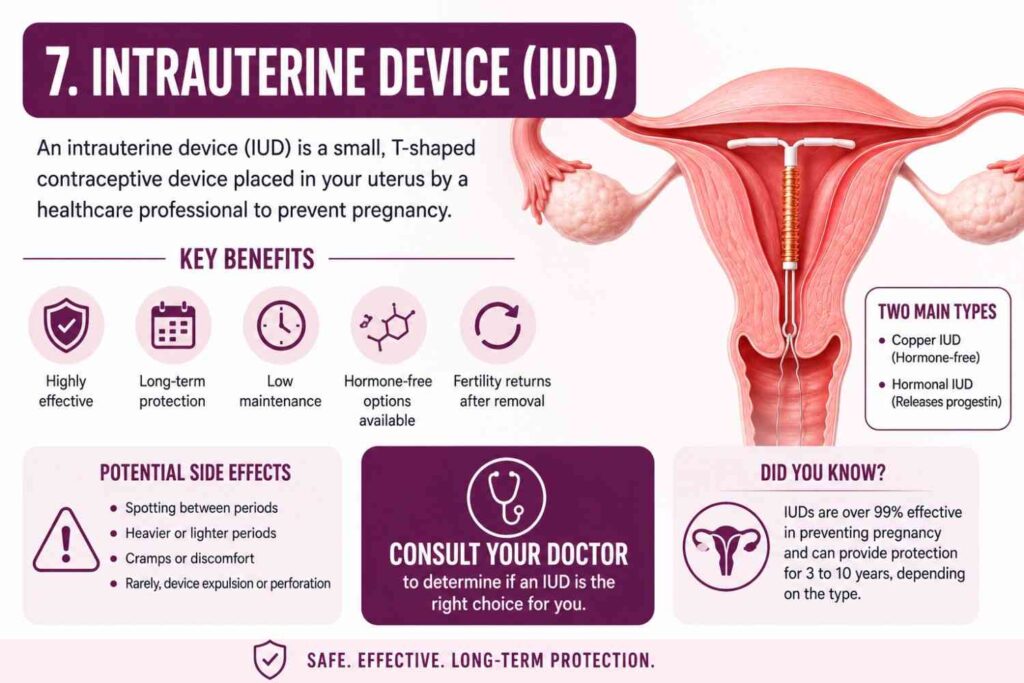
An intrauterine device, or IUD, is one of the most common contraceptive methods in the United States, and the type of IUD you use has a significant impact on your period. Copper IUDs, which are hormone-free and provide contraception through the physical presence of copper in the uterus, commonly cause heavier and longer periods particularly in the first three to six months after insertion. A period lasting longer than normal is one of the most frequently reported side effects of copper IUD use and leads some women to have the device removed.
Even hormonal IUDs, which typically make periods lighter and shorter over time, can cause irregular and prolonged spotting in the first few months after insertion while the uterus adjusts to the device. If your longer periods started around the time you had an IUD inserted, the device is almost certainly the explanation and the bleeding pattern often improves significantly after the first several months.
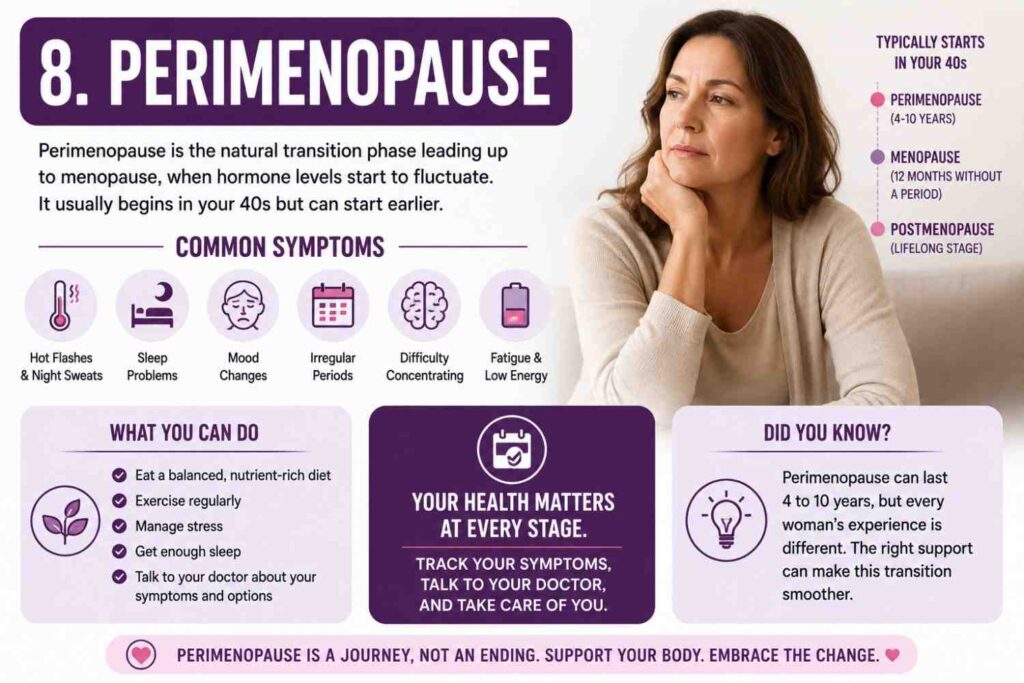
8. Perimenopause
Perimenopause, the transitional phase leading up to menopause, is one of the most common reasons women in their late 30s, 40s, and early 50s experience a period lasting longer than normal. During perimenopause, the ovaries produce estrogen and progesterone less predictably than during the reproductive years, and cycles without ovulation become more frequent. Without the stabilizing effect of progesterone from ovulation, the uterine lining can build up more than usual and then shed irregularly, producing longer and sometimes heavier periods.
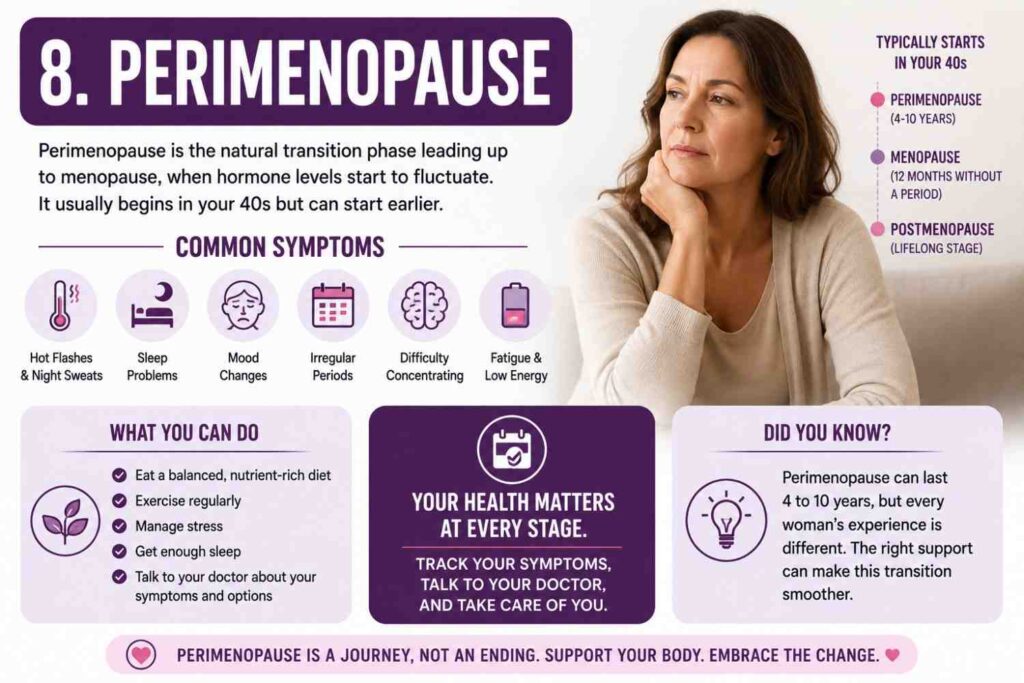
Perimenopausal menstrual changes are extremely variable from woman to woman and even from cycle to cycle for the same woman. Some women experience their periods becoming longer and heavier before they eventually become less frequent and stop entirely. Others notice shorter and lighter periods. Either pattern is within the range of normal perimenopausal experience, though significant changes in period duration or heaviness always warrant an evaluation to rule out other causes.
9. Endometriosis
Endometriosis is a condition where tissue similar to the uterine lining grows outside the uterus, most commonly on the ovaries, fallopian tubes, and other pelvic structures. It affects an estimated 11 percent of American women of reproductive age and is one of the most frequently missed diagnoses in gynecology, with an average of seven to ten years between symptom onset and diagnosis in the United States.
A period lasting longer than normal is one of the hallmark symptoms of endometriosis, often accompanied by severe menstrual cramps, pelvic pain throughout the cycle, pain during intercourse, and in some cases fertility challenges. The prolonged bleeding results from the abnormal endometrial-like tissue responding to hormonal changes throughout the cycle in the same way the uterine lining does, but without an efficient way to exit the body.
Endometriosis is diagnosed through laparoscopy, a minimally invasive surgical procedure that allows direct visualization of the pelvis. Treatment options include hormonal medications to suppress the condition and reduce bleeding, and in some cases surgery to remove endometrial implants.
Why Are My Irregular Periods Suddenly Happening? 10 Hidden Reasons Every Woman Should Know
10. Certain Medications and Supplements
Several medications and supplements can cause a period lasting longer than normal as a direct effect on either the uterine lining or the blood’s clotting ability. Blood thinners including warfarin, heparin, and the newer anticoagulant medications used to prevent clots and strokes commonly cause heavier and longer periods because they impair the clotting mechanisms that would otherwise help stop menstrual bleeding at the appropriate time.
Aspirin taken regularly at higher doses has a similar effect. Certain herbal supplements including ginkgo biloba, ginseng, and high-dose vitamin E have mild blood-thinning properties that can prolong bleeding. Corticosteroids can affect hormone levels in ways that alter menstrual duration. Even nonsteroidal anti-inflammatory drugs used frequently can influence prostaglandin levels in a way that affects bleeding.

If your period lasting longer than normal started around the time you began a new medication or supplement, reviewing that connection with your doctor or pharmacist is a practical first step before pursuing more extensive investigation.
Why Are My Irregular Periods Suddenly Happening? 10 Hidden Reasons Every Woman Should Know
When to See a Doctor About a Longer Period
Occasional variation in period length of a day or two is completely normal and not a cause for concern. But certain patterns warrant medical evaluation rather than waiting to see if things improve on their own.
See a doctor if your period consistently lasts longer than seven days, if you are soaking through a pad or tampon every hour or two for several consecutive hours, if you are passing clots larger than a quarter, if your period lasting longer than normal is accompanied by significant pelvic pain, or if you feel dizzy, fatigued, or short of breath during your period, which can indicate significant blood loss and iron deficiency.
A gynecologist can evaluate your hormonal health, perform a pelvic examination and ultrasound, and run appropriate blood tests to identify what is driving your longer periods. Most of the causes on this list respond well to treatment once properly identified, and you should not have to accept a period lasting longer than normal as simply the way things are.