
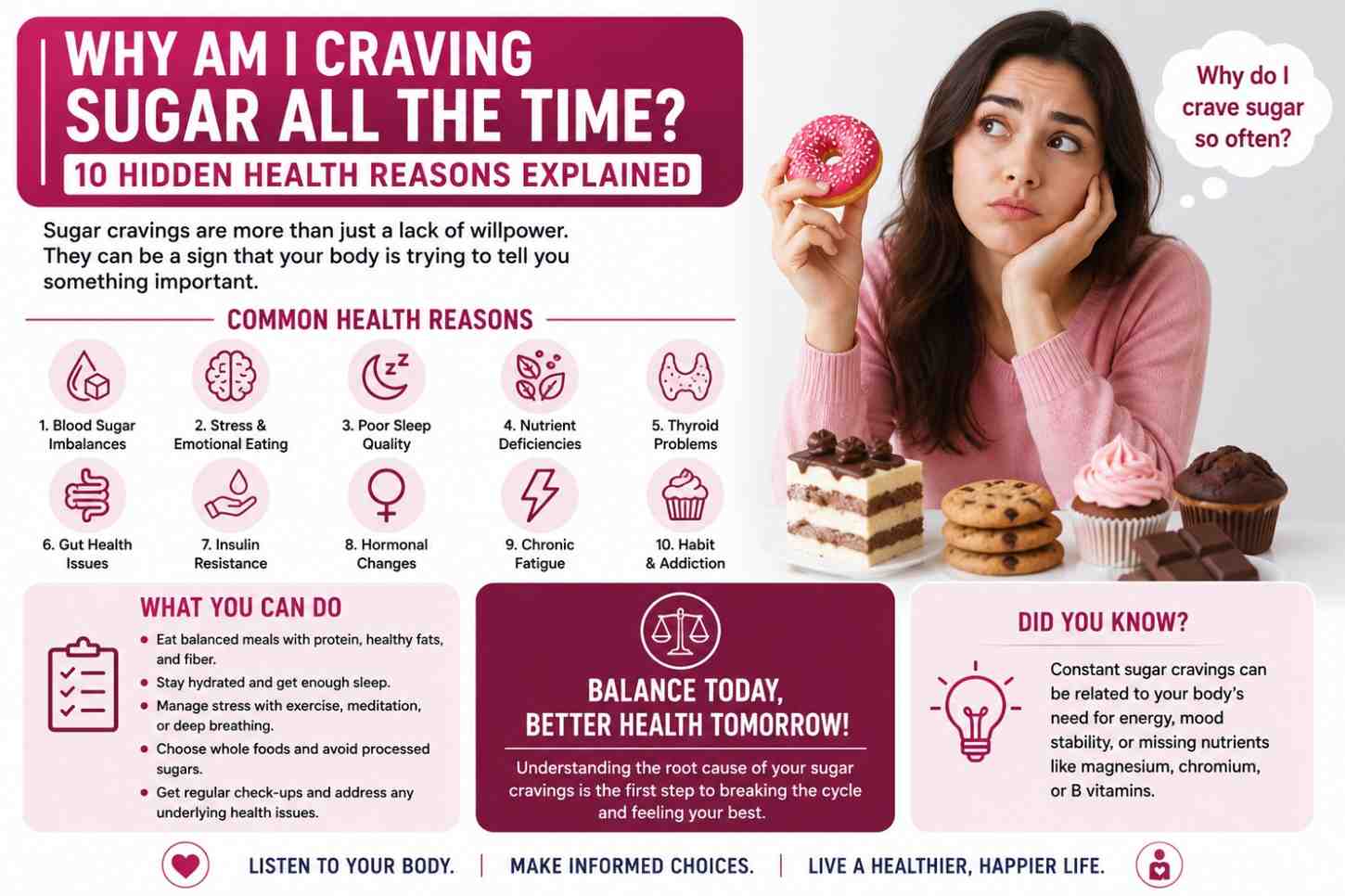
You just finished a full meal and twenty minutes later you are standing in front of the pantry looking for something sweet. Or maybe the craving hits at the same time every afternoon like clockwork and you cannot seem to shake it no matter how much willpower you try to apply. If you are craving sugar all the time, the problem almost certainly goes deeper than a lack of discipline.
Sugar cravings are biological, not moral. They are driven by hormones, neurotransmitters, blood sugar fluctuations, sleep quality, nutritional deficiencies, and a host of other physiological factors that have nothing to do with willpower. Understanding what is actually driving your cravings is the most effective path to actually reducing them, because trying to white-knuckle your way through a craving that has a specific biological cause rarely works long term.
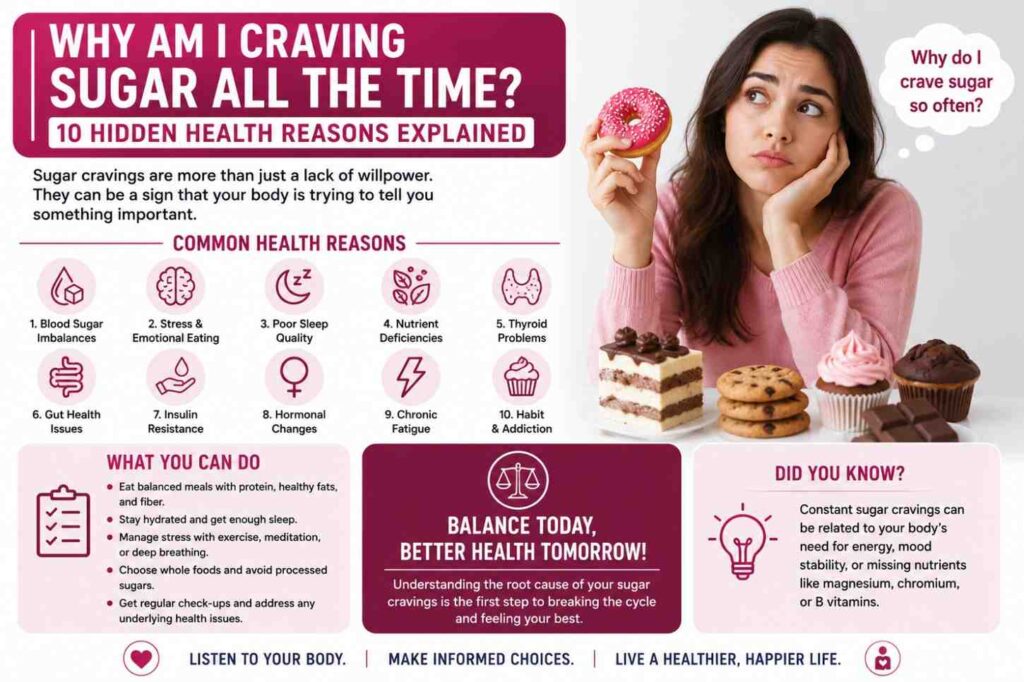
Here are ten of the most common hidden health reasons you are craving sugar all the time and what each one means.
1. Blood Sugar Spikes and Crashes
This is the most common physiological reason people find themselves craving sugar all the time, and it works through a cycle that feeds itself. When you eat refined carbohydrates or sugary foods, your blood glucose rises quickly and sharply. Your pancreas releases a surge of insulin to bring it back down. If that insulin response overshoots, blood sugar drops below baseline, a state called reactive hypoglycemia, and your brain interprets that drop as an emergency fuel shortage.
The brain’s response to low blood sugar is to generate an intense craving for fast energy, which means sugar. You eat sugar, blood glucose spikes again, insulin surges again, blood sugar crashes again, and the craving returns. This is the blood sugar rollercoaster that keeps millions of Americans craving sugar all the time without understanding why their appetite for sweets never seems to stay satisfied.
Breaking this cycle requires stabilizing blood sugar through balanced meals that combine protein, healthy fat, and fiber with any carbohydrates you eat. This slows glucose absorption, prevents the sharp spike, and keeps the reactive crash from triggering the next craving.
2. Poor Sleep
Sleep deprivation is one of the most powerful and most underappreciated drivers of craving sugar all the time. When you do not get enough sleep, two key appetite-regulating hormones shift in the wrong direction simultaneously. Ghrelin, the hormone that makes you feel hungry, rises significantly. Leptin, the hormone that signals fullness and satisfaction, drops. The result is that you feel hungrier than usual and less satisfied by what you eat.
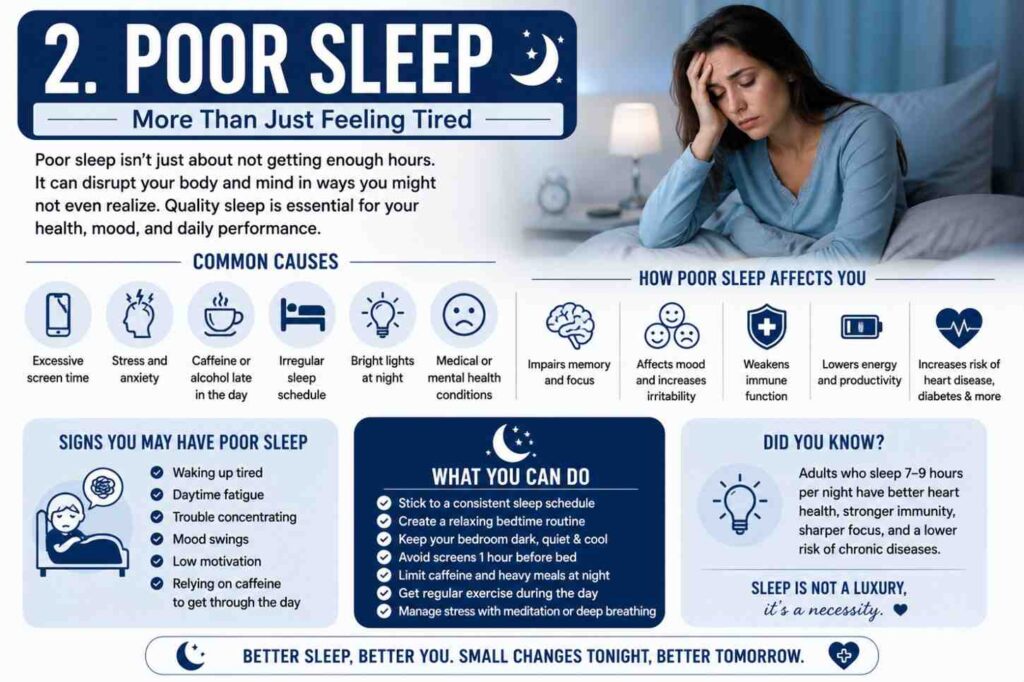
Sleep deprivation also specifically increases cravings for high-calorie, high-sugar foods rather than generally increasing appetite for all foods. Research using brain imaging has shown that sleep-deprived people show heightened activity in the reward centers of the brain in response to images of sugary and fatty foods, and reduced activity in the prefrontal cortex regions responsible for impulse control.
If you are craving sugar all the time and your sleep has been poor, consistently getting seven to nine hours is one of the most effective dietary interventions available, even though it does not feel like a dietary change at all.
3. Stress and Cortisol
Chronic stress is a direct and physiologically driven cause of craving sugar all the time. When you are stressed, your body releases cortisol, the primary stress hormone. Cortisol raises blood sugar to provide energy for the perceived emergency, and it also directly stimulates appetite for calorie-dense, high-sugar foods as part of the biological preparation for sustained physical effort.
This is the evolutionary origin of stress eating. In ancient environments, stress meant physical danger that required energy. Your brain still responds to modern psychological stress the same way, by driving you toward the fastest available energy source, which in a modern food environment means sugar and refined carbohydrates.
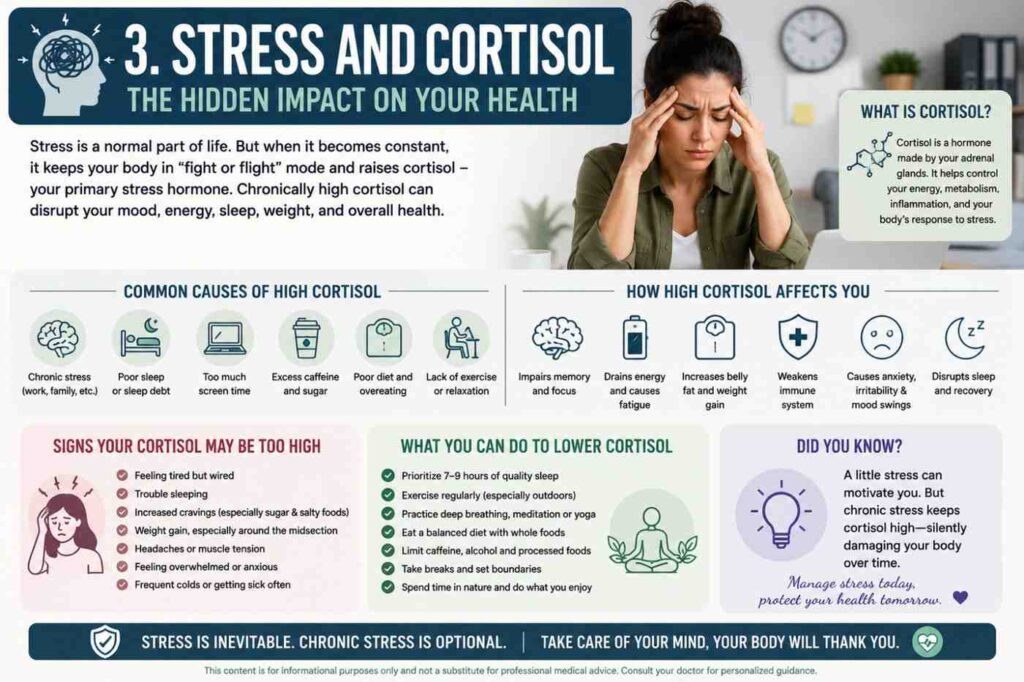
People under chronic stress frequently find themselves craving sugar all the time in a way that correlates directly with how stressed they are feeling, with cravings peaking during the most difficult periods and reducing when stress resolves. Managing stress through exercise, adequate sleep, time outdoors, and professional support when needed addresses the cortisol driver rather than just trying to resist the craving itself.
4. Nutritional Deficiencies
Specific nutritional deficiencies can directly trigger craving sugar all the time by disrupting the energy metabolism and neurotransmitter production that regulate appetite and mood. Magnesium deficiency is one of the most common nutritional causes of sugar cravings, particularly cravings for chocolate, which happens to be rich in magnesium. When magnesium levels are low, the body struggles with insulin regulation and energy production in ways that drive cravings for quick glucose.
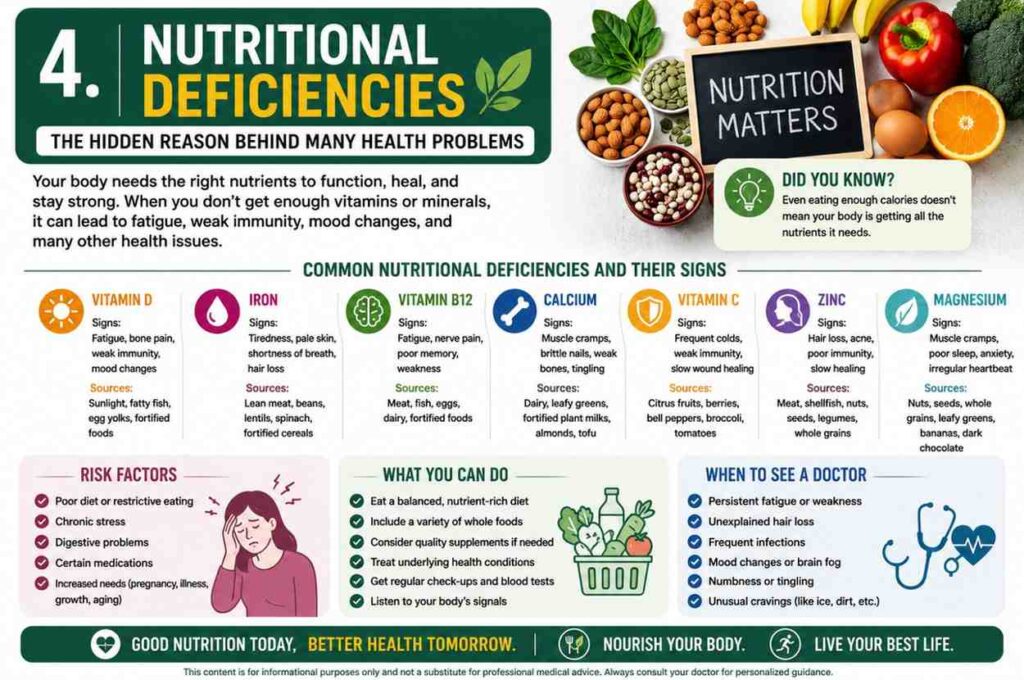
Chromium deficiency impairs the action of insulin and can cause blood sugar instability that produces persistent sugar cravings. Zinc deficiency affects taste perception and appetite regulation in ways that can drive cravings for intensely flavored foods including sweet ones. Vitamin B deficiencies affect the cellular energy production processes that the brain relies on, and when those processes are impaired, the brain seeks faster energy sources.
A nutritional blood panel can identify which deficiencies if any are contributing to your sugar cravings, and targeted supplementation alongside dietary improvements can meaningfully reduce cravings within a few weeks of correcting identified deficiencies.
5. Gut Microbiome Imbalance
The trillions of bacteria that live in your gut have a more direct influence on your food cravings than most people realize. Certain species of gut bacteria thrive on sugar and refined carbohydrates, and research suggests that these bacteria may actually influence their host’s food choices by producing compounds that affect hunger hormones and neurotransmitter signaling in ways that drive cravings for the foods they prefer.
When your gut microbiome is dominated by sugar-feeding bacteria, often as a result of a diet already high in processed foods and sugar, the result can be a self-reinforcing cycle where the microbiome composition drives craving sugar all the time, which feeds the bacteria that drive the cravings further. Antibiotic use, chronic stress, poor sleep, and a diet low in fiber all contribute to the type of microbiome imbalance that may worsen sugar cravings.
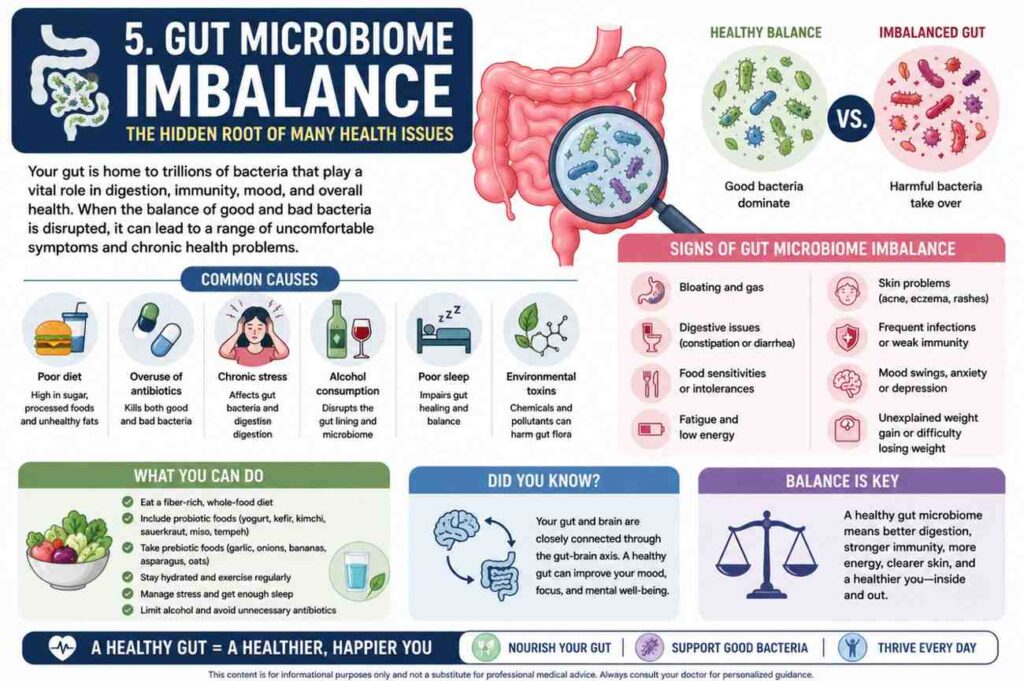
Supporting gut health through a diet rich in diverse vegetables, legumes, whole grains, and fermented foods like yogurt, kefir, and kimchi helps shift the microbiome toward a balance that is less likely to drive persistent sugar cravings over time.
6. Dehydration
This one surprises most people, but dehydration is a genuine and frequently overlooked cause of craving sugar all the time. The hypothalamus, the region of the brain that processes thirst signals, also processes hunger signals, and the two can easily be confused. When you are mildly dehydrated, your brain can generate what feels like a food craving, and because dehydration causes fatigue and low energy, the craving tends to be specifically for quick energy in the form of sugar rather than for any other type of food.
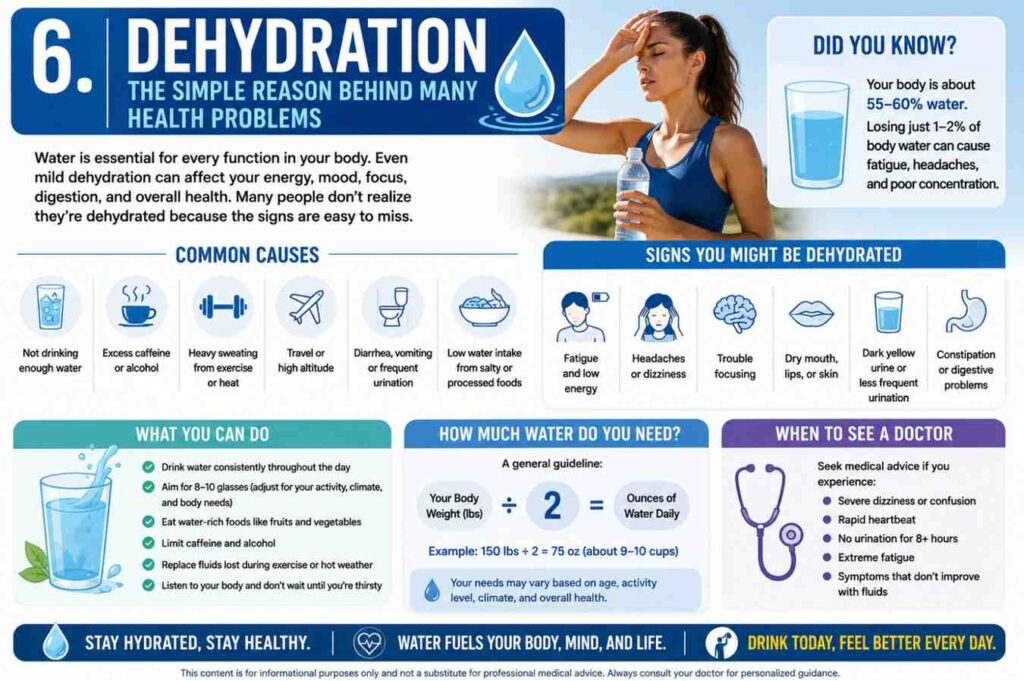
Many people who describe craving sugar all the time in the mid-afternoon are actually partially dehydrated from a day of insufficient fluid intake, often compounded by caffeine and not enough water. Drinking 16 ounces of water and waiting 15 minutes before reaching for a sugary snack is a simple test of whether dehydration is part of the picture. A significant number of people find that the craving reduces or disappears after proper hydration.
Can Low Iron Cause Headaches? 9 Signs of Iron Deficiency You Should Know
7. Dopamine and the Brain's Reward System
Sugar activates the brain’s reward system in a way that is biologically similar to other rewarding stimuli, and repeated exposure to sugar strengthens the neural pathways associated with the reward, making the craving for sugar all the time increasingly difficult to resist through willpower alone. Sugar causes the brain to release dopamine, the feel-good neurotransmitter associated with pleasure and reward. Over time, the brain can begin to crave that dopamine hit the same way it craves any other rewarding experience.
People who use sugar as a primary source of comfort, stress relief, or emotional regulation are particularly prone to developing the kind of habitual sugar seeking that makes craving sugar all the time feel almost compulsive. The cravings are not just about physical hunger or blood sugar. They are about the learned association between sugar and feeling better.
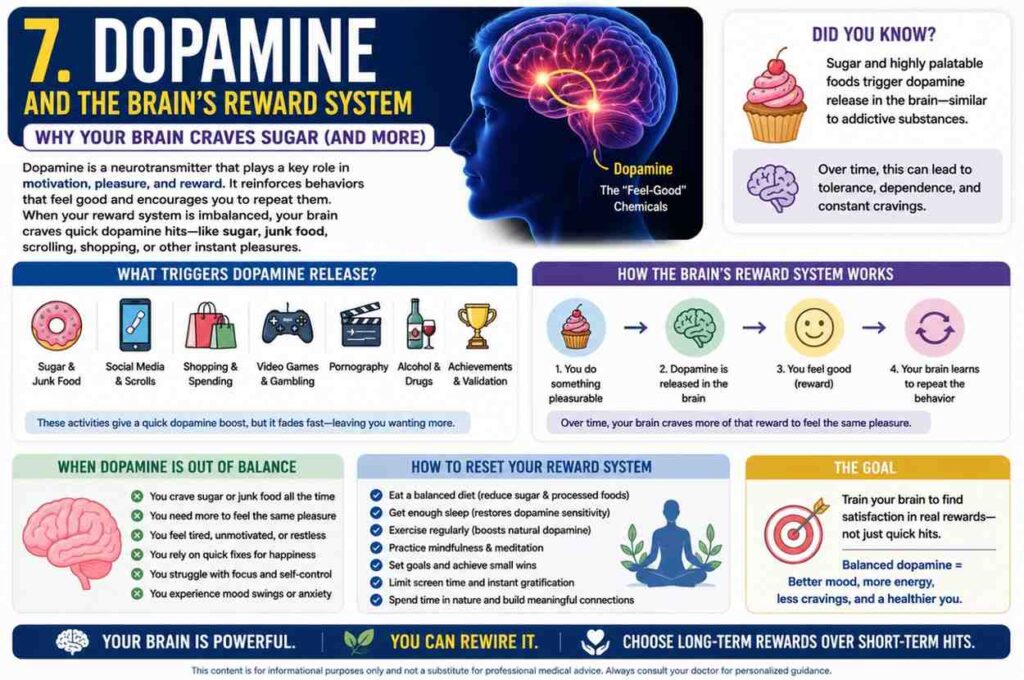
Addressing this dimension of sugar cravings requires developing alternative sources of dopamine and emotional regulation, whether through exercise, social connection, creative pursuits, or working with a therapist to develop healthier coping strategies.
Can Low Iron Cause Headaches? 9 Signs of Iron Deficiency You Should Know
8. Hormonal Fluctuations
For women, hormonal fluctuations throughout the menstrual cycle are a real and significant driver of craving sugar all the time at specific points in the month. In the week before menstruation, progesterone levels peak and then drop sharply as estrogen also falls. This hormonal shift affects serotonin production, which decreases significantly in the premenstrual phase and drives cravings for carbohydrates and sugar as the body attempts to use dietary carbohydrates to temporarily boost serotonin levels.
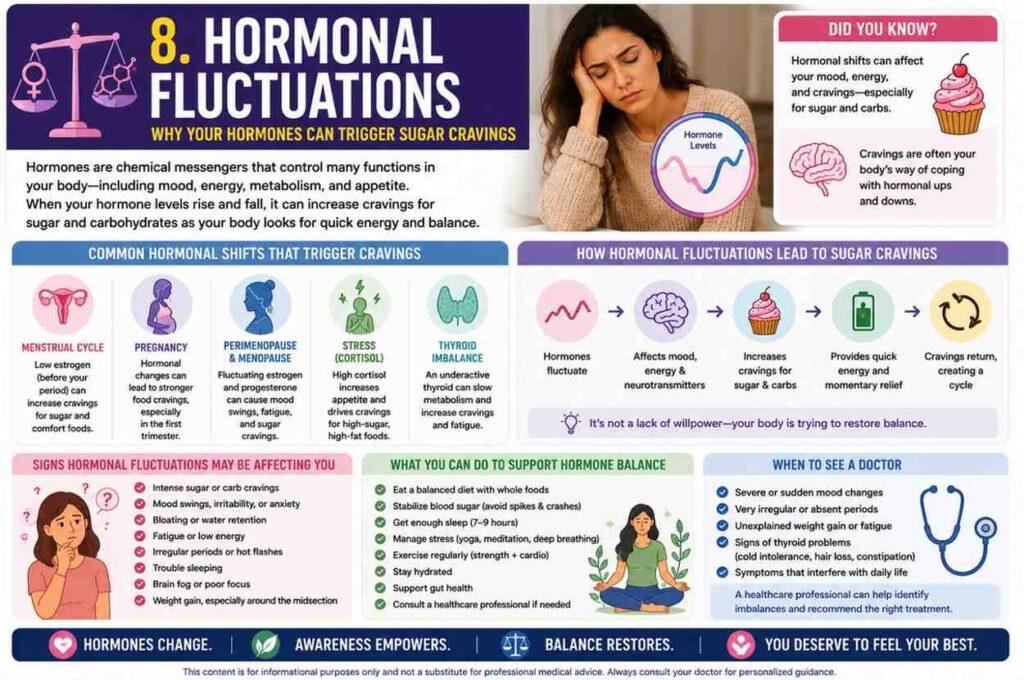
This is why premenstrual sugar cravings are so universal among women and why they feel so physiologically driven rather than optional. Beyond the menstrual cycle, pregnancy, perimenopause, and menopause all involve hormonal shifts that can alter appetite regulation and drive craving sugar all the time in ways that feel outside of normal experience.
Recognizing the hormonal timing of sugar cravings, eating balanced meals with adequate protein and healthy fat throughout the premenstrual phase, and ensuring adequate magnesium intake can all reduce the severity of hormonally-driven sugar cravings.
9. Insulin Resistance
Insulin resistance is a condition where the body’s cells do not respond normally to insulin, meaning glucose cannot enter the cells efficiently even when insulin is present. The result is that cells are essentially energy-starved at the cellular level even when blood sugar is elevated, and the brain responds to this perceived energy shortage by generating strong cravings for fast-acting carbohydrates and sugar that would theoretically provide a quick energy hit.
Insulin resistance is associated with type 2 diabetes, prediabetes, PCOS, and metabolic syndrome, and it is increasingly common in the United States due to diets high in processed foods, sedentary lifestyles, and chronic sleep deprivation. Craving sugar all the time is one of the most consistent and earliest symptoms of developing insulin resistance, often appearing years before blood sugar levels become abnormal enough to trigger a formal diabetes diagnosis.
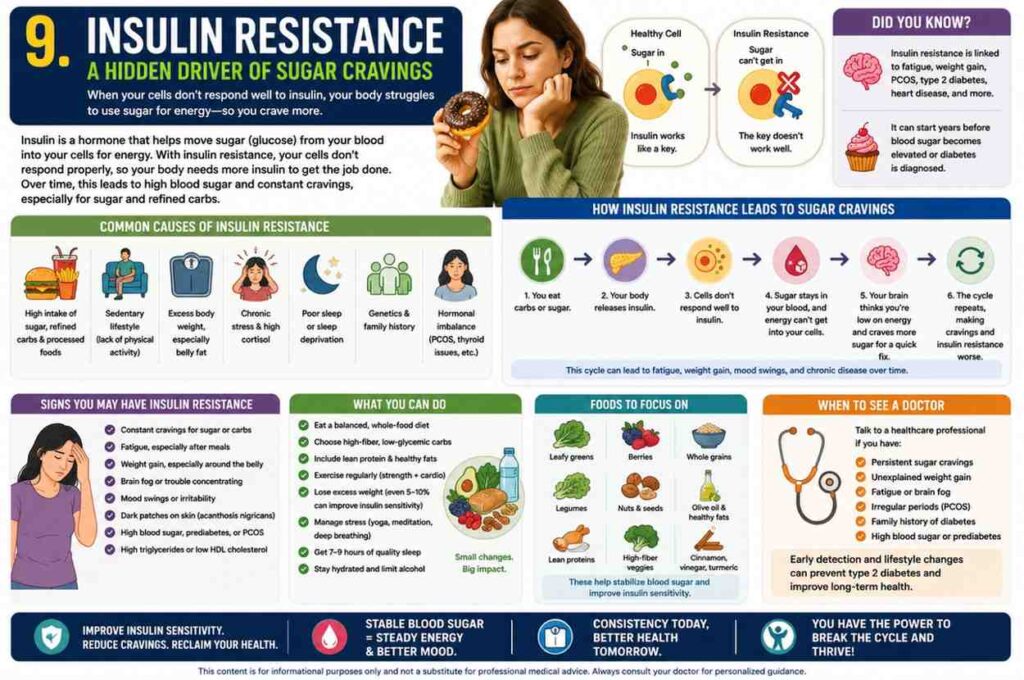
A fasting insulin test alongside a fasting glucose test can identify insulin resistance. Dietary changes focusing on reducing refined carbohydrates, increasing protein and fiber, and prioritizing whole foods alongside regular physical activity are the most effective approaches for improving insulin sensitivity and reducing the associated sugar cravings.
10. Artificial Sweeteners Backfiring
This is one of the most counterintuitive reasons people end up craving sugar all the time despite actively trying to avoid it. Artificial sweeteners provide the sweet taste signal without the calories, but research suggests that this mismatch between sweet taste and caloric content may actually increase rather than decrease sugar cravings over time by priming the brain’s reward system to expect calories that never arrive.
When the brain receives a sweet taste signal and prepares for a caloric reward that does not come, it may generate additional cravings for actual sugar to fulfill the anticipated reward. People who rely heavily on diet sodas, sugar-free candies, and artificially sweetened products often find themselves craving sugar all the time despite technically avoiding sugar, which may reflect this mismatch mechanism
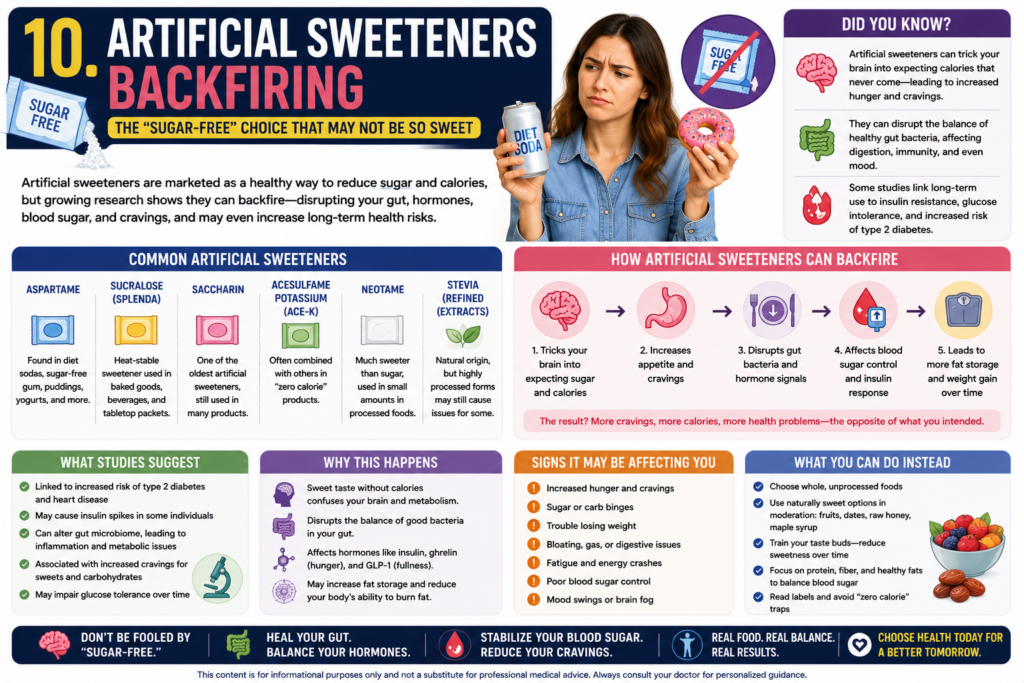
Gradually reducing overall sweet taste exposure, whether from sugar or artificial sweeteners, and allowing your palate to reset over several weeks is more effective for long-term craving reduction than simply substituting artificial sweeteners for real sugar.
How to Actually Reduce Sugar Cravings
The most effective approach to reducing craving sugar all the time combines several strategies simultaneously rather than relying on any single intervention. Eat balanced meals with protein, fat, and fiber at every sitting to stabilize blood sugar. Prioritize sleep as a non-negotiable health behavior. Manage stress actively rather than reactively. Stay well hydrated throughout the day. Address nutritional deficiencies through dietary improvements and targeted supplementation.
When a sugar craving hits, try eating a protein-rich snack first and waiting 20 minutes to see if the craving subsides. Go for a 10-minute walk, which has been shown in research to reduce food cravings through its effect on brain reward circuits. Drink a large glass of water. These approaches work with your biology rather than against it, which makes them far more sustainable than trying to use willpower alone against a craving that has a real physiological driver behind it.