
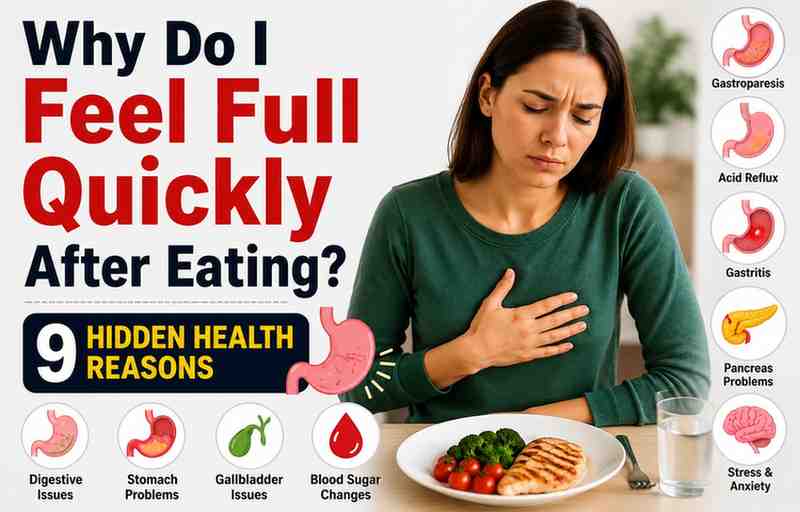
Most people wish they felt full more quickly after eating. But when fullness hits after just a few bites of a normal meal and you genuinely cannot eat more no matter how hard you try, that is a different situation entirely. If you feel full quickly after eating on a regular basis and it is interfering with your ability to eat adequate amounts of food, your energy levels, or your enjoyment of meals, something specific is driving it and it is worth understanding what.
The medical term for this feeling is early satiety, and while it can occasionally be a harmless quirk of digestion, persistent early satiety is one of those symptoms that deserves attention because it has a wide range of causes, some simple and some that genuinely need medical evaluation. Here are nine of the most common hidden health reasons you feel full quickly after eating and what each one means.
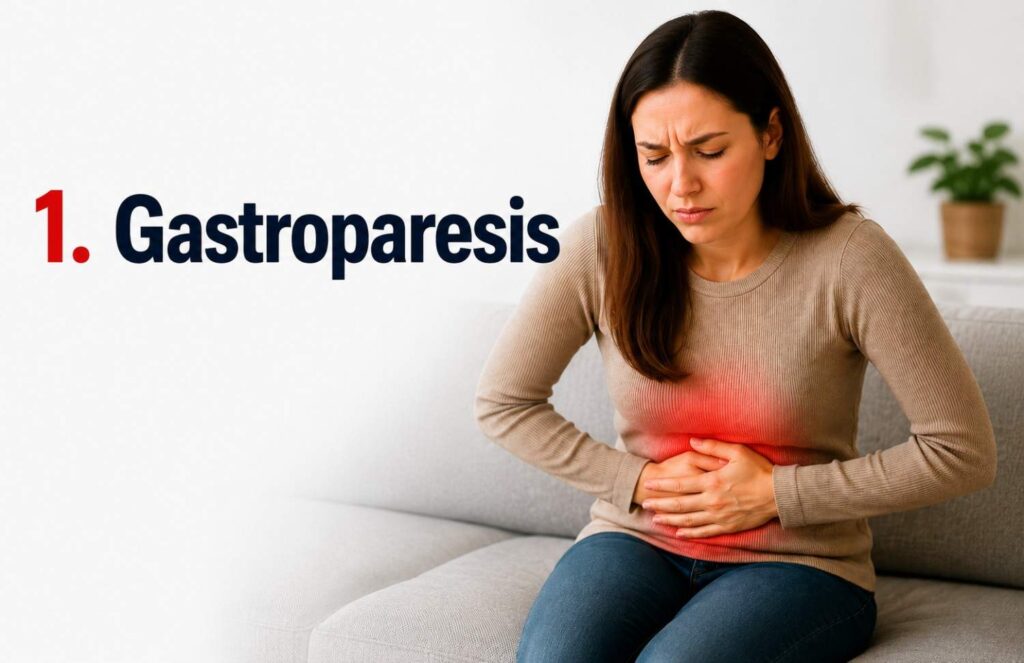
1. Gastroparesis
Stress and anxiety are the single most common cause of muscles that twitch randomly in otherwise heaAGastroparesis is one of the most significant medical causes of feeling full quickly after eating, and it is significantly underdiagnosed because its symptoms overlap with many more common and benign digestive conditions. Gastroparesis literally means stomach paralysis, and it refers to a condition where the stomach empties its contents into the small intestine much more slowly than normal due to damage or dysfunction of the vagus nerve that controls gastric motility.lthy adults. When your nervous system is in a heightened state of activation from chronic stress or anxiety, it fires nerve signals more erratically than usual. Those erratic signals can reach your muscles and cause them to contract briefly and involuntarily without any intention on your part.
When the stomach empties too slowly, food sits in it longer than usual, and that prolonged stomach fullness means you feel full quickly after eating even a small amount because there is still food from your last meal taking up space. Other symptoms of gastroparesis include nausea, bloating, abdominal discomfort, and in some cases vomiting undigested food hours after eating.
Gastroparesis is most commonly associated with diabetes, where chronically high blood sugar damages the vagus nerve over time, but it can also result from certain surgeries, viral infections, thyroid disorders, and some medications. A gastric emptying study, which measures how quickly food moves through the stomach, is the standard diagnostic test.
2. Acid Reflux and GERD
AAcid reflux and gastroesophageal reflux disease are among the most common digestive conditions in the United States and a very frequent cause of feeling full quickly after eating. When stomach acid regularly flows back into the esophagus, the resulting inflammation and irritation can reduce the esophagus’s ability to accommodate food comfortably, create a sensation of pressure or fullness in the upper chest and stomach after only small amounts of food, and make eating a full-sized meal genuinely uncomfortable.Too much caffeine is one of the most straightforward and most reversible causes of muscles that twitch randomly. Caffeine is a stimulant that increases the excitability of your nervous system, which makes nerve-to-muscle signaling more likely to fire spontaneously. When you consume more caffeine than your nervous system can comfortably handle, that excess excitability manifests as muscle twitches, jitteriness, and an inability to sit still.
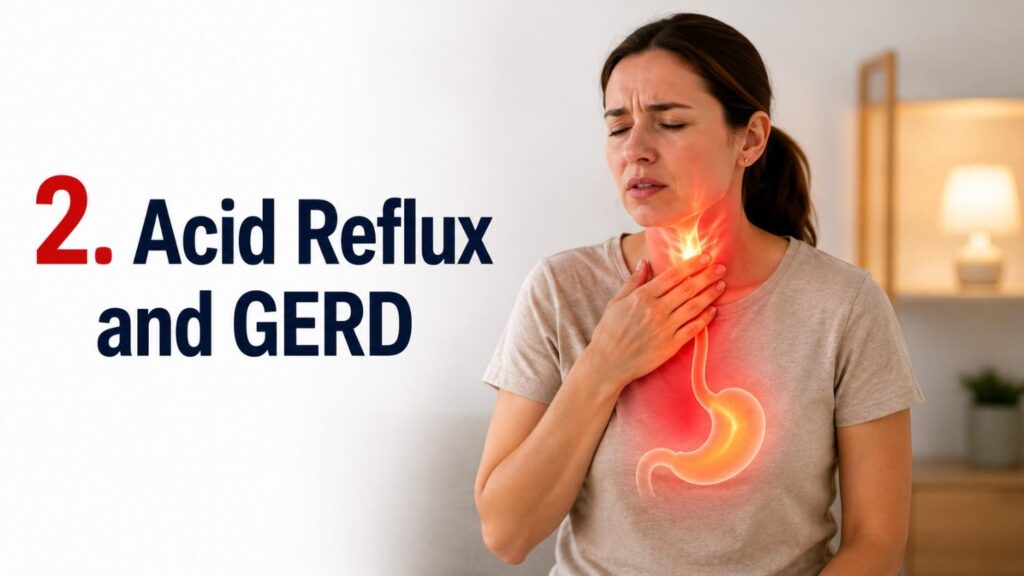
People with GERD often describe a burning sensation in the chest or throat alongside the early fullness, along with bloating, belching, and a sour taste in the mouth after eating. The fullness feeling in GERD is often accompanied by a sense of pressure or tightness rather than the neutral satisfaction of normal satiety.
Dietary modifications including eating smaller meals more frequently, avoiding lying down for two to three hours after eating, limiting acidic and fatty foods, and reducing alcohol and caffeine can all reduce GERD-related early fullness. Medications including proton pump inhibitors and H2 blockers are effective for more persistent cases.
3. Helicobacter Pylori Infection
H. pylori is a bacterial infection of the stomach lining that affects an estimated 44 percent of the global population and is significantly more common than most Americans realize. H. pylori infection causes chronic inflammation of the stomach lining, called gastritis, which can reduce the stomach’s ability to stretch comfortably as it fills with food. The result is that you feel full quickly after eating even small amounts because the inflamed, irritated stomach sends fullness signals much earlier than a healthy stomach would.
H. pylori infection can also cause or worsen peptic ulcers, which are open sores in the stomach lining or the first part of the small intestine, and these ulcers independently cause early satiety and upper abdominal discomfort after eating. Many people with H. pylori infection have no symptoms at all for years, while others experience significant digestive disruption.

A simple breath test, blood test, or stool antigen test can diagnose H. pylori infection. Treatment with a short course of antibiotics combined with acid-reducing medication typically eradicates the infection and resolves the associated symptoms including early fullness.
4. Peptic Ulcers
Peptic ulcers are open sores that develop on the lining of the stomach or the upper part of the small intestine, and they are one of the more common structural causes of feeling full quickly after eating. When an ulcer is present, eating can cause direct pain or discomfort as food contacts the raw, irritated tissue, which causes people to stop eating earlier than they normally would to avoid the pain. Over time the brain begins to associate eating with discomfort, which can itself contribute to reduced appetite and early fullness.

Peptic ulcers are most commonly caused by H. pylori infection or long-term use of nonsteroidal anti-inflammatory drugs including aspirin, ibuprofen, and naproxen. The pain of a stomach ulcer is typically a burning or gnawing sensation in the upper abdomen that may be worse when the stomach is empty and temporarily better after eating, though this pattern is not universal.
Treating the underlying cause, whether H. pylori eradication or stopping the offending NSAID, combined with acid-suppressing medication typically heals peptic ulcers and resolves the associated early satiety over several weeks.
Why Do I Feel Dizzy When I Stand Up? 10 Common Causes Explained
5. Anxiety and Stress
The gut and the brain are in constant communication through the gut-brain axis, and when anxiety or chronic stress is significant, digestive function is directly affected in ways that can cause you to feel full quickly after eating. Anxiety activates the fight-or-flight response, which redirects blood flow away from the digestive system and toward the muscles. Digestion slows, the stomach may not relax normally to accommodate incoming food, and the sensitivity of the gut to distension increases, meaning you feel full or uncomfortable at lower volumes than you normally would.
Many people notice that they feel full quickly after eating far more pronounced during stressful or anxious periods in their lives and that their appetite and ability to eat normal amounts improves significantly when things calm down. This correlation between stress levels and early satiety is one of the clearest indicators that the gut-brain axis is involved.
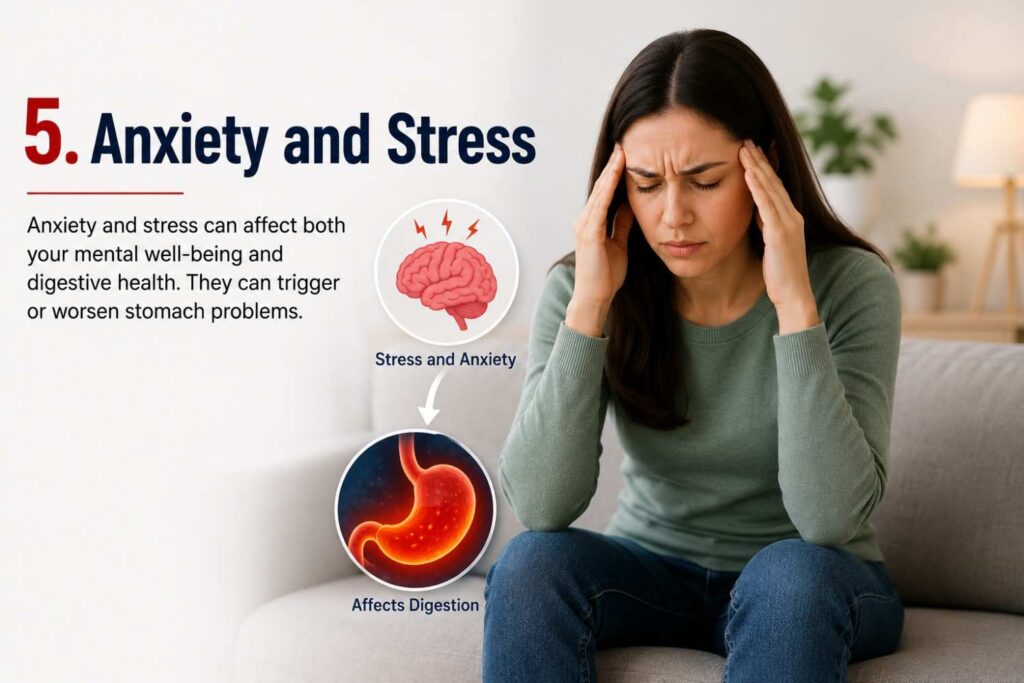
Addressing anxiety and stress directly through therapy, stress management practices, regular physical activity, and adequate sleep is often more effective for digestive symptoms driven by the gut-brain axis than focusing exclusively on dietary changes.
6. Ovarian Cysts and Abdominal Masses
Persistent early satiety, particularly in women, is one of the symptoms that can indicate a physical structure in the abdominal or pelvic cavity is pressing on the stomach and reducing its capacity. Ovarian cysts, particularly large ones, are among the most common causes of this in women of reproductive age. As a cyst grows, it can physically compress the stomach from below, leaving less room for food and causing you to feel full quickly after eating even when the stomach itself is perfectly healthy.
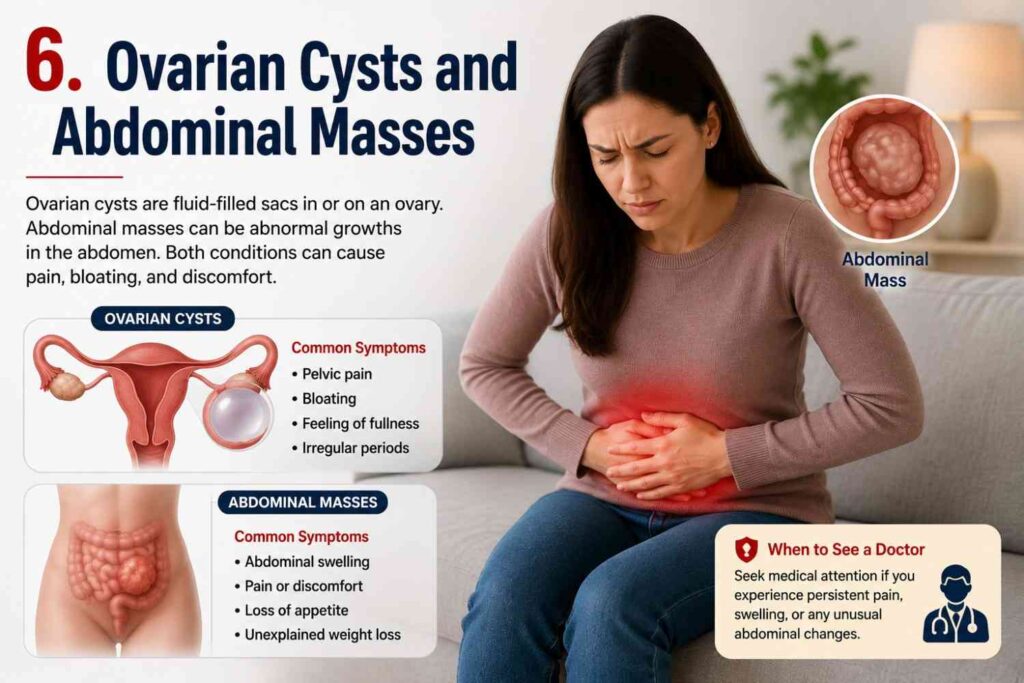
Ovarian cancer lists early satiety as one of its most recognized warning symptoms, alongside pelvic pain, bloating, and urinary urgency. While this is one of the less common causes of early fullness, it is important enough to mention because persistent early satiety in women, particularly when accompanied by any of these other symptoms, warrants a pelvic examination and imaging rather than simply being managed as a digestive issue.
Other abdominal masses including enlarged lymph nodes, liver enlargement from various conditions, and in rare cases tumors in or near the stomach can produce the same mechanical compression and early fullness.
7. Thyroid Problems
Both hypothyroidism and hyperthyroidism can affect digestive motility in ways that cause you to feel full quickly after eating. Hypothyroidism slows metabolism throughout the body, including in the digestive system, which means food moves through the stomach and intestines more slowly than normal. This slowed gastric emptying produces fullness that lingers longer than expected and can cause early satiety at subsequent meals because the stomach has not fully emptied from the previous one.
People with hypothyroidism who feel full quickly after eating often notice this alongside other familiar thyroid symptoms including fatigue, weight gain despite eating less, constipation, feeling cold all the time, and brain fog. The connection between their thyroid and their digestive symptoms is frequently missed until thyroid testing reveals the underlying hormonal issue.
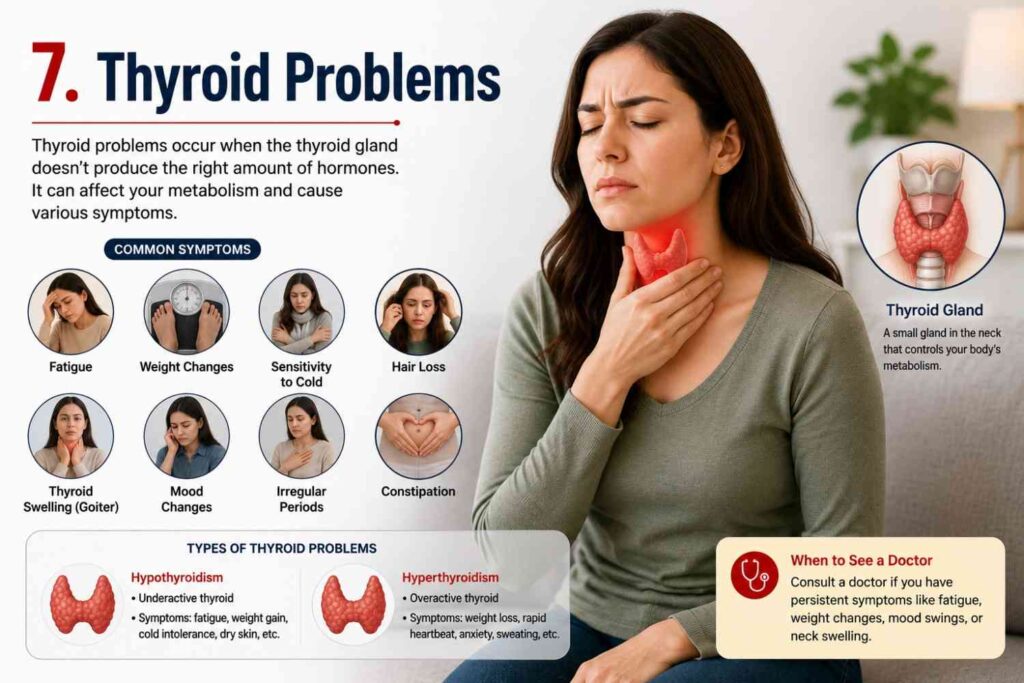
A TSH blood test can identify thyroid dysfunction quickly. Treating hypothyroidism with hormone replacement therapy typically normalizes gastric motility and reduces early satiety alongside the other symptoms within several weeks to months of achieving stable thyroid levels.
8. Medications
Several commonly used medications can cause you to feel full quickly after eating as a direct side effect, and this is one of the most frequently overlooked explanations, particularly in people who have been taking the same medication for a long time. GLP-1 receptor agonists, the class of medications that includes semaglutide and liraglutide used for diabetes and weight management, work specifically by slowing gastric emptying and increasing satiety signals, which means early fullness is not a side effect but the actual intended mechanism. For people who are not expecting this effect, however, feeling full quickly after eating can be distressing rather than desirable.
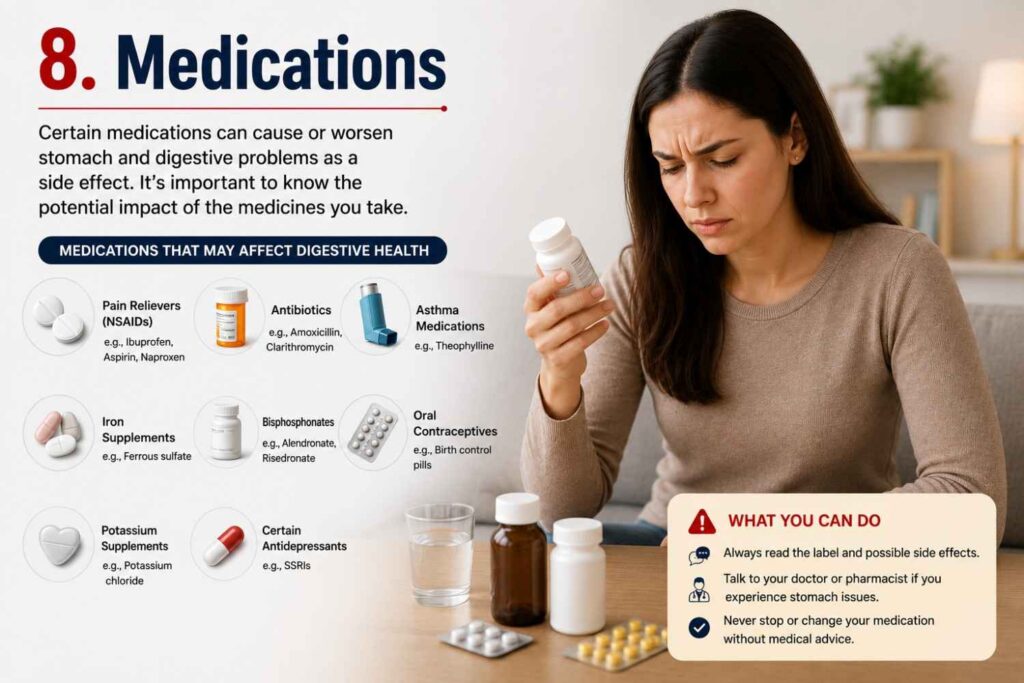
Certain antibiotics disrupt gut motility. Opioid pain medications slow gastric emptying significantly. Some antidepressants affect digestive function. Acarbose and other diabetes medications affect carbohydrate absorption in ways that can produce early fullness and bloating. If you feel full quickly after eating and the symptom started around the time you began a new medication, that connection is worth discussing with your prescribing doctor.
Why Do I Feel Dizzy When I Stand Up? 10 Common Causes Explained
9. Functional Dyspepsia
Functional dyspepsia is a condition characterized by persistent upper digestive discomfort including early satiety, bloating, nausea, and upper abdominal pain or burning without any identifiable structural abnormality to explain the symptoms. It is one of the most common functional gastrointestinal disorders, affecting an estimated 10 to 30 percent of the general population, and it is a diagnosis made after other structural and infectious causes have been ruled out.
In functional dyspepsia, the stomach is anatomically normal but functionally impaired. It may not relax properly to accommodate incoming food, it may be hypersensitive to normal degrees of distension, or it may empty either too slowly or too quickly. Any of these abnormalities can produce the sensation of feeling full quickly after eating alongside other upper digestive symptoms.
https://my.clevelandclinic.org/health/symptoms/early-satiety
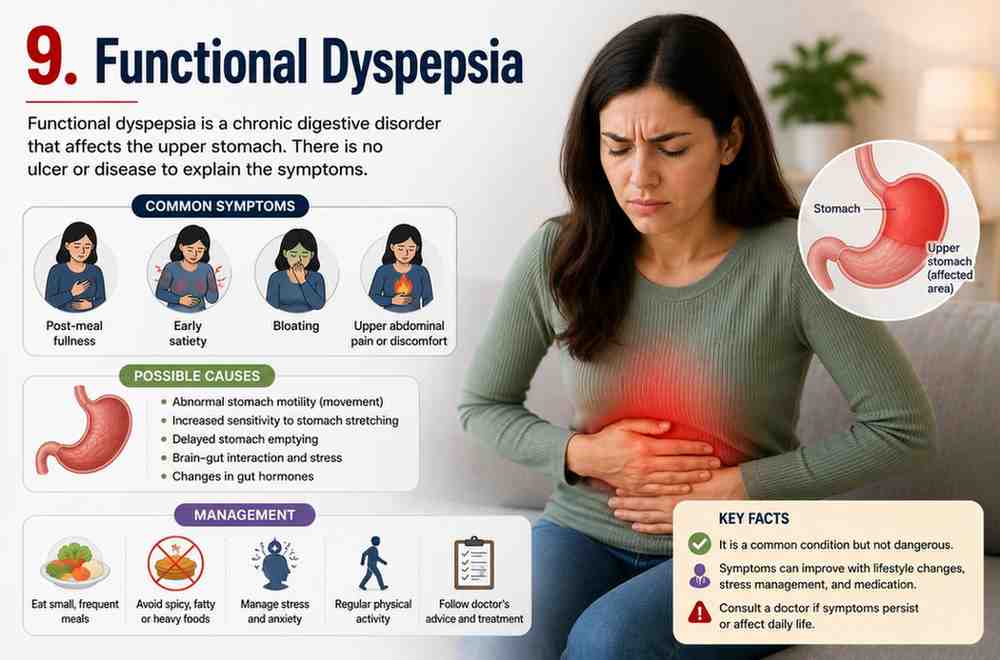
The exact cause of functional dyspepsia is not fully understood but is thought to involve a combination of gut-brain axis dysfunction, post-infectious changes, H. pylori infection in some cases, and psychological factors. Treatment typically involves a combination of dietary modifications, acid suppression when appropriate, medications that improve gastric motility, and addressing any underlying anxiety or stress that may be contributing.
When to See a Doctor About Feeling Full Quickly
Occasional early fullness after an unusually rich or large meal is completely normal and not a cause for concern. But persistent early satiety that affects your ability to eat adequate nutrition, causes unintentional weight loss, or comes with other concerning symptoms deserves medical evaluation rather than ongoing self-management.
See a doctor promptly if you feel full quickly after eating and you are losing weight without trying, if early fullness is accompanied by persistent nausea or vomiting, if you notice blood in your stool or vomit, if you have upper abdominal pain that is getting progressively worse, or if you are a woman experiencing early fullness alongside pelvic pain or bloating. These combinations of symptoms warrant investigation to rule out serious underlying conditions.
For most people though, feeling full quickly after eating has a manageable cause that responds well to the right treatment once properly identified.