
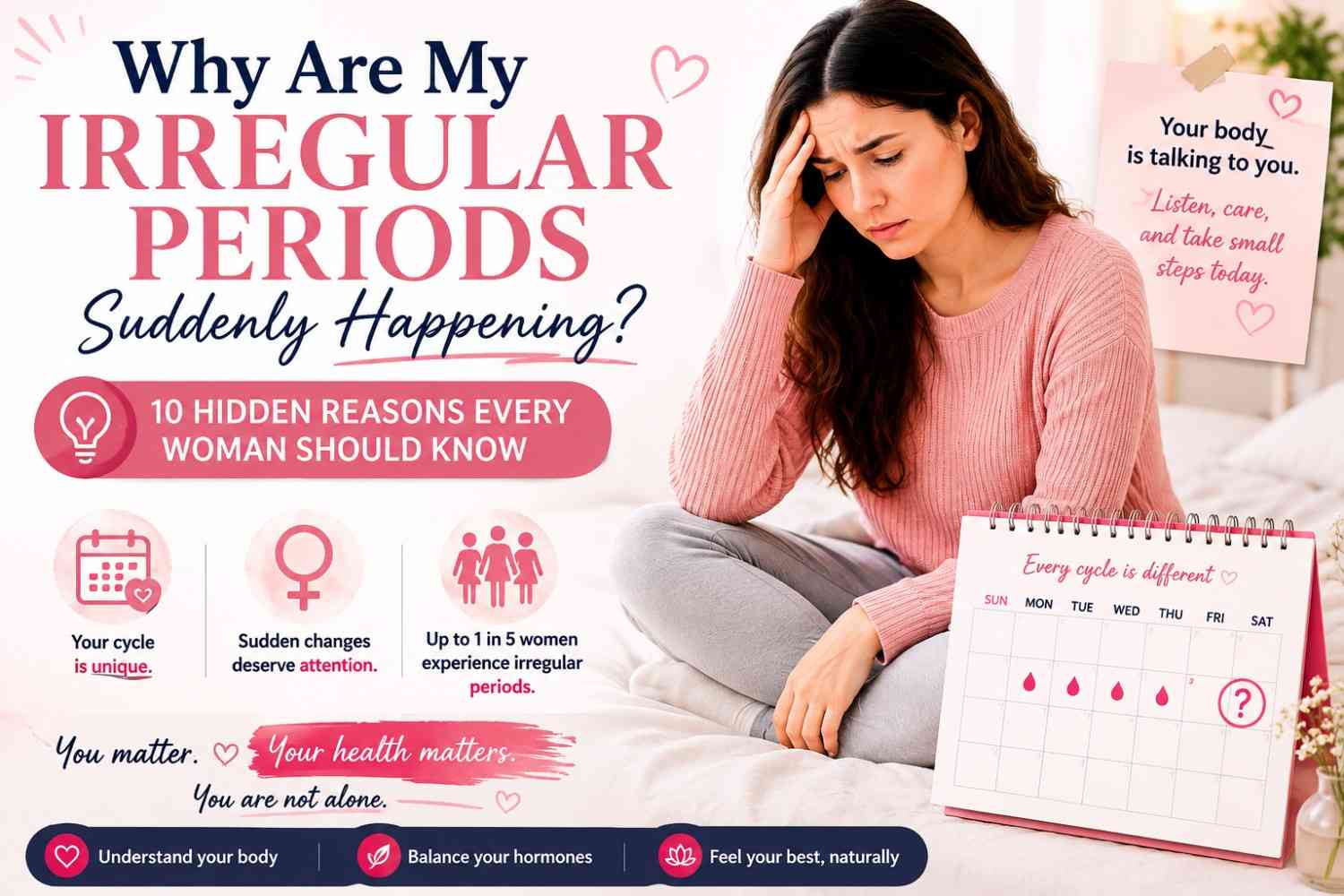
Your cycle has been like clockwork for years. Then suddenly, out of nowhere, everything changes. Your period shows up two weeks early, or it is two weeks late, or it barely shows up at all. If you are dealing with irregular periods out of nowhere, you are probably equal parts confused and concerned, and that reaction makes complete sense.
Here is what most women do not realize: irregular periods are one of the most common gynecological complaints in the United States, and in the majority of cases, there is a clear, identifiable reason behind the change. Your cycle is incredibly sensitive to what is happening in your body, and when something shifts, your period is often the first thing to reflect it.
This guide walks you through the ten most common hidden reasons for suddenly irregular periods and what each one means for your health.
1. Stress Is Throwing Off Your Hormones

This is the number one cause of suddenly irregular periods in otherwise healthy women, and it works through a very direct hormonal pathway. When you are under significant stress, your body releases high levels of cortisol. Elevated cortisol interferes with the production of estrogen and progesterone, the two hormones that regulate your menstrual cycle. When those hormone levels get disrupted, your cycle gets disrupted right along with them.
Stress-related irregular periods can look different for different women. Some experience a delayed period by one to two weeks. Others have a lighter period than usual or skip one entirely. Some women experience spotting between periods. The common thread is that the change coincides with a period of significant emotional, physical, or psychological stress.
The frustrating part is that worrying about your irregular periods can itself add to the stress load and make the problem worse. If stress is the driver, giving your nervous system real recovery time, through sleep, movement, time outdoors, or whatever genuinely helps you decompress, is the most effective path back to a regular cycle.
2. Significant Weight Changes
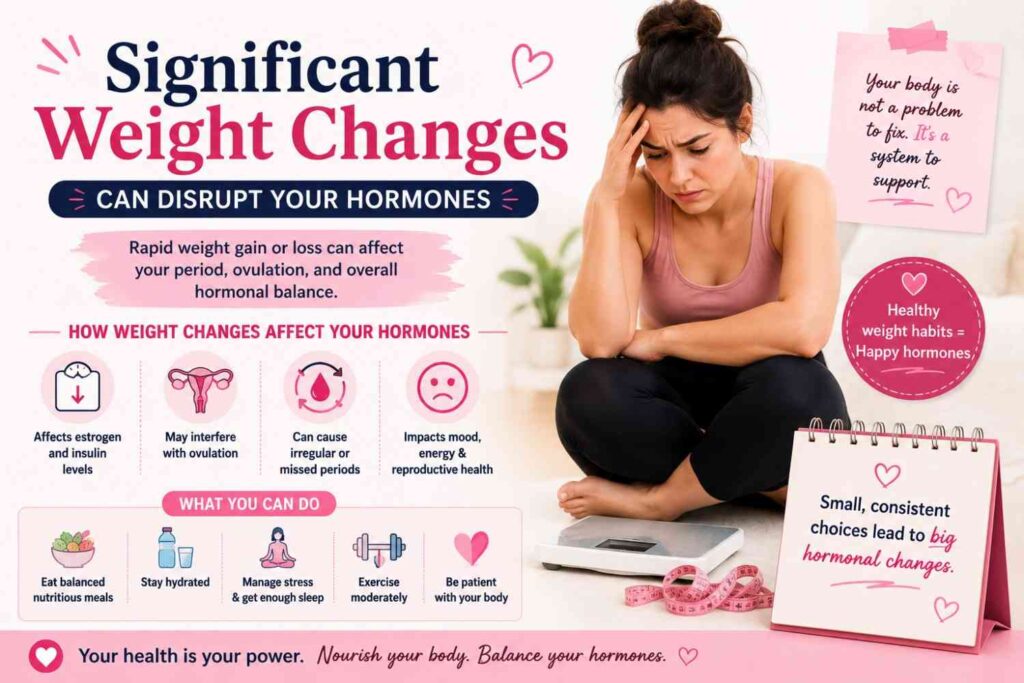
Your body fat percentage plays a direct role in estrogen production. Fat tissue produces and stores estrogen, which means that significant changes in your body weight in either direction can cause irregular periods by shifting your estrogen levels outside their normal range.
Rapid weight loss, whether from dieting, illness, or intense exercise, can cause your body to reduce or stop estrogen production as a protective mechanism. This can lead to lighter periods, missed periods, or completely irregular periods that feel unpredictable from month to month. On the other end, significant weight gain increases estrogen levels and can disrupt the hormonal balance your cycle depends on in a different but equally impactful way.
If your irregular periods coincided with a noticeable change in your weight, the two are almost certainly connected. Stabilizing your weight at a healthy level and ensuring you are eating enough calories and nutrients to support normal hormonal function is the most important step.
3. Polycystic Ovary Syndrome (PCOS)
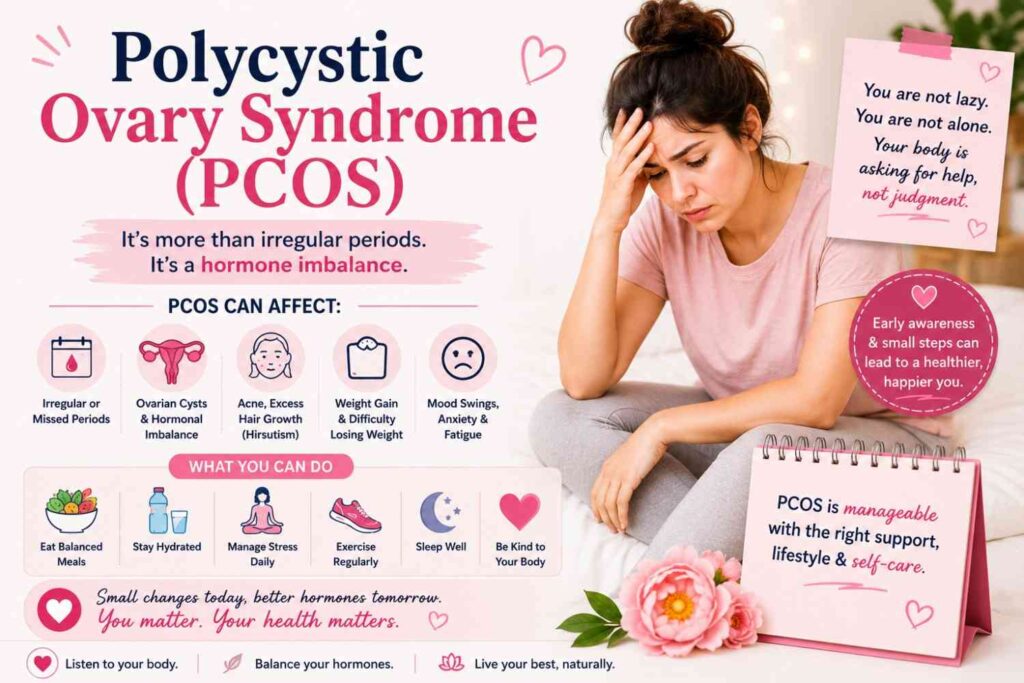
PCOS is one of the most common hormonal disorders in women of reproductive age, affecting an estimated one in ten women in the United States. It is also one of the most frequent medical causes of irregular periods, and many women do not find out they have it until they start wondering why their cycle has become so unpredictable.
In PCOS, the ovaries produce higher than normal levels of androgens, which are male hormones that women also produce in smaller amounts. This hormonal imbalance interferes with ovulation, which directly causes irregular periods. Women with PCOS may have periods that come every few weeks, every few months, or not at all for extended stretches.
Other signs of PCOS include unwanted facial or body hair, acne along the jawline and chin, thinning hair on the scalp, and difficulty losing weight. If your suddenly irregular periods come with any of these other symptoms, PCOS is worth discussing with your gynecologist. It is very manageable once properly diagnosed.
4. Thyroid Dysfunction
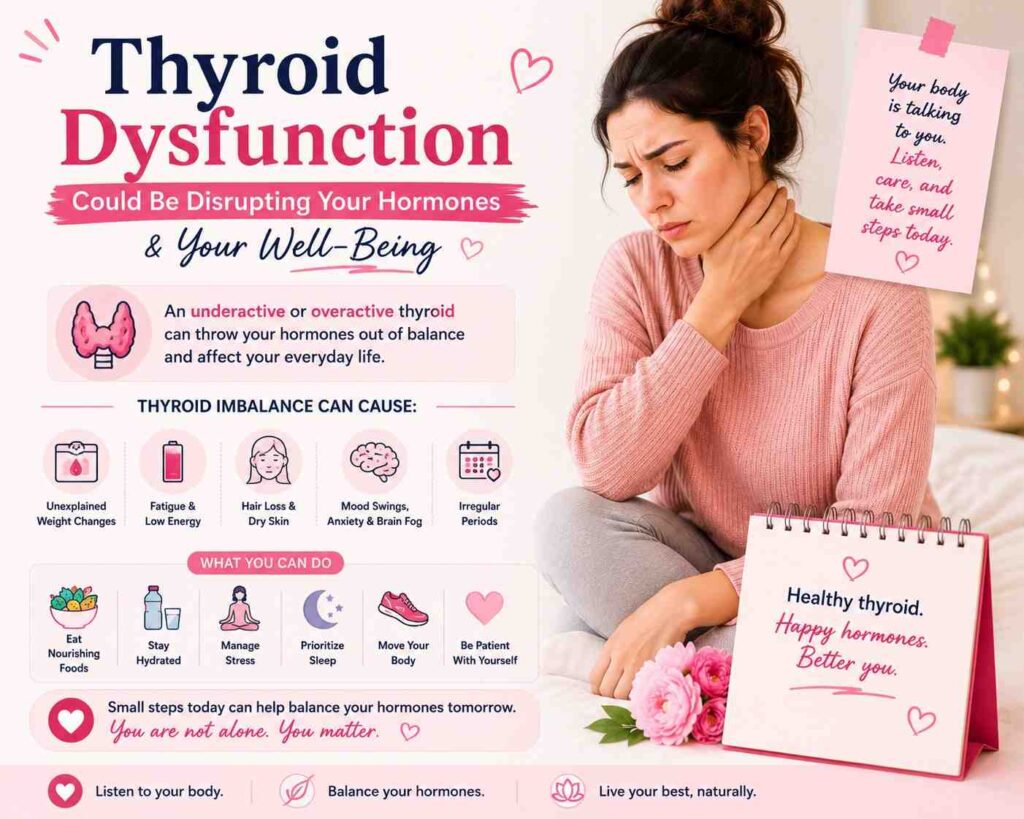
Your thyroid gland controls your metabolism, and it also has a direct relationship with your reproductive hormones. Both an overactive thyroid and an underactive thyroid can cause irregular periods, and thyroid disorders are significantly more common in women than in men.
An underactive thyroid, known as hypothyroidism, tends to cause heavier, more frequent periods along with fatigue, weight gain, feeling cold, and brain fog. An overactive thyroid, known as hyperthyroidism, more often causes lighter, less frequent, or missed periods alongside weight loss, heart palpitations, and feeling anxious or overheated.
Thyroid dysfunction is one of the most commonly missed causes of irregular periods because the symptoms develop gradually and are easy to attribute to stress or aging. A simple TSH blood test can check your thyroid function, and if a thyroid condition is driving your irregular periods, treating it almost always restores cycle regularity.
5. Perimenopause
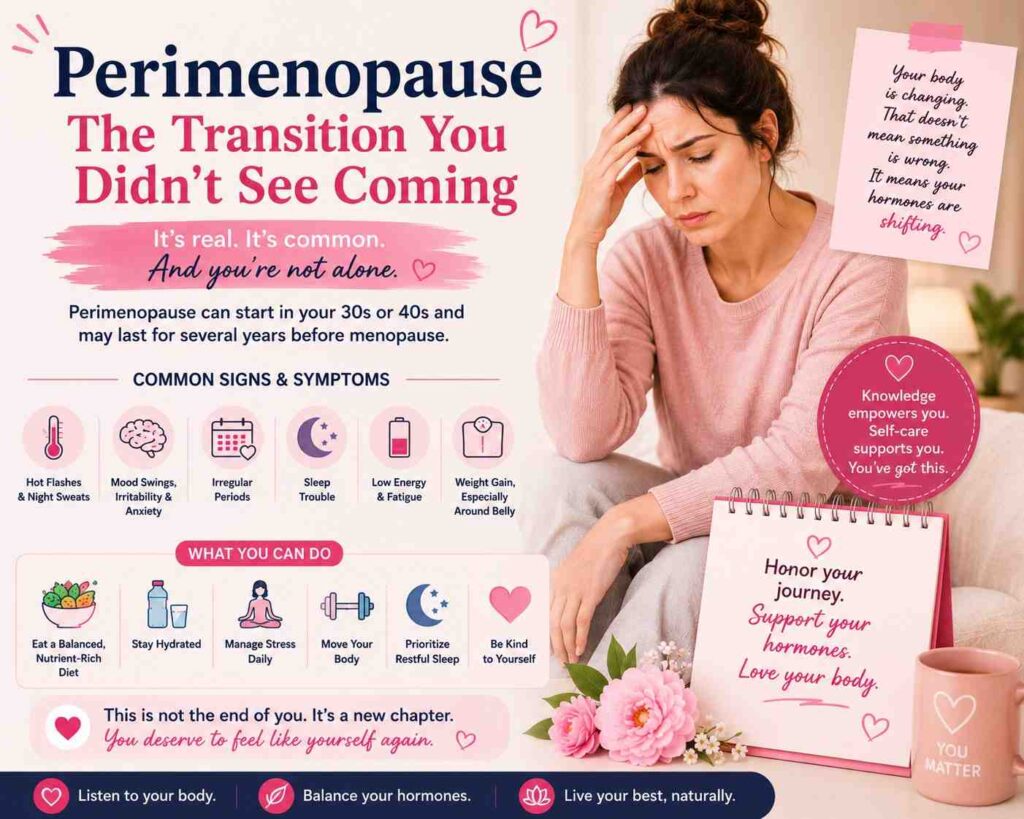
If you are in your late 30s or 40s and your periods have started becoming unpredictable, perimenopause may be the reason. Perimenopause is the transitional phase leading up to menopause, and it can begin anywhere from two to ten years before your final period. During this time, estrogen and progesterone levels fluctuate significantly and unpredictably, which directly causes irregular periods.
Perimenopausal irregular periods can look like shorter cycles, longer cycles, heavier bleeding, lighter bleeding, or skipped periods with no predictable pattern. Other signs of perimenopause include hot flashes, night sweats, sleep disruption, mood changes, and vaginal dryness.
It is worth noting that perimenopause does not mean you cannot get pregnant. Ovulation can still occur even when periods are irregular during this phase, so contraception is still relevant if pregnancy is not desired.
6. Changes in Exercise Intensity
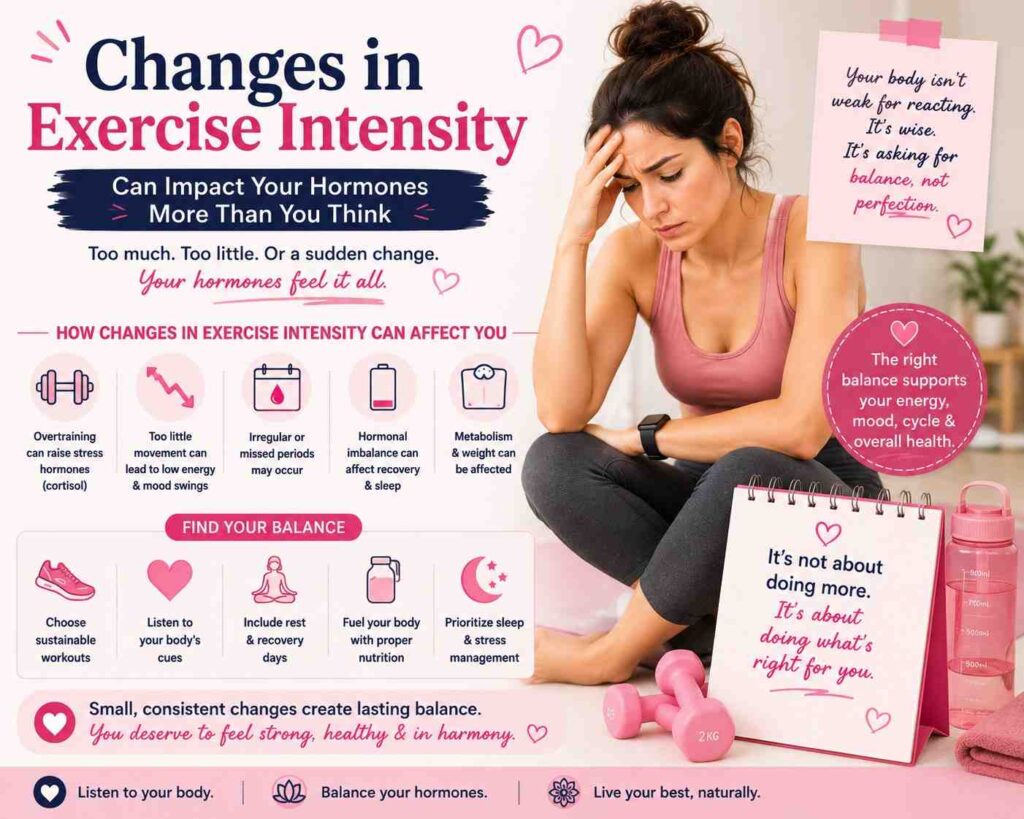
Exercise is one of the most powerful tools for overall health, but too much of it, or a sudden dramatic increase in intensity, can cause irregular periods. This is particularly common in women who have recently started training for a marathon, significantly ramped up their workout frequency, or begun an intense fitness program after a period of low activity.
The mechanism is similar to weight loss-related cycle disruption. Intense exercise increases cortisol, burns through energy reserves, and can suppress the hormonal signaling that drives ovulation. When ovulation does not happen or happens inconsistently, irregular periods follow.
Amenorrhea, which is the complete absence of periods, is the most extreme version of this and is most commonly seen in elite athletes or women doing very high volumes of training. But even moderate increases in exercise intensity can cause milder cycle irregularities that are worth paying attention to.
7. Birth Control Changes
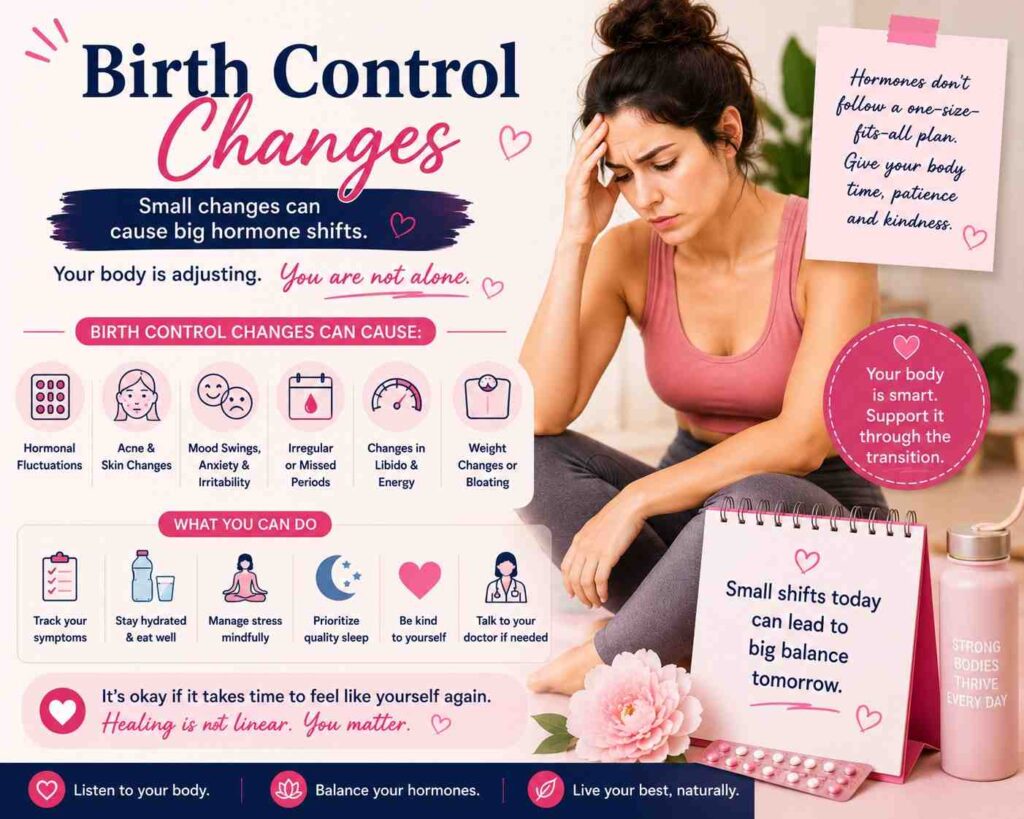
Starting, stopping, or switching hormonal birth control is one of the most common causes of suddenly irregular periods, and it is one that women frequently overlook because it seems obvious in retrospect but is not always connected in the moment.
When you stop hormonal birth control after using it for an extended period, your body needs time to re-establish its own natural hormonal rhythm. This process can take anywhere from one to six months, and during that time, irregular periods are completely normal and expected. The same applies when you start a new form of hormonal contraception, switch methods, or miss doses.
If your irregular periods started within a few months of any birth control change, this is almost certainly the explanation and the cycle should regulate itself with time.
8. Nutritional Deficiencies
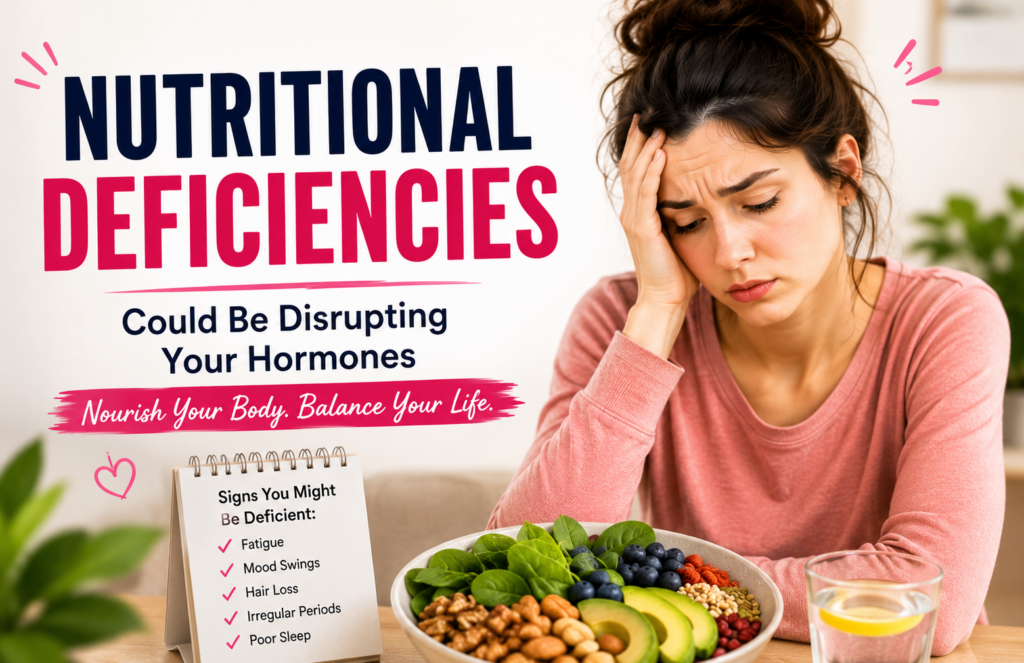
What you eat, or are not eating enough of, directly impacts your hormone production and menstrual regularity. Several specific nutritional deficiencies are strongly linked to irregular periods, with iron, vitamin D, and B vitamins being among the most significant.
Iron deficiency is particularly relevant because heavy periods can cause iron loss that then worsens period irregularity, creating a cycle that feeds itself. Vitamin D deficiency, which is extremely common in the United States especially in northern states with limited sun exposure, is associated with disrupted estrogen metabolism and irregular ovulation. Low B12 and folate affect the methylation pathways that regulate hormone balance.
If your diet is restricted, you have recently changed your eating habits significantly, or you follow a vegetarian or vegan diet without careful supplementation, nutritional deficiencies may be contributing to your irregular periods. A basic blood panel can identify where your levels stand.
9. Underlying Medical Conditions
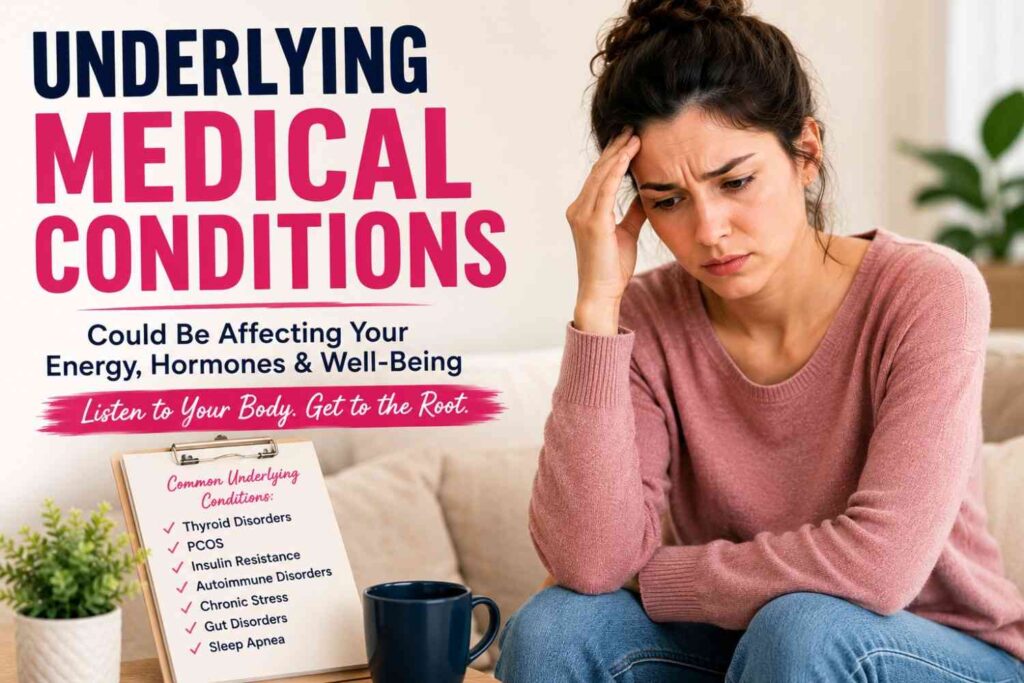
Several medical conditions beyond PCOS and thyroid dysfunction can cause irregular periods, and some of them are important to identify sooner rather than later. Endometriosis, uterine fibroids, and uterine polyps are among the most common gynecological conditions that disrupt cycle regularity. Celiac disease, when undiagnosed, causes widespread nutritional malabsorption that can affect hormone levels and menstrual regularity. Diabetes and insulin resistance affect hormone balance in ways that can cause irregular periods, particularly in women who also have PCOS.
If your irregular periods are accompanied by pelvic pain, unusually heavy bleeding, bleeding between periods, or pain during sex, these are signs that an underlying structural or medical issue may be involved and deserves prompt evaluation by a gynecologist.
10. Medications and Supplements

Certain medications and supplements can interfere with the hormonal pathways that regulate your cycle and cause irregular periods as a side effect. Antidepressants, antipsychotics, corticosteroids, and some blood pressure medications are among the most commonly implicated prescription drugs. Chemotherapy and radiation therapy almost always affect cycle regularity. Even some supplements, particularly those that affect estrogen metabolism like high-dose soy isoflavones or certain herbal products marketed for hormonal balance, can disrupt your cycle if used incorrectly.
If your irregular periods started around the same time you began a new medication or supplement, review the side effect profile and bring it up with your prescribing doctor. In many cases, an alternative medication with less impact on hormone levels is available.
When Should You See a Doctor About Irregular Periods?
Occasional cycle variation of a few days is completely normal and not a cause for concern. But there are situations where irregular periods warrant a medical evaluation rather than a wait and see approach.
See your doctor if your periods have been irregular for three or more consecutive cycles, if you are skipping periods entirely and are not pregnant, if your bleeding is significantly heavier or lighter than your normal, if you are experiencing pelvic pain or pain during sex alongside irregular periods, or if you are trying to conceive and cycle irregularity is affecting ovulation timing.
Most causes of irregular periods are very treatable once properly identified. Your cycle is one of your body’s most reliable health indicators, and when it changes, paying attention is always the right call.