
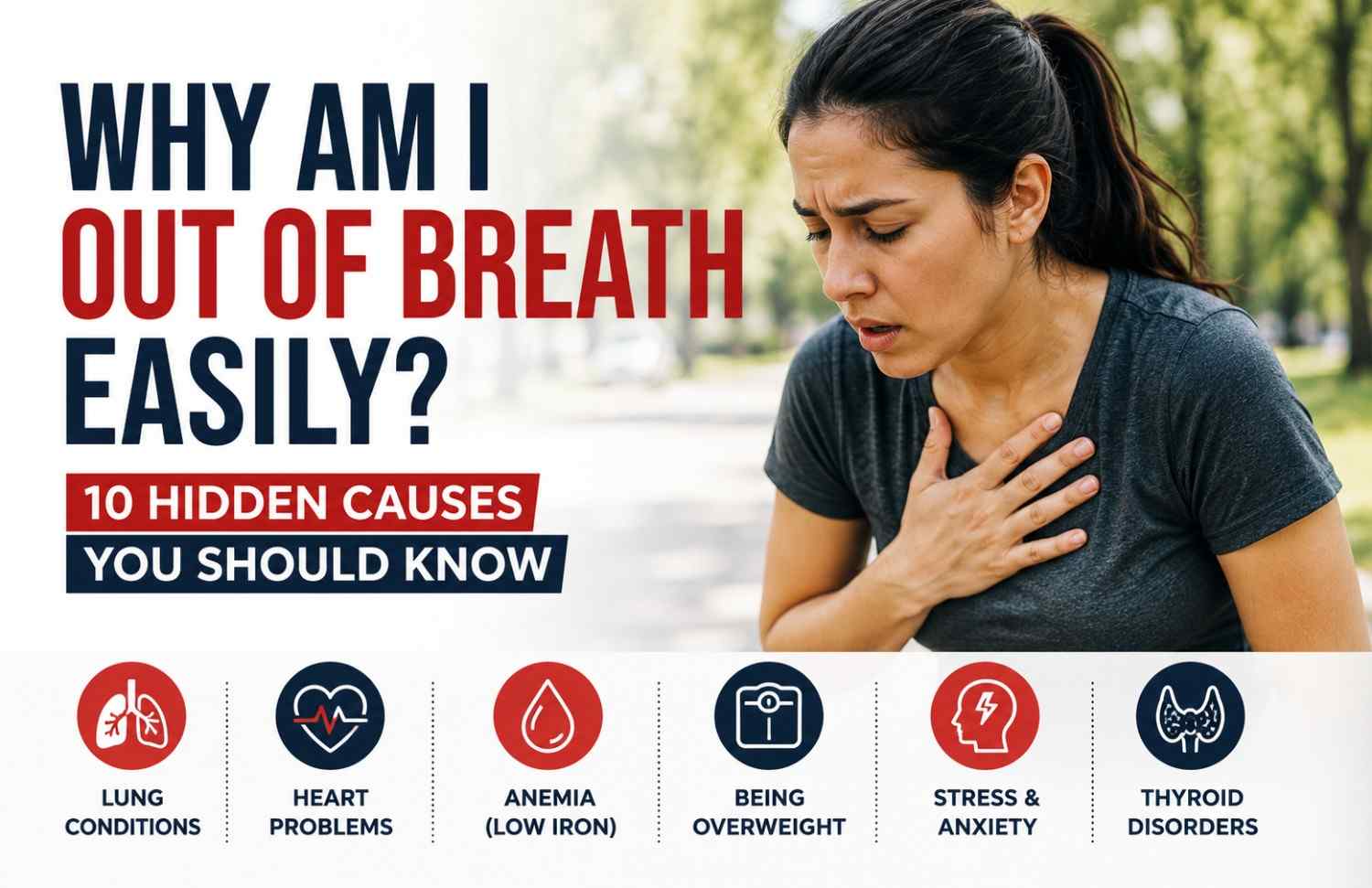
You walked up a flight of stairs and had to stop at the top to catch your breath. You carried groceries from the car and felt winded before you made it to the kitchen. Maybe you used to walk a mile without thinking twice and now a brisk ten-minute walk leaves you gasping. If you are getting out of breath easily and it feels like something has changed, you are right to pay attention.
Getting out of breath easily is one of those symptoms that people brush off for months or even years before taking it seriously. Sometimes it is something simple and very fixable. Sometimes it is a sign of something that genuinely needs medical attention. Either way, understanding what is behind it is always worth the effort.
Here are ten of the most common hidden reasons you are out of breath easily and what each one means for your health.
1. You Are More Out of Shape Than You Realize
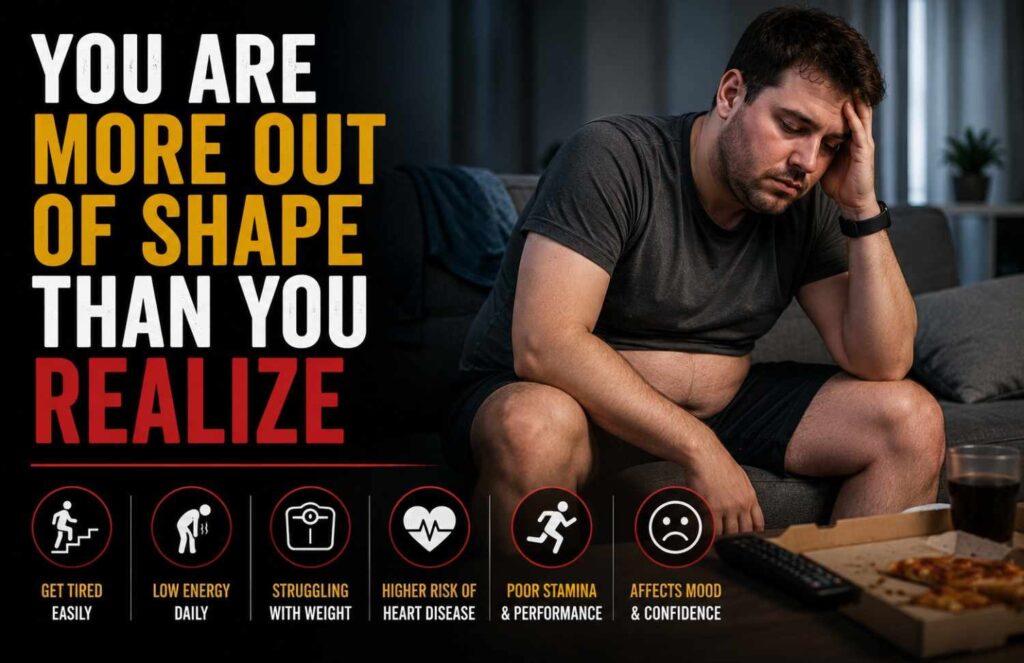
This is the most common reason people find themselves out of breath easily, and it is also the one most people are reluctant to consider. Cardiovascular fitness declines faster than most people expect when physical activity drops off. If you have been sedentary for several months or years, your heart and lungs have adapted to doing very little work, and even modest exertion pushes them close to their limit.
The encouraging news is that this type of breathlessness responds quickly to consistent exercise. Your cardiovascular system is highly adaptable, and even moderate regular activity like brisk walking three to five times a week can produce noticeable improvements in your breathing capacity within four to six weeks. If getting out of breath easily has crept up on you alongside a more sedentary lifestyle, building back your fitness gradually is both the diagnosis and the treatment.
2. Asthma or Exercise-Induced Bronchoconstriction
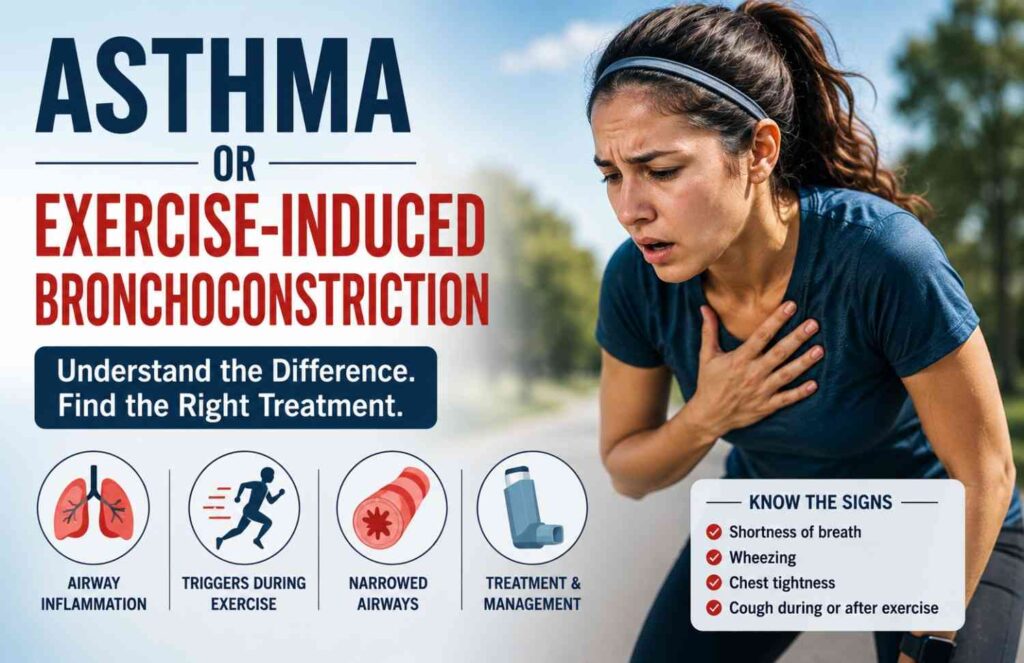
Asthma is not just a childhood condition. Many adults develop asthma for the first time in their 30s, 40s, and beyond, and adult-onset asthma is frequently underdiagnosed because people assume breathlessness has another explanation. In asthma, the airways become inflamed and narrowed, making it harder for air to move in and out of the lungs efficiently. The result is getting out of breath easily, often accompanied by wheezing, chest tightness, or a persistent dry cough.
Exercise-induced bronchoconstriction is a related condition where physical activity specifically triggers airway narrowing and shortness of breath even in people who do not have classic asthma symptoms at rest. If you notice that you are out of breath easily specifically during or after exercise but feel fine otherwise, this is worth discussing with a doctor. Both conditions are very manageable with the right medication.
3. Anemia and Iron Deficiency
Iron deficiency anemia is one of the most common nutritional causes of getting out of breath easily, and it is significantly more common than most people realize. Iron is essential for producing hemoglobin, the protein in your red blood cells that carries oxygen from your lungs to every tissue in your body. When iron levels are low, your blood carries less oxygen per heartbeat, and your heart and lungs have to work harder to meet your body’s oxygen demands.
The result is that even light activity can leave you out of breath easily because your cardiovascular system is working at a disadvantage before you even start moving. Other symptoms of iron deficiency anemia include persistent fatigue, pale skin, cold hands and feet, headaches, and dizziness. Women of reproductive age, vegetarians, vegans, and frequent blood donors are at highest risk.
A simple blood test checking hemoglobin, ferritin, and serum iron can confirm anemia. Iron supplementation and dietary changes typically produce meaningful improvement in breathlessness within four to eight weeks.
4. Heart Disease and Reduced Cardiac Function
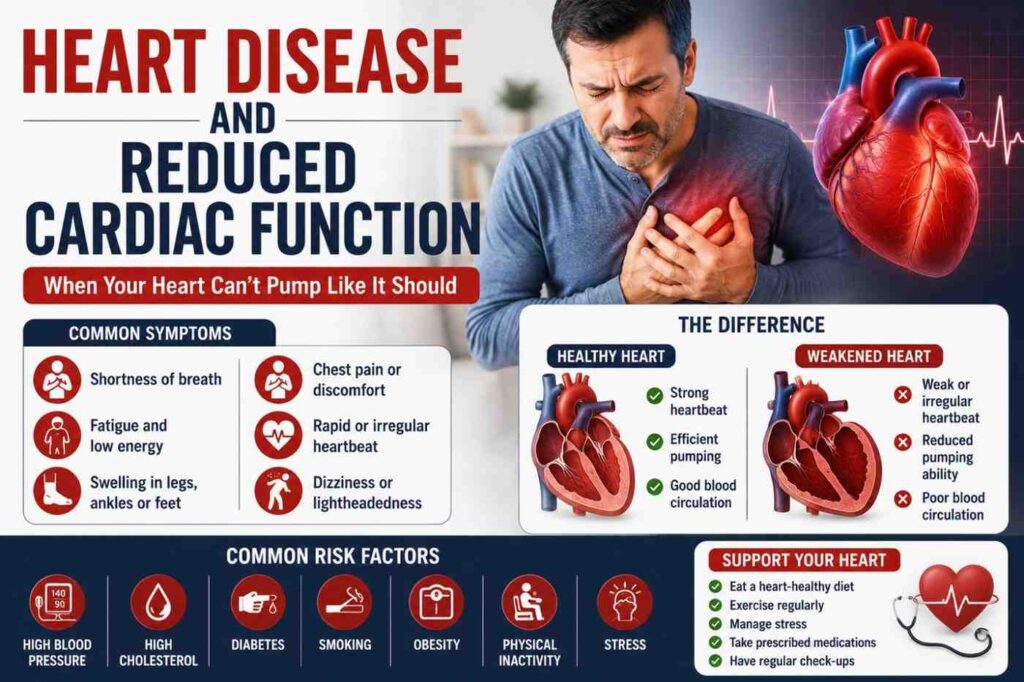
Getting out of breath easily can be one of the earliest warning signs of an underlying heart condition, and this is the reason why new or worsening breathlessness should never be casually ignored. When your heart is not pumping blood as efficiently as it should, whether from coronary artery disease, heart failure, valve problems, or an arrhythmia, your body’s tissues do not receive adequate oxygen during activity. Your breathing rate increases to try to compensate, and you end up out of breath easily even during activities that never bothered you before.
Heart-related breathlessness often comes with other symptoms like swelling in the ankles or legs, waking up at night struggling to breathe, chest discomfort or pressure during activity, or an irregular heartbeat. If you are out of breath easily and any of these other symptoms are present, seeing a doctor promptly rather than waiting is the right call.
5. COPD and Chronic Lung Disease
Chronic obstructive pulmonary disease, commonly called COPD, is one of the leading causes of breathlessness in American adults and is significantly underdiagnosed, particularly in its early stages. COPD is an umbrella term covering conditions like emphysema and chronic bronchitis that cause progressive damage to the airways and air sacs in the lungs, making it increasingly difficult to move air in and out efficiently.
The hallmark of COPD is getting out of breath easily during activities that previously caused no difficulty, combined with a chronic cough that produces mucus and frequent respiratory infections. Smoking is the most common cause of COPD, but long-term exposure to air pollution, chemical fumes, or dust can also cause it in non-smokers.
If you are a current or former smoker and you are out of breath easily, COPD should be evaluated. A simple breathing test called spirometry can diagnose it, and while COPD is not reversible, its progression can be significantly slowed with treatment and lifestyle changes.
6. Obesity and Excess Body Weight
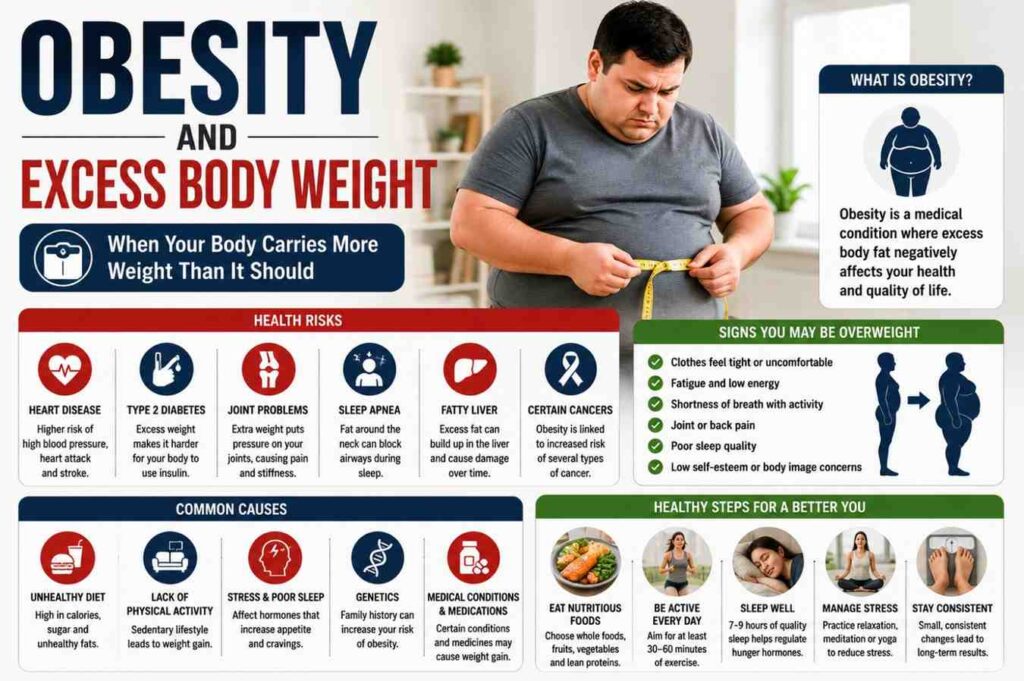
Carrying significant excess body weight affects breathing in multiple direct ways. Extra weight on the chest wall reduces lung expansion capacity. Abdominal fat pushes up against the diaphragm, limiting how fully the lungs can inflate with each breath. Obesity also increases the body’s overall oxygen demands because more tissue needs to be supplied with blood and oxygen, which means the heart and lungs are working harder at every level of activity.
The combination of reduced lung capacity and increased oxygen demand means that people carrying significant excess weight are out of breath easily during activities that a lighter person would handle without difficulty. Obesity is also strongly associated with sleep apnea, which further compounds daytime breathing challenges and fatigue.
Even modest weight loss of five to ten percent of body weight can produce meaningful improvements in breathing capacity and exercise tolerance in people for whom weight is a contributing factor.
7. Anxiety and Panic Disorder
The connection between anxiety and breathlessness is direct and physiological, not imaginary. When anxiety activates your fight-or-flight response, your breathing pattern changes. You breathe faster and more shallowly, which can cause you to exhale too much carbon dioxide. Low carbon dioxide levels cause the blood vessels that supply your brain to constrict, which produces dizziness, tingling in the hands, chest tightness, and a sensation of not being able to get enough air.
People with anxiety or panic disorder frequently feel out of breath easily, particularly in stressful situations, crowded spaces, or during physical exertion. The breathlessness itself can trigger more anxiety, which worsens the breathing pattern and creates a cycle that feels very alarming even though it is not dangerous.
If your breathlessness comes on suddenly, is associated with racing thoughts, a sense of dread, or heart palpitations, and resolves completely on its own within minutes, anxiety-related breathing dysfunction is a strong possibility worth discussing with a mental health professional or your doctor.
8. Deconditioning After Illness
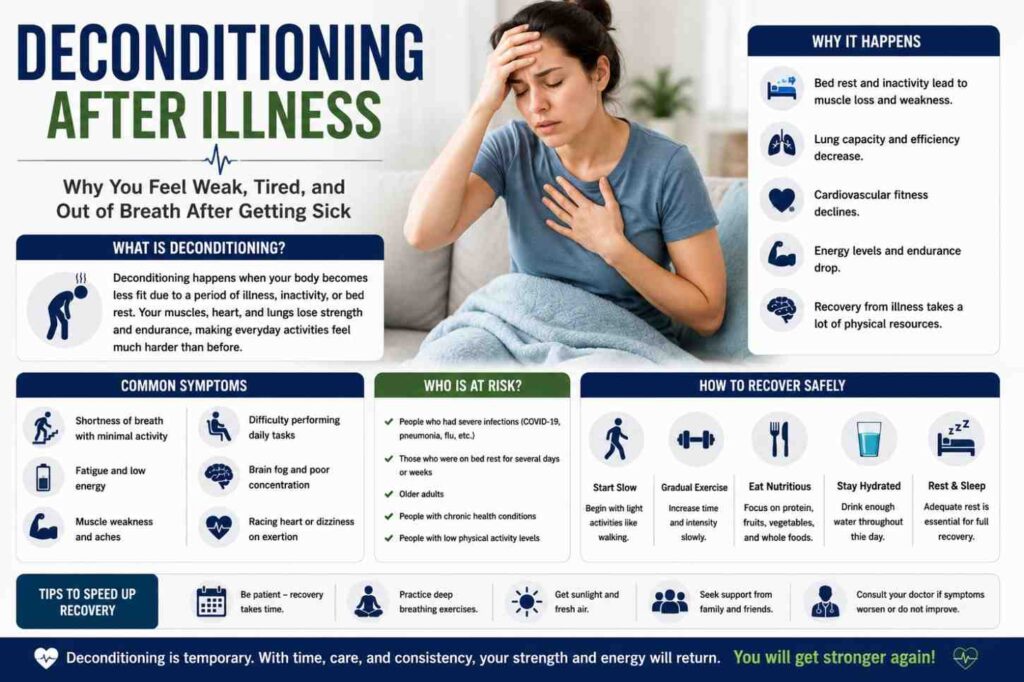
Many people notice they are out of breath easily following a period of illness, hospitalization, or extended bed rest and are surprised by how dramatically their stamina has dropped. This is called deconditioning, and it happens because your cardiovascular and musculoskeletal systems adapt very quickly to inactivity by becoming less efficient.
Even two weeks of bed rest can cause significant deconditioning in otherwise healthy adults. Following COVID-19 specifically, many people report persistent breathlessness and reduced exercise tolerance that can last for months, a phenomenon associated with post-acute COVID syndrome. Following any significant illness that kept you inactive for a week or more, some degree of breathlessness with exertion is expected and normal during recovery.
The path back is gradual, consistent, and progressive activity. Pushing too hard too fast after illness can worsen symptoms, while doing nothing prolongs the deconditioning. A structured return to activity, sometimes guided by a physical therapist, is the most effective approach.
9. Acid Reflux and GERD
This one surprises most people, but acid reflux is a recognized and fairly common cause of getting out of breath easily. When stomach acid refluxes up into the esophagus and occasionally into the airway, it can cause irritation and micro-aspiration that triggers bronchospasm, which is a sudden narrowing of the airways. This produces a sensation of breathlessness that feels very similar to asthma.
Reflux-related breathlessness is often worse after meals, when lying down, or when bending over. It may be accompanied by a sour taste in the mouth, chronic throat clearing, hoarseness, or a persistent cough. Many people with GERD-related breathing difficulties do not have obvious heartburn, which is why the connection between their reflux and their breathlessness is missed.
If you are out of breath easily and notice that it tends to happen more after eating or in certain positions, GERD is worth investigating with your doctor.
10. Thyroid Problems and Hormonal Imbalances
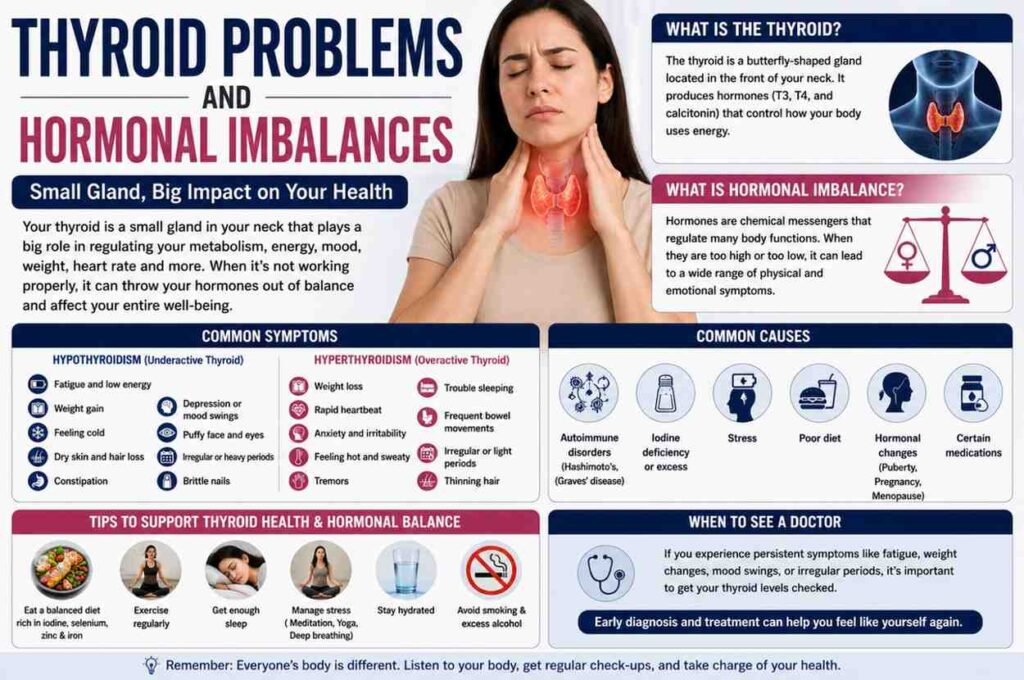
Both an overactive and underactive thyroid can cause breathlessness, through different mechanisms. Hyperthyroidism speeds up metabolism and increases the body’s oxygen demands, which can cause a racing heart and getting out of breath easily even at rest. Hypothyroidism can weaken the respiratory muscles and cause fluid retention around the lungs, both of which impair breathing capacity and make physical exertion more difficult.
Beyond the thyroid, other hormonal changes including those associated with pregnancy, menopause, and adrenal dysfunction can affect breathing patterns and exercise tolerance. If your breathlessness developed alongside other symptoms that suggest a hormonal change, thyroid function tests and a broader hormonal evaluation can help identify whether this is a contributing factor.
When Should You See a Doctor?
Some breathlessness with intense exercise is completely normal. But there are clear situations where getting out of breath easily warrants prompt medical attention rather than a wait and see approach.
See a doctor if your breathlessness came on suddenly without an obvious cause, if it is getting progressively worse over weeks or months, if it wakes you up at night, if it is accompanied by chest pain or pressure, if your lips or fingernails look bluish, or if you are out of breath easily at rest doing nothing at all. These signs suggest a cardiac or pulmonary cause that needs evaluation sooner rather than later.
For most people though, getting out of breath easily has an identifiable and treatable cause. Start with the most common explanations, be honest with yourself about your fitness level and lifestyle, and let your doctor help you rule out anything more serious if simple changes do not produce improvement.