
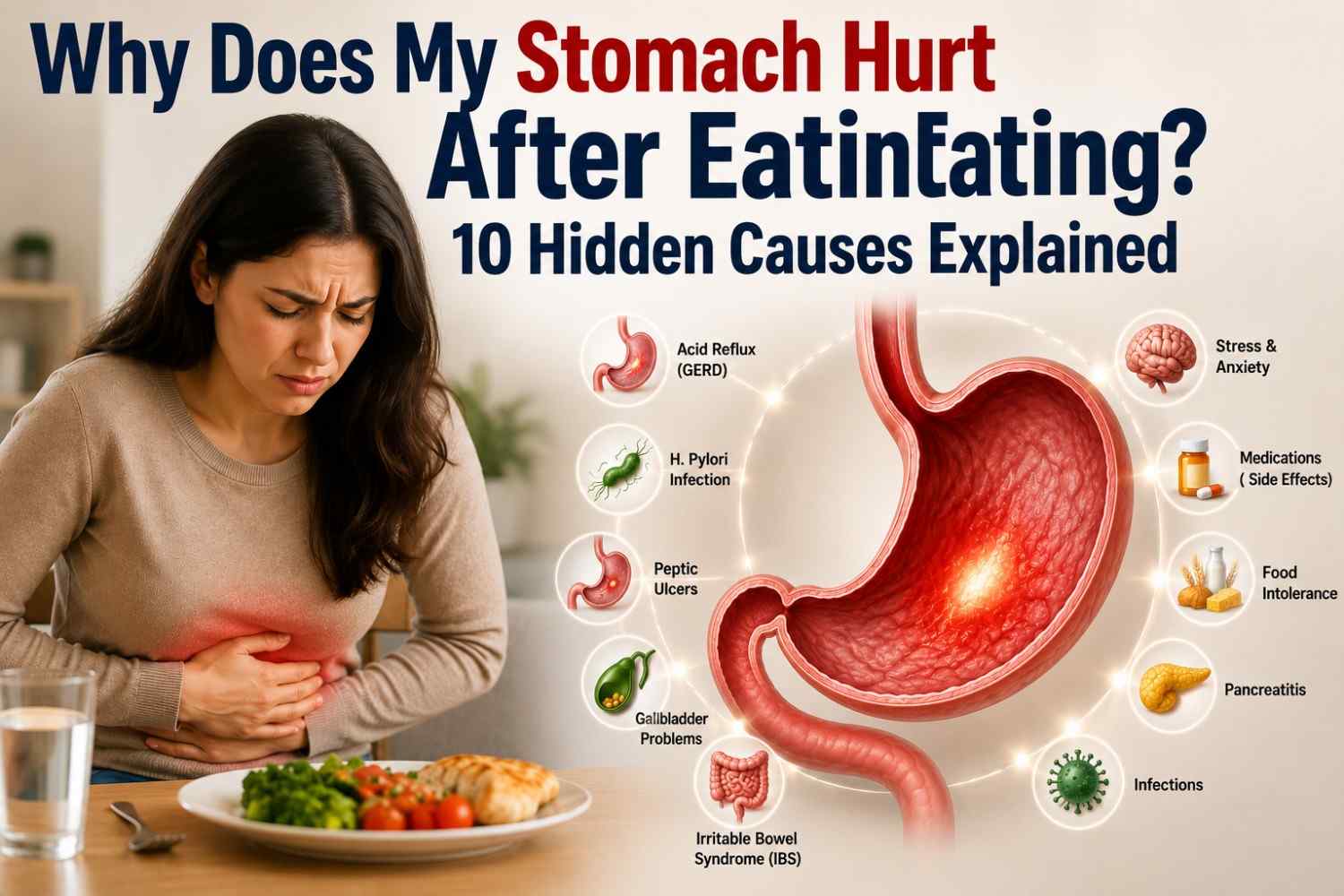
You sit down for a meal, eat what seems like a normal amount of food, and within minutes your stomach starts to ache. Maybe it is a sharp pain, maybe a dull cramping, maybe a burning sensation that radiates upward into your chest. If your stomach hurts after eating regularly and it has become something you dread rather than just an occasional inconvenience, something specific is causing it.
A stomach that hurts after eating is one of the most common digestive complaints in the United States, and it has a wide range of possible causes that span from simple dietary triggers to medical conditions that respond very well to treatment once properly identified. Understanding which category your pain falls into is what makes it possible to actually find relief rather than just managing symptoms indefinitely.
Here are ten of the most common hidden causes of a stomach that hurts after eating and what each one means for your digestive health.
1. Acid Reflux and GERD
Acid reflux is one of the most common reasons a stomach hurts after eating, and it affects tens of millions of Americans on a regular basis. When the lower esophageal sphincter, the muscular valve between the esophagus and stomach, does not close properly after food passes through, stomach acid flows back upward into the esophagus and sometimes into the throat. The burning, gnawing pain this causes in the upper stomach and chest is one of the most recognizable reasons stomach hurts after eating, particularly after large meals, fatty or spicy foods, alcohol, or lying down shortly after eating.
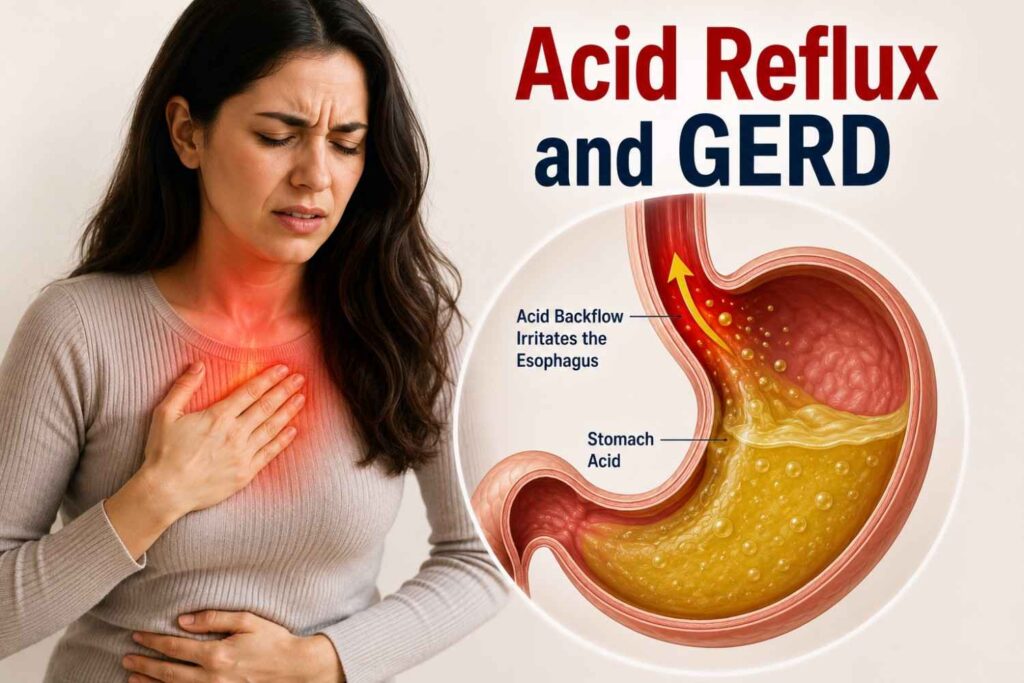
Gastroesophageal reflux disease is the chronic form of acid reflux that occurs more than twice a week and can cause progressive damage to the esophageal lining if left unmanaged. Common triggers include overeating, eating too quickly, citrus fruits, tomatoes, coffee, alcohol, and chocolate. Lifestyle modifications including eating smaller meals, avoiding lying down for two to three hours after eating, elevating the head of the bed, and losing excess weight if applicable are the foundation of management alongside medications when needed.
2. Food Intolerances
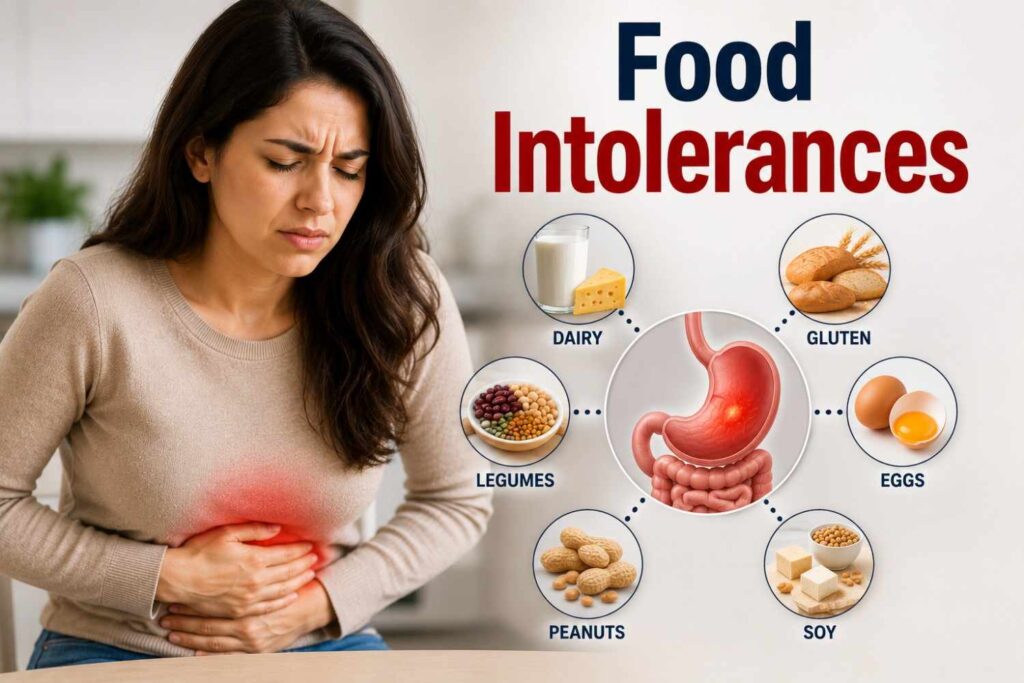
Unidentified food intolerances are one of the most common and most frequently overlooked reasons stomach hurts after eating, and the symptoms can take 30 minutes to several hours to appear after consuming the trigger food, which makes identifying the connection genuinely difficult without careful tracking. Lactose intolerance, where the body lacks sufficient lactase enzyme to digest the sugar in dairy products, is among the most prevalent, affecting an estimated 36 percent of Americans. Gluten intolerance and non-celiac gluten sensitivity affect a significant portion of the population and can cause abdominal pain, cramping, and bloating that make the stomach hurt after eating any food containing wheat, barley, or rye.
Fructose malabsorption, sensitivity to high-FODMAP foods like onions, garlic, apples, and legumes, and reactions to food additives and preservatives are all additional causes of post-meal stomach pain that are less commonly recognized but genuinely prevalent. Keeping a detailed food and symptom diary for two to three weeks is the most practical way to begin identifying patterns, and an elimination diet under the guidance of a registered dietitian is the most reliable way to confirm specific intolerances.
3. Irritable Bowel Syndrome
Irritable bowel syndrome is a functional digestive disorder that affects an estimated 10 to 15 percent of American adults and is one of the most common explanations for a stomach hurts after eating on a regular basis. In IBS, the digestive tract is structurally normal but functions abnormally, with the gut being hypersensitive to normal amounts of food, gas, and movement. Eating triggers exaggerated contractions in the intestinal muscles that produce cramping, pain, and urgency that can be immediate or develop over the hour or two following a meal.
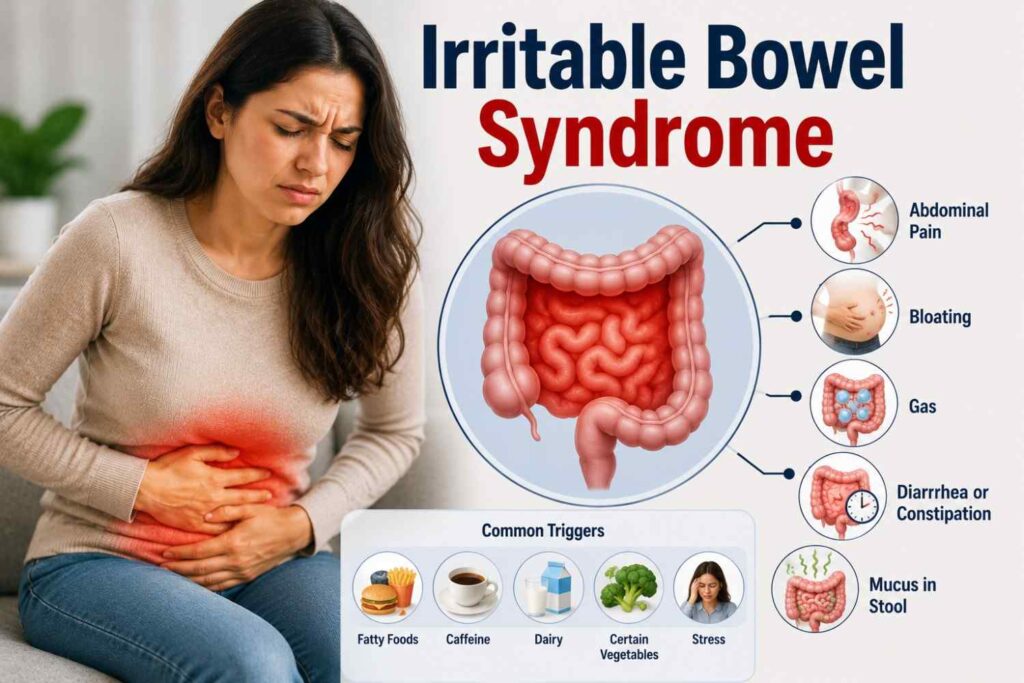
The pain of IBS is typically in the lower abdomen rather than the upper stomach and is often accompanied by a change in bowel habits, alternating between constipation and diarrhea, bloating, and a sensation of incomplete bowel emptying. Stress, certain foods particularly those high in FODMAPs, caffeine, and alcohol all commonly trigger or worsen IBS symptoms. Management involves a combination of dietary modifications, stress management, and in some cases medications that target gut motility or sensitivity.
4. Gastritis
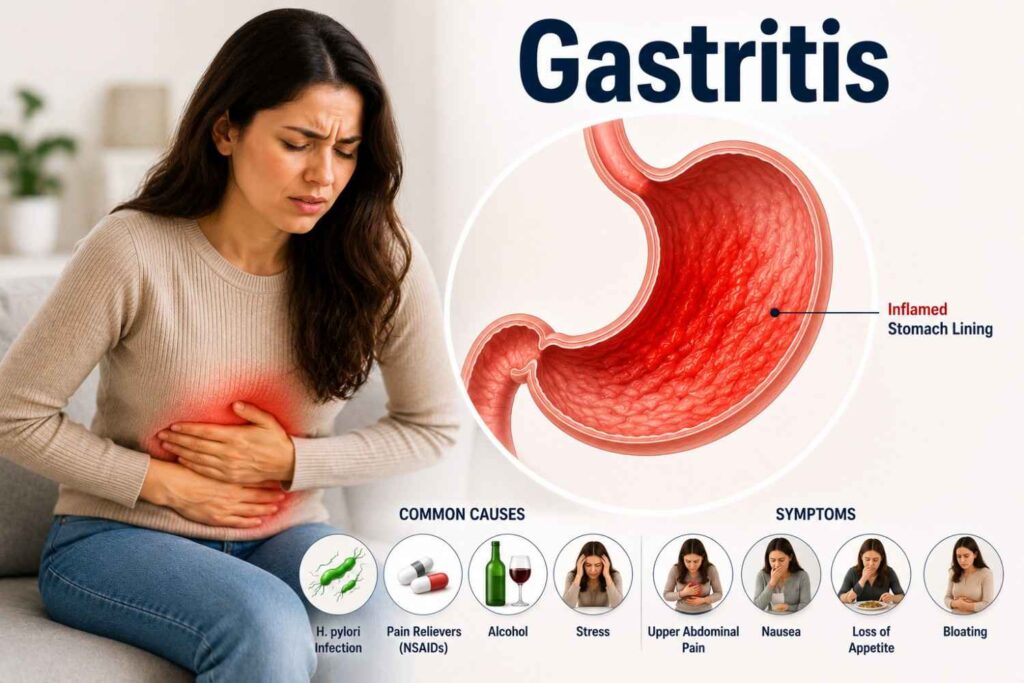
Gastritis is an inflammation of the stomach lining that directly causes a stomach that hurts after eating, typically producing a burning, gnawing, or aching pain in the upper abdomen that can begin during or shortly after meals. Gastritis can be acute, coming on suddenly from a specific trigger, or chronic, developing gradually over time. The most common causes of gastritis include H. pylori bacterial infection, long-term use of nonsteroidal anti-inflammatory drugs like ibuprofen and aspirin, excessive alcohol consumption, and in some cases autoimmune conditions where the immune system attacks the stomach lining.
When the stomach lining is inflamed, it is less able to protect itself from the acid it produces, and eating food, which stimulates acid production, can directly worsen the inflammation and pain. People with gastritis often notice that their stomach hurts after eating more acidic, spicy, or fatty foods and that bland foods are better tolerated. Diagnosis typically involves endoscopy, and treatment depends on the underlying cause, ranging from H. pylori eradication with antibiotics to stopping the offending medication to acid-suppressing medications.
5. Peptic Ulcers
Peptic ulcers are open sores in the stomach lining or the first section of the small intestine, and they are a significant structural cause of stomach hurts after eating. The pain from a peptic ulcer is classically described as a burning or gnawing sensation in the upper abdomen, and its relationship to eating depends on the ulcer’s location. Stomach ulcers typically cause pain that worsens with eating as food stimulates acid production that aggravates the raw tissue. Duodenal ulcers, which are in the upper small intestine, more commonly cause pain that is relieved briefly by eating and then returns two to three hours later as the food moves on and acid is no longer buffered.
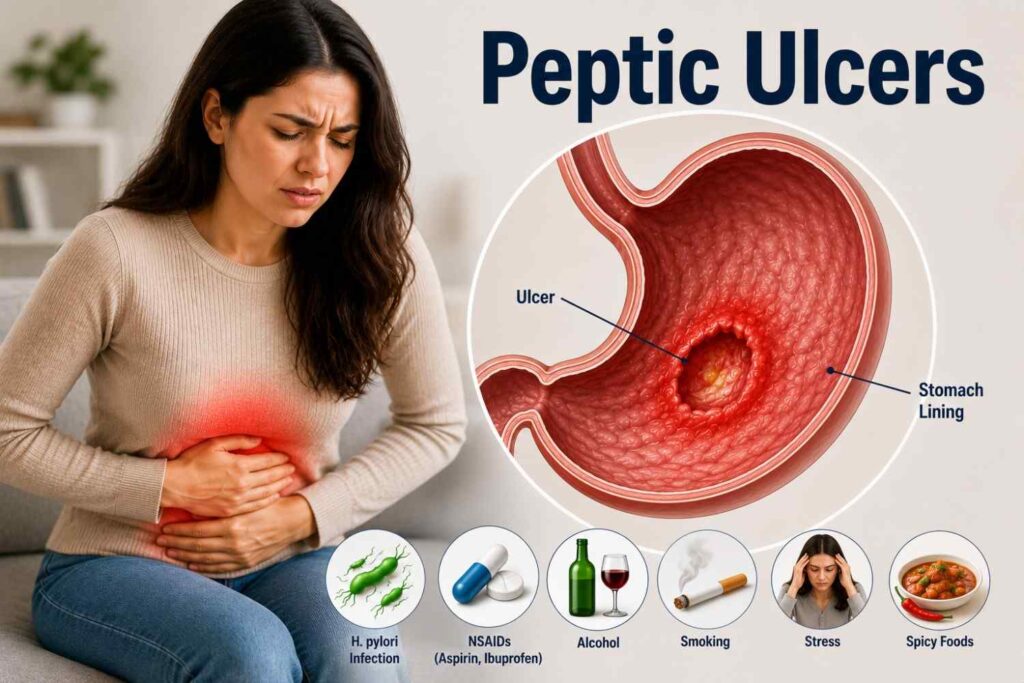
H. pylori infection and long-term NSAID use are the two most common causes of peptic ulcers in the United States. Untreated ulcers can bleed, perforate, or obstruct the digestive tract, making proper diagnosis and treatment important rather than simply managing the pain. A breath test, blood test, or endoscopy can diagnose both the ulcer and any H. pylori infection, and treatment with antibiotics and acid suppression typically heals ulcers within four to eight weeks.
6. Gallbladder Problems
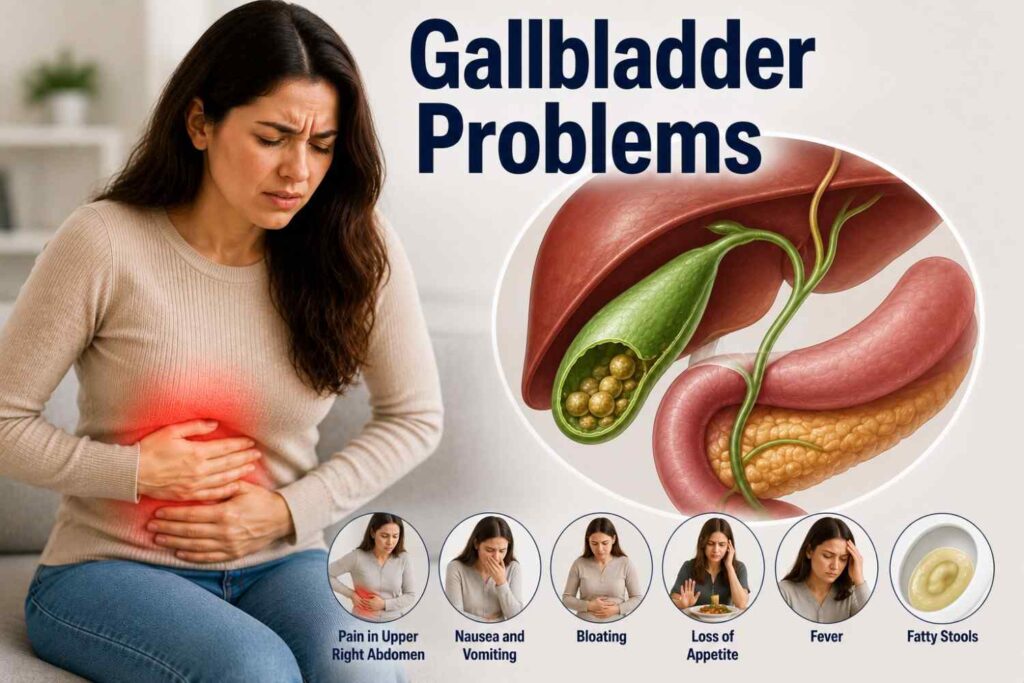
The gallbladder stores bile, a digestive fluid produced by the liver, and releases it into the small intestine after eating to help digest fats. When the gallbladder develops gallstones or becomes inflamed, a condition called cholecystitis, eating particularly fatty meals triggers its contraction and produces significant pain. Gallbladder-related stomach hurts after eating is typically felt in the upper right abdomen and may radiate to the right shoulder or between the shoulder blades. It often begins 30 minutes to an hour after eating and can last for several hours.
Gallstones affect an estimated 10 to 15 percent of American adults and are significantly more common in women, people over 40, those with obesity, and individuals who have lost weight rapidly. The pain episodes, called biliary colic, can range from mild to severe enough to require emergency care. Ultrasound is the standard diagnostic tool for identifying gallstones. Surgical removal of the gallbladder is the definitive treatment for symptomatic gallstones and is one of the most commonly performed surgical procedures in the United States.
7. Pancreatitis
Pancreatitis is an inflammation of the pancreas that can cause severe upper abdominal pain that begins shortly after eating and is one of the more serious causes of stomach hurts after eating. The pancreas produces digestive enzymes that are released into the small intestine when food arrives, and when the pancreas is inflamed, this process becomes painful. The pain of pancreatitis is typically felt in the upper abdomen and often radiates through to the back, which is a distinctive feature that helps distinguish it from other causes of post-meal pain.
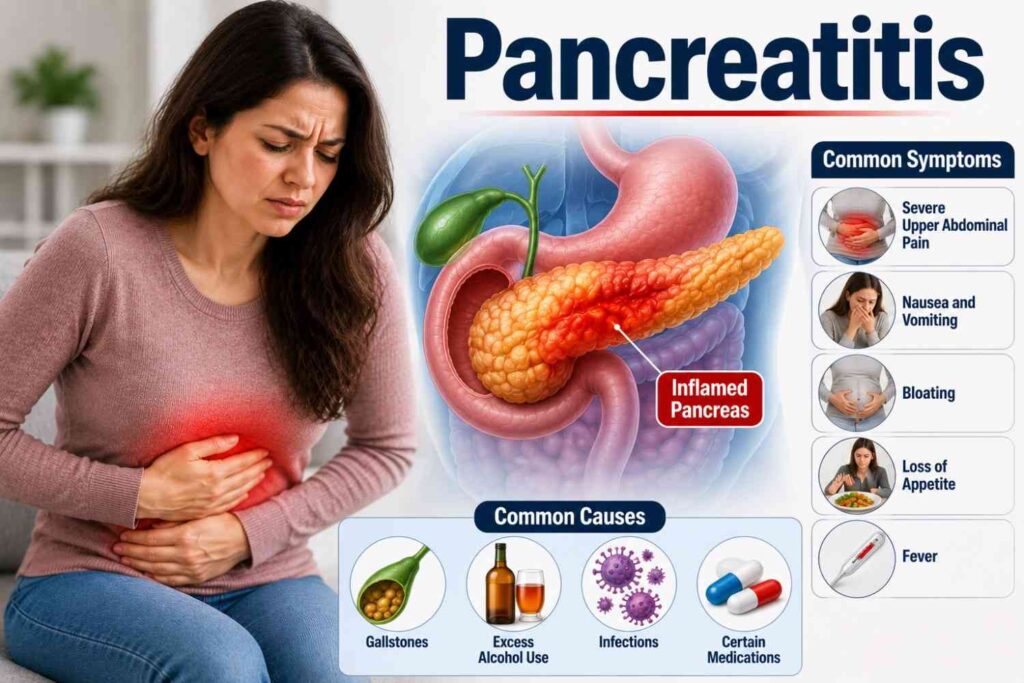
Acute pancreatitis comes on suddenly and is most commonly caused by gallstones or heavy alcohol consumption. Chronic pancreatitis develops gradually, often in people with a long history of heavy drinking or recurrent acute episodes, and produces ongoing stomach hurts after eating alongside malabsorption of nutrients. Pancreatitis is a medical condition that requires professional evaluation and management rather than home treatment, and severe acute pancreatitis is a medical emergency.
8. Celiac Disease
Celiac disease is an autoimmune condition where eating gluten triggers an immune response that damages the lining of the small intestine, and stomach hurts after eating is one of the most commonly missed symptoms in the United States. It is estimated that up to 83 percent of Americans with celiac disease have not been diagnosed, many of whom have been managing their symptoms as IBS or food sensitivity for years without knowing the true cause.
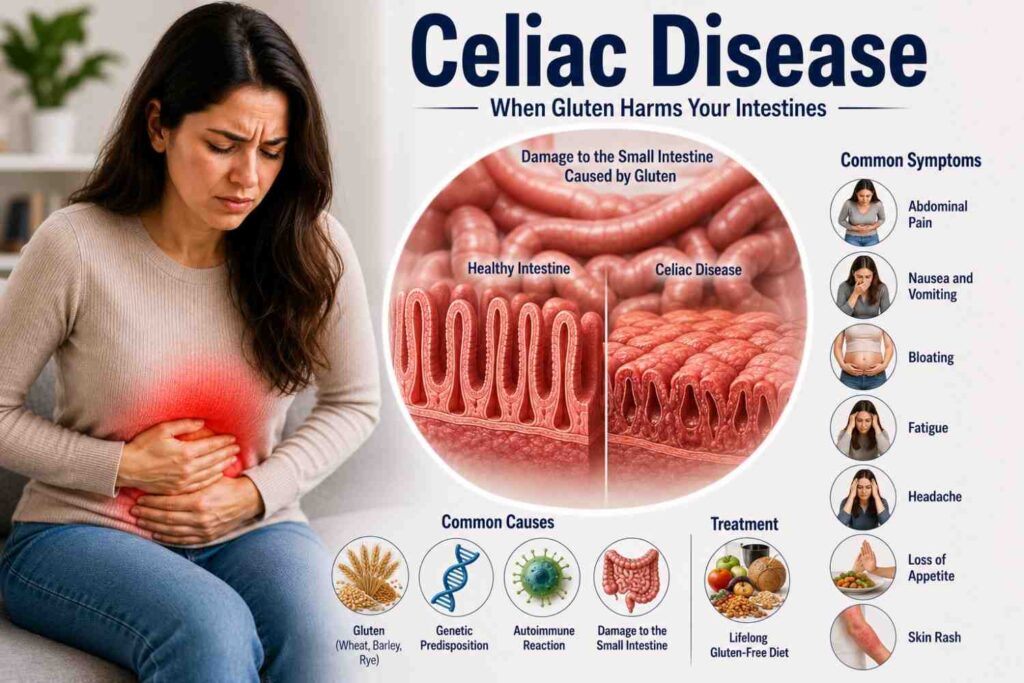
The abdominal pain, cramping, and bloating that celiac disease produces after eating gluten-containing foods can range from mild to severe, and some people experience additional symptoms including diarrhea, fatigue, brain fog, and skin rashes. The damage to the small intestinal lining in celiac disease also causes malabsorption of nutrients that produces fatigue, anemia, and nutritional deficiencies over time.
A blood test checking for specific celiac antibodies followed by an intestinal biopsy if the blood test is positive is the standard diagnostic pathway. A strict lifelong gluten-free diet is the only effective treatment, and most people experience significant improvement in digestive symptoms within weeks of eliminating gluten.
9. Eating Too Fast
This is one of the simplest and most correctable reasons stomach hurts after eating, and it is something a significant portion of Americans do without realizing the digestive consequences. When you eat very quickly, you swallow air alongside your food, which causes gas and bloating that contributes directly to post-meal stomach pain. Eating fast also means food arrives in the stomach in larger, less chewed pieces that are harder for digestive enzymes to break down efficiently, and the stomach has to work harder and produce more acid to compensate, which can cause pain and discomfort.
Eating quickly also bypasses the normal satiety signaling that occurs when the brain registers what and how much has been eaten, often leading to overeating, which further distends the stomach and causes pain. The 20-minute lag between stomach fullness and brain recognition of that fullness means that fast eaters often consume significantly more than their stomach comfortably accommodates before realizing they are full.
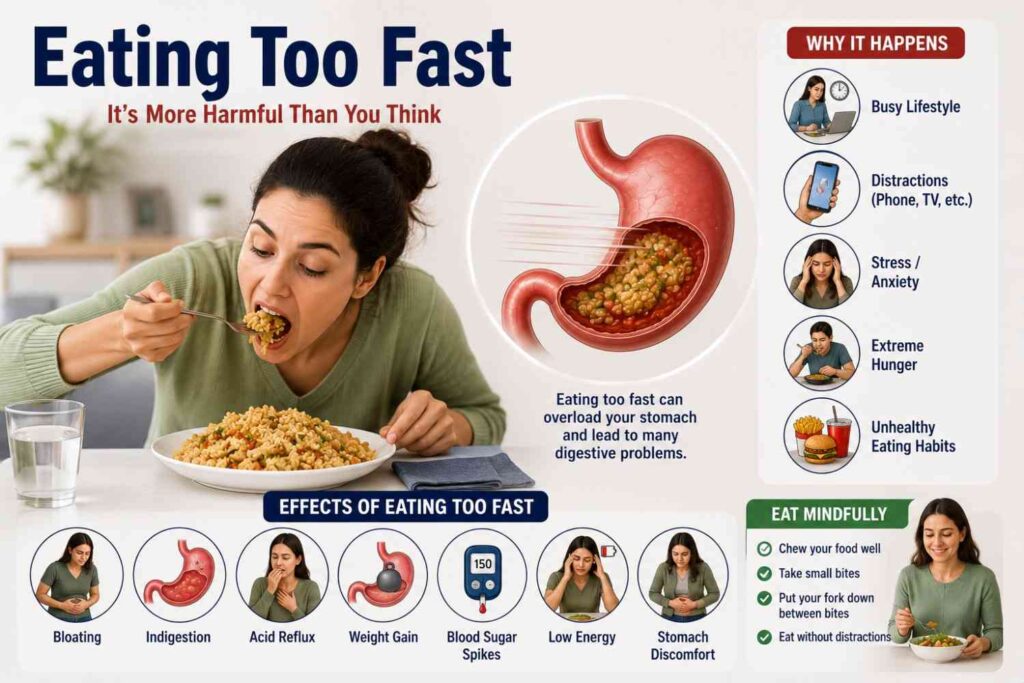
Slowing down at mealtimes, chewing each bite thoroughly, putting utensils down between bites, and eating away from screens are all practical habits that reduce the gas, distension, and stomach pain that come with eating too quickly.
10. Stress and the Gut-Brain Connection
The gut-brain axis is the communication network between the digestive system and the brain, and it explains why psychological stress can directly cause stomach hurts after eating even when nothing is structurally wrong with the digestive tract. When you eat while stressed, anxious, or emotionally distressed, the fight-or-flight state your nervous system is in reduces blood flow to the digestive system, slows gastric emptying, increases gut sensitivity, and alters the contractions that move food through the intestines. All of these changes can produce real physical pain after eating that is just as uncomfortable as pain from a structural cause.
Many people notice that their stomach hurts after eating far more frequently during periods of high stress, relationship conflict, work pressure, or anxiety, and that the pain diminishes when things settle down. This pattern, particularly when it is consistent and when no other medical cause has been identified, strongly suggests that the gut-brain axis is a primary driver.
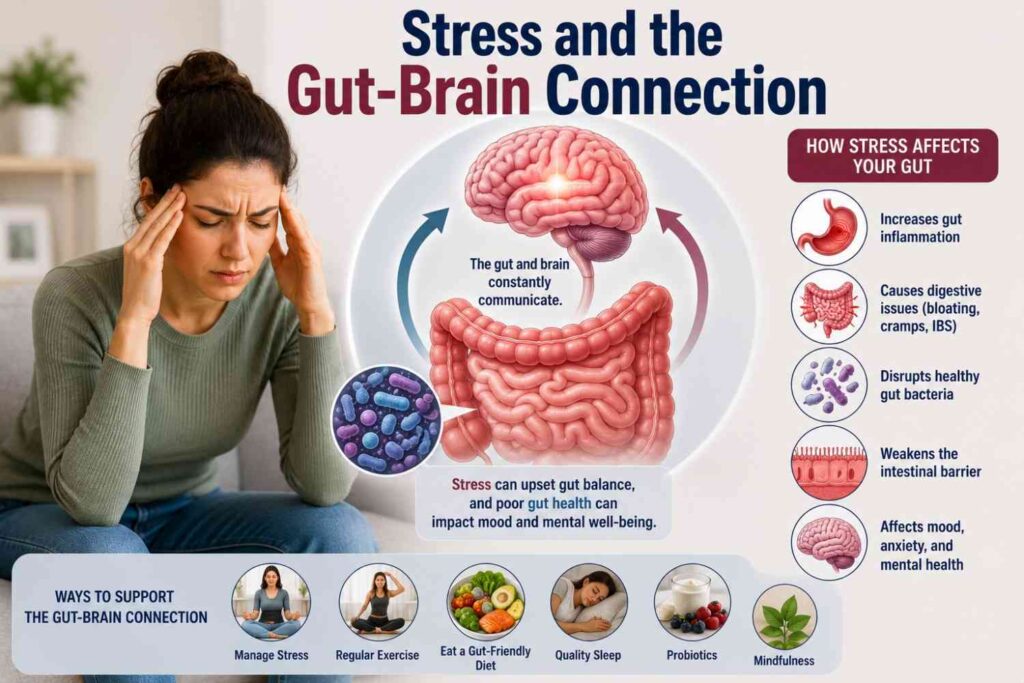
Addressing stress and anxiety through therapy, regular exercise, adequate sleep, and stress management practices reduces the nervous system activation that disrupts digestive function and can meaningfully improve post-meal stomach pain without any dietary change at all.
When to See a Doctor About Post-Meal Stomach Pain
Occasional mild stomach discomfort after an unusually large or rich meal is normal and not a cause for concern. But certain patterns of stomach hurts after eating warrant medical evaluation rather than continued self-management.
See a doctor if your stomach hurts after eating every single meal without exception, if the pain is severe or getting progressively worse, if it is accompanied by unintentional weight loss, blood in your stool or vomit, persistent nausea or vomiting, jaundice, or fever. These accompanying symptoms can indicate serious conditions that benefit from early identification and treatment.
For most people though, stomach hurts after eating has an identifiable and very treatable cause. Getting the right evaluation is the most direct path to eating without pain.