

You snap awake at 3am and your heart is pounding like you just sprinted up a flight of stairs. Or maybe it happens right when your alarm goes off, that jarring transition from sleep to waking accompanied by a heart that is beating far too fast and too hard. If you wake up with a racing heart regularly, you already know how unsettling it feels to start your day or interrupt your night this way.
A racing heart upon waking, medically called nocturnal or morning tachycardia, is more common than most people realize and has a surprisingly wide range of causes. Some of them are completely harmless. Others point toward something that genuinely needs medical attention. Understanding which camp yours falls into starts with knowing the most common hidden causes.
Here are ten of the most common reasons you wake up with a racing heart and what each one means.
1. Sleep Apneaa
Sleep apnea is one of the most significant and most frequently missed medical causes of waking up with a racing heart. When your airway collapses during a sleep apnea episode and breathing stops, oxygen levels in the blood drop and carbon dioxide levels rise. Your brain responds to this as an emergency and triggers a stress response that releases adrenaline, raises blood pressure, and increases heart rate dramatically to compensate for the oxygen deficit. This is what jolts you awake with a pounding, racing heart that can take several minutes to settle.
People with untreated sleep apnea can experience dozens of these episodes every night without remembering most of them, but the cardiovascular stress they cause is cumulative and significant. Other signs of sleep apnea include loud snoring, waking up with a dry mouth or headache, feeling exhausted despite a full night of sleep, and a bed partner noticing you stop breathing momentarily during the night.
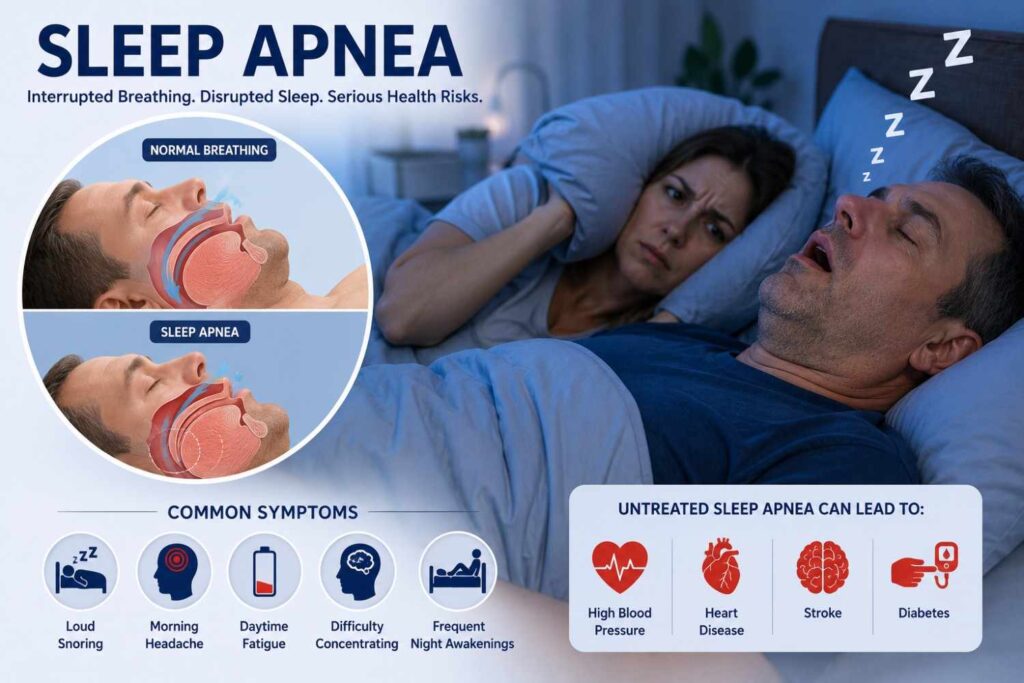
If you wake up with a racing heart and any of these other symptoms are familiar, sleep apnea should be evaluated with a sleep study. Treating it with a CPAP machine typically resolves the morning heart racing quickly and significantly reduces the cardiovascular strain that untreated apnea causes over time.
2. Anxiety and Stress
Anxiety is one of the most common reasons people wake up with a racing heart, and it operates through a direct physiological mechanism rather than simply being a psychological experience. When you are dealing with chronic stress or anxiety, your nervous system can remain in a heightened state of activation even during sleep. Cortisol levels naturally begin rising in the early morning hours to prepare your body for waking, and in people with anxiety or chronic stress, this cortisol surge can be exaggerated enough to trigger a racing heart before the alarm even goes off.
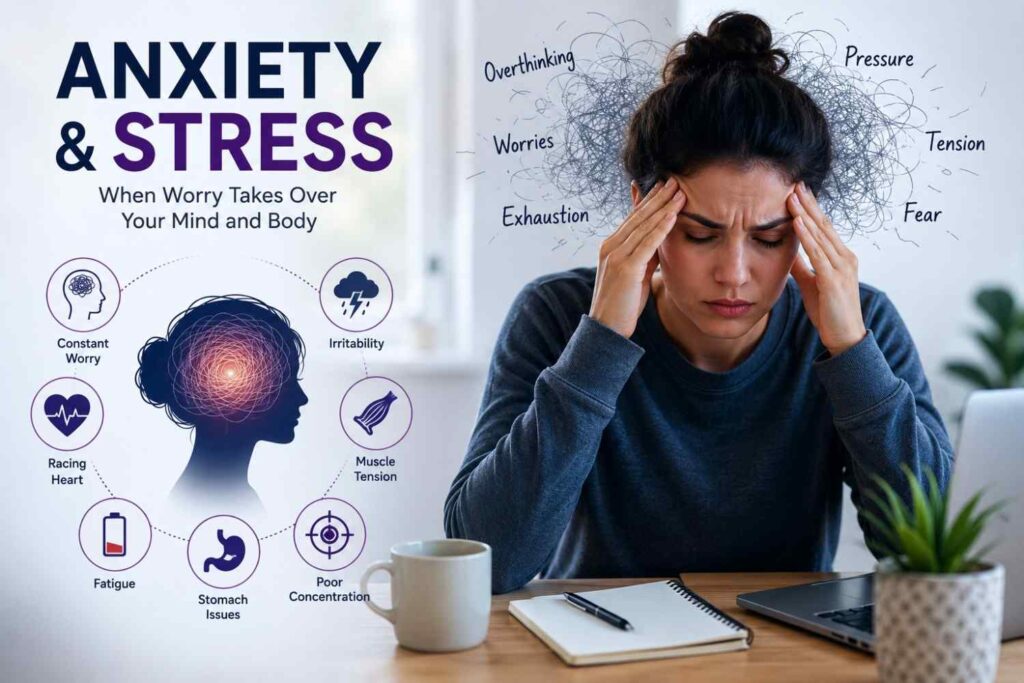
Anxiety-related morning heart racing is often accompanied by a sense of dread or unease, a racing mind, and difficulty settling back to calm even after fully waking. People frequently describe feeling anxious without knowing what they are anxious about, which is characteristic of the physiological anxiety response rather than worry about a specific problem.
Addressing the underlying anxiety through therapy, stress management practices, regular physical activity, and adequate sleep is more effective for anxiety-driven morning tachycardia than trying to manage the heart racing in isolation.
https://www.healthline.com/health/waking-up-with-heart-racing
3. Caffeine and Stimulants
Caffeine consumed later in the day than most people realize can still be affecting your cardiovascular system when you wake up in the morning. Caffeine has a half-life of approximately five to six hours in most adults, meaning that a cup of coffee at 3pm still has half its stimulant effect present in your system at 8pm or 9pm when you go to sleep. For people who are sensitive to caffeine or who consume it in large amounts, this residual stimulant effect can increase heart rate during sleep and contribute to waking up with a racing heart.

Energy drinks, certain teas, pre-workout supplements, and some medications including certain decongestants and weight loss products contain significant amounts of caffeine or other stimulants that can have the same effect. If you regularly wake up with a racing heart and your caffeine intake is high or timed late in the day, cutting off caffeine by noon and reducing overall consumption is one of the simplest interventions to try first.
4. Low Blood Sugar
Overnight hypoglycemia, where blood sugar drops too low during sleep, is a well-recognized cause of waking up with a racing heart. When blood glucose falls below the level needed to adequately fuel the brain, the body releases adrenaline and glucagon as emergency hormones to push blood sugar back up quickly. Adrenaline causes the heart to beat faster and harder as part of this emergency response, and it is often the racing heart that wakes the person rather than any conscious awareness of low blood sugar.
People with diabetes who take insulin or certain oral diabetes medications are at the highest risk for overnight hypoglycemia, but it can also occur in people without diabetes who eat very light dinners, fast for extended periods, or consume alcohol in the evening without adequate food. Alcohol suppresses the liver’s ability to release stored glucose overnight, which is one reason drinking without eating can lead to waking up with a racing heart in the early morning hours.
Eating a small protein and complex carbohydrate-containing snack before bed, such as a handful of nuts or a spoonful of nut butter on a whole grain cracker, can stabilize blood sugar through the night and prevent the adrenaline surge that produces morning heart racing.
Why Am I So Tired All the Time? 10 Common Causes Explained
5. Heart Arrhythmias
Heart arrhythmias, which are abnormal heart rhythms, are an important medical cause of waking up with a racing heart that deserves proper evaluation when it occurs persistently. Supraventricular tachycardia, or SVT, is a common arrhythmia where abnormal electrical pathways in the heart cause it to suddenly race at rates of 150 to 250 beats per minute, often starting and stopping abruptly. Atrial fibrillation, where the upper chambers of the heart quiver irregularly instead of contracting normally, can also cause episodes of fast and irregular heart beating that may occur during sleep and wake the person.

The racing heart from an arrhythmia typically feels different from anxiety or stimulant-related tachycardia. It often starts very suddenly, feels very rapid and sometimes irregular, and may be accompanied by dizziness, shortness of breath, or a fluttering sensation in the chest. It may also stop as abruptly as it started. If your morning racing heart has these characteristics, wearing a cardiac monitor or Holter monitor that records heart rhythm over 24 to 48 hours can capture an episode and allow your doctor to identify the specific arrhythmia involved.
Why Am I So Tired All the Time? 10 Common Causes Explained
6. Thyroid Problems
An overactive thyroid, known as hyperthyroidism, directly increases heart rate and causes the heart to work harder than normal as a consequence of the metabolic acceleration that excess thyroid hormone produces. People with hyperthyroidism commonly experience a persistent resting tachycardia, meaning their heart rate is elevated even at rest, and they frequently notice they wake up with a racing heart because the heart never fully slows to the rates that are normal during sleep.

Other signs of hyperthyroidism that often accompany the morning racing heart include unexplained weight loss despite a good appetite, feeling hot and sweating more than usual, hand tremors, difficulty sleeping, irritability, and increased frequency of bowel movements. These symptoms develop gradually, which is why hyperthyroidism is often attributed to stress or anxiety for months before the thyroid connection is made.
A TSH blood test can identify hyperthyroidism quickly. Treatment that brings thyroid hormone levels back to normal typically resolves the tachycardia and the associated morning heart racing within weeks to months of starting appropriate therapy.
7. Dehydration
Dehydration is one of the more overlooked causes of waking up with a racing heart, but the physiological connection is direct. When you are dehydrated, blood volume decreases because blood is largely water. With less blood volume to work with, the heart has to beat faster to maintain adequate circulation and blood pressure throughout the body. This compensatory increase in heart rate is more pronounced in the morning after seven or more hours without any fluid intake, when the dehydration that built up during the day is at its most significant.

People who exercise heavily without adequate rehydration, drink alcohol in the evening, live in hot or dry climates, or simply do not drink enough water throughout the day are particularly prone to morning heart racing from dehydration. Keeping a glass of water on your nightstand and drinking it before getting up, and prioritizing consistent hydration throughout the day, are simple changes that many people find meaningfully reduce morning heart racing from this cause within just a few days.
8. Medications and Supplements

Several commonly used medications and supplements can cause or worsen waking up with a racing heart by directly stimulating the cardiovascular system or by interfering with the heart rate regulation that normally occurs during sleep. Decongestants containing pseudoephedrine or phenylephrine are well known for causing elevated heart rate and are particularly problematic when taken in the evening because they can maintain stimulant effects throughout the night. Certain asthma inhalers, ADHD stimulant medications, some antidepressants, and thyroid hormone replacement taken at too-high a dose can all contribute to morning tachycardia.
Natural supplements including ginseng, guarana, green tea extract, and various pre-workout formulations contain significant amounts of stimulants that can affect heart rate during sleep. If you wake up with a racing heart and you take any of these medications or supplements, reviewing their timing and discussing any concerns with your doctor or pharmacist is a practical first step.
9. Alcohol and Its Rebound Effect
Alcohol is a central nervous system depressant that initially slows heart rate as it is consumed, but as the body metabolizes it during sleep, a rebound effect occurs that activates the sympathetic nervous system and causes heart rate to rise. This rebound tachycardia is why waking up with a racing heart is so commonly reported after an evening of drinking, even without consuming what most people would consider a large amount.
Alcohol also disrupts sleep architecture, reducing restorative deep sleep and REM sleep while increasing lighter sleep stages in the second half of the night, which means the body is in a more easily disrupted state when the alcohol rebound effect hits. The combination of the cardiovascular stimulant rebound and the fragmented, lighter sleep produces the classic early morning awakening with a pounding heart that many people experience after drinking.
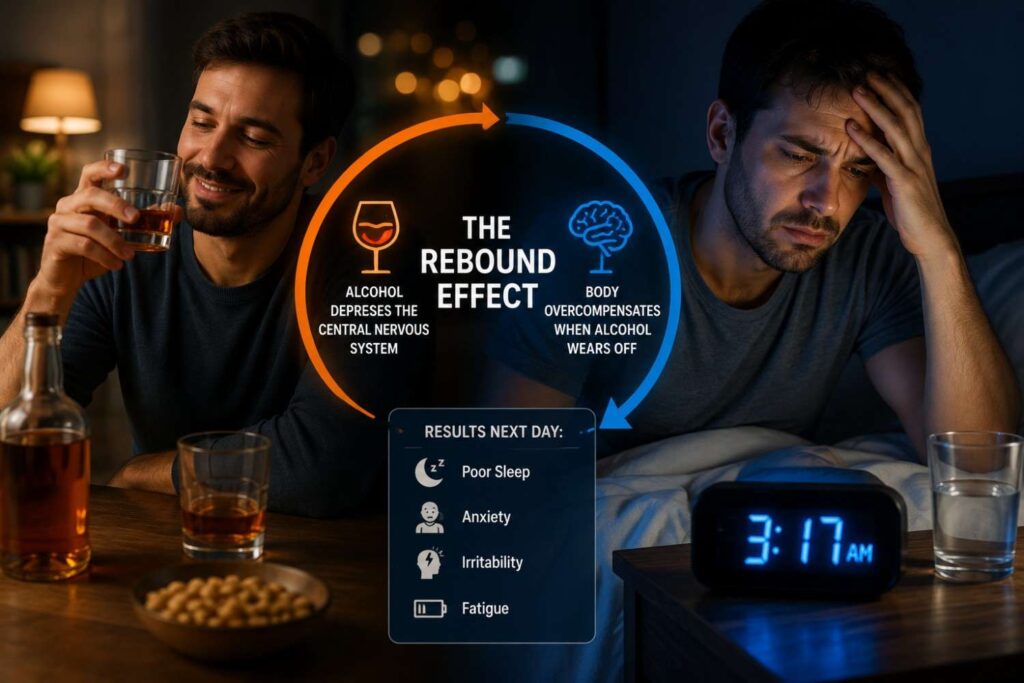
Limiting alcohol, particularly in the hours before bed, and ensuring you eat adequately when drinking significantly reduces the severity of alcohol-related morning heart racing.
Why Am I So Tired All the Time? 10 Common Causes Explained
10. Nightmare and Vivid Dreams
Nightmares and particularly vivid or emotionally intense dreams can directly cause waking up with a racing heart through the same mechanism that stress and anxiety produce tachycardia, except the trigger is the dream content rather than real-world concerns. During REM sleep, the stage of sleep where vivid dreaming occurs, the brain activates in patterns very similar to wakefulness, and emotionally intense dreams can trigger a full stress response including elevated heart rate, increased blood pressure, and adrenaline release that carries over into waking.
People who experience frequent nightmares, whether from PTSD, general anxiety, or other causes, commonly report waking up with a racing heart as a consistent feature of their disturbed sleep. The heart racing in this context is often accompanied by a vivid memory of the dream content and a feeling of residual fear or distress that can take several minutes to dissipate.

Addressing the underlying cause of frequent nightmares, whether through trauma-focused therapy, anxiety treatment, medication review, or sleep hygiene improvements, is the most effective approach for nightmare-driven morning heart racing.
When to See a Doctor About a Racing Heart Upon Waking
Occasional morning heart racing that settles quickly and has an obvious explanation like a stressful dream or too much caffeine is usually not a cause for concern. But certain patterns warrant medical evaluation rather than ongoing self-management.
See a doctor if you wake up with a racing heart frequently without an obvious cause, if the heart racing is accompanied by chest pain, pressure, or tightness, if you feel dizzy, lightheaded, or faint alongside the racing heart, if the heart rhythm feels irregular rather than just fast, or if the racing heart episodes are getting more frequent or more intense over time. These patterns can point toward arrhythmias or other cardiac conditions that benefit from proper diagnosis and treatment.
A Holter monitor worn for 24 to 48 hours, an echocardiogram, thyroid function tests, and blood glucose testing cover the most important medical causes and give your doctor a clear picture of what is driving your morning racing heart. You should not have to wake up scared every morning. Most causes of waking up with a racing heart have real and effective solutions once properly identified.