
You are sitting at your desk doing nothing particularly strenuous and your shirt is already damp. You walk into an air-conditioned room and you are still sweating. You wake up in the middle of the night soaked through your pajamas even though the bedroom is cool. If you are sweating so much that it has started to feel abnormal, you are probably right that something is off.
Sweating is your body’s primary cooling mechanism and some amount of it is completely healthy and necessary. But sweating so much in situations where your body does not need to cool down is a different story. It can be embarrassing, disruptive, and in some cases it is a signal that your body is dealing with something that deserves attention.
Here are ten of the most common hidden reasons you are sweating so much even when it is not hot.
1. Hyperhidrosis: Excessive Sweating as a Medical Condition
Most people have never heard of hyperhidrosis, but it affects an estimated 15 million Americans and is one of the most common reasons people find themselves sweating so much without an obvious trigger. Hyperhidrosis is a condition where the sweat glands are overactive and produce far more sweat than the body actually needs for temperature regulation.
Primary hyperhidrosis typically affects specific areas like the palms, feet, underarms, and face, and it tends to run in families. Secondary hyperhidrosis is sweating so much across the whole body and is usually caused by an underlying medical condition or medication. The sweating in hyperhidrosis happens regardless of temperature, activity level, or emotional state, which is what distinguishes it from normal sweating that has an identifiable trigger.
If you have been sweating so much for most of your life without a clear cause, primary hyperhidrosis is likely the explanation. It is very treatable with prescription antiperspirants, Botox injections, oral medications, or procedural treatments depending on severity. Talking to a dermatologist is the right first step.
2. Anxiety and Stress
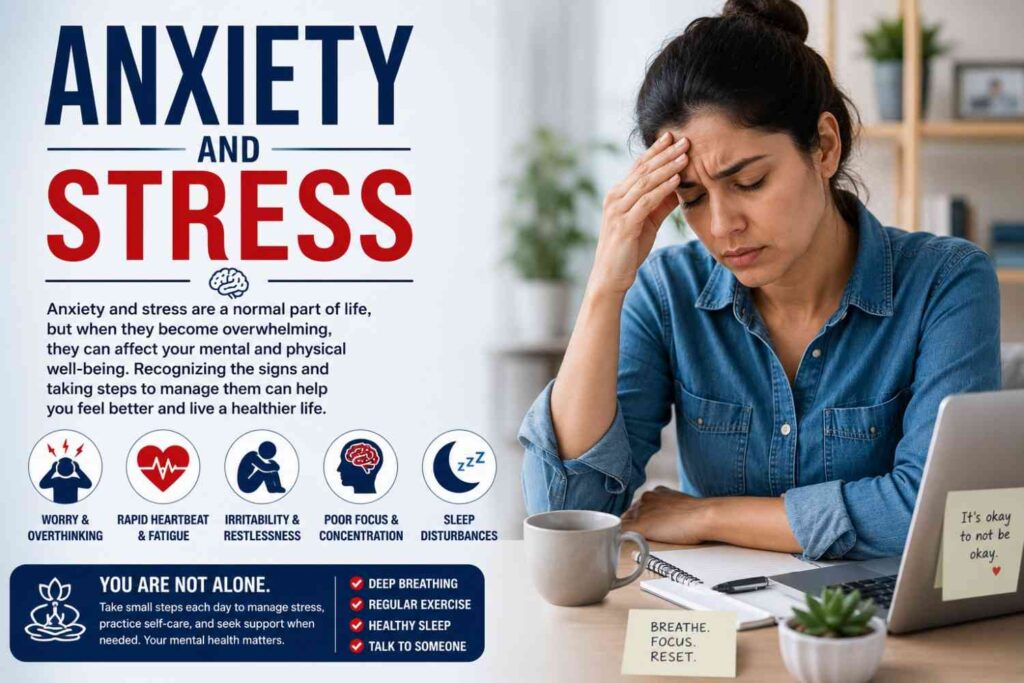
Your nervous system controls your sweat glands, and when anxiety or stress activates your fight-or-flight response, your body responds by ramping up sweat production. This is the mechanism behind sweaty palms before a presentation, nervous sweating in social situations, and stress sweats that hit at inconvenient moments with no obvious physical cause.
For people with chronic anxiety or an anxiety disorder, this stress-response sweating becomes a persistent background feature of daily life. The body is essentially stuck in a low-level alert state, and sweat production stays elevated as a result. Sweating so much from anxiety can itself become a source of embarrassment that triggers more anxiety, which produces more sweating, creating a cycle that is hard to break without addressing the underlying anxiety directly.
If your excessive sweating is noticeably worse in stressful situations or during periods of high anxiety and better when you are calm and relaxed, anxiety-related sweating is almost certainly a major contributor.
3. Thyroid Problems
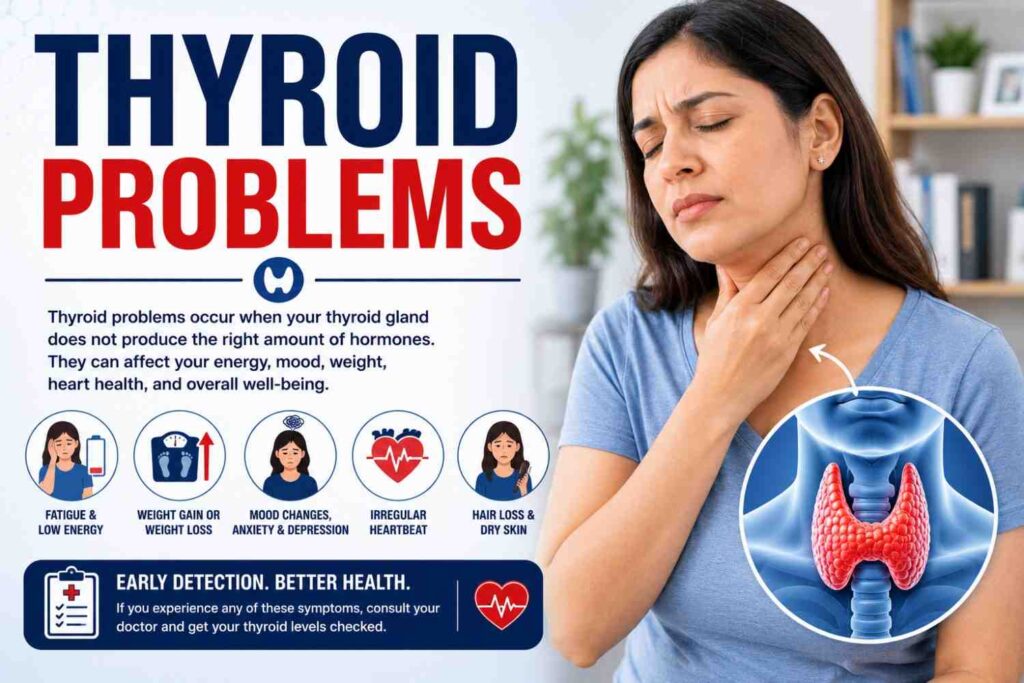
An overactive thyroid, known as hyperthyroidism, is one of the most medically significant causes of sweating so much without obvious reason. Your thyroid controls your metabolism, and when it produces too much hormone, your metabolism speeds up dramatically. A faster metabolism generates more heat, and your body responds to that excess heat by sweating more to try to cool itself down.
People with hyperthyroidism commonly describe sweating so much that it is noticeable even in cool environments, along with a rapid or irregular heartbeat, unexplained weight loss despite a good appetite, feeling hot all the time, hand tremors, and difficulty sleeping. These symptoms often come on gradually, which is why hyperthyroidism is frequently missed for months before someone puts the pieces together.
A simple TSH blood test can check your thyroid function. If hyperthyroidism is driving your excessive sweating, treating the thyroid condition typically resolves the sweating alongside the other symptoms.
4. Diabetes and Blood Sugar Fluctuations

Both high and low blood sugar can cause sweating so much, but they work through different mechanisms. When blood sugar drops too low, a condition called hypoglycemia, your body releases adrenaline to trigger the liver to release stored glucose. Adrenaline is a stimulating hormone that directly triggers sweating, which is why cold sweats and clamminess are classic signs of a hypoglycemic episode.
In people with type 2 diabetes or insulin resistance, blood sugar fluctuations can cause repeated episodes of sweating so much, particularly at night or in the early morning hours when blood sugar is most likely to dip. Diabetic autonomic neuropathy, which is nerve damage caused by chronically elevated blood sugar, can also directly damage the nerves that regulate sweat glands, causing unpredictable and excessive sweating.
If you have diabetes or risk factors for it and you are sweating so much at night or experiencing sudden sweating episodes with no clear trigger, blood sugar regulation is worth examining with your doctor.
5. Menopause and Perimenopause
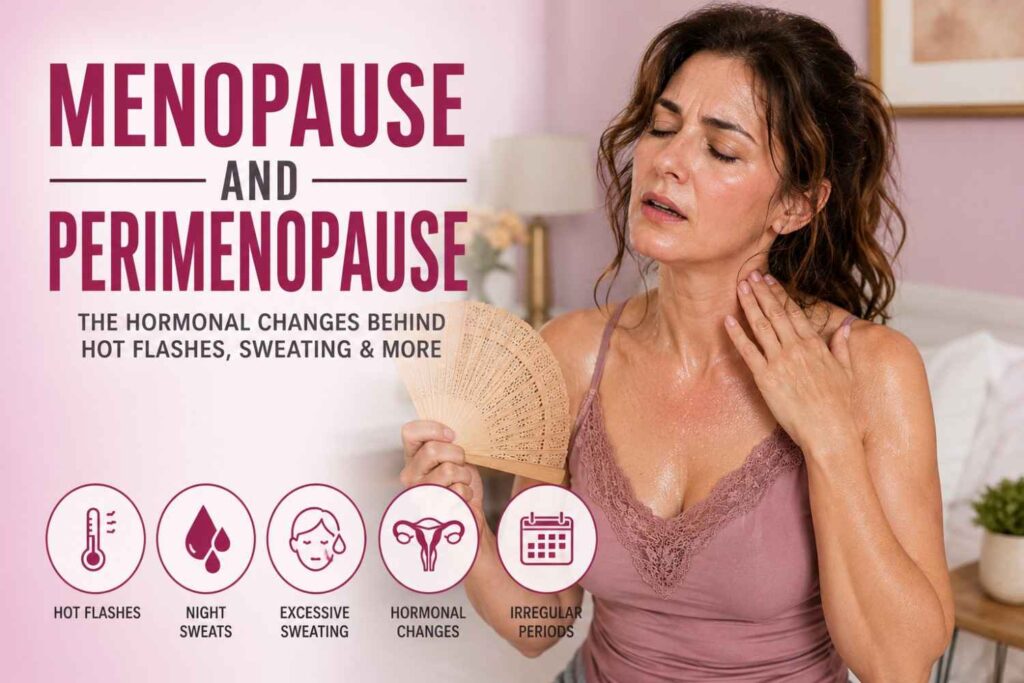
Hot flashes and night sweats are among the most recognized symptoms of menopause, and they affect the majority of women going through this transition. The mechanism behind menopausal sweating involves declining estrogen levels, which disrupt the hypothalamus, the part of the brain that acts as your body’s internal thermostat. With estrogen levels fluctuating unpredictably, the hypothalamus essentially misreads your body temperature and triggers intense sweating episodes in response to a perceived heat that is not really there.
Women in perimenopause, which can begin anywhere from two to ten years before the final menstrual period, frequently experience sweating so much at night and during the day without connecting it to hormonal changes, particularly if they are in their late 30s or early 40s and not expecting menopause symptoms yet.
If you are a woman in this age range and you are sweating so much more than usual, particularly at night, and your periods have become irregular, perimenopause is a very likely explanation worth discussing with your gynecologist.
6. Certain Medications

A surprisingly wide range of medications list excessive sweating as a side effect, and many people never make the connection between starting a new prescription and suddenly sweating so much more than before. Antidepressants, particularly SSRIs and SNRIs, are among the most commonly reported causes of medication-related excessive sweating. Opioid pain medications, some diabetes drugs, hormone therapies, and certain blood pressure medications are also well-known contributors.
Medication-related sweating typically begins shortly after starting the drug or increasing the dose, which is the most reliable clue that the medication is involved. It often affects the head, face, and neck specifically, which is a pattern somewhat distinct from other causes of sweating so much.
If you started sweating so much around the time you began a new medication, review the side effect information and bring it up with your prescribing doctor. In some cases an alternative medication with a better side effect profile is available, and in others the sweating can be managed with a dose adjustment or timing change.
7. Infections and Fever

Night sweats and episodes of sweating so much during the day are classic symptoms of certain infections, particularly those that cause recurring fevers or systemic inflammation. Tuberculosis is historically associated with drenching night sweats, as are HIV, endocarditis, which is an infection of the heart valves, and certain fungal infections.
More commonly in everyday life, bacterial infections, viral illnesses, and even a mild fever can trigger sweating so much as your immune system fights to raise body temperature and kill pathogens. The sweating that happens as a fever breaks is your body releasing that stored heat.
If your excessive sweating is accompanied by unexplained weight loss, persistent low-grade fever, fatigue, or swollen lymph nodes, these are signs that an infectious or inflammatory process may be involved and warrants prompt medical evaluation rather than a wait and see approach.
8. Heart Problems
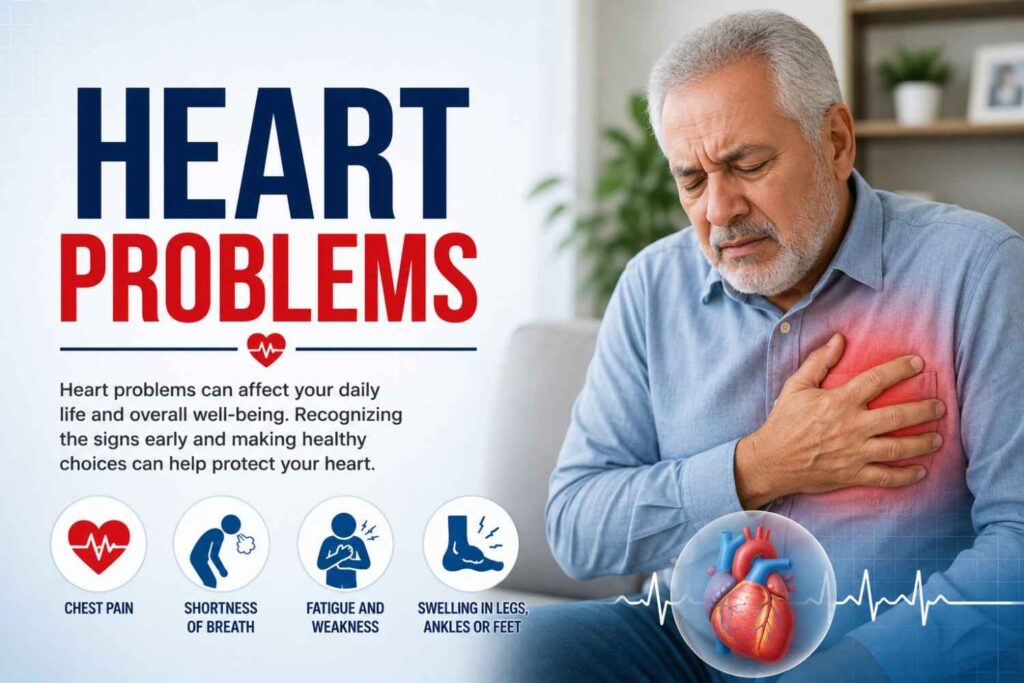
Sweating so much, particularly cold sweats that come on suddenly without physical exertion, can be a warning sign of cardiac issues and should not be dismissed. When the heart is struggling to pump blood effectively, whether from a blocked artery, heart failure, or an arrhythmia, the body activates its stress response to compensate. That stress response includes activating the sweat glands.
Cold sweats that come on suddenly alongside chest discomfort, pressure, pain in the arm or jaw, shortness of breath, or dizziness are classic warning signs of a heart attack and require emergency medical attention immediately. This combination is particularly important to recognize in women, who are more likely than men to experience atypical heart attack symptoms where sweating and nausea are prominent but chest pain may be mild or absent.
Not all cardiac-related sweating is an emergency, but any new pattern of sweating so much at rest alongside other cardiovascular symptoms deserves prompt medical evaluation.
9. Obesity and Excess Body Weight

Carrying significant excess body weight directly increases how much you sweat because the body has to work harder to perform everyday activities, generating more heat that needs to be dissipated. Fat tissue also acts as an insulator, trapping body heat and making it harder for your core temperature to regulate efficiently. The result is sweating so much during activities that a lighter person would handle without breaking a sweat.
Obesity is also strongly associated with sleep apnea, insulin resistance, and hypothyroidism, all of which independently cause excessive sweating. This means that for many people carrying significant excess weight, multiple factors are contributing to the problem simultaneously.
Even modest weight loss of five to ten percent of body weight can meaningfully reduce how much sweating occurs during daily activities by reducing the workload on the cardiovascular system and improving the body’s overall heat regulation efficiency.
10. Neurological Conditions

Your nervous system controls your sweat glands, and conditions that affect nerve function can cause sweating so much in unexpected patterns and situations. Parkinson’s disease is associated with excessive sweating because of the autonomic nervous system dysfunction it causes. Stroke, spinal cord injuries, and peripheral neuropathy from diabetes or other causes can all disrupt the normal nerve signals that regulate sweat production, leading to overactivity in some areas and complete absence of sweating in others.
Autonomic dysfunction, where the part of the nervous system that controls automatic body functions is not working properly, can cause sweating so much as one of several symptoms that also include dizziness when standing, digestive issues, and heart rate irregularities.
Neurological causes of excessive sweating are less common than the other causes on this list, but they are worth considering if your sweating pattern is unusual, affects only one side of the body, or comes with other neurological symptoms.
When Should You See a Doctor?
Occasional sweating more than usual is normal and rarely a cause for concern on its own. But there are clear situations where sweating so much warrants medical attention rather than self-management.
See a doctor if your excessive sweating started suddenly without an obvious cause, if it is accompanied by unexplained weight loss, fever, chest pain, or heart palpitations, if it is significantly affecting your quality of life or daily activities, or if it is primarily happening at night and waking you up consistently. Night sweats in particular are worth investigating because they are associated with several medical conditions that benefit from early identification.
For most people sweating so much has an identifiable cause that responds well to the right treatment. Whether it is a medication change, a thyroid condition, anxiety management, or a dermatologist-guided treatment for hyperhidrosis, you do not have to just live with it.