
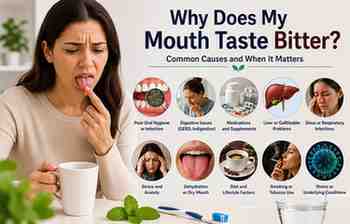
That persistent metallic, sour, or bitter taste that sits in your mouth no matter what you eat or drink. It is there when you wake up in the morning. It lingers after meals. It makes your morning coffee taste wrong and turns otherwise enjoyable food into something unpleasant. If your mouth taste bitter regularly and you cannot figure out why, you are not alone and you are not imagining it.
A bitter taste in the mouth, medically called dysgeusia when it involves a distortion of normal taste, is a surprisingly common complaint that has a wide range of possible causes. Some of them are simple and resolve on their own. Others point toward medical conditions that benefit from proper evaluation and treatment. Understanding what is behind your bitter mouth taste is what makes it possible to actually address the problem.
Here are the most common causes of a mouth that tastes bitter and what each one means.
1. Acid Reflux and GERD
Acid reflux is one of the most common reasons your mouth taste bitter, and the mechanism is direct. When stomach acid flows back up into the esophagus and reaches the back of the throat and mouth, it brings with it bile and digestive acids that create a sour, bitter, or acidic taste that can linger for hours after an episode. Many people experience this bitter taste most prominently in the morning after lying flat overnight, when gravity no longer helps keep stomach contents down.a
Gastroesophageal reflux disease is the chronic form of acid reflux, and persistent bitter mouth taste is one of its most consistent and recognizable symptoms alongside heartburn, a burning sensation in the chest, chronic throat clearing, and a feeling of something stuck in the throat. Dietary triggers like fatty foods, spicy foods, alcohol, caffeine, and chocolate commonly worsen reflux and the associated bitter taste.
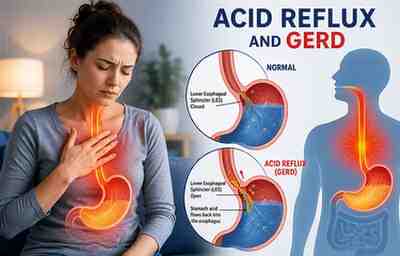
Eating smaller meals, avoiding lying down for at least two hours after eating, limiting trigger foods, and elevating the head of the bed can all reduce acid reflux and the bitter mouth taste it produces. Proton pump inhibitors and H2 blockers are effective medications for more persistent cases.
Why Do I Have a Bitter Taste in My Mouth?
2. Dry Mouth and Dehydration
Saliva plays a crucial role in taste perception by dissolving food molecules and carrying them to the taste receptors on your tongue. When saliva production drops from dehydration, mouth breathing, or medical conditions that reduce saliva flow, your mouth taste bitter because the normal chemical environment of the mouth shifts and taste perception becomes distorted. Bacteria also proliferate more readily in a dry mouth, and those bacteria produce compounds that contribute to a persistent bitter or metallic taste.
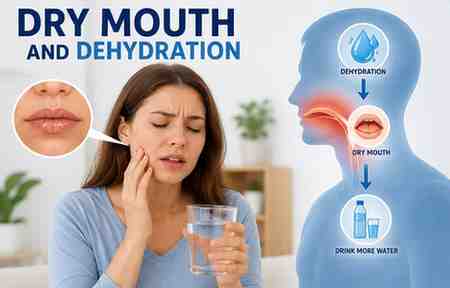
Dehydration is the simplest cause of dry mouth-related bitter taste, and it is also the most easily corrected. Many people wake up with their mouth tasting bitter simply because they have gone seven or more hours without any fluid intake. Alcohol consumed the night before worsens morning dehydration significantly by suppressing the hormone that helps the kidneys retain water overnight.
Drinking consistently throughout the day, limiting alcohol and caffeine, and using a humidifier in the bedroom if you breathe through your mouth at night are all practical steps that address dehydration-related bitter mouth taste.
3. Medications
A surprisingly long list of commonly used medications can cause your mouth taste bitter as a direct side effect, and this is one of the most frequently missed explanations when people cannot figure out why their taste has changed. Antibiotics, particularly metronidazole and clarithromycin, are well known for causing a bitter or metallic taste that persists throughout the course of treatment. Certain blood pressure medications including ACE inhibitors, diuretics, and some calcium channel blockers can alter taste perception. Antidepressants, antihistamines, antifungals, and some vitamins and supplements including zinc, iron, and vitamin D in high doses are also known to cause taste disturbances.
The bitter taste from medication-related dysgeusia typically begins shortly after starting the medication or increasing a dose and resolves when the medication is stopped or the course is completed. If your mouth taste bitter started around the time you began a new medication, that timing is worth noting and discussing with your prescribing doctor or pharmacist. Never stop a prescribed medication without medical guidance, but do raise the taste change as a concern since alternatives are sometimes available.

4. Oral Hygiene and Dental Problems
Poor oral hygiene and dental problems are among the most common and most correctable causes of a mouth that tastes bitter. When plaque and bacteria accumulate on the teeth, gums, and tongue, they produce sulfur compounds and other metabolic byproducts that create a persistent bitter, sour, or unpleasant taste that no amount of mouthwash seems to permanently fix. Gum disease, called periodontitis, involves chronic bacterial infection and inflammation of the gum tissue that produces a particularly persistent bitter taste alongside bleeding gums and gum recession.
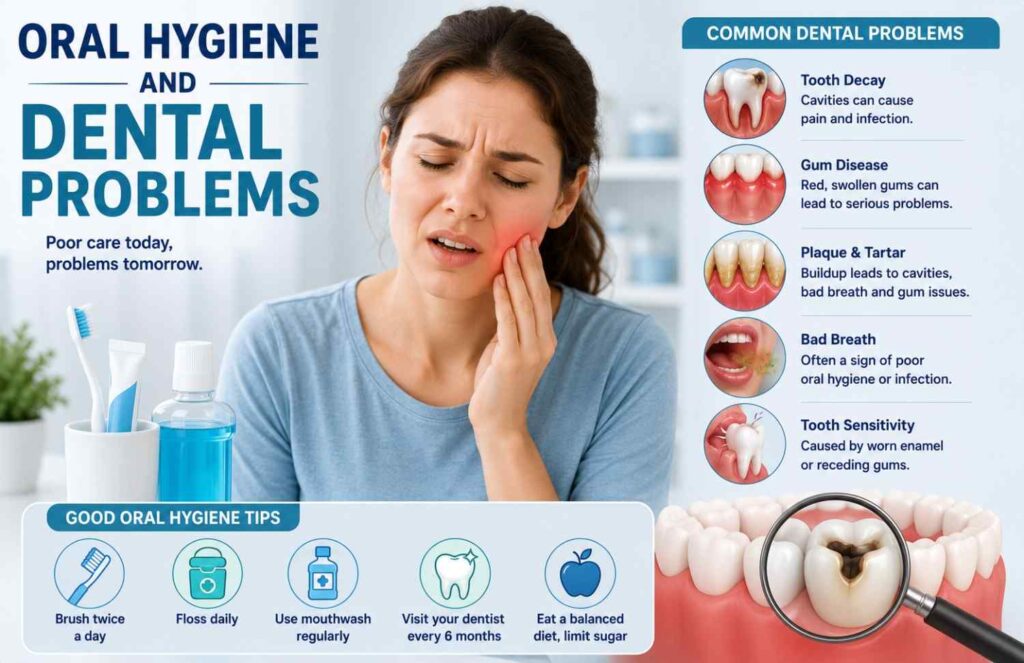
Dental abscesses, which are localized bacterial infections in or around a tooth root, can cause a sudden bitter or foul taste in the mouth as the abscess drains, sometimes without significant pain to alert you that something is wrong. Cracked teeth, failing dental work, and food trapped beneath gum tissue all create environments where bacteria thrive and bitter-tasting compounds accumulate.
Brushing twice daily, flossing once daily, cleaning the tongue with a tongue scraper, and maintaining regular dental checkups are the foundation of preventing oral hygiene-related bitter mouth taste. If you have not been to a dentist recently and your mouth taste bitter persistently, a dental evaluation is a logical first step.
Why Does My Stomach Hurt After Eating? 10 Hidden Causes Explained
5. Pregnancy
Pregnancy is a very well-documented cause of a mouth that tastes bitter, and it is one of the earliest symptoms some women notice before they even know they are pregnant. The hormonal changes of early pregnancy, particularly the dramatic rise in estrogen and progesterone, directly affect taste perception and can produce a persistent bitter, metallic, or sour taste in the mouth that many pregnant women describe as one of the most unpleasant early pregnancy experiences.
This pregnancy-related taste disturbance is medically called dysgeusia gravidarum and tends to be most pronounced during the first trimester before improving significantly as hormone levels stabilize in the second trimester. It often accompanies morning sickness and heightened sensitivity to smells, which together can make eating in early pregnancy genuinely challenging.

Staying hydrated, eating small and frequent meals, choosing cold or room-temperature foods rather than hot foods that tend to have stronger aromas, and using plastic utensils rather than metal ones which can worsen metallic taste sensations are practical strategies that many pregnant women find helpful for managing bitter mouth taste during early pregnancy.
6. Liver and Kidney Conditions
When the liver or kidneys are not functioning optimally, waste products that these organs normally filter from the bloodstream can accumulate at levels that alter taste perception. Liver disease, including hepatitis and cirrhosis, affects bile production and metabolism in ways that can produce a bitter or bile-like taste in the mouth. Kidney disease reduces the kidneys’ ability to filter urea and other nitrogen-containing waste products from the blood, and elevated levels of these compounds in the bloodstream produce a bitter, ammonia-like taste that is one of the recognized symptoms of kidney disease progression.
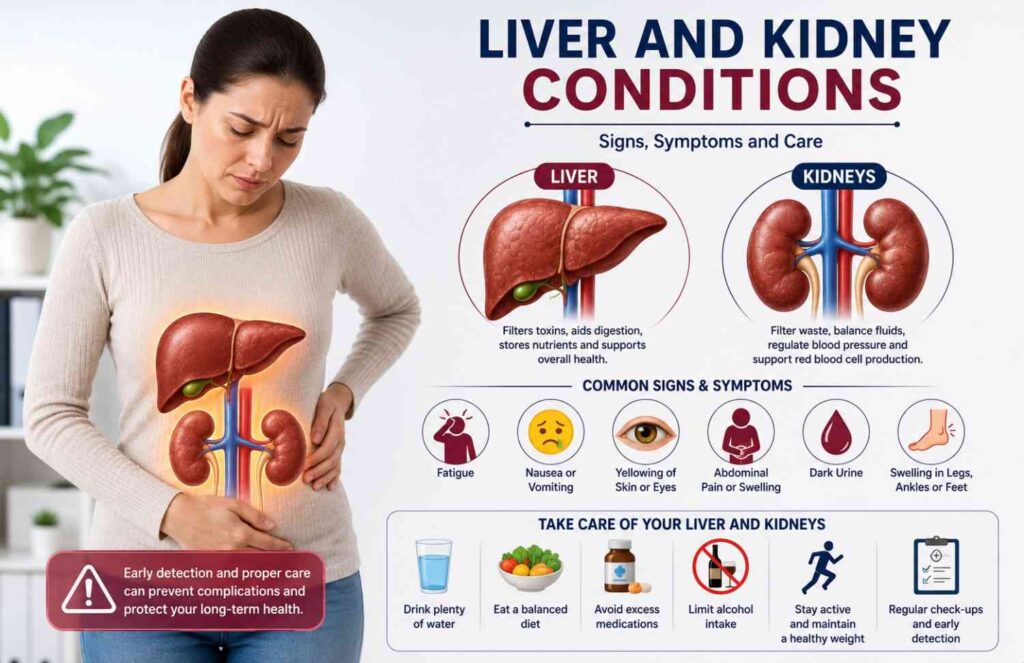
If your mouth tastes bitter persistently alongside other symptoms like unexplained fatigue, nausea, swelling in the legs or abdomen, changes in urination, or jaundice, these combinations point toward organ dysfunction that warrants prompt medical evaluation rather than a wait and see approach. Liver and kidney conditions that are identified early are significantly more manageable than those detected after significant damage has occurred.
7. Neurological Conditions
The sense of taste is processed by multiple cranial nerves that carry signals from the taste buds to the brain, and conditions that affect these nerves or the brain regions that process taste can produce a persistent bitter mouth taste as a symptom. Bell’s palsy, which causes sudden weakness or paralysis of one side of the face, often includes altered taste perception because the facial nerve that controls taste in the front two-thirds of the tongue is affected. Multiple sclerosis can produce taste disturbances when lesions affect the pathways that process taste signals. Head injuries and strokes can damage taste-processing regions of the brain and produce persistent dysgeusia including bitter taste.
Neurological causes of bitter mouth taste are distinguished from the more common causes on this list by their association with other neurological symptoms including weakness, numbness, balance problems, vision changes, or facial drooping. If your bitter taste came on suddenly alongside any of these other symptoms, neurological evaluation is the appropriate response rather than addressing the taste change in isolation.
8. Nutritional Deficiencies and Supplements
Deficiencies in certain key nutrients can alter taste perception and produce a mouth that tastes bitter or distorted. Zinc deficiency is one of the most well-established nutritional causes of taste dysfunction, since zinc plays a direct role in the production and renewal of taste receptor cells. When zinc levels drop too low, taste perception across all categories can become distorted, with bitter and metallic sensations being among the most commonly reported.
Vitamin B12 deficiency affects the nervous system in ways that can alter sensory perception including taste. Iron deficiency anemia produces a metallic taste in some people that is closely related to bitter taste perception. Paradoxically, supplementing these same nutrients at too-high doses can also cause bitter or metallic taste as a side effect, which is why both the deficiency and the supplement itself can be culprits depending on the situation.
If you take multiple supplements and your mouth tastes bitter, temporarily reducing or stopping non-essential supplements under medical guidance can help identify whether a supplement is the cause.
9. Stress and Anxiety
The connection between stress, anxiety, and a mouth that tastes bitter runs through multiple physiological pathways. Stress reduces saliva production, which as discussed earlier directly affects taste perception and creates conditions where bacteria and bitter compounds accumulate. Stress also increases stomach acid production, which worsens reflux and the associated bitter taste it produces in the mouth. Some research suggests that stress hormones may directly affect the sensitivity and functioning of taste receptors as well.
People dealing with significant anxiety sometimes describe a persistent bitter or metallic taste that is present throughout the day and worsens during acute episodes of anxiety. This taste perception change is real and physiological, not psychological, even though its root cause is the nervous system’s response to psychological stress.

Managing stress effectively through whatever combination of therapy, lifestyle changes, exercise, and social support genuinely helps tends to improve the associated digestive and sensory symptoms including bitter mouth taste over time.
10. COVID-19 and Post-Viral Taste Changes
COVID-19 brought widespread attention to the ability of viral infections to affect the sense of taste, and bitter mouth taste is among the taste disturbances that some people experience both during acute COVID-19 infection and as part of the post-COVID syndrome that persists in some people for months after the infection has resolved. The SARS-CoV-2 virus appears to affect the cells that support taste receptor function in the mouth, and the resulting taste disturbance can range from complete loss of taste to distorted taste where normally neutral or pleasant flavors taste bitter, metallic, or rotten.
Other viral infections including influenza, common cold viruses, and various respiratory infections can produce temporary taste changes including a bitter mouth taste as part of the acute illness phase, typically resolving as the infection clears. If your mouth taste bitter started during or immediately after a viral illness, a post-viral taste disturbance is a likely explanation.
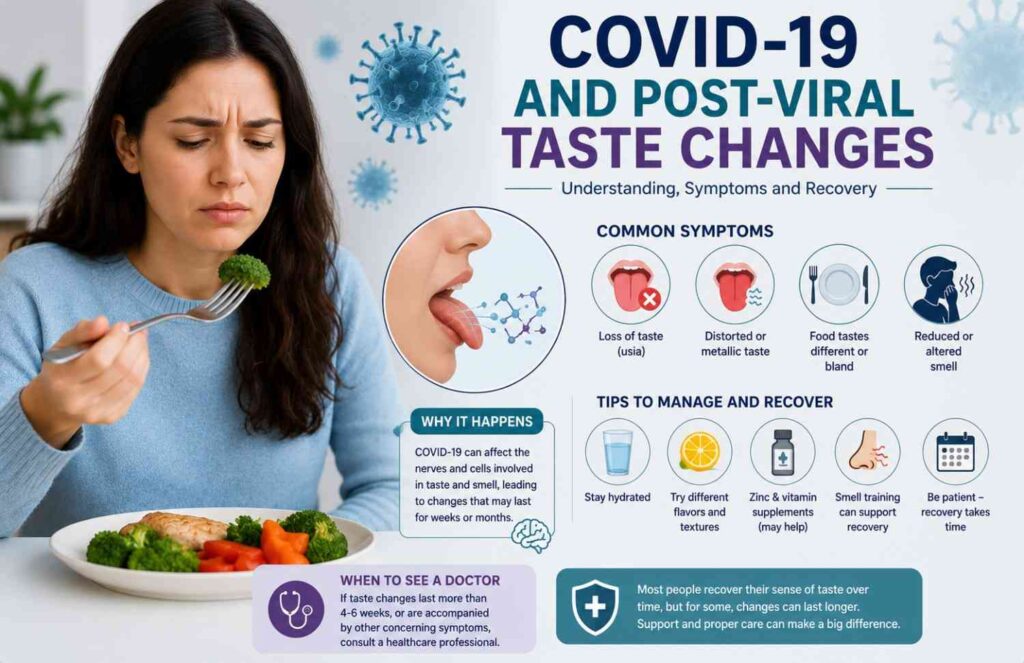
Post-COVID taste recovery is variable and can take weeks to many months. Some people find that smell and taste training, which involves deliberately and repeatedly smelling and tasting strong, distinct scents and flavors, helps accelerate recovery of normal taste perception.
When Does a Bitter Mouth Taste Warrant Medical Attention?
A brief bitter taste after eating certain foods, after taking medication, or first thing in the morning that resolves quickly is usually not a cause for concern. But certain patterns of mouth taste bitter experiences deserve professional evaluation.
See a doctor if your bitter mouth taste has been persistent for more than two to three weeks without an obvious explanation, if it came on suddenly alongside other symptoms like facial weakness, difficulty swallowing, or neurological changes, if it is accompanied by signs of organ dysfunction like jaundice, significant fatigue, or changes in urination, or if it is significantly affecting your ability to eat and enjoy food to the point of impacting your nutrition.
A bitter mouth taste is almost always telling you something. Taking the time to understand what that something is leads to solutions that actually address the cause rather than just masking the symptom.