

Your period has always lasted about five or six days, and now it is wrapping up in two or three. Or maybe your flow has gone from moderately heavy to barely there, and the whole thing is over before you have even gotten used to the idea that it started. If you are having shorter periods than usual and the change has been consistent for two or more cycles, your body is signaling something worth paying attention to.
A normal period lasts anywhere from two to seven days, so technically even a two-day period can fall within that range. But when your periods are noticeably and consistently shorter than your personal normal, that shift is meaningful regardless of whether it technically qualifies as abnormal by textbook definition. Here is what shorter periods than usual might be telling you about your hormonal health, your nutrition, your stress levels, and more.
1. Hormonal Imbalance
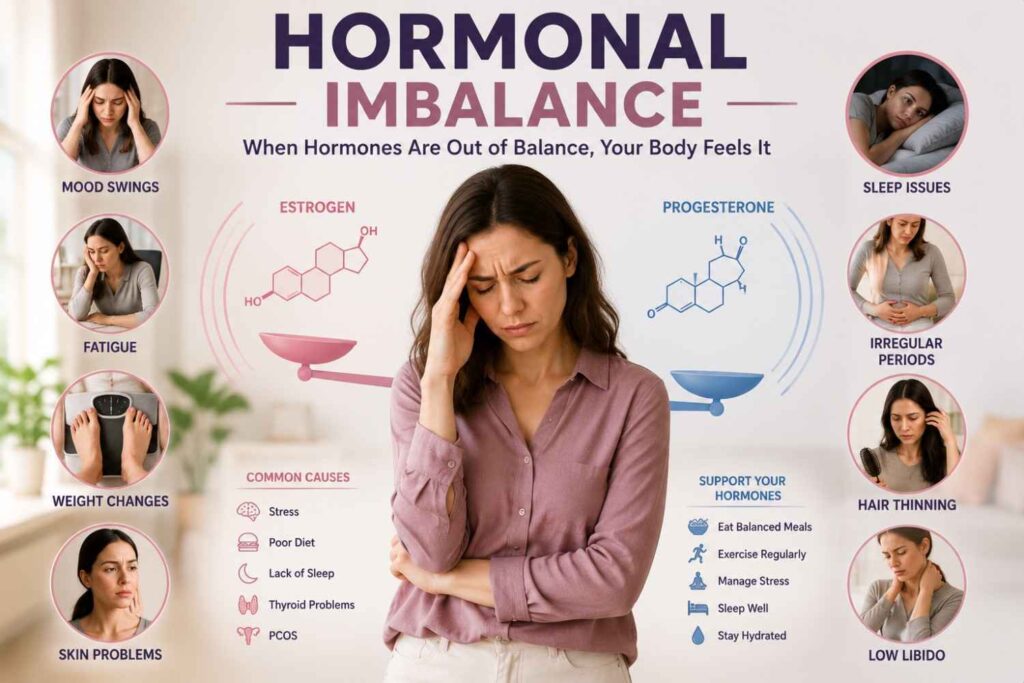
Hormonal imbalance is the most common reason women experience shorter periods than usual, and it can occur at virtually any point in the reproductive years. Your menstrual cycle is driven by a precise sequence of estrogen and progesterone fluctuations. When estrogen levels are lower than they should be during the follicular phase of the cycle, the uterine lining does not build up as much as usual before ovulation. A thinner lining means less tissue to shed, which translates directly into shorter periods than usual and often lighter flow alongside the reduced duration.
Estrogen can be suppressed by a wide range of factors including excessive exercise, significant caloric restriction, chronic stress, low body fat, and certain medical conditions. Progesterone imbalances in the luteal phase can also alter how completely and efficiently the lining sheds, affecting period duration in either direction. Without a clear lifestyle or medical explanation for your shorter periods than usual, a hormone panel from your doctor can provide a concrete picture of where your levels stand.
2. Pregnancy and Implantation Bleeding
One of the first things worth ruling out when you have shorter periods than usual is pregnancy. What seems like a very short, light period can sometimes be implantation bleeding, which occurs when a fertilized egg attaches to the uterine lining and causes light spotting that some women mistake for a brief period. Implantation bleeding typically occurs around the time a period would be expected, lasts one to two days, and is significantly lighter than a normal period
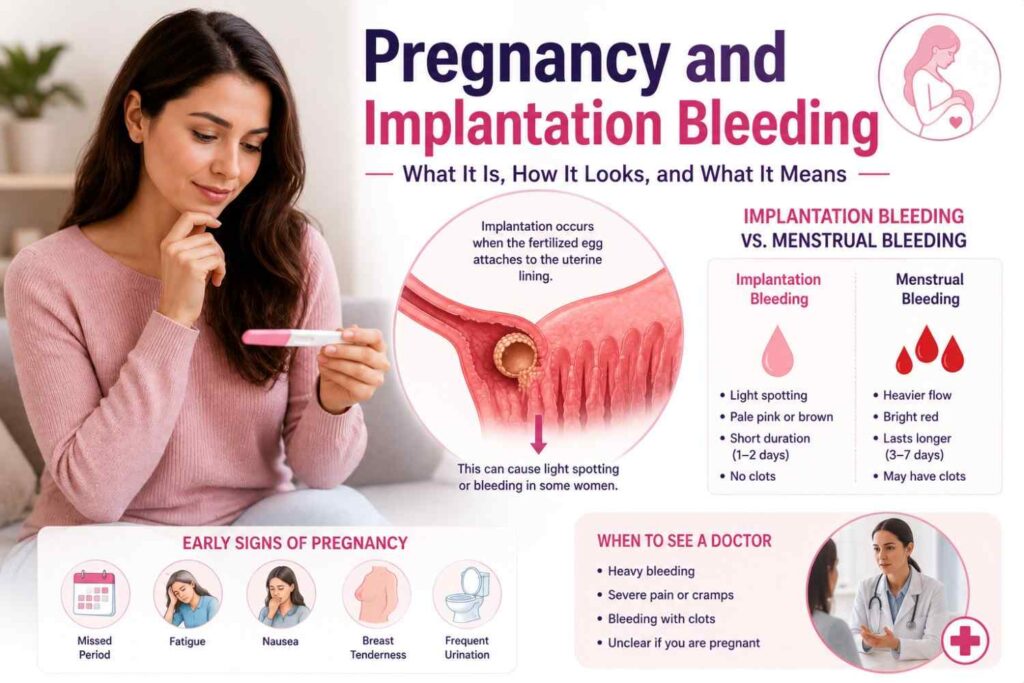
Early pregnancy can also cause some women to experience a single light, short bleed before the pregnancy hormone hCG rises high enough to suppress subsequent periods entirely. If your shorter periods than usual came with any other early pregnancy symptoms including breast tenderness, nausea, fatigue, or a feeling that something is different, a home pregnancy test is the simplest and most immediate next step.
3. Perimenopause
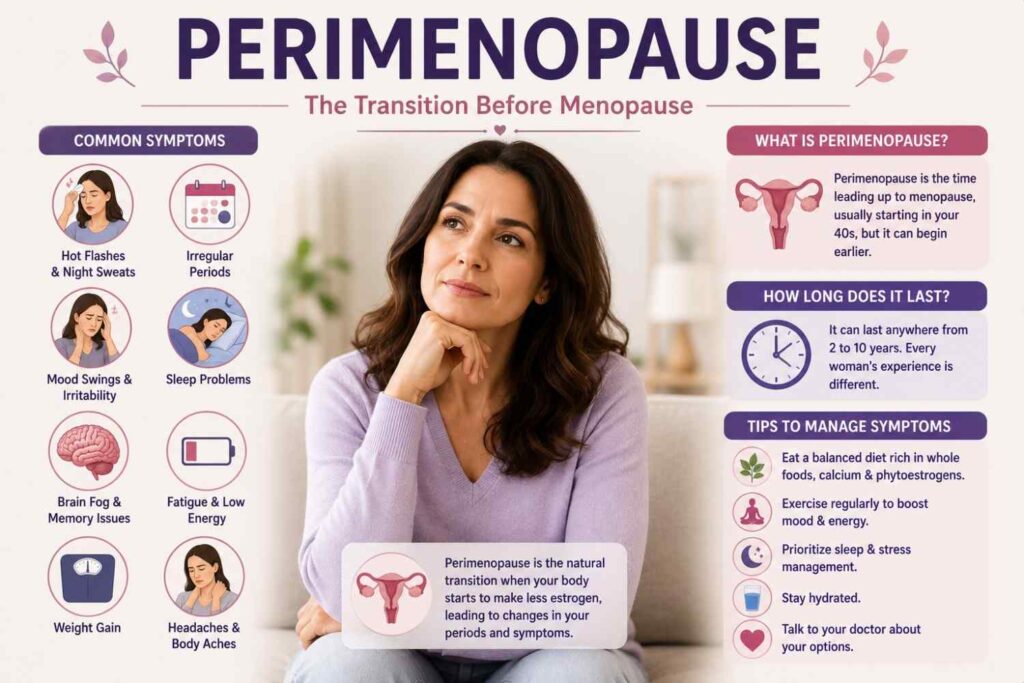
Perimenopause is one of the most common reasons women in their late 30s, 40s, and early 50s begin experiencing shorter periods than usual, and it is frequently unexpected in women who are not yet thinking about the approach of menopause. During perimenopause, the ovaries produce less estrogen than during the prime reproductive years, and ovulation becomes increasingly irregular. Cycles without ovulation, called anovulatory cycles, produce less progesterone and often result in a thinner uterine lining that sheds briefly and lightly, producing shorter periods than usual.
Perimenopausal changes in period length and flow can be quite variable and unpredictable. Some months may bring shorter, lighter periods while others may bring heavier and longer ones as hormone levels fluctuate. Other signs of perimenopause include hot flashes, night sweats, sleep disruption, mood changes, and vaginal dryness. If you are in the right age range and noticing these changes alongside your shorter periods than usual, perimenopause is a likely explanation worth discussing with your gynecologist.
4. Thyroid Disorders
Both hypothyroidism and hyperthyroidism can cause shorter periods than usual, and thyroid disorders are significantly more common in women than in men, making this an important consideration whenever menstrual patterns change without an obvious reason. Hyperthyroidism, where the thyroid produces too much hormone, is particularly associated with lighter and shorter periods because excess thyroid hormone affects the hormonal pathways that regulate the menstrual cycle and can suppress the normal estrogen-driven buildup of the uterine lining.
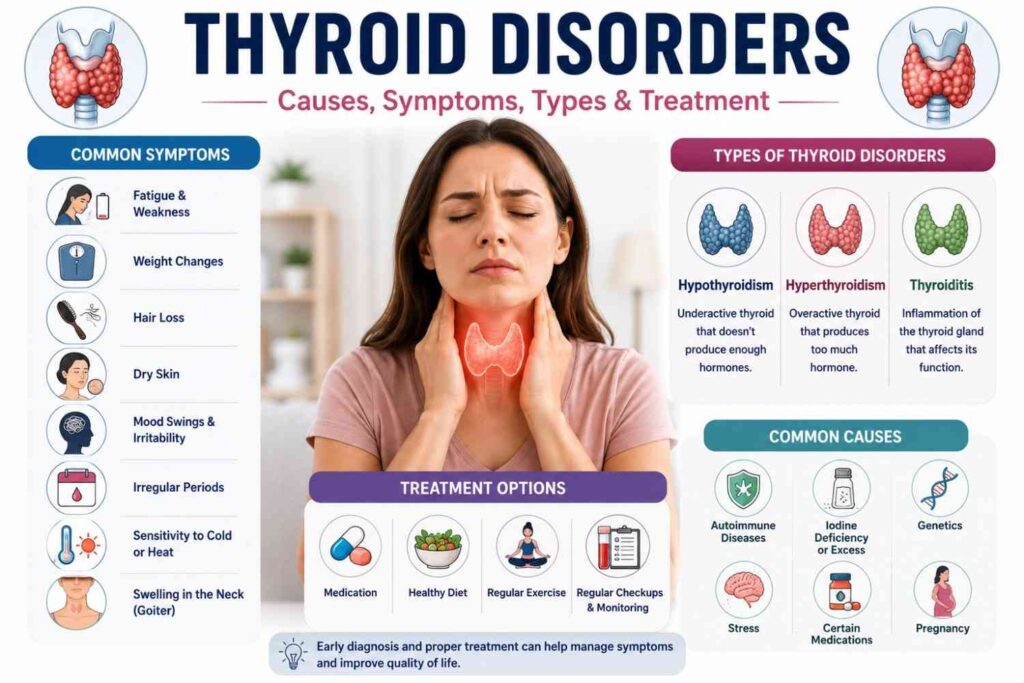
Hypothyroidism is more commonly associated with heavier and longer periods, but it can occasionally cause shorter or irregular periods as well depending on the degree of disruption to overall hormonal balance. Other symptoms of hyperthyroidism include unexplained weight loss, feeling hot and sweating excessively, a racing heart, hand tremors, difficulty sleeping, and anxiety. A TSH blood test can identify thyroid dysfunction quickly and inexpensively, and treatment typically normalizes menstrual patterns alongside other symptoms.a
5. Polycystic Ovary Syndrome
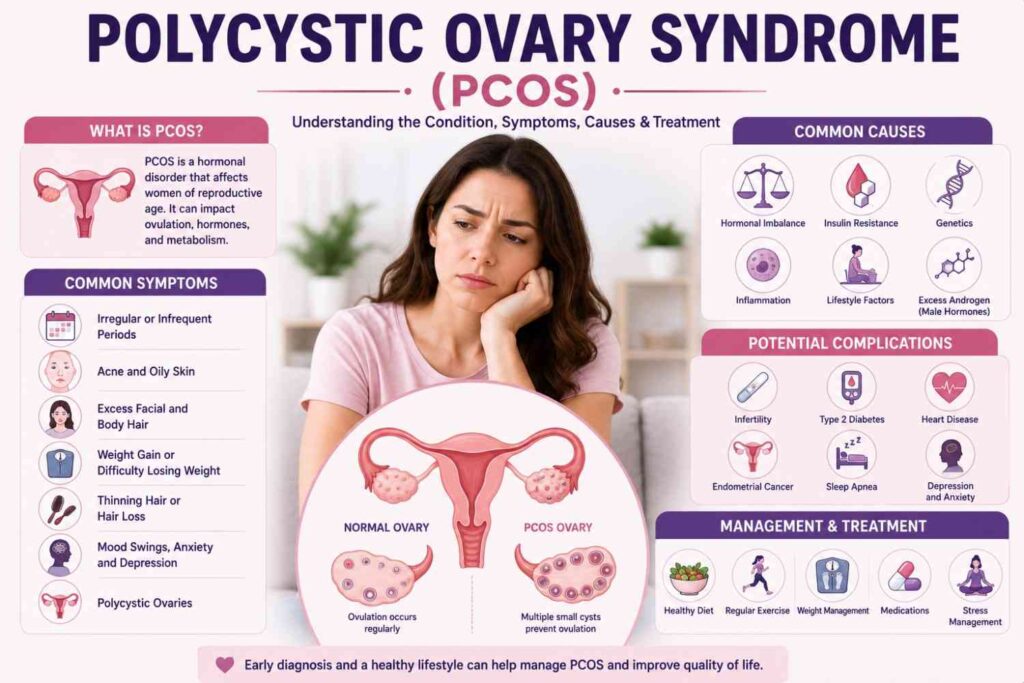
PCOS is most commonly associated with infrequent or absent periods, but some women with PCOS experience shorter periods than usual rather than no periods at all. In PCOS, irregular or absent ovulation means that progesterone levels, which normally rise after ovulation to stabilize and prepare the uterine lining for shedding, are often low or unpredictable. When the lining does shed, it may do so quickly and lightly because it has not built up normally, producing a period that is noticeably shorter than what the woman experienced before her PCOS symptoms developed.
Women with PCOS may also notice that their cycle lengths are inconsistent alongside their shorter periods than usual, with some cycles being much longer than average and others shorter. Other signs of PCOS include unwanted facial or body hair growth, acne particularly along the jawline, thinning hair on the scalp, and difficulty managing weight. A diagnosis of PCOS is made based on a combination of symptoms, hormone blood tests, and pelvic ultrasound.
6. Significant Weight Loss or Low Body Fat
Your reproductive system requires a minimum level of body fat to function normally, and when body fat drops too low, the hormonal signals that drive ovulation and menstruation are suppressed as your body prioritizes survival over reproduction. The result can be shorter periods than usual, lighter periods, or periods that stop altogether depending on the severity of the energy deficit.

This phenomenon is particularly common in women who have recently lost a significant amount of weight through dieting, in athletes who train heavily with high energy expenditure, and in women with eating disorders including anorexia nervosa and restrictive eating patterns that do not meet the diagnostic threshold for a formal eating disorder but still create significant hormonal disruption.
If your shorter periods than usual coincided with significant weight loss or a dramatic increase in exercise intensity, restoring adequate nutrition and body weight is the most important step toward normalizing your cycle.
Why Is My Period Lasting Longer Than Normal? 10 Possible Reasons
7. Extreme Stress
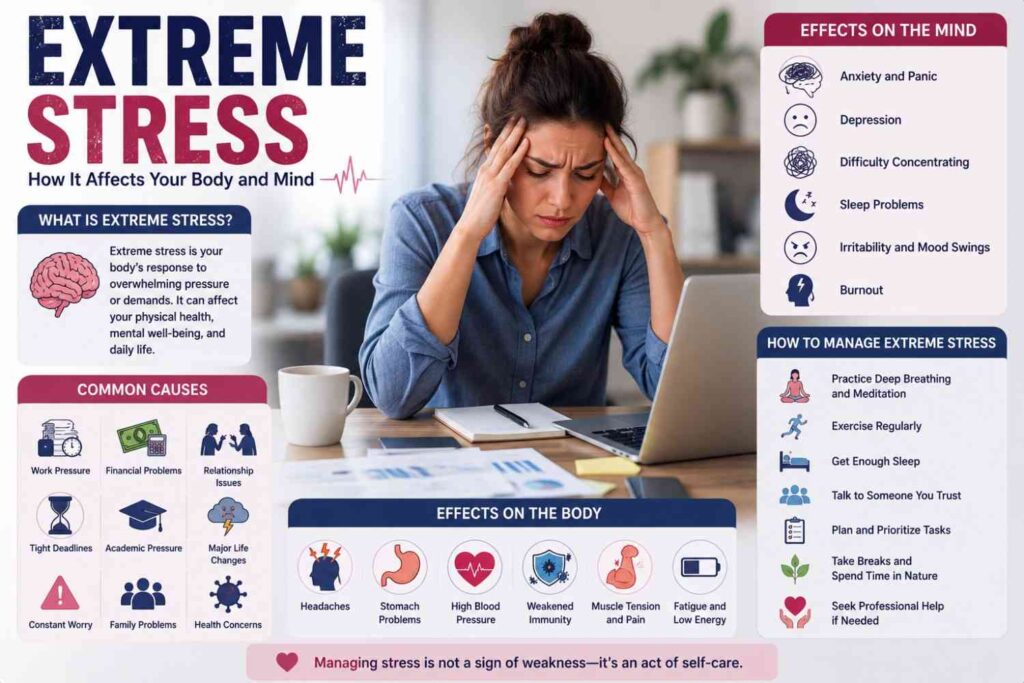
Chronic or acute extreme stress is a well-established disruptor of menstrual function and one of the more common reasons women experience shorter periods than usual without any underlying medical condition. When the body is under significant stress, the hypothalamic-pituitary-adrenal axis, which regulates the stress response, directly interferes with the hypothalamic-pituitary-ovarian axis, which drives the menstrual cycle. Elevated cortisol from chronic stress suppresses GnRH, the hormone that initiates the hormonal cascade leading to ovulation, which in turn reduces estrogen production and results in a thinner uterine lining and shorter, lighter periods.
Many women notice that their periods become shorter or lighter during periods of intense life stress, whether from work pressure, relationship difficulties, grief, illness, or major life transitions. The change in period length often resolves when the stressful period passes and the hormonal axis returns to its normal pattern, which is reassuring but also worth monitoring to ensure the cycle does return to baseline.
8. Hormonal Birth Control
Hormonal contraceptives are one of the most common causes of shorter periods than usual in women of reproductive age, and the effect is often intentional rather than a side effect worth worrying about. Combination oral contraceptive pills, hormonal IUDs, the patch, the ring, and the hormonal implant all work by suppressing the normal hormonal fluctuations of the menstrual cycle in various ways. Many of these methods result in lighter, shorter withdrawal bleeds or periods, and some eliminate periods almost entirely.
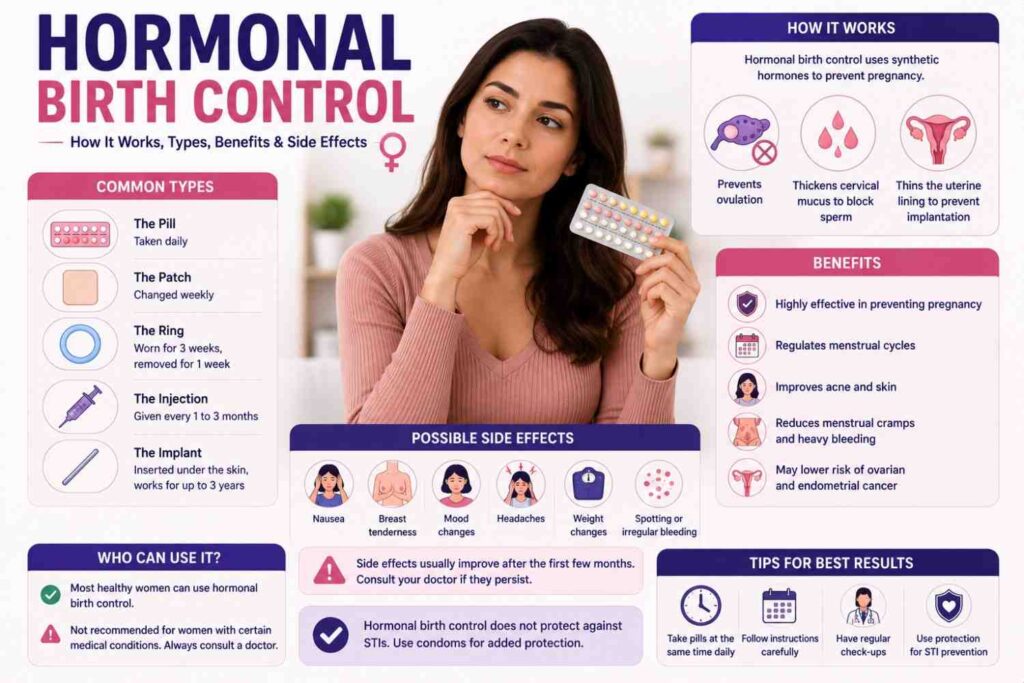
Women who switch birth control methods, start hormonal contraception for the first time, or change their dosage often notice significant changes in their period length and flow that are directly attributable to the hormonal effects of the contraceptive. If your shorter periods than usual began around the time of a birth control change, the contraceptive is almost certainly the explanation and the change is typically not a cause for concern.
9. Asherman Syndrome
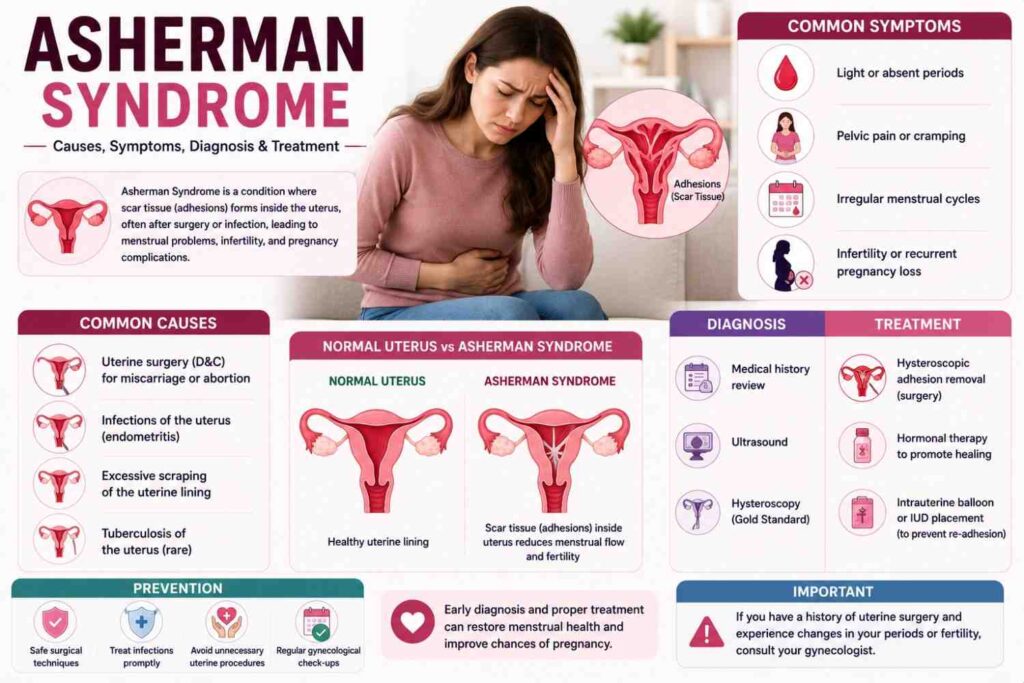
Asherman syndrome is a less common but clinically significant cause of shorter periods than usual that results from intrauterine adhesions, which are scar tissue formations inside the uterine cavity. These adhesions develop most commonly following uterine surgery, dilation and curettage procedures particularly after pregnancy loss or delivery, or severe uterine infections. When scar tissue replaces normal uterine lining tissue, there is less lining available to shed each cycle, which produces periods that are noticeably shorter and lighter than a woman’s previous normal.
Women with Asherman syndrome may notice progressively shorter periods than usual that become lighter over time and may eventually stop altogether in more severe cases. The condition can also affect fertility by reducing the available surface area for embryo implantation. Hysteroscopy, which allows direct visualization of the uterine cavity, is both the diagnostic tool and the primary treatment for Asherman syndrome, as adhesions can often be removed during the same procedure.
When Should You Talk to a Doctor?
A single shorter period than usual in an otherwise regular cycle is rarely a cause for concern and can result from temporary stress, travel, illness, or minor hormonal fluctuations that resolve on their own. But certain patterns are worth discussing with a gynecologist rather than monitoring indefinitely at home.
See a doctor if your periods have been consistently shorter than your personal normal for three or more cycles, if the shorter periods came with other changes like significant weight loss, new hair growth in unexpected places, or symptoms suggesting a thyroid issue, if you are trying to conceive and believe the shorter periods may reflect ovulatory changes, or if your periods have become so light and brief that you are concerned about whether they constitute a true period at all.
Shorter periods than usual are rarely a sign of something immediately serious, but they are your body’s way of communicating that something in your hormonal environment has shifted. Paying attention to that communication and seeking the right evaluation when needed is always the right response.