
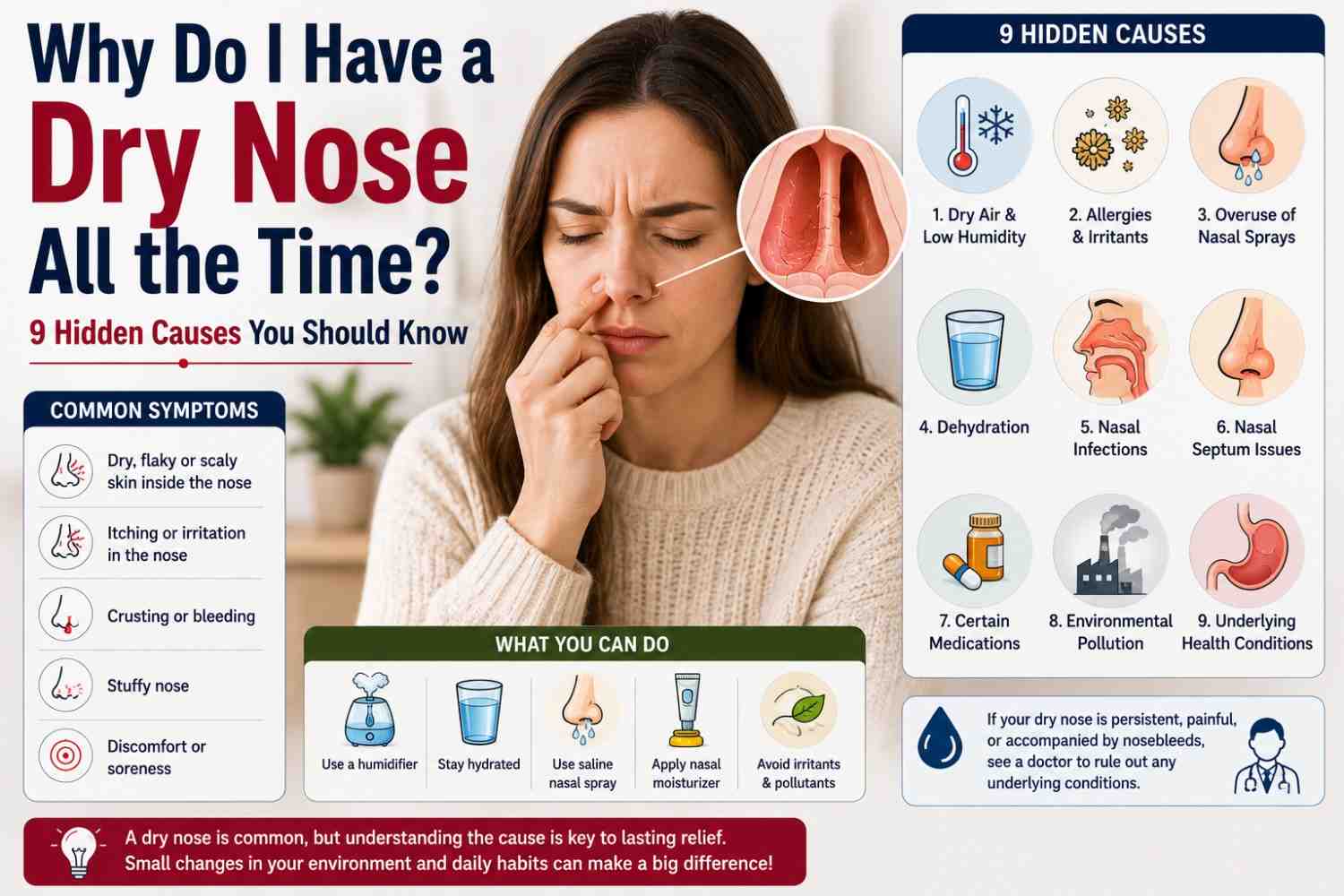
Your nose feels dry, tight, and uncomfortable on the inside. Maybe you are constantly aware of it, or maybe it only becomes obvious when you breathe in and that dried out feeling hits you right away. You might notice crusting, occasional nosebleeds, or a persistent irritation that makes blowing your nose uncomfortable. If you keep asking yourself why do I have a dry nose that just will not go away, something specific is causing it and understanding what that is makes it possible to actually find relief.
A dry nose is more than just uncomfortable. The nasal passages are lined with mucous membranes that serve as a critical first line of defense against airborne bacteria, viruses, dust, and allergens. When those membranes dry out, that protective function is compromised. Here are nine of the most common hidden causes of a persistently dry nose and what each one means.
1. Low Indoor Humidity
Low indoor humidity is the single most common reason people ask why do I have a dry nose, particularly during winter months when heating systems run continuously and strip moisture from the air. The nasal mucous membranes need adequate ambient humidity to maintain their moist, protective coating. When the air you breathe is consistently dry, those membranes lose moisture faster than they can replenish it, leading to the tight, dry, uncomfortable feeling that makes why do I have a dry nose such a persistent winter complaint for millions of Americans.
Central heating, forced-air systems, and wood-burning stoves all significantly reduce indoor humidity. The ideal indoor relative humidity for nasal comfort is between 40 and 60 percent. Below 30 percent, which is common in many American homes during winter, nasal dryness becomes almost universal.
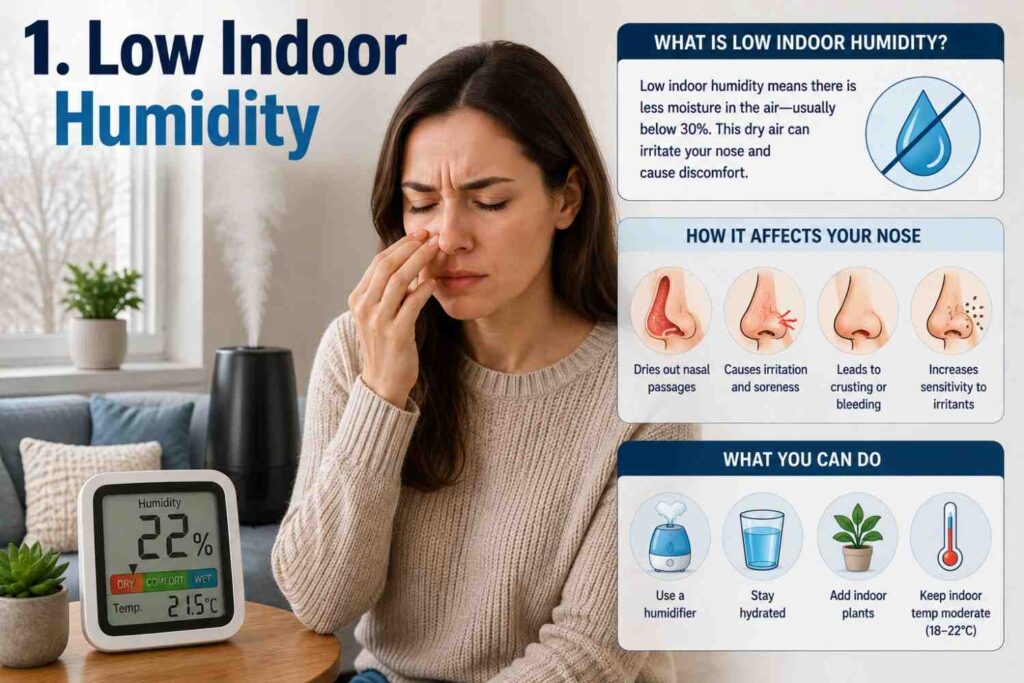
A humidifier in the bedroom is the most direct fix for heating-related nasal dryness. Using a cool-mist ultrasonic humidifier overnight delivers consistent moisture to the air you breathe during the hours when you are most stationary and breathing most regularly. Many people notice a significant reduction in nasal dryness within the first night or two of consistent humidifier use.
Why Do My Feet Feel Numb When I Wake Up? 10 Hidden Causes You Should Know
2. Medications and Antihistamines
If you take antihistamines, decongestants, or certain other medications and find yourself asking why do I have a dry nose, your medication is almost certainly contributing. Antihistamines, which are used for allergies, colds, and sleep, work by blocking histamine receptors throughout the body. Histamine plays a role in stimulating mucus secretion in the nasal passages, so when it is blocked, mucus production drops and the nasal lining dries out. First-generation antihistamines like diphenhydramine, found in Benadryl and many nighttime sleep products, are particularly drying.
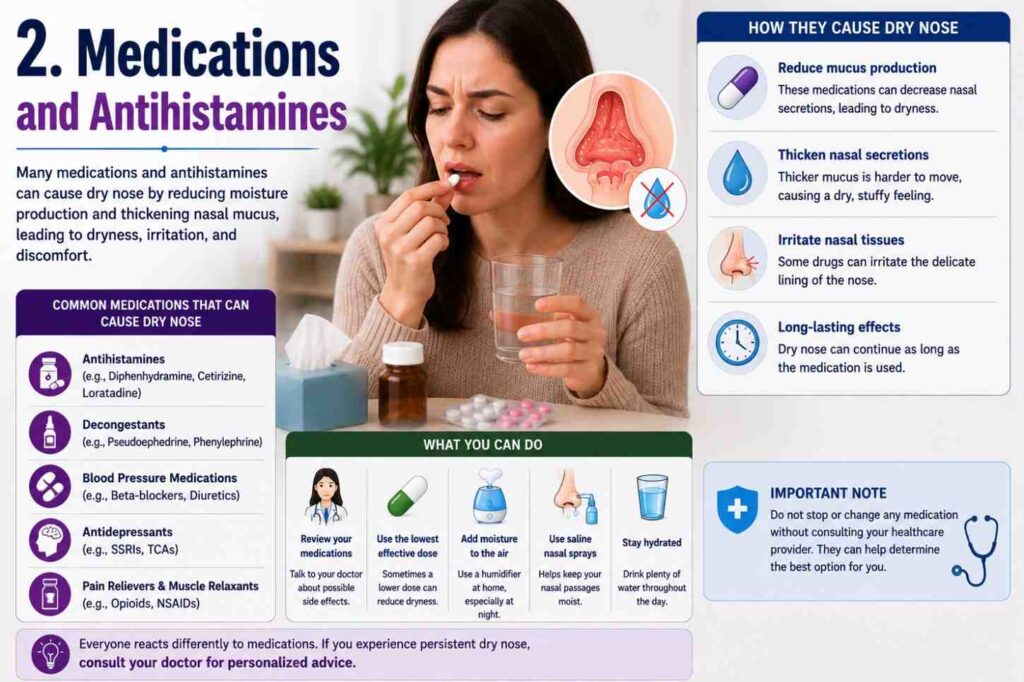
Decongestants including pseudoephedrine and oxymetazoline nasal sprays reduce nasal swelling by constricting blood vessels in the nasal lining. While this reduces congestion effectively, it also reduces blood flow and moisture delivery to the nasal mucosa. Long-term use of oxymetazoline nasal sprays beyond three to five days is particularly associated with rebound congestion and progressive nasal dryness.
Diuretics, some antidepressants, blood pressure medications, and anticholinergic drugs can all reduce overall body hydration and mucosal moisture in ways that answer why do I have a dry nose for people taking these medications regularly. If your nasal dryness correlates with starting a medication, reviewing that connection with your doctor or pharmacist is a sensible first step.
3. Dehydration
Systemic dehydration is a straightforward and frequently overlooked answer to why do I have a dry nose. Your mucous membranes, including those lining the nasal passages, require adequate total body hydration to maintain their moisture levels. When you are not drinking enough water, every mucosal surface in your body dries out, which is why why do I have a dry nose often coincides with other dryness symptoms like chapped lips and dry eyes.
Many Americans drink far less water than their bodies need, particularly when relying heavily on coffee, tea, sodas, and other beverages that have diuretic or minimal hydrating effects. Alcohol is a particularly significant dehydrating factor and can produce noticeable nasal dryness the day after drinking. Exercise without adequate rehydration and living or working in air-conditioned or heated environments also contribute to the chronic mild dehydration that keeps nasal membranes drier than optimal.
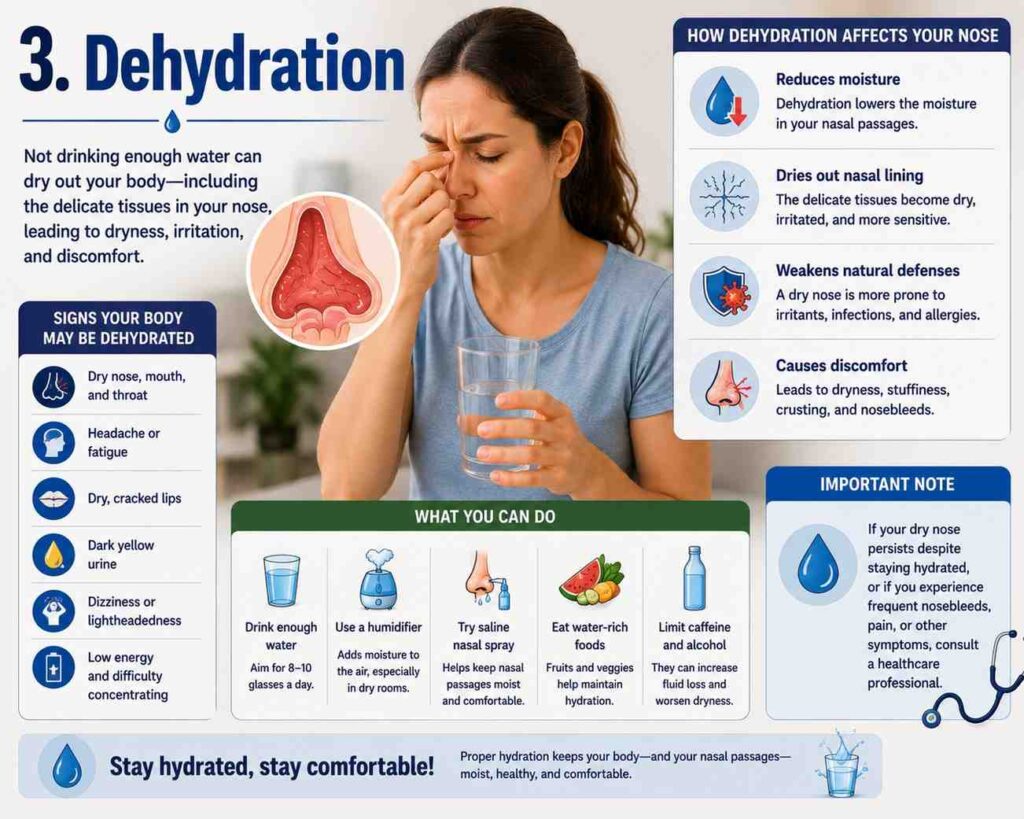
Drinking at least eight cups of water consistently throughout the day and reducing alcohol and caffeine intake are the most direct dietary approaches to addressing dehydration-related nasal dryness. Most people notice improvement within a few days of genuinely prioritizing hydration.
Why Do My Feet Feel Numb When I Wake Up? 10 Hidden Causes You Should Know
4. Allergies and Allergic Rhinitis
Allergic rhinitis is usually associated with a runny, congested nose, and many people do not realize it can also cause nasal dryness, which is why it may not be the first thing they think of when asking why do I have a dry nose. When allergens trigger chronic inflammation in the nasal lining, the inflammatory process can damage the mucous-producing cells of the nasal membrane over time, reducing their ability to maintain adequate moisture. The immune response also draws fluid and blood cells to the nasal tissue in ways that alter the normal mucus balance.
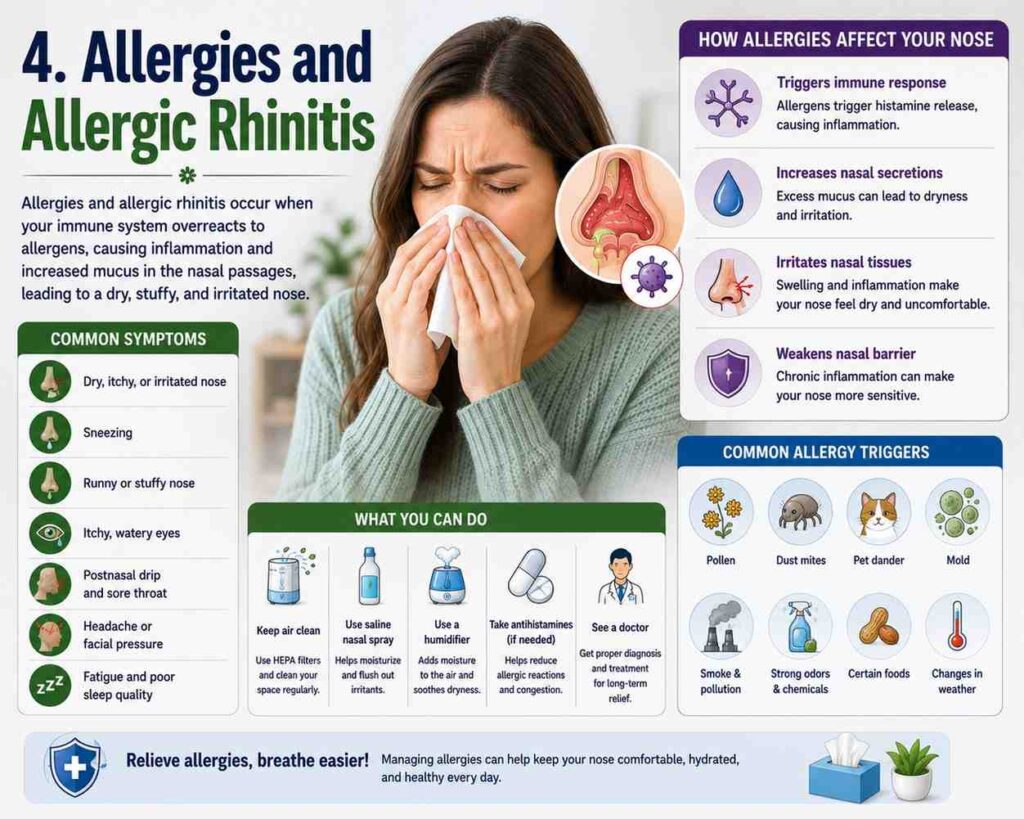
Post-nasal drip, which often accompanies allergic rhinitis, can dry out the deeper nasal passages by diverting mucus production toward the throat. People who treat their allergy symptoms with antihistamines then compound the drying effect through the medication mechanism described above.
If your dry nose follows a seasonal pattern or is worse in specific environments, allergies may be a primary driver of why do I have a dry nose that many people overlook because they associate allergies with a runny nose rather than a dry one. Treating the underlying allergy with nasal steroid sprays rather than oral antihistamines, since steroid sprays reduce inflammation without the drying antihistamine effect, often improves both the allergy symptoms and the associated nasal dryness.
5. Sjogren's Syndrome
Sjogren’s syndrome is an autoimmune condition where the immune system attacks the moisture-producing glands throughout the body, and it is one of the more significant medical answers to why do I have a dry nose, particularly when the nasal dryness is accompanied by severely dry eyes and a persistently dry mouth. In Sjogren’s syndrome, the nasal mucous glands are among the targets of the immune attack, reducing their ability to produce the mucus that keeps the nasal passages moist.
Sjogren’s is significantly more common in women than in men, affecting an estimated four million Americans, and the majority of cases are undiagnosed because the symptoms develop gradually and are often attributed to other causes for years before the autoimmune connection is made. Beyond dry nose, eyes, and mouth, Sjogren’s can cause fatigue, joint pain, and in some cases involvement of the lungs, kidneys, and nervous system.
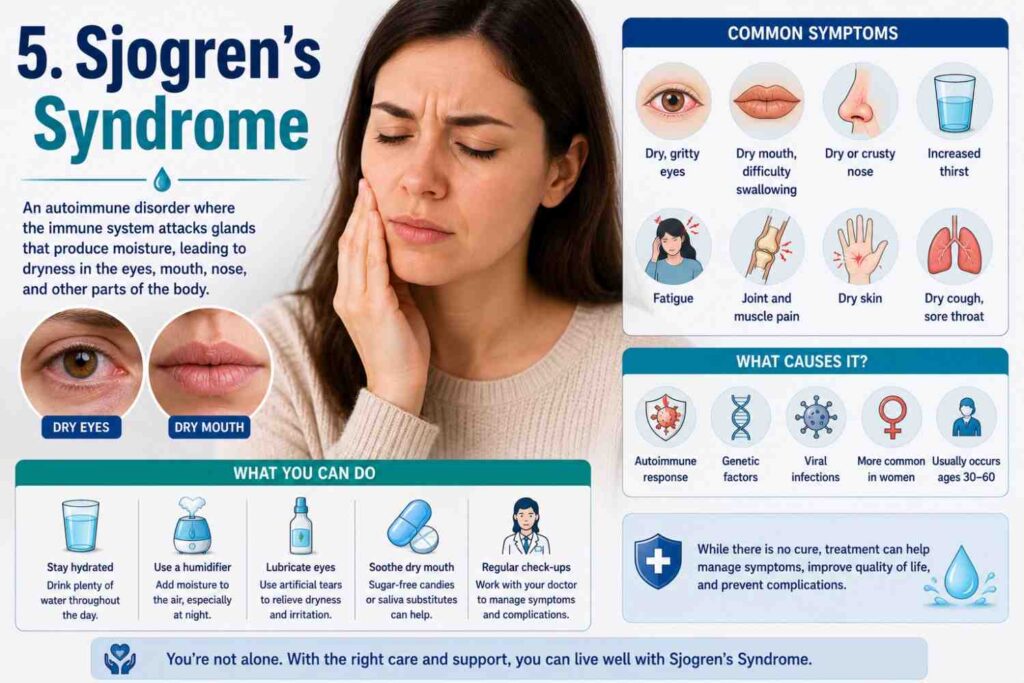
If why do I have a dry nose is accompanied by chronically dry eyes that feel gritty and uncomfortable and a dry mouth that is present throughout the day, a rheumatology evaluation for Sjogren’s syndrome is worth pursuing. Blood tests checking for specific antibodies can confirm or rule out the diagnosis.
Why Do My Feet Feel Numb When I Wake Up? 10 Hidden Causes You Should Know
6. Environmental Irritants
Chronic exposure to environmental irritants is a significant and often overlooked cause of why do I have a dry nose, particularly for people who work in certain industries or environments where airborne chemicals and particles are present daily. Chemical fumes, industrial dust, smoke, cleaning product vapors, and dry dusty air all irritate the nasal lining and can damage the mucous-producing cells over time, reducing moisture production and leading to persistent nasal dryness.
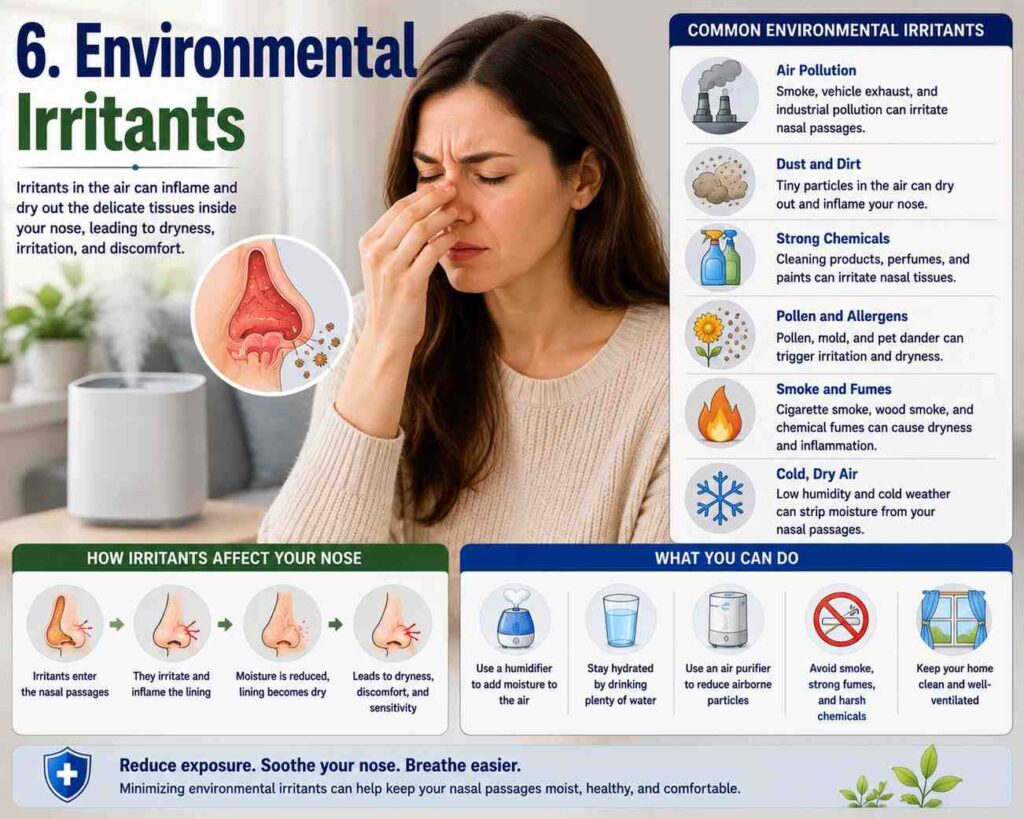
Smokers and people regularly exposed to secondhand smoke experience particularly significant nasal dryness because tobacco smoke directly damages the cilia and mucous glands of the nasal passages. People who work in manufacturing, construction, agriculture, or any environment with significant airborne particles or chemical exposure are at elevated risk for occupationally driven nasal dryness.
Wearing appropriate respiratory protection in occupational environments, improving ventilation, and using nasal saline rinses to cleanse and moisturize the nasal passages after exposure to irritants are the most effective protective and remedial measures for environmentally-driven nasal dryness.
7. Aging
Aging is a natural and inevitable contributor to the question of why do I have a dry nose, and it becomes an increasingly relevant factor from middle age onward. As the body ages, mucous membrane production naturally declines, and many older adults find themselves asking why do I have a dry nose even when their environment and hydration habits have not changed. The nasal lining becomes thinner and less vascular, meaning it receives less blood flow and produces less mucus than it did in younger years. The nasal cilia, which help move mucus and trapped particles through the nasal passages, also become less effective with age.
This age-related nasal dryness is often compounded by the medications that become more common with age, many of which have drying side effects, and by the tendency toward lower fluid intake that can accompany reduced thirst sensation in older adults. Atrophic rhinitis, which is a condition of progressive nasal mucosal atrophy that produces severe nasal dryness, crusting, and occasionally a foul odor, is specifically associated with aging and previous nasal surgery or infection.
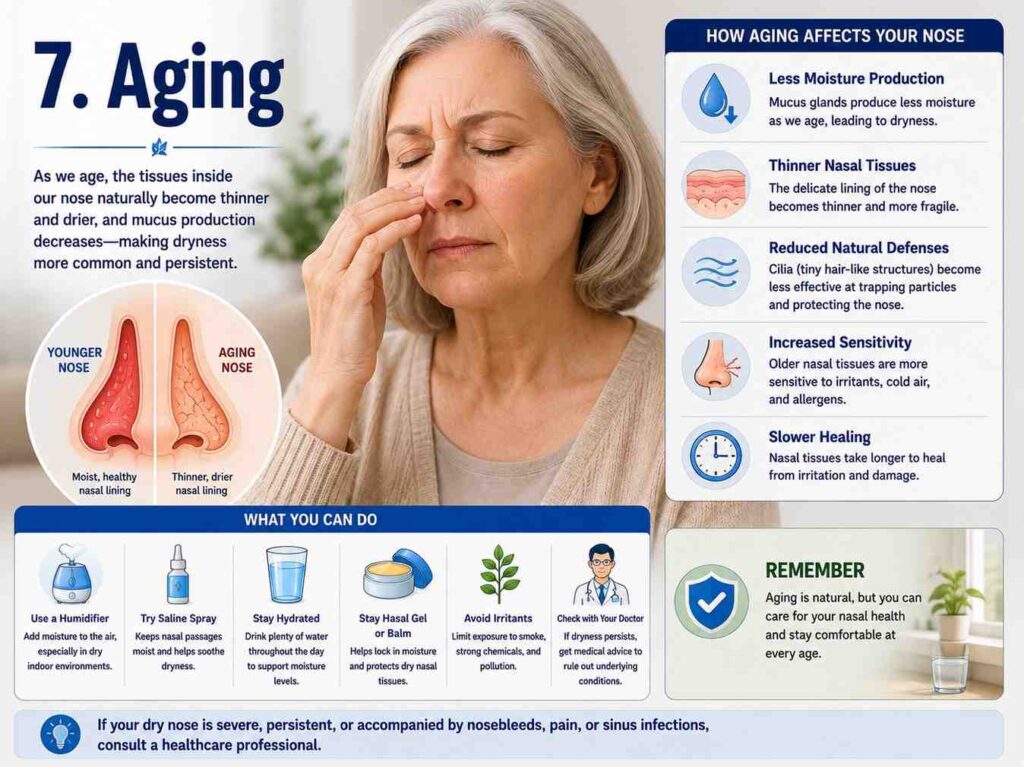
Regular nasal saline irrigation, consistent hydration, bedroom humidification, and nasal moisturizing gels or sprays that supplement the reduced natural mucus production are the most effective approaches for managing age-related nasal dryness.
Why Do My Feet Feel Numb When I Wake Up? 10 Hidden Causes You Should Know
8. Nasal Surgery and Structural Issues
Previous nasal surgery, including rhinoplasty, septoplasty, and turbinate reduction, can alter the normal airflow patterns and moisture balance within the nasal passages in ways that produce chronic nasal dryness as a persistent post-surgical consequence. When turbinates, which are the bony structures within the nose that warm and humidify incoming air, are reduced in size during surgery, the nose’s ability to condition the air passing through it is impaired and the nasal lining dries more quickly.
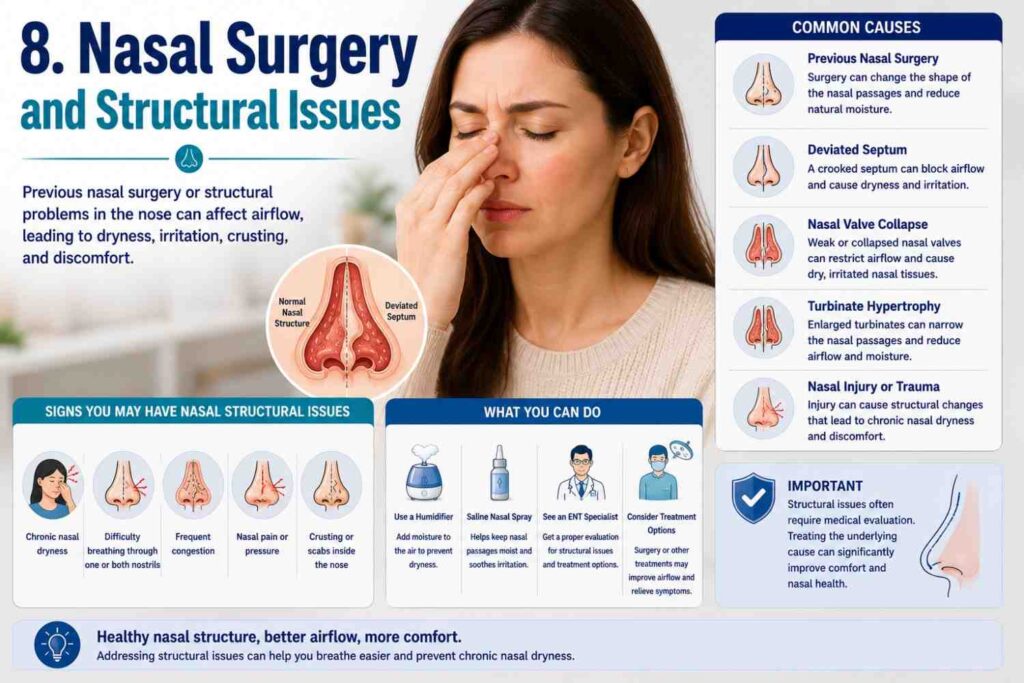
A deviated septum that has not been surgically corrected can also contribute to nasal dryness by creating asymmetric airflow where one nasal passage receives more direct, drying airflow than the other. Nasal valve collapse, which is a narrowing of the nasal opening that increases the velocity of airflow through the nose, has a similar drying effect through the increased evaporation caused by faster air movement.
If your dry nose began or worsened significantly after nasal surgery and you are asking why do I have a dry nose that is worse than before the procedure, discussing this with your ENT surgeon is important. Management options may include different humidification approaches, nasal moisturizing products, or in some cases revisional surgery to address the structural change that is causing the dryness.
9. Thyroid Problems
An underactive thyroid, known as hypothyroidism, is a frequently overlooked medical cause of why do I have a dry nose, and it is particularly worth considering when nasal dryness is accompanied by fatigue, weight gain, and feeling cold all the time. When thyroid hormone production is insufficient, virtually every secretory gland in the body reduces its output, including the mucous glands lining the nasal passages. This generalized reduction in secretion produces dryness not just in the nose but also in the skin, hair, mouth, and eyes, which is why hypothyroidism produces such a characteristic cluster of dryness-related symptoms alongside the more commonly recognized fatigue, weight gain, and cold intolerance.
Women are significantly more likely than men to develop hypothyroidism, and the condition is particularly common in women over 40. The nasal dryness from hypothyroidism often develops gradually alongside the other symptoms, making it easy to attribute to winter air or medications before the thyroid connection is identified.
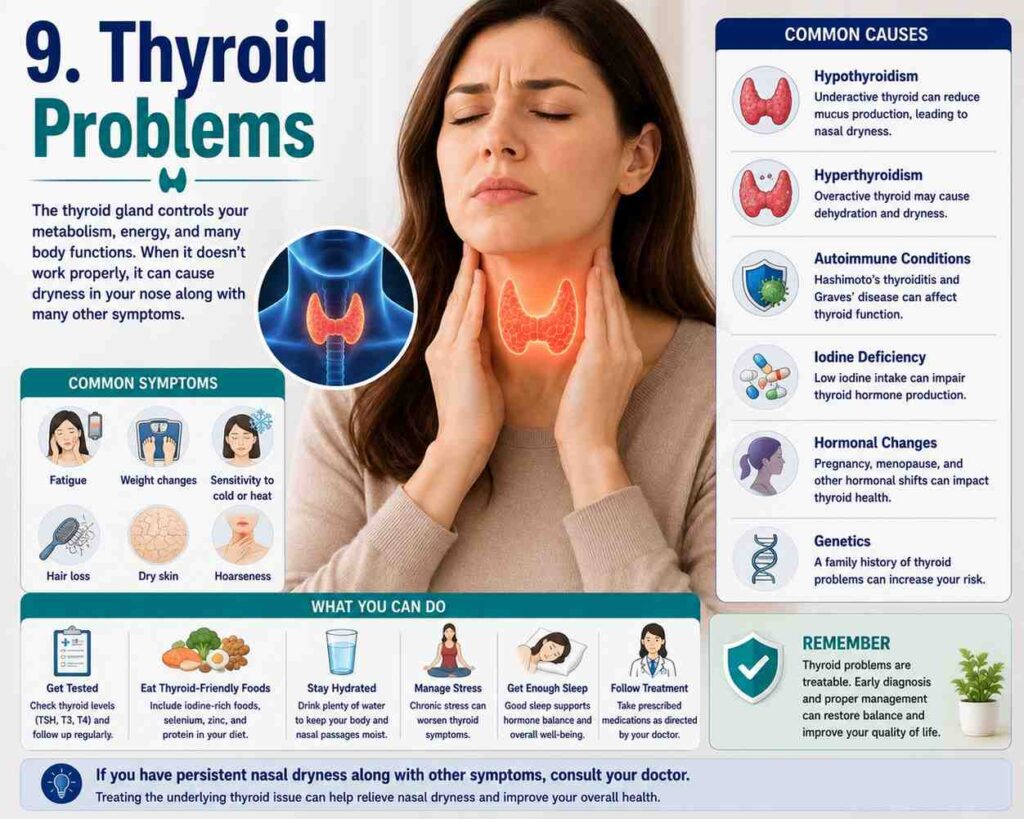
A TSH blood test can identify hypothyroidism quickly and inexpensively. Thyroid hormone replacement therapy, when confirmed, typically restores normal secretory function throughout the body including in the nasal passages and produces noticeable improvement in nasal dryness within several weeks to months of achieving stable thyroid levels.
What Actually Helps a Dry Nose
Regardless of the underlying cause, several approaches provide direct relief for a dry nose. Saline nasal spray or rinse used two to three times daily replenishes moisture directly and helps clear dried crusts without medication side effects. Nasal gels and ointments containing ingredients like aloe, sesame oil, or petroleum-based formulations can provide longer-lasting moisture than saline sprays alone for people with significant dryness.
A bedroom humidifier maintained between 40 and 60 percent humidity addresses the environmental component that is present in almost every case of nasal dryness. Staying well hydrated with water throughout the day, avoiding antihistamines and decongestants when possible, and identifying any medications that may be contributing are all practical steps that address the most common drivers of why do I have a dry nose.
If your nasal dryness is accompanied by frequent nosebleeds, crusting that is difficult to clear, a foul smell from the nose, significant pain, or other symptoms suggesting a systemic condition, a medical evaluation is warranted. An ENT specialist can examine the nasal passages directly and identify whether structural, inflammatory, or systemic factors are driving the dryness.
Why do I have a dry nose is almost always a question with a real answer. Finding that answer makes it possible to actually do something that works. And if why do I have a dry nose has been an ongoing concern for weeks or months, a medical evaluation is a worthwhile investment in your comfort and nasal health.