
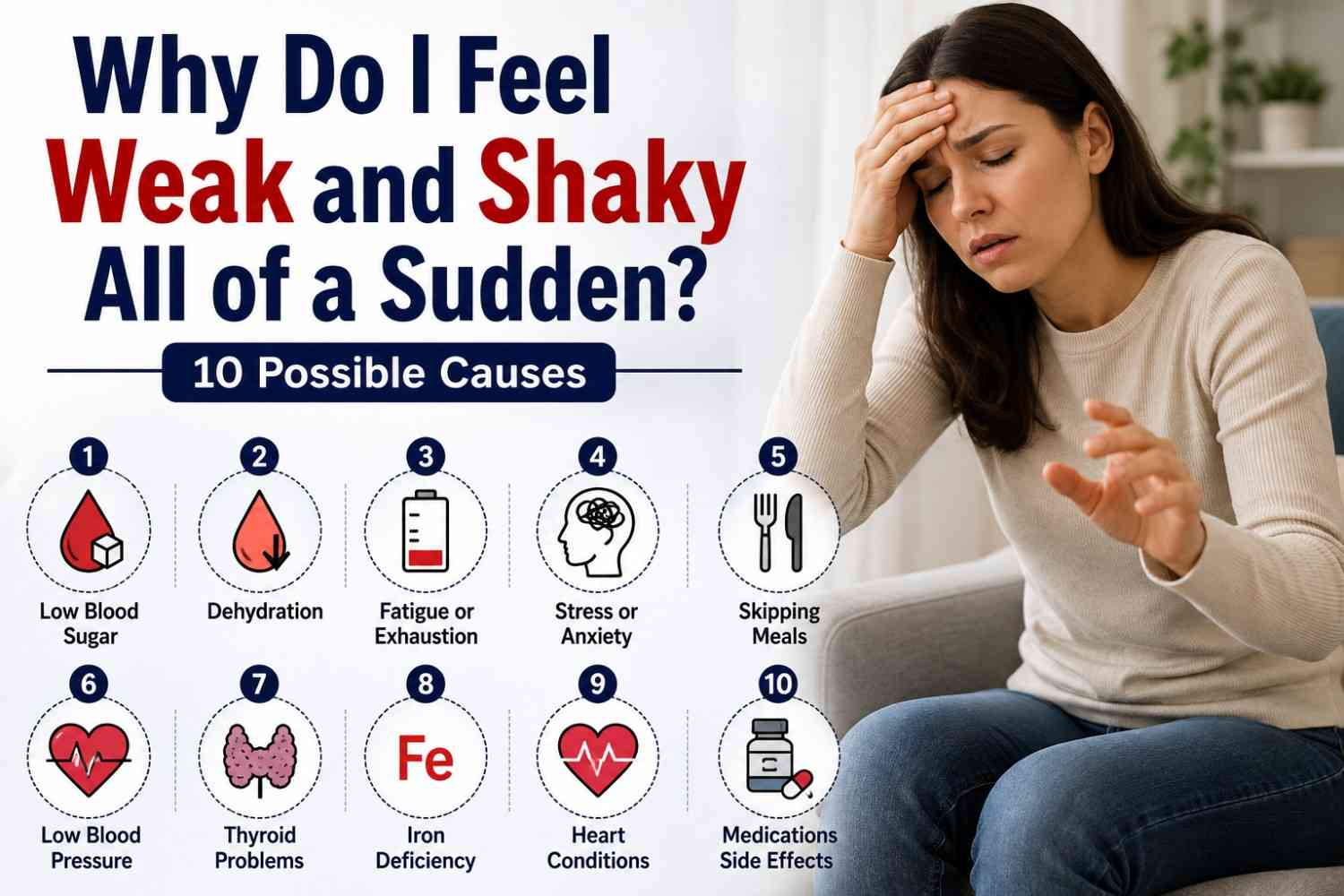
One moment you feel completely fine and the next your hands are trembling, your legs feel like they might give out, and a wave of weakness has come over you that feels alarming and out of nowhere. Feeling weak and shaky all of a sudden is one of those symptoms that stops people in their tracks because it is so dramatic and so unexpected. It can happen at your desk, in the middle of a meal, during exercise, or even when you are just sitting quietly doing nothing strenuous at all.
The causes of feeling weak and shaky all of a sudden range from completely benign and easily fixed to situations that genuinely require prompt medical attention. Knowing the difference is what this guide is about. Here are ten of the most common possible causes and what each one means for your health.
1. Low Blood Sugar
Low blood sugar, medically called hypoglycemia, is the single most common cause of feeling weak and shaky all of a sudden, and the experience is almost universally recognizable once you know what it is. When blood glucose drops below the level needed to fuel the brain and nervous system adequately, the body releases adrenaline as an emergency response to mobilize stored glucose quickly. Adrenaline causes the hands to tremble, the legs to feel weak, and a general shakiness that can come on within minutes and feel quite dramatic.
The pattern of feeling weak and shaky all of a sudden from hypoglycemia is often predictable once you recognize it. It tends to happen before meals, after extended periods without eating, after intense exercise that depleted glucose stores, or following a meal high in refined carbohydrates that caused a blood sugar spike followed by a reactive crash. The weakness and shakiness are typically accompanied by sweating, anxiety, difficulty concentrating, and an intense hunger or craving for something sweet.
For people without diabetes, eating something with fast-acting carbohydrates such as fruit juice, crackers, or a piece of fruit typically resolves feeling weak and shaky all of a sudden from hypoglycemia within 15 minutes. For people with diabetes, this pattern requires careful monitoring and discussion with a doctor about medication timing and meal planning.
2. Anxiety and Panic Attacks
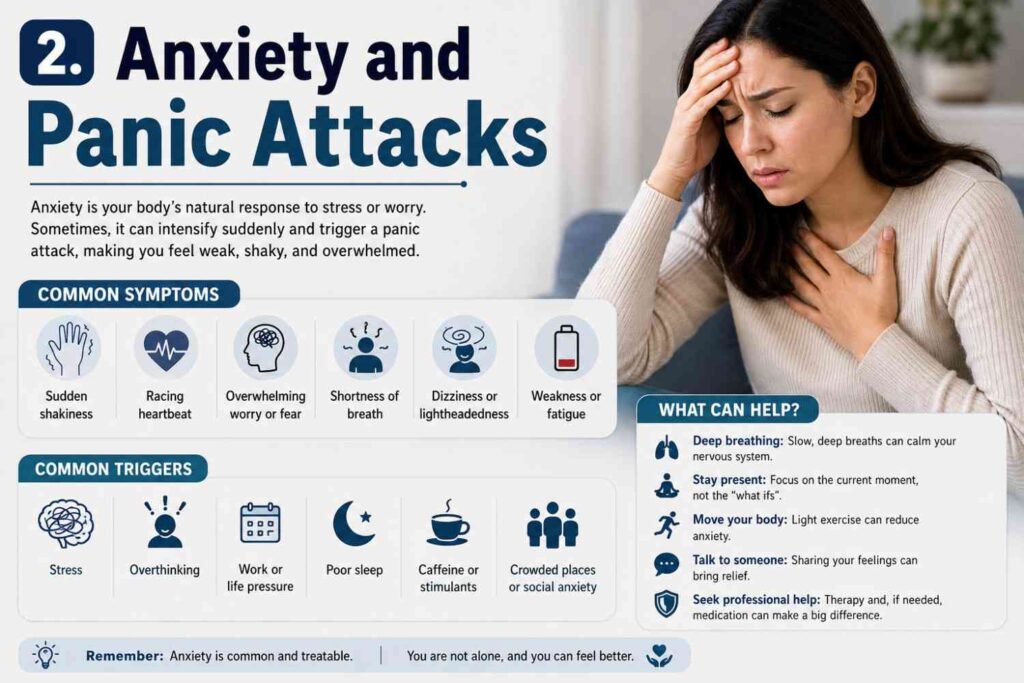
Anxiety and panic attacks are among the most common causes of feeling weak and shaky all of a sudden in otherwise healthy adults, and the physiological mechanism is identical to the adrenaline response described in hypoglycemia, except the trigger is psychological rather than metabolic. When anxiety reaches a level that triggers a panic attack, the body releases a surge of adrenaline that produces trembling, weakness in the limbs, a racing heart, difficulty breathing, sweating, and a terrifying sense that something is seriously wrong.
The weakness from anxiety and panic is real and physical, not imaginary. The muscles are genuinely being affected by the adrenaline surge and the altered breathing pattern that accompanies panic, which produces hyperventilation and drops carbon dioxide levels in the blood. Low carbon dioxide affects how nerves fire, producing the tingling, weakness, and shakiness that make feeling weak and shaky all of a sudden such a consistent feature of panic attacks.
One of the most challenging aspects of panic-driven weakness and shakiness is that the symptoms themselves become a source of additional fear, which amplifies the anxiety and prolongs the episode. Recognizing the pattern for what it is, slowing and deepening the breathing, and reminding yourself that the symptoms will pass typically shortens panic episodes significantly.
3. Dehydration and Electrolyte Imbalance
Significant dehydration combined with electrolyte imbalance is a direct physical cause of feeling weak and shaky all of a sudden that is most commonly experienced after prolonged exercise in hot weather, during a gastrointestinal illness with vomiting and diarrhea, or after a period of very poor fluid intake. When your body loses substantial amounts of fluid and the sodium, potassium, magnesium, and calcium that regulate nerve and muscle function, those systems begin to fail in ways that produce sudden and dramatic weakness and trembling.
The muscles need adequate electrolyte concentrations to contract and relax normally. When electrolyte balance is significantly disrupted, muscle function becomes erratic, producing the weakness and shakiness that can come on quite suddenly as the deficit reaches a tipping point. The weakness from dehydration and electrolyte imbalance is often accompanied by dizziness, headache, muscle cramping, and a general sense of physical depletion.
Drinking water with electrolytes, a sports drink, or consuming electrolyte-rich foods alongside adequate fluid intake typically resolves feeling weak and shaky all of a sudden from this cause over the course of 30 to 60 minutes, faster than from most other causes.
Why Are My Lips Always Dry and Chapped? 9 Hidden Causes You Should Know
4. Severe Anemia
While mild to moderate anemia typically produces gradual, chronic fatigue rather than sudden weakness, severe anemia or a rapid drop in hemoglobin from acute blood loss can cause feeling weak and shaky all of a sudden as the oxygen-carrying capacity of the blood drops below what the body’s tissues need to function. The brain, which is highly sensitive to oxygen deprivation, and the muscles both respond to inadequate oxygen delivery with weakness, trembling, and difficulty maintaining normal function.
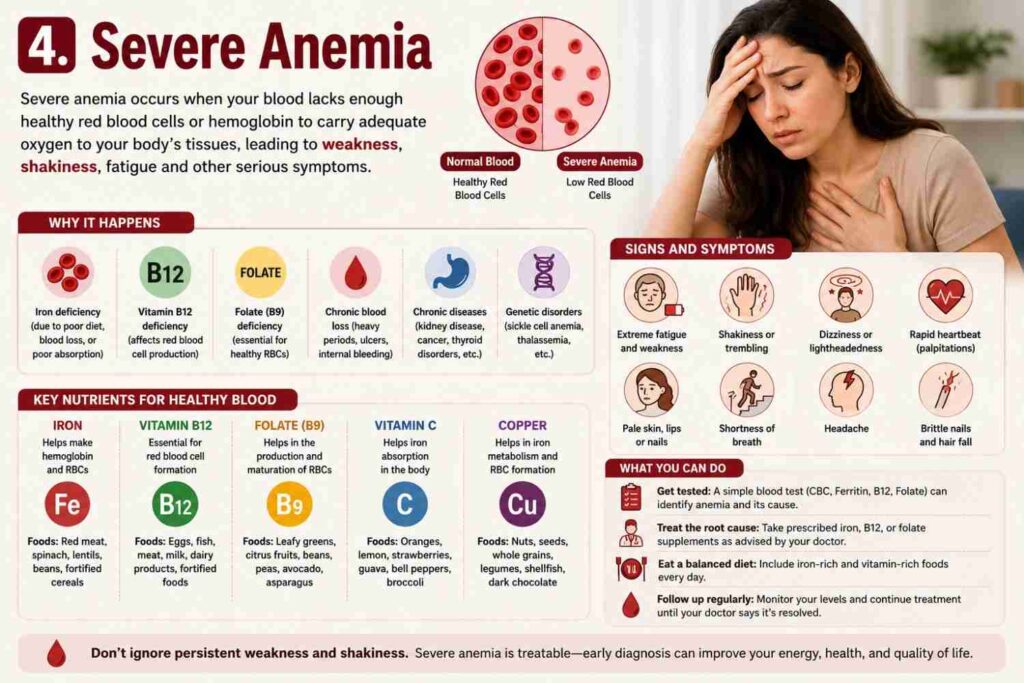
Sudden severe anemia can result from acute internal or external blood loss, from rapid red blood cell destruction in certain medical conditions, or from a rapid worsening of an existing chronic anemia from a new insult. If feeling weak and shaky all of a sudden is accompanied by very pale skin, racing heart, shortness of breath even at rest, or any signs of bleeding, emergency medical evaluation is warranted rather than a wait and see approach.
Why Are My Lips Always Dry and Chapped? 9 Hidden Causes You Should Know
5. Heart Problems
Sudden weakness and shakiness can be a warning sign of a cardiac event, and this is one of the most important causes to recognize promptly. When the heart is not pumping blood effectively from an arrhythmia, a heart attack, or a significant drop in cardiac output from any cause, the brain and muscles receive less blood flow than they need to maintain normal function. The resulting sudden weakness, lightheadedness, shakiness, and sense that something is seriously wrong can come on within seconds and is a medical emergency when accompanied by chest pain, pressure, shortness of breath, or loss of consciousness.
Feeling weak and shaky all of a sudden alongside chest pain, jaw pain, arm pain, severe shortness of breath, or a feeling of impending doom requires calling emergency services immediately rather than waiting to see if the symptoms improve. These symptoms together constitute a potential cardiac emergency where minutes matter for outcome.
Even without the classic chest pain, sudden weakness and shakiness in an older adult or someone with cardiovascular risk factors that is accompanied by any unusual heart sensation, shortness of breath, or fainting deserves urgent medical evaluation rather than home management.
6. Medication Side Effects and Interactions
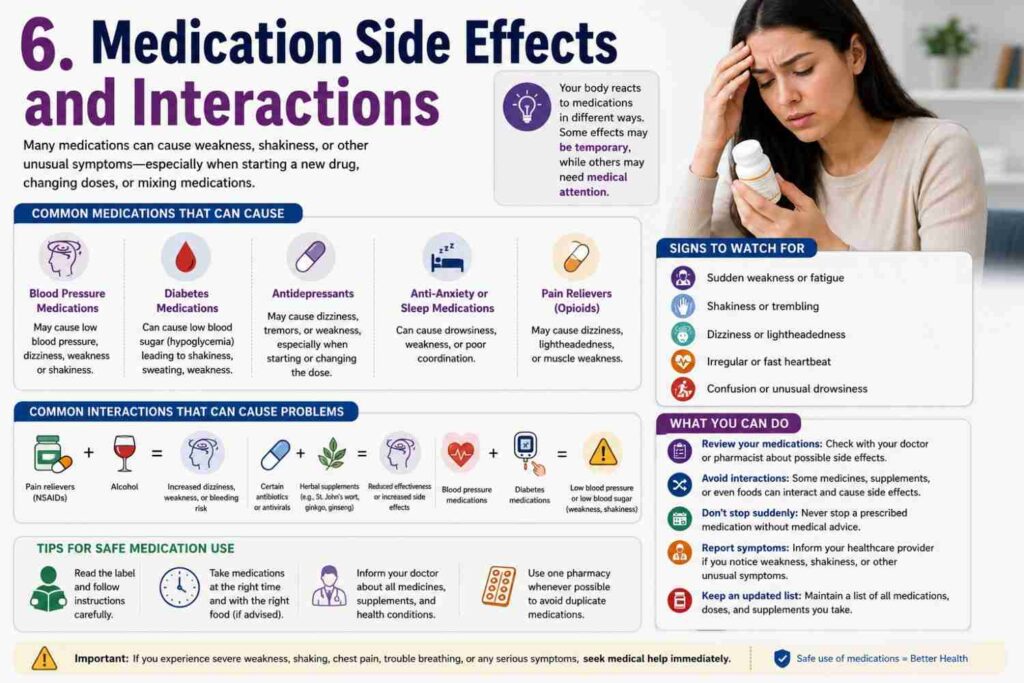
Several medications can cause feeling weak and shaky all of a sudden either as a direct side effect, as a consequence of taking them at the wrong time relative to meals, or through interactions with other medications or supplements. Insulin and diabetes medications that lower blood sugar are the most common culprits, producing weakness and shakiness through the hypoglycemic mechanism described above. Beta-blockers used for blood pressure and heart rhythm can mask the warning signs of hypoglycemia while the weakness and shakiness remain.
Certain blood pressure medications can cause sudden weakness and dizziness when they lower blood pressure more than intended. Medications that affect the nervous system including some antidepressants, antipsychotics, and muscle relaxants can produce sudden weakness and tremor. Stimulant medications taken in too high a dose or at an inappropriate time can produce the adrenaline-like effects of shakiness and weakness.
If feeling weak and shaky all of a sudden began after starting a new medication or changing a dose, this timing is a critical clue worth discussing with your prescribing doctor or pharmacist on the same day.
7. Thyroid Storm or Hyperthyroid Crisis
While hyperthyroidism in its usual chronic form produces ongoing tremor and weakness as described in other articles, a thyroid storm, which is a sudden severe worsening of hyperthyroid symptoms, can produce feeling weak and shaky all of a sudden in a dramatic and dangerous way. Thyroid storm occurs when thyroid hormone levels spike acutely, typically triggered by infection, surgery, trauma, or stopping anti-thyroid medication abruptly.
The weakness and severe trembling of a thyroid storm are accompanied by a racing and potentially irregular heartbeat, extremely high fever, agitation, confusion, and in severe cases heart failure. This is a medical emergency that requires immediate hospital treatment rather than home management.
Even without a full thyroid storm, significant acute worsening of hyperthyroidism can produce sudden weakness and shakiness that is noticeably more dramatic than the person’s usual baseline hyperthyroid symptoms. Any person with known hyperthyroidism who experiences a sudden and significant escalation in tremor and weakness should seek prompt medical evaluation.
Why Are My Lips Always Dry and Chapped? 9 Hidden Causes You Should Know
8. Neurological Events
Sudden weakness and shakiness can be a manifestation of a neurological event including a transient ischemic attack or stroke, and recognizing this possibility is critically important. When blood flow to a part of the brain is interrupted, the specific symptoms that result depend on which brain region is affected. Weakness, trembling, and loss of motor control can occur as isolated symptoms or as part of a broader pattern of neurological dysfunction.
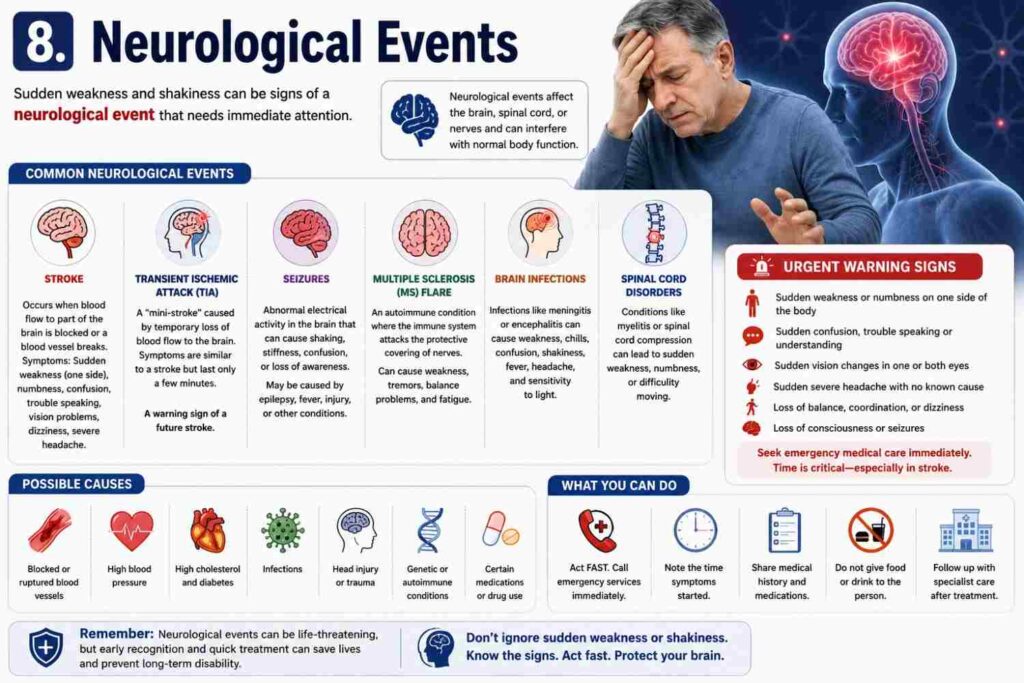
The FAST acronym for stroke recognition includes Face drooping, Arm weakness, Speech difficulty, and Time to call 911. Sudden weakness in one arm or one side of the body, even without facial drooping or speech changes, is a stroke warning sign that warrants emergency evaluation. The weakness of a stroke typically affects one side of the body rather than both sides equally, which is a distinguishing feature from the bilateral weakness of hypoglycemia or anxiety.
Multiple sclerosis relapses can also produce sudden episodes of weakness and shakiness when new lesions affect motor pathways. Epileptic seizures in their postictal phase produce profound weakness and trembling after the seizure itself. Any sudden neurological event that produces weakness and shakiness deserves urgent medical attention to rule out stroke and other time-sensitive conditions.
9. Infection and Fever
Significant infections, particularly those that produce high fever, can cause feeling weak and shaky all of a sudden through the combination of metabolic stress, dehydration, and the direct effects of inflammatory cytokines on muscle function. The severe chills and shaking that accompany fever spikes are the body’s mechanism for generating heat rapidly to fight infection, and the accompanying weakness reflects both the metabolic demand of fighting the infection and the dehydration that often accompanies fever.
Sepsis, which is a life-threatening systemic inflammatory response to severe infection, produces profound sudden weakness, shakiness, confusion, and circulatory compromise that constitutes a medical emergency. If feeling weak and shaky all of a sudden is accompanied by a very high fever, rapid breathing, confusion, or severe overall deterioration, emergency medical care is needed immediately.
For milder infections like influenza, the sudden weakness and shakiness of a fever spike is alarming but not dangerous, typically resolving as the fever is managed with appropriate medications and adequate fluid intake.
10. Adrenal Insufficiency
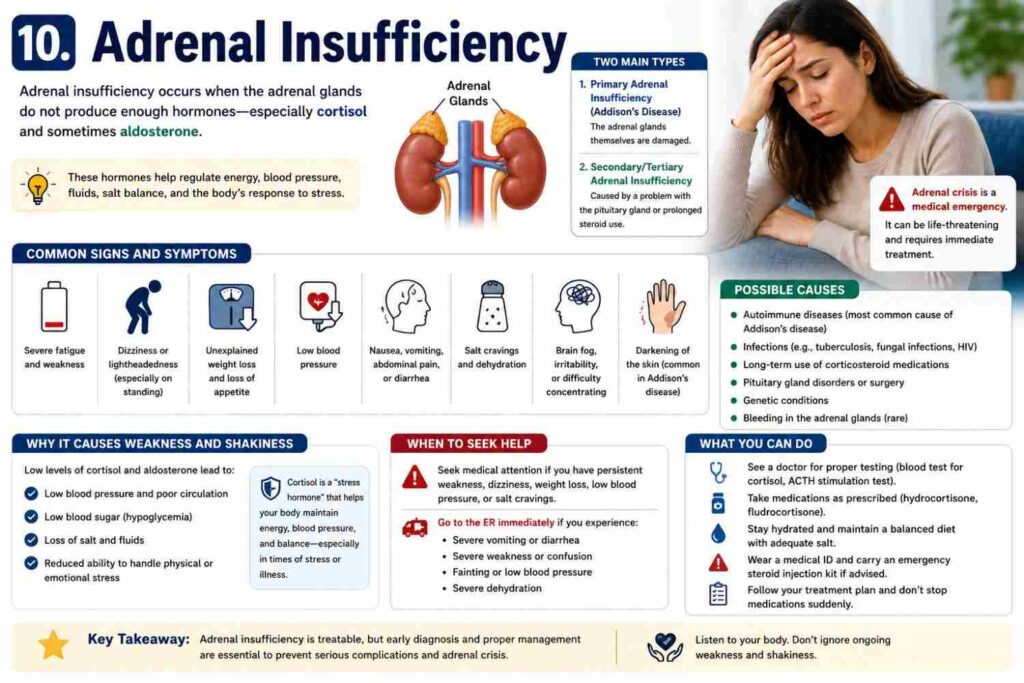
Adrenal insufficiency, where the adrenal glands do not produce adequate cortisol, is a less common but medically significant cause of feeling weak and shaky all of a sudden that is important to recognize. Cortisol plays a critical role in regulating blood pressure, blood sugar, and the body’s response to physical and psychological stress. When cortisol is insufficient, any physical or emotional stress can trigger an addisonian crisis where blood pressure drops, blood sugar falls, and profound weakness, shakiness, nausea, and confusion develop suddenly.
Primary adrenal insufficiency, called Addison’s disease, occurs when the adrenal glands themselves are damaged. Secondary adrenal insufficiency occurs when the pituitary gland does not signal the adrenals to produce cortisol, which can happen in people who have been on long-term corticosteroid medications and then stop or reduce them abruptly.
If feeling weak and shaky all of a sudden is a recurring pattern that you cannot otherwise explain, particularly if it accompanies low blood pressure, unusual fatigue, salt craving, and skin darkening, adrenal insufficiency is worth investigating with appropriate blood tests.
When Is Feeling Weak and Shaky All of a Sudden an Emergency?
Some episodes of weak and shaky all of a sudden resolve quickly with simple measures like eating something, drinking water, or breathing slowly through anxiety. But certain patterns require emergency medical attention.
Call 911 immediately if the sudden weakness and shakiness is accompanied by chest pain, one-sided weakness, facial drooping, slurred speech, severe headache, loss of consciousness, or a very high fever with confusion. These patterns can indicate a cardiac event, stroke, or sepsis where time is critical for outcome.
See a doctor the same day if the episode lasted more than 15 to 20 minutes without an obvious cause, if it was accompanied by significant heart palpitations, if you have diabetes and suspect blood sugar was involved, or if this is not the first episode and you have not yet had an evaluation.
Feeling weak and shaky all of a sudden is your body demanding attention. Most of the time the cause is identifiable and manageable once properly evaluated.
1 thought on “Why Do I Feel Weak and Shaky All of a Sudden? 10 Possible Causes”