
If you have been hearing about intermittent fasting everywhere and wondering whether it is actually worth trying, you are in the right place. Intermittent fasting for weight loss has become one of the most popular and most studied dietary approaches in the world, and for good reason. It is flexible, does not require you to give up entire food groups, and works with your body’s natural biology rather than fighting against it.
This complete beginner’s guide covers everything you need to know to start intermittent fasting the right way, avoid the mistakes most beginners make, and set yourself up for real, lasting results.
Table of Contents
- What Is Intermittent Fasting?
- How Intermittent Fasting Helps With Weight Loss
- Best Intermittent Fasting Methods for Beginners
- How to Start Intermittent Fasting Step by Step
- What to Eat During Your Eating Window
- Foods to Avoid
- Common Beginner Mistakes
- How Long Before You See Results?
- Who Should Not Try Intermittent Fasting?
- Frequently Asked Questions
What Is Intermittent Fasting?
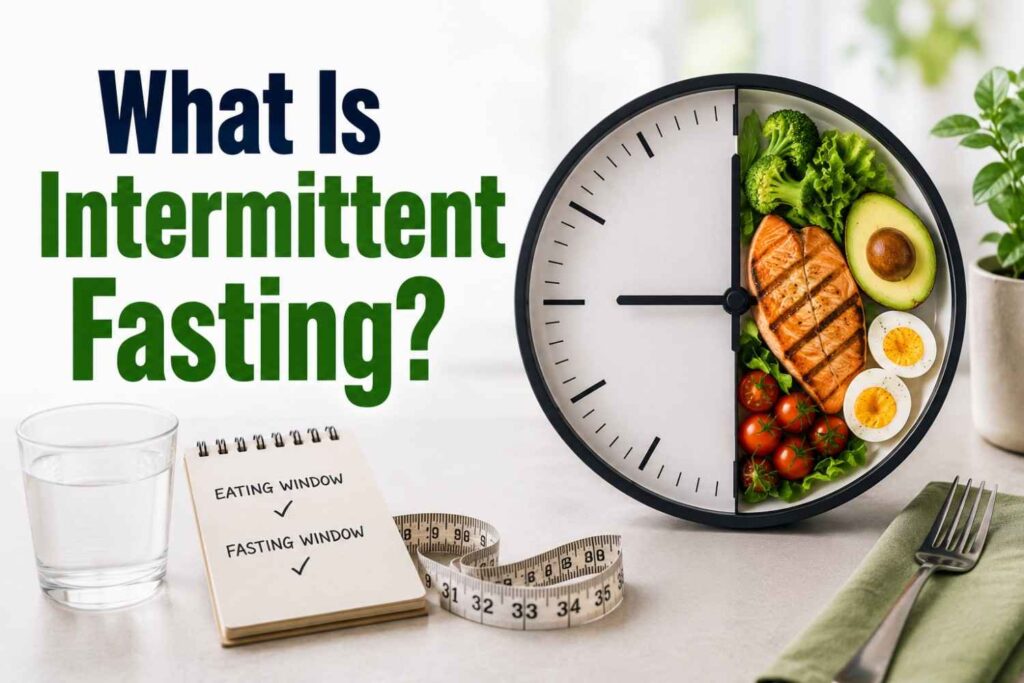
Intermittent fasting is an eating pattern that cycles between periods of fasting and periods of eating. Unlike most diets that tell you what to eat, intermittent fasting for weight loss focuses on when you eat. You are not eliminating any particular food group or counting every calorie from day one. Instead, you are compressing the hours during which you consume food and extending the hours during which your body operates in a fasted state.
The concept is not as radical as it might sound. Humans have fasted throughout history, whether by necessity or by cultural and religious practice. Your body already fasts every night while you sleep. Intermittent fasting simply extends that natural fasting window and makes it intentional.
There are several different intermittent fasting schedules, and they vary in terms of how long the fasting window lasts. Some people fast for 12 to 16 hours every day, while others choose to eat normally for five days and significantly restrict calories on two days per week. The best approach depends on your lifestyle, your health goals, and how your body responds.
What makes intermittent fasting for weight loss particularly appealing as a starting point is its simplicity. There are no special foods to buy, no complicated meal prep systems, and no subscription required. You eat during your window and fast outside of it.
How Intermittent Fasting Helps With Weight Loss
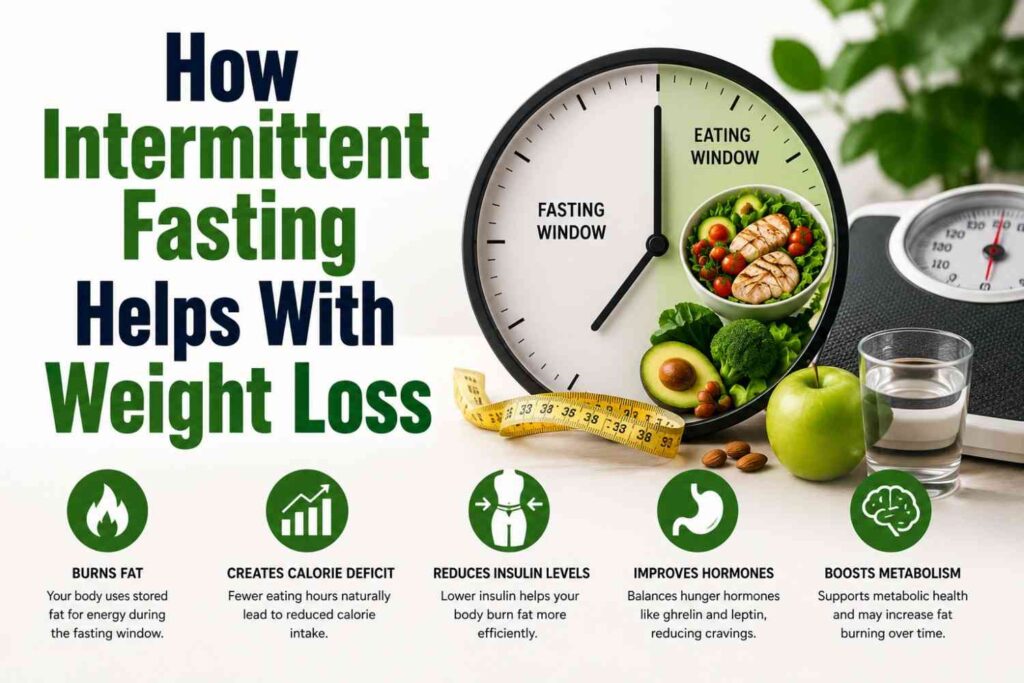
To understand why intermittent fasting for weight loss works, you need to understand what happens in your body during a fast. When you eat, your body breaks down carbohydrates into glucose, which raises your blood sugar and triggers the release of insulin. Insulin’s job is to move that glucose into your cells for energy and to store any excess as fat.
When you stop eating, blood glucose levels drop and insulin levels fall with them. Once insulin is low enough, your body shifts into a fat-burning mode where it starts accessing stored fat for energy instead of relying on incoming food. This metabolic shift is the core driver of weight loss on a weight loss fasting plan.
In a typical eating pattern where meals and snacks are spread across 12 to 16 waking hours, insulin levels rarely drop low enough for significant fat burning to occur. Intermittent fasting solves this by creating a long enough gap between meals for insulin to fall and fat burning to begin.
Beyond the hormonal mechanism, intermittent fasting results in natural calorie reduction for most people. When you have fewer hours to eat, you tend to eat fewer calories overall without having to track every bite. Research published in leading nutrition journals consistently shows that people following an intermittent fasting schedule consume fewer daily calories on average compared to people eating across a standard wide window, even when they are not trying to restrict intake.
Intermittent fasting also supports weight loss by improving insulin sensitivity over time, reducing inflammation, and positively influencing hunger hormones like ghrelin and leptin, which help regulate appetite more effectively.
Best Intermittent Fasting Methods for Beginners
There is no single intermittent fasting schedule that works for everyone. The best method is the one you can maintain consistently. Here are the three most beginner-friendly approaches to intermittent fasting for weight loss:
12:12
The 12:12 method means you fast for 12 hours and eat within a 12-hour window. For most people, this looks like finishing dinner by 7 pm and having breakfast at 7 am. This is the gentlest entry point into intermittent fasting and is ideal if you are completely new to the concept or if you have a history of feeling unwell when skipping meals.
The 12:12 schedule works well as a starting point because it requires almost no change to your existing routine. Most people are already asleep for a large chunk of those 12 fasting hours. It establishes the habit and discipline of eating within defined windows before you move to a more structured approach.
14:10
The 14:10 method extends the fasting window to 14 hours with a 10-hour eating window. A common version of this is eating between 9 am and 7 pm and fasting overnight through the morning. This is the sweet spot for many beginners because it provides a meaningful metabolic benefit beyond 12:12 while still being manageable for people with normal social and work schedules.
Most people find 14:10 comfortable within one to two weeks of starting, and many people stay at this level long-term because it fits naturally into their lives without requiring them to skip social meals or feel significantly hungry.
16:8 Intermittent Fasting
The 16:8 intermittent fasting method is the most popular and most researched protocol. You fast for 16 hours and eat within an 8-hour window, typically something like noon to 8 pm or 10 am to 6 pm depending on your schedule. This effectively means skipping breakfast or pushing it back significantly.
The 16:8 schedule produces stronger and faster intermittent fasting results than shorter fasting windows because the extended fast allows insulin to stay low for longer each day. Most of the clinical research on intermittent fasting for weight loss is based on 16:8 protocols, and the results consistently show meaningful reductions in body weight, waist circumference, and fasting insulin levels.
If you are starting from scratch, work up to 16:8 gradually by spending one to two weeks at 12:12 and another week or two at 14:10 before extending to 16 hours.
How to Start Intermittent Fasting Step by Step
Starting intermittent fasting for weight loss does not require a dramatic overhaul of your life. Here is a simple, practical approach:
Step 1: Choose your starting schedule. If you have never fasted before, begin with 12:12. If you already skip breakfast occasionally without discomfort, start at 14:10 and work toward 16:8 within a few weeks.
Step 2: Set your eating window based on your life. Pick times that align with your work schedule, family meals, and social life. The best eating window is one you can maintain without constantly fighting your schedule. If you work a 9 to 5, a window of 12 pm to 8 pm is popular because it includes lunch and dinner.
Step 3: Decide what breaks your fast. Water, plain black coffee, and plain tea do not break a fast and are encouraged throughout your fasting hours. Anything with calories, including milk in coffee or flavored drinks, breaks the fast and ends the fat-burning state.
Step 4: Plan your first meal thoughtfully. Breaking your fast with a protein-rich meal sets you up for better appetite control throughout your eating window. Eggs, Greek yogurt, grilled chicken, or cottage cheese are excellent starting points.
Step 5: Track your eating window for the first two weeks. Use a free app or simply set reminders on your phone. Building the habit of awareness around your eating window is the foundation everything else sits on.
Step 6: Be patient with discomfort in the first week. Hunger, mild headaches, and low energy in the first several days are normal as your body adapts to the new pattern. These symptoms typically resolve within five to seven days as your hunger hormones recalibrate.
What to Eat During Your Eating Window

Intermittent fasting is not a license to eat anything within your window and expect results. What you eat during those hours directly influences how fast and how effectively the weight loss fasting plan works.
Protein should anchor every meal. Eggs, chicken breast, fish, lean beef, Greek yogurt, cottage cheese, legumes, and protein shakes all help you stay full, preserve muscle mass, and support metabolic rate. Aim for at least 25 to 40 grams of protein per meal.
Vegetables and fiber-rich foods are your best friends. Leafy greens, broccoli, cauliflower, zucchini, peppers, and cucumbers are low in calories but high in volume and nutrients. They fill your stomach, slow digestion, and keep blood sugar stable.
Healthy fats support satiety. Avocado, olive oil, nuts, seeds, and fatty fish like salmon provide sustained energy and help you stay comfortable until your next meal without spiking insulin significantly.
Complex carbohydrates in moderation. Sweet potatoes, brown rice, oats, and quinoa are fine choices when portioned appropriately. They provide energy and fiber without the rapid blood sugar spikes that refined carbs cause.
Stay hydrated. Drink water consistently throughout your eating window and your fasting hours. Dehydration mimics hunger and can make your fast feel significantly harder than it needs to be.
Foods to Avoid
Certain foods can undermine your intermittent fasting for weight loss results even when you are eating them within your window. Being aware of these makes a meaningful difference in how quickly you see progress.
Refined sugar and processed carbohydrates spike insulin sharply and quickly, which shortens the fat-burning benefit you just spent 16 hours creating. White bread, pastries, candy, sugary cereals, and most packaged snack foods fall into this category.
Liquid calories are particularly problematic because they add calories without triggering satiety. Juice, sweetened coffee drinks, soda, sports drinks, and alcohol all fall here. A single flavored coffee drink can contain 400 calories that your body processes as pure sugar.
Ultra-processed foods are engineered to override your satiety signals and make you eat more than you need. Chips, fast food, frozen meals with long ingredient lists, and packaged cookies tend to produce the same issue even in smaller portions.
Eating too close to bedtime is worth avoiding not because of some metabolic magic around nighttime eating but because late eating compresses your overnight fast and reduces the total fasting hours you accumulate. Aim to close your eating window at least two to three hours before sleep.
Common Beginner Mistakes
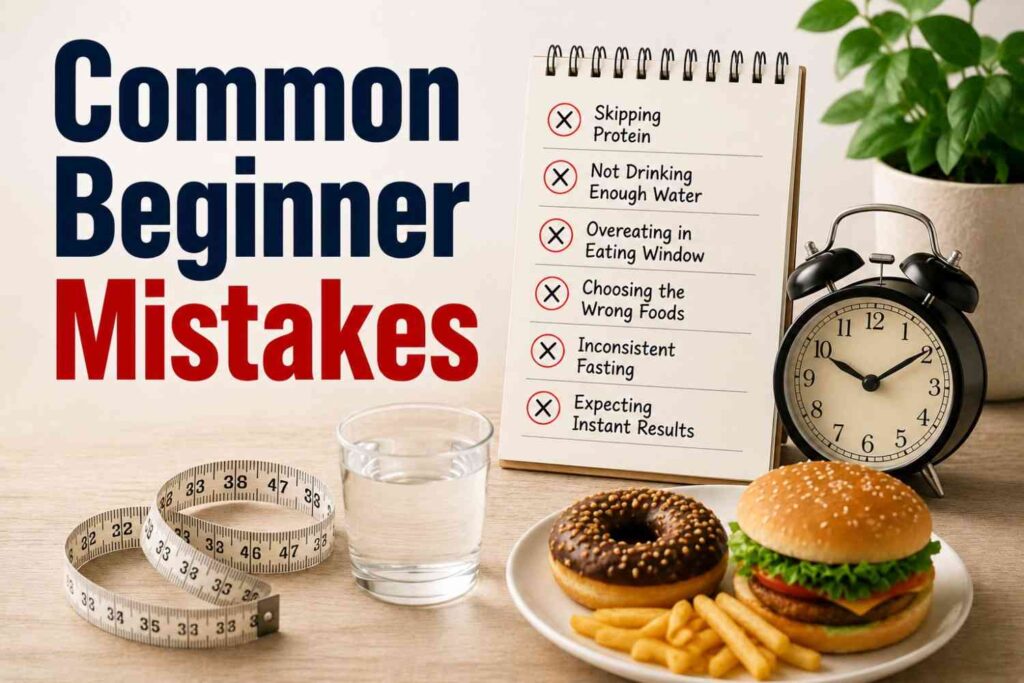
Understanding what not to do is just as important as knowing what to do when you are starting intermittent fasting for weight loss. These are the mistakes that most commonly slow results or cause people to quit before giving the approach a real chance.
Overeating during the eating window is the most common issue. Some people treat the eating window as a reward for fasting and consume far more calories than their body needs. Intermittent fasting creates a natural reduction in eating opportunity, but it does not override a large calorie surplus.
Drinking caloric beverages during the fast is the second most common mistake. Milk in coffee, flavored sparkling water with sweeteners, and protein shakes all break the fast and interrupt the insulin-lowering effect you are trying to extend.
Expecting results too quickly leads to discouragement and early quitting. The first week often shows a drop in weight from water loss and glycogen depletion, followed by a slower phase of actual fat loss. Many beginners interpret this slowdown as failure when it is actually the process working correctly.
Not eating enough protein during the eating window causes muscle loss alongside fat loss, which slows metabolism and makes long-term maintenance harder. Every meal in your window should include a meaningful protein source.
Jumping straight to aggressive protocols like 18:6 or OMAD (one meal a day) before your body has adapted often leads to intense hunger, low energy, and giving up. Starting at 12:12 and building gradually is a much more effective long-term strategy.
For a deeper look at how to get more out of your fasting routine once you are past the beginner stage, our guide on How to Speed Up Intermittent Fasting Results covers nine specific adjustments that meaningfully accelerate progress.
How Long Before You See Results?
This is the question every beginner asks about intermittent fasting for weight loss, and the honest answer is that it depends on several factors including your starting point, how consistently you follow your schedule, what you eat during your window, and how active you are.
That said, here is a realistic general timeline:
Week 1 to 2: Most people notice a drop of two to four pounds, primarily from reduced water retention and lower glycogen stores. Energy levels may fluctuate as your body adapts. Some people feel noticeably less bloated and report better mental clarity by the end of week two.
Week 3 to 6: Actual fat loss becomes more consistent. The scale may move more slowly than in week one, but body composition is shifting. Many people notice their clothes fitting differently before the scale reflects significant change.
Month 2 to 3: This is when intermittent fasting results become visibly obvious for most consistent followers. Waist circumference decreases, energy levels stabilize, and the eating pattern starts to feel natural rather than effortful.
Beyond 3 months: People who reach this point with consistency typically report that intermittent fasting has become a default lifestyle rather than a diet. Results continue at a sustainable pace and the habits around the eating window become largely automatic.
For a detailed breakdown of what to expect at each stage, read our full article on How Long Before You See Real Intermittent Fasting Results which covers the timeline in depth with practical guidance for each phase.
Who Should Not Try Intermittent Fasting?
Intermittent fasting for weight loss is safe and beneficial for the majority of healthy adults, but it is not appropriate for everyone. The following groups should consult a doctor before starting any fasting protocol:
Pregnant or breastfeeding women have increased nutritional needs that make calorie and nutrient restriction potentially harmful for both mother and baby.
People with a history of eating disorders including anorexia, bulimia, or binge eating disorder should approach fasting with caution as it can reinforce restrictive patterns or trigger disordered eating behaviors.
People with Type 1 diabetes or those on insulin medications need careful medical supervision because fasting significantly affects blood glucose levels and medication timing.
Children and teenagers are still developing and should not follow adult fasting protocols without medical guidance.
People who are underweight or malnourished should not restrict eating windows further without addressing underlying nutritional needs first.
Anyone with a chronic medical condition or taking prescription medications should speak with their healthcare provider before starting, as fasting can interact with both conditions and medications in ways that require monitoring.
If you fall outside these categories and are a generally healthy adult, intermittent fasting is widely considered a safe approach when implemented sensibly and gradually.
Frequently Asked Questions
Can I drink coffee while fasting? Yes. Plain black coffee does not break a fast and is one of the most popular tools for managing hunger during fasting hours. It also mildly elevates metabolism and can enhance fat burning. Just make sure you are not adding sugar, cream, milk, or flavored syrups, as these contain calories that will interrupt your fast.
Will intermittent fasting slow my metabolism? Short-term fasting does not slow metabolism. In fact, fasting for up to 24 to 48 hours has been shown in research to slightly increase metabolic rate due to elevated norepinephrine levels. The concern about metabolism applies to very long-term severe calorie restriction, not the moderate fasting windows used in intermittent fasting for weight loss.
Do I have to count calories on intermittent fasting? You do not have to count calories, and that is one of intermittent fasting’s biggest advantages over traditional diets. Most people naturally eat less by compressing their eating window. That said, if your results stall after several weeks, tracking your intake for a week or two can reveal whether you are accidentally eating more than you realize.
What is the best intermittent fasting schedule for beginners? The best schedule is the one you can maintain consistently. Start with 12:12 if you are completely new to fasting, move to 14:10 after one to two weeks, and work toward 16:8 intermittent fasting once you feel comfortable. Most research supports 16:8 as the sweet spot for weight loss results combined with long-term sustainability.
Can I work out while fasting? Yes, and many people prefer to exercise in a fasted state. Light to moderate exercise like walking, yoga, or low-intensity cardio is comfortable for most people during the fasting window. For strength training or high-intensity workouts, some people prefer to schedule these near the start of their eating window so they can refuel immediately afterward.
Will I lose muscle on intermittent fasting? You can lose muscle if you are not eating enough protein during your eating window and not doing any resistance training. Eating sufficient protein (at least 0.7 to 1 gram per pound of body weight) and including strength training two to three times per week effectively protects muscle mass while you lose fat.
Is intermittent fasting safe for women? Yes, for most healthy women intermittent fasting for weight loss is safe and effective. Some research suggests women may be more sensitive to changes in eating patterns due to hormonal factors, which is why starting with a shorter fasting window like 12:12 or 14:10 and building up gradually is especially important for women.
What if I feel dizzy or lightheaded while fasting? Mild lightheadedness in the first few days is common as your body adapts. Make sure you are drinking enough water and getting adequate sodium, as electrolyte imbalance is a common cause of fasting-related dizziness. If symptoms persist beyond the first week or are severe, stop fasting and consult a healthcare provider.
The Bottom Line
Intermittent fasting for weight loss is one of the most accessible, flexible, and evidence-supported approaches available to anyone who wants to lose weight without the complexity of tracking every macronutrient or eliminating foods they enjoy. The key is starting at the right level for your body, building the habit gradually, eating well during your window, and giving the process enough time to show what it can do.
The beginner intermittent fasting guide above gives you everything you need to start with confidence. Pick your schedule, set your window, and commit to consistency for at least four to six weeks before evaluating your results.
For more in-depth guidance on making the most of your intermittent fasting journey, explore the full collection of fasting and nutrition resources at PureWellTips. Whether you are just starting out or looking to break through a plateau, there is practical, evidence-based guidance waiting for you.