
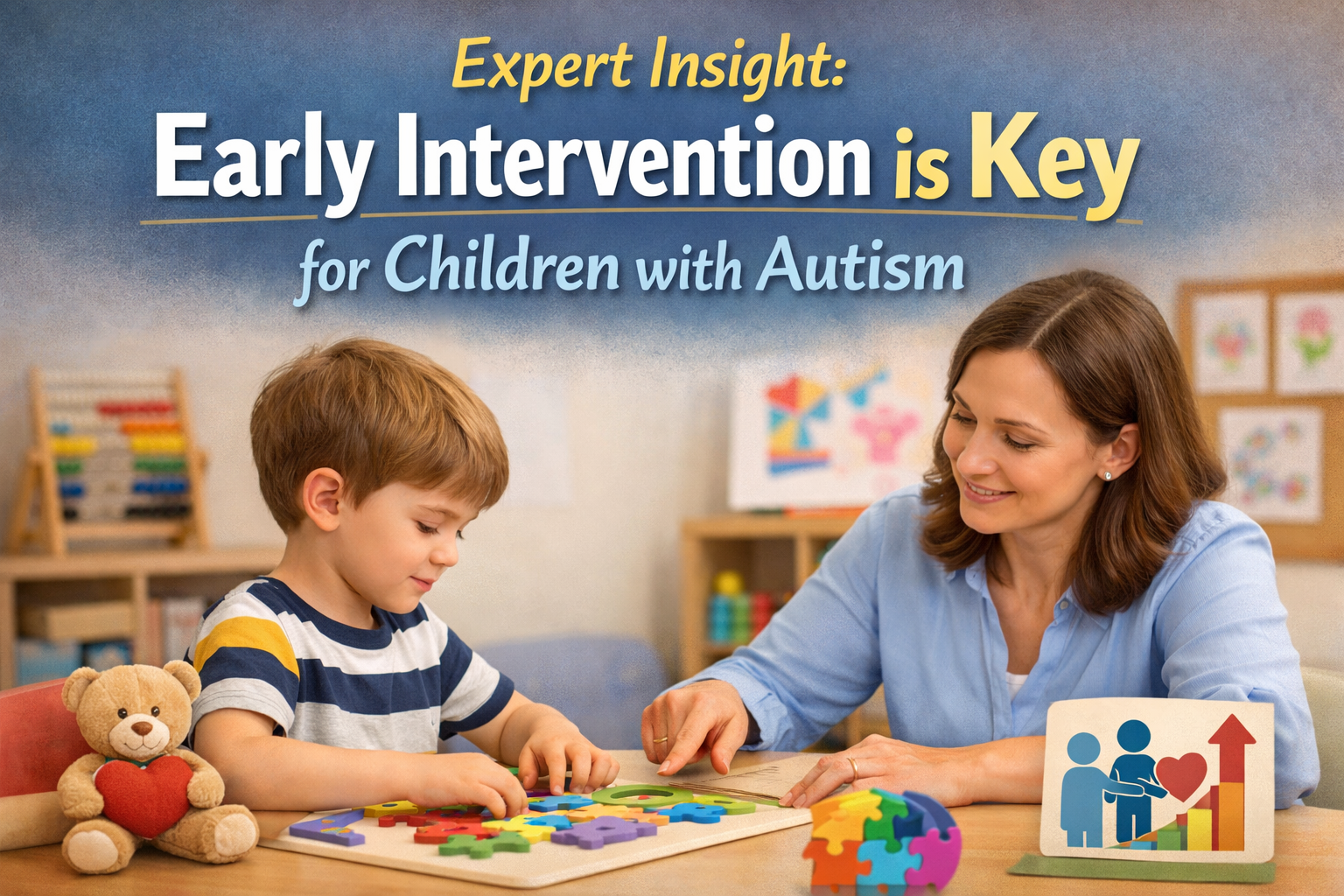
Autism Spectrum Disorder (ASD) is a developmental condition that affects communication, behavior, and social interaction of a person. While every child with autism is unique, but one common factor consistently highlighted by experts is the importance of early intervention. Recognizing the signs early and taking action can significantly improve a child’s development and quality of life.
In recent years, awareness about autism has grown widely, but many parents still struggle with identifying the early signs or knowing when to seek help. Often, subtle developmental delays such as lack of eye contact, delayed speech, or limited social engagement are overlooked, underestimated or dismissed as just a phase of regular life. However, experts pointed out that pointing these signs early can open up a child’s full potential.
Early intervention is not just about therapy, it’s about giving children the tools they need during the most critical stage of their brain development. The first few years of life are when the brain is most adaptable and in the stage of learning the most, making it the ideal time to introduce structured support systems. The earlier the intervention begins, the greater the chances of positive outcomes are there.
What is Early Intervention in Autism?
Early intervention refers to a range of services and therapies designed to support young children with developmental delays or autism. These services typically target children from birth to around six years of age and focus on improving communication, motor skills, cognitive abilities, and social interactions.
Programs may include speech therapy, occupational therapy, behavioral therapy such as Applied Behavior Analysis, and social skills training. These interventions are created to each child’s individual needs and to keep ensuring a personalized approach that maximizes progress.
Why Timing Matters
The human brain undergoes rapid development during early childhood. Neural connections are formed at an extraordinary rate, making this period crucial for learning and adaptation. Early intervention leverages this window of opportunity to help children develop essential skills.
Research shows that children who receive early support are more likely to develop better language skills, improved social interactions, and greater independence later in life. In contrast, delayed intervention can make it more challenging to address developmental gaps.
Recognizing Early Signs of Autism
Identifying autism early is the first step toward effective intervention. If parents notice any of these signs, it is very important to consult a pediatrician or developmental specialist promptly. Early screening can lead to early diagnosis and early support. While symptoms can vary, some common early signs include:
- Delayed speech or language development
- Difficulty understanding social emotions
- Preference for routines and resistance to change
- Limited eye contact or lack of response to their name
- Repetitive behaviors such as hand-flapping or rocking
Types of Early Intervention Therapies
Different therapies address different aspects of development. A multidisciplinary approach normally gives the best results, as it addresses the child’s development globally. Some of the most effective early intervention approaches include:
- Speech Therapy: Helps children improve verbal and non verbal communication skills.
- Occupational Therapy: Focuses on developing daily living skills and sensory integration.
- Behavioral Therapy (ABA): Encourages positive behaviors and reduces challenging ones.
- Physical Therapy: Supports motor development and coordination.
Long Term Benefits of Early Intervention
Early intervention plays a powerful role in shaping the future of children with autism by laying a strong developmental foundation during their most formative years. When support begins early, children are better equipped to build essential communication, social, and cognitive skills that continue to benefit them throughout life.
One of the most significant long term advantages is improved independence. Children who receive timely therapies often develop the ability to manage daily tasks, express their needs effectively, and engage more confidently in social environments. This can lead to better academic performance and increased participation in school activities.
Additionally, early support fosters stronger relationships. Children become more capable of forming connections with peers, teachers, and family members, which is crucial for emotional well being. In the long run, early intervention can open doors to greater opportunities, helping individuals with autism lead fulfilling, productive, and more independent lives.
Conclusion
Early intervention is a crucial step in supporting children with autism and helping them reach their full potential. By recognizing the signs early and seeking timely professional guidance, parents can make a lasting impact on their child’s development. The early years provide a unique window of opportunity where the brain is most adaptable, making interventions more effective and meaningful.
With the right combination of therapies, consistent support, and active parental regular involvement, children can develop essential life skills that improve their independence and confidence. Early intervention not only benefits the child but also empowers families with the knowledge and tools needed to navigate the journey ahead.
Ultimately, autism is not a limitation but a different way of experiencing the world. With understanding, acceptance, and early action, children with autism can grow, learn, and thrive in their own unique ways, leading fulfilling and meaningful lives.