

You finish your meal, push back from the table, and within a few minutes the room starts to spin. Or maybe it is more of a lightheaded, woozy feeling that makes you want to sit back down and wait it out. If you feel dizzy after eating on a regular basis, you are probably wondering what is going on and whether it is something you should be worried about.
The truth is that feeling dizzy after eating is more common than most people realize, and it has a wide range of possible causes. Some of them are completely harmless and easy to fix. Others are worth paying attention to and discussing with a doctor. Understanding what is behind your post-meal dizziness is the first step to actually making it stop.
Here are ten of the most common hidden reasons you feel dizzy after eating and what each one means for your health.
1. Postprandial Hypotension: The Most Common Culprit
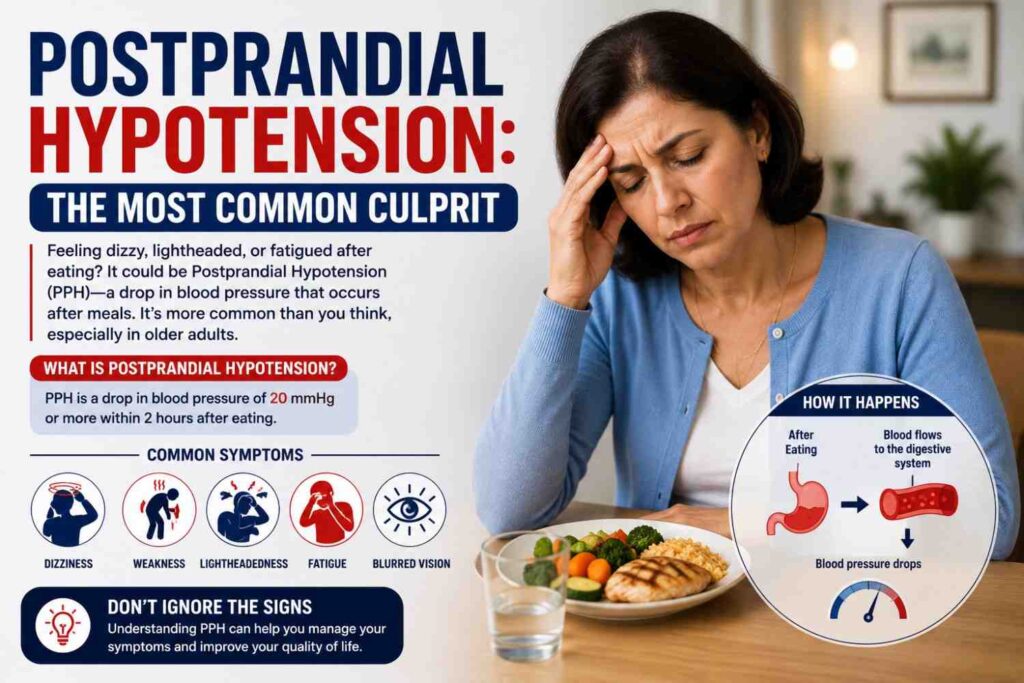
If you regularly feel dizzy after eating, postprandial hypotension is the most likely explanation and also one of the least talked about conditions in everyday health conversations. Postprandial hypotension is a drop in blood pressure that happens specifically after eating, and it affects a significant portion of older adults as well as people with certain medical conditions.
Here is what happens. When you eat, your body sends a large amount of blood to your digestive system to handle the work of breaking down food and absorbing nutrients. In a healthy cardiovascular system, your heart compensates by beating slightly faster and your blood vessels constrict slightly to maintain blood pressure throughout the rest of your body. In postprandial hypotension, that compensation does not happen effectively, blood pressure drops, and the reduced blood flow to your brain causes you to feel dizzy after eating.
Large meals, high-carbohydrate meals, and meals eaten quickly tend to trigger the most significant blood pressure drops. Eating smaller, more frequent meals, reducing refined carbohydrate intake, and sitting quietly for 30 minutes after eating rather than standing up quickly can all help reduce how dizzy after eating you feel.
2. Blood Sugar Spikes and Crashes
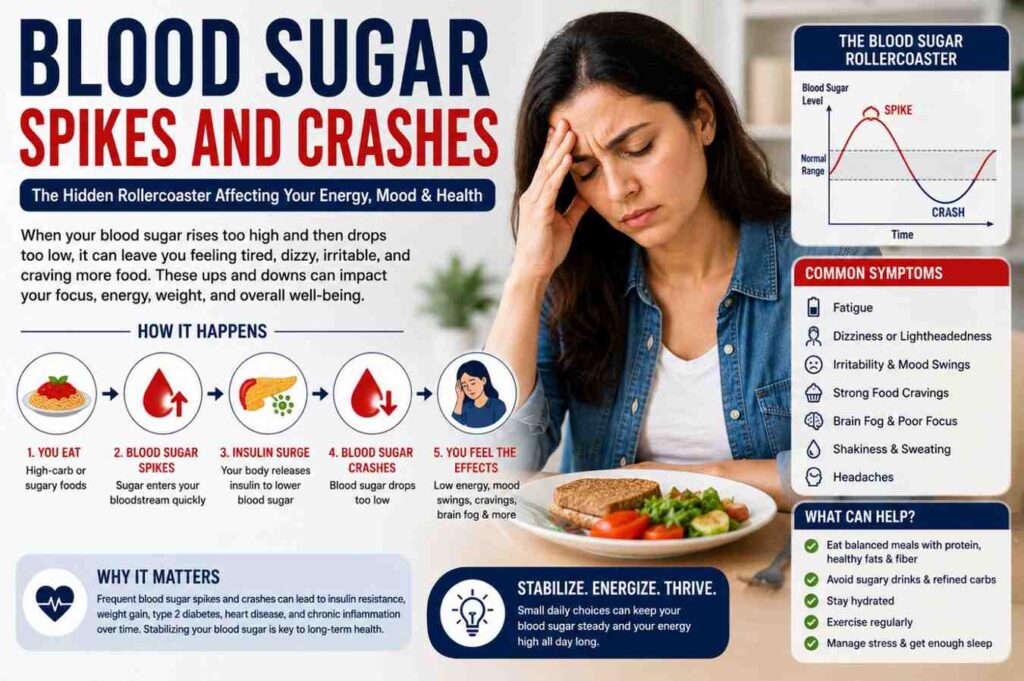
This is one of the most common reasons people feel dizzy after eating, particularly after meals that are heavy in refined carbohydrates and sugar. When you eat a high-glycemic meal, your blood sugar rises rapidly. Your pancreas releases a surge of insulin to bring it back down. If that insulin response is too strong relative to the glucose available, blood sugar can drop below baseline, a condition called reactive hypoglycemia.
When blood sugar crashes after a meal, your brain, which runs almost exclusively on glucose, suddenly finds itself short on fuel. The result is dizziness, lightheadedness, shakiness, difficulty concentrating, and sometimes heart palpitations. You might notice this happening one to two hours after a large carbohydrate-heavy meal, which is the typical timing of a reactive blood sugar crash.
Balancing your meals with adequate protein, healthy fat, and fiber slows glucose absorption and prevents the sharp spike and crash cycle that makes you feel dizzy after eating. Reducing portion sizes of refined carbohydrates and eating them alongside other macronutrients rather than alone is the most effective dietary change for this cause.
3. Dehydration
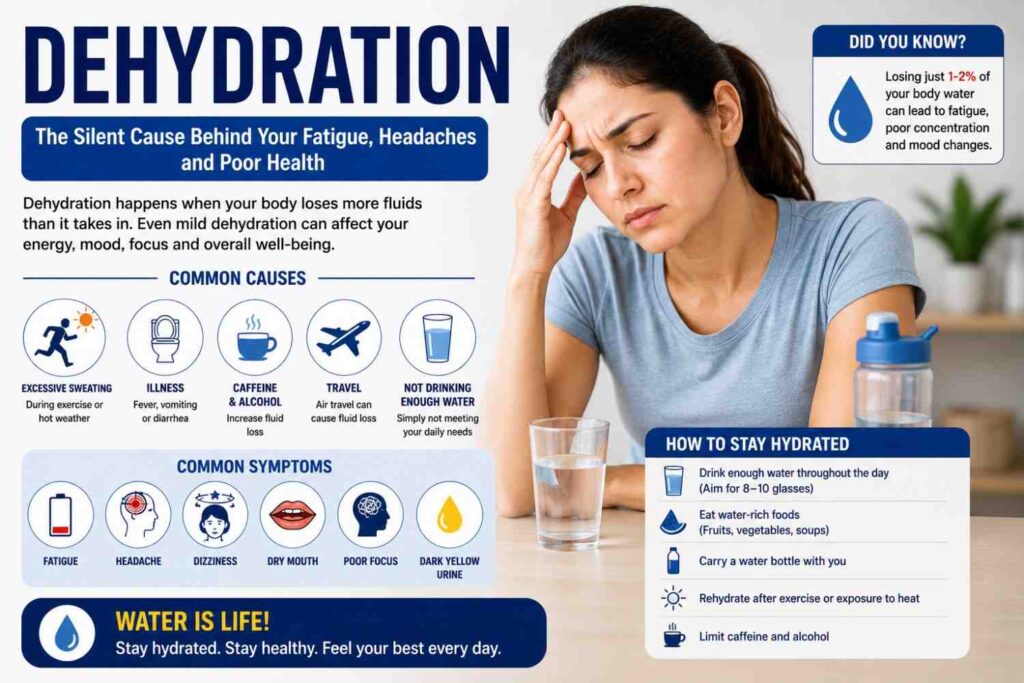
Dehydration is one of the most overlooked reasons people feel dizzy after eating, and the connection is more direct than most people expect. When you are dehydrated, your blood volume is lower than it should be. Lower blood volume means lower blood pressure, and when you add the blood flow redirection toward digestion that happens after every meal, the drop in circulation to your brain can be enough to make you feel dizzy after eating even if the meal itself was perfectly healthy.
Many people are mildly dehydrated throughout the day without realizing it, particularly if their main beverages are coffee and tea, which have mild diuretic effects. Eating a large meal compounds the effect because digestion itself requires water, pulling more fluid into the digestive process and reducing what is available for circulation.
Drinking a glass or two of water before your meal rather than trying to catch up afterward is one of the most effective and most underutilized strategies for people who consistently feel dizzy after eating.
4. Diabetes and Insulin Resistance
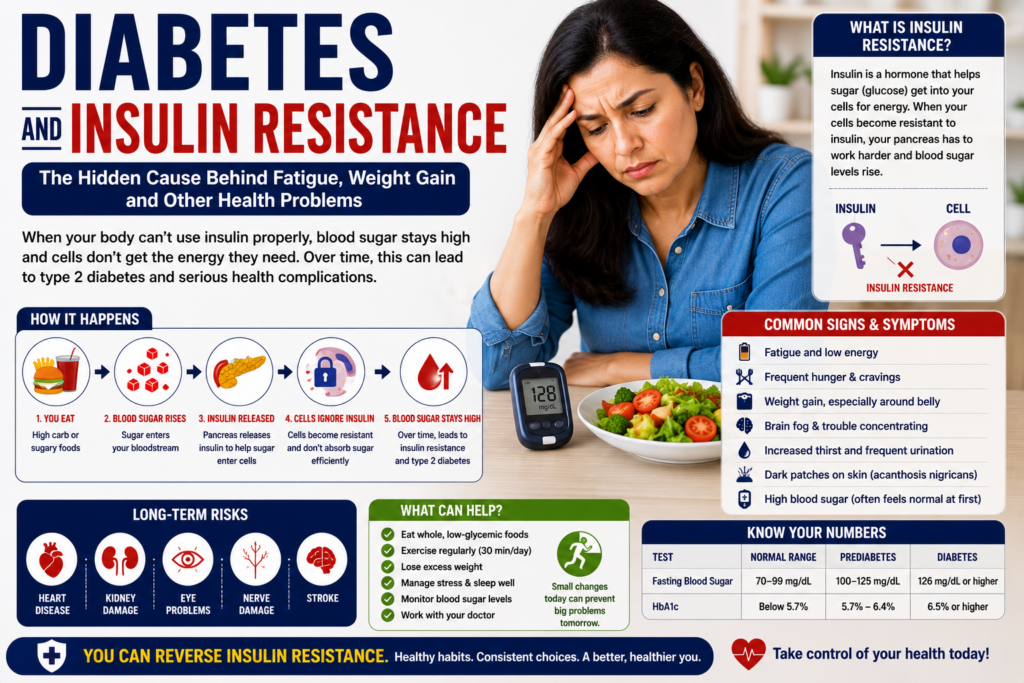
People with diabetes or insulin resistance are particularly prone to feeling dizzy after eating because their blood sugar regulation is already compromised. Both high blood sugar after a meal and the blood sugar crash that can follow an excessive insulin response produce dizziness as a direct symptom.
For people with type 2 diabetes, postprandial blood sugar spikes can be dramatic, particularly after high-carbohydrate meals, and the dizziness that comes with very high blood glucose is a sign that blood sugar management needs attention. For people on insulin or certain diabetes medications, the risk runs in the opposite direction, where too strong a medication effect can push blood sugar too low after eating and cause significant dizziness.
If you have diabetes and you regularly feel dizzy after eating, tracking your blood sugar before and after meals for a week or two can help identify whether you are spiking high or crashing low, which points toward different adjustments in medication, meal composition, or both.
5. Food Allergies and Intolerances

Certain food reactions can cause you to feel dizzy after eating as part of a broader systemic response. In allergic reactions, even mild ones that do not reach the level of anaphylaxis, histamine and other inflammatory mediators are released that can cause blood vessel dilation, a drop in blood pressure, and dizziness. Common food allergens include peanuts, tree nuts, shellfish, fish, eggs, wheat, and dairy.
Food intolerances, which are not true immune responses but rather digestive sensitivities, can also cause dizziness through different mechanisms including gut-brain signaling disruption and the production of inflammatory compounds during digestion. Gluten sensitivity and non-celiac gluten intolerance are associated with neurological symptoms including dizziness in some people.
If you notice that you feel dizzy after eating specific foods consistently but not after other meals, keeping a food diary for two to three weeks to track which foods correlate with your symptoms can be extremely useful for identifying a pattern.
6. Dumping Syndrome
Dumping syndrome is a condition most commonly seen in people who have had stomach surgery, including gastric bypass surgery for weight loss, but it can also occur in people without a surgical history. In dumping syndrome, food moves from the stomach into the small intestine much faster than it should, which causes a rapid shift of fluid into the intestine and a spike in certain gut hormones.
The result is a cluster of symptoms that typically appear within 30 minutes of eating and includes feeling dizzy after eating, nausea, rapid heartbeat, sweating, and abdominal cramping. A later phase of dumping syndrome that occurs one to three hours after eating involves a blood sugar crash that produces similar dizziness and shakiness.
If you have had any type of stomach or esophageal surgery and you feel dizzy after eating regularly, dumping syndrome is a likely explanation and your surgeon or gastroenterologist can guide you through dietary modifications that significantly reduce symptoms.
7. Vagal Nerve Responses
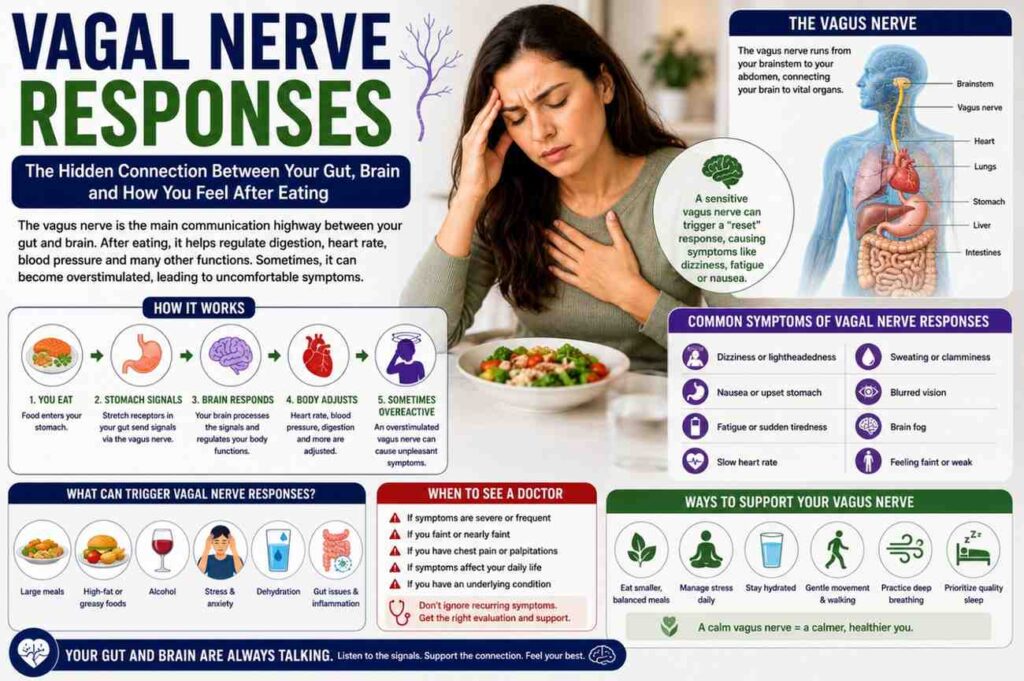
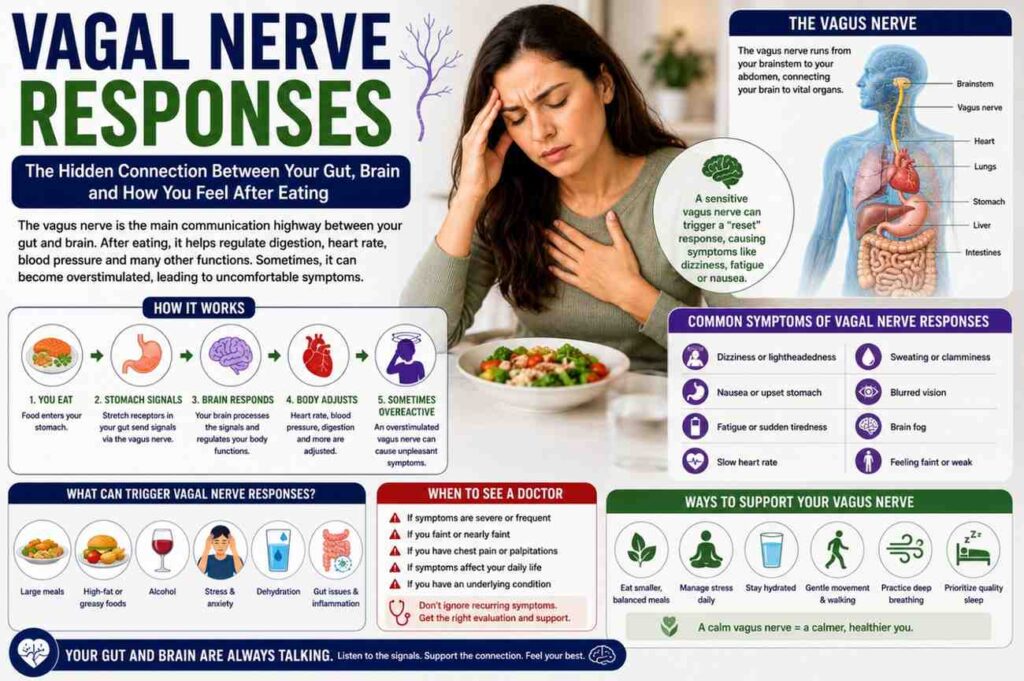
The vagus nerve is the longest nerve in your body and it plays a central role in regulating digestion, heart rate, and blood pressure. In some people, the act of eating, particularly a very large meal, triggers an exaggerated vagal response that slows the heart rate and drops blood pressure enough to cause dizziness. This is sometimes called vasovagal syncope when severe enough to cause fainting, but milder versions that simply make you feel dizzy after eating are far more common.
People who are prone to vagal responses may also notice dizziness in other situations that activate the vagus nerve strongly, such as standing up quickly, experiencing pain, or being in very warm environments. Eating smaller meals, chewing slowly, and avoiding lying flat immediately after eating can reduce the intensity of post-meal vagal responses.
8. Inner Ear Conditions
Certain inner ear conditions can make you feel dizzy after eating because of the direct connection between dietary triggers and inner ear fluid balance. Meniere’s disease is the most significant example. In Meniere’s disease, abnormal fluid pressure in the inner ear causes episodic vertigo, hearing changes, and ear fullness. High-sodium meals cause fluid retention throughout the body including in the inner ear, which can trigger or worsen Meniere’s episodes.
People with vestibular migraine, another inner ear-related condition, may also find that certain foods trigger dizziness as part of a migraine pattern. Common dietary triggers for vestibular migraine include aged cheeses, red wine, caffeine, and foods high in tyramine.
If your post-meal dizziness feels more like the room is spinning rather than simply feeling lightheaded, and if it is accompanied by any changes in your hearing or a sense of fullness in one ear, an inner ear condition is worth evaluating with an ENT specialist or neurologist.
9. Anemia and Low Iron
Iron deficiency anemia reduces your blood’s ability to carry oxygen efficiently, and the stress of digestion can expose that limitation in a way that normal resting activity does not. When you eat a meal, blood flow to the digestive system increases and the rest of your body, including your brain, receives slightly less. If your blood is already carrying less oxygen than it should due to anemia, that temporary reduction can tip you into feeling dizzy after eating.
Iron deficiency anemia is the most common nutritional deficiency in the United States and is significantly more common in women of reproductive age, vegetarians, vegans, and people with gastrointestinal conditions that affect absorption. Other symptoms include persistent fatigue, pale skin, cold extremities, and shortness of breath with minimal exertion.
A basic blood test checking hemoglobin and ferritin levels can confirm anemia. Addressing the deficiency through dietary changes and supplementation typically reduces post-meal dizziness alongside the other symptoms over four to eight weeks.
10. Medications Taken With Food
Some medications cause dizziness as a side effect, and that dizziness becomes most noticeable after eating because many medications are taken with meals, meaning their peak absorption coincides with the post-meal period. Blood pressure medications, diuretics, antidepressants, sedatives, and certain diabetes drugs are among the most common culprits.
The dizziness can also result from an interaction between the medication and what you are eating. Grapefruit is a well-known example because it interferes with the enzyme that metabolizes many medications, causing higher than intended drug levels in the bloodstream. High-sodium meals can counteract the effects of blood pressure medications and indirectly affect dizziness symptoms.
If you feel dizzy after eating consistently and you take any regular medications with your meals, review the side effect profiles of those medications and mention the pattern to your doctor. Adjusting the timing of your dose, switching to a different medication, or modifying what you eat alongside your medication can often resolve the issue.
When Should You See a Doctor?
Occasional mild dizziness after a large meal is usually not a cause for concern and often has a simple dietary explanation. But certain patterns of feeling dizzy after eating warrant medical attention rather than self-management.
See a doctor if your post-meal dizziness is severe enough to cause fainting or near-fainting, if it is getting progressively more frequent or intense, if it is accompanied by chest pain, shortness of breath, or heart palpitations, if you have diabetes and suspect blood sugar fluctuations, or if the dizziness lasts for more than an hour after eating. These patterns suggest a medical cause that benefits from proper diagnosis and treatment.
For most people though, consistently feeling dizzy after eating comes down to a manageable combination of meal size, meal composition, hydration, and in some cases a medication or medical condition that responds well to the right intervention. Your body is telling you something worth listening to.