

You set your alarm, got a full eight hours, and woke up feeling like you barely slept at all. Sound familiar? You are not alone, and you are definitely not imagining it. Millions of Americans go to bed at a reasonable hour, sleep through the night, and still drag themselves out of bed every single morning wondering why they wake up tired no matter what they do.
Here is the truth: sleep quantity and sleep quality are two completely different things. Eight hours in bed does not automatically mean eight hours of actual restorative sleep. There are hidden reasons your body is not getting the deep, quality rest it needs, and once you understand what is going on, you can actually do something about it.
Let us walk through the eleven most common reasons you wake up tired even after a full night of sleep.
1. Your Sleep Cycles Are Getting Disrupted
Sleep is not one long, continuous state of rest. Your brain cycles through different stages throughout the night, including light sleep, deep sleep, and REM sleep. Each full cycle takes about 90 minutes, and you need to complete several of them to feel truly rested.
If something is waking you up during a deep sleep stage or cutting your REM sleep short, even briefly, your body never gets the full restoration it needs. You might not even remember waking up. But your brain does. And the next morning, that groggy, heavy feeling you cannot shake is your body’s way of telling you the cycle got interrupted one too many times.
This is one of the most overlooked reasons people wake up tired despite technically getting eight hours of sleep.
2. You Might Have Sleep Apnea and Not Know It
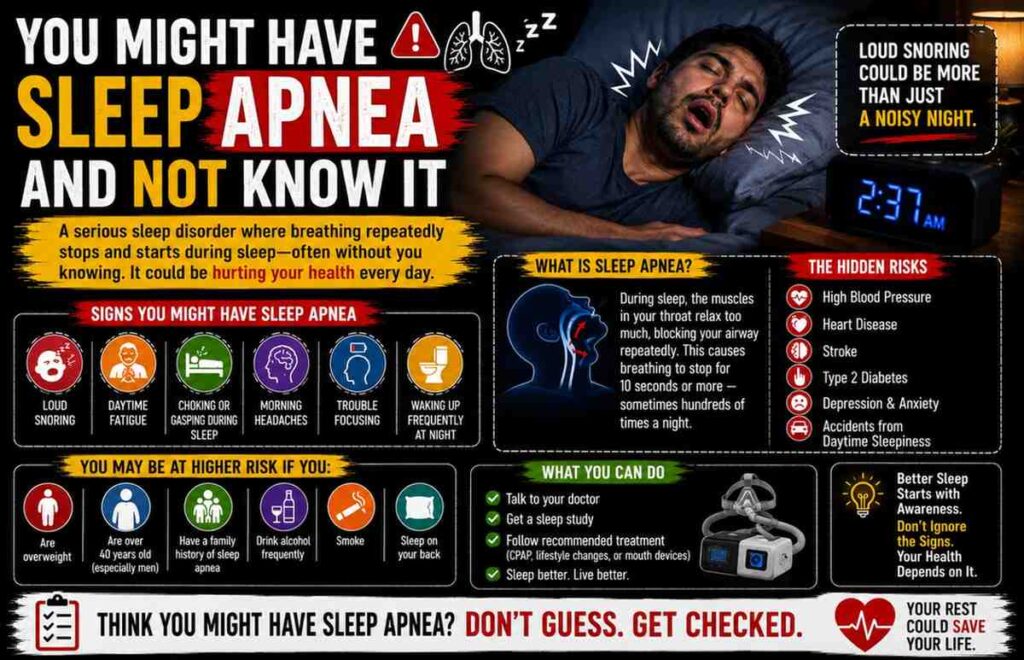
This one surprises a lot of people. Sleep apnea is a condition where your airway partially or fully closes while you sleep, causing your breathing to stop and start repeatedly throughout the night. Your brain jolts you awake each time just enough to restore breathing, but usually not enough for you to remember it happening.
The result is that you can spend eight hours in bed and wake up completely exhausted because your body spent the whole night fighting to breathe instead of actually resting. Other signs of sleep apnea include loud snoring, waking up with a dry mouth or headache, and feeling like you could fall asleep again an hour after getting up.
If this sounds like you, it is worth talking to a doctor. Sleep apnea is extremely common, especially in adults over 30, and it is very treatable once diagnosed.
3. Your Bedroom Is Too Warm
Here is something most people never think about. Your body needs to drop its core temperature slightly to enter and maintain deep sleep. If your bedroom is too warm, that natural cooling process gets disrupted, and your sleep quality suffers even if you never fully wake up.
The ideal sleep temperature for most people is somewhere between 65 and 68 degrees Fahrenheit. If you are sleeping in a room that is warmer than that, your body is essentially working against itself all night long. A small adjustment to your thermostat, a lighter blanket, or a fan can make a surprisingly big difference in how rested you feel in the morning.
4. You Are Dealing With Dehydration
Most people do not connect dehydration with morning fatigue, but the link is very real. When you are even mildly dehydrated, your blood becomes thicker, your heart has to work harder to pump it, and your organs get slightly less oxygen than they need. All of that adds up to a body that feels sluggish and heavy when you wake up.
You lose water overnight through breathing and light sweating even if the room is cool. If you are not drinking enough water during the day or if you had alcohol the night before, you are likely waking up in a dehydrated state. Try keeping a glass of water on your nightstand and drinking it first thing when you open your eyes. A lot of people notice a difference within just a few days.
5. Your Body Clock Is Out of Sync
Your circadian rhythm is your body’s internal clock, and it controls almost everything related to sleep including when you feel sleepy, when you feel alert, and when your body does its deepest repair work. When that clock gets thrown off, your sleep suffers in ways that no amount of extra hours in bed can fix.
Common things that knock your circadian rhythm out of sync include staying up late on weekends and sleeping in, exposure to bright screens right before bed, irregular meal times, and traveling across time zones. If your wake up tired feeling is worse on Monday mornings after a different weekend sleep schedule, your circadian rhythm is almost certainly part of the problem.
Going to bed and waking up at the same time every day, including weekends, is one of the most powerful things you can do to fix this. It sounds simple, but it works.
6. Alcohol Is Ruining Your Sleep Quality
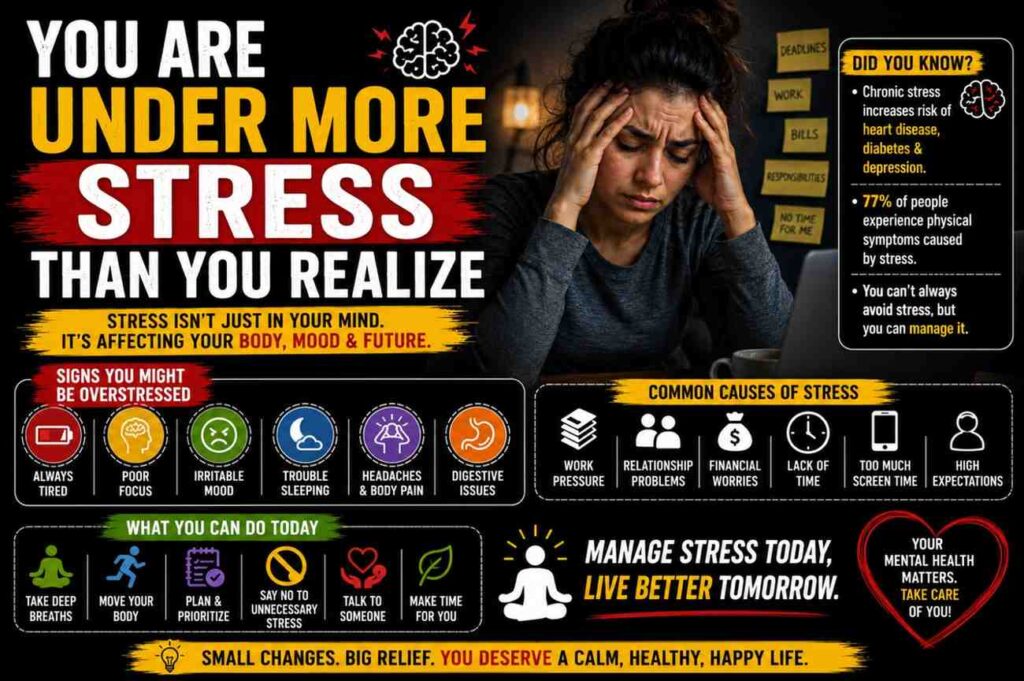
A lot of people use a glass of wine or a beer to wind down before bed, and it genuinely does help you fall asleep faster. The problem is what happens a few hours later. As your body metabolizes the alcohol, it causes a rebound effect that fragments your sleep, suppresses REM sleep, and pulls you out of deep sleep stages in the second half of the night.
This is why you can drink a glass of wine, fall asleep easily, and still wake up tired and groggy the next morning. The alcohol helped you fall asleep but actively prevented the kind of deep, restorative sleep your body needs. Even one or two drinks a few hours before bed can significantly impact your sleep quality. If you are waking up tired regularly, cutting back on evening alcohol is one of the fastest ways to notice a real improvement.
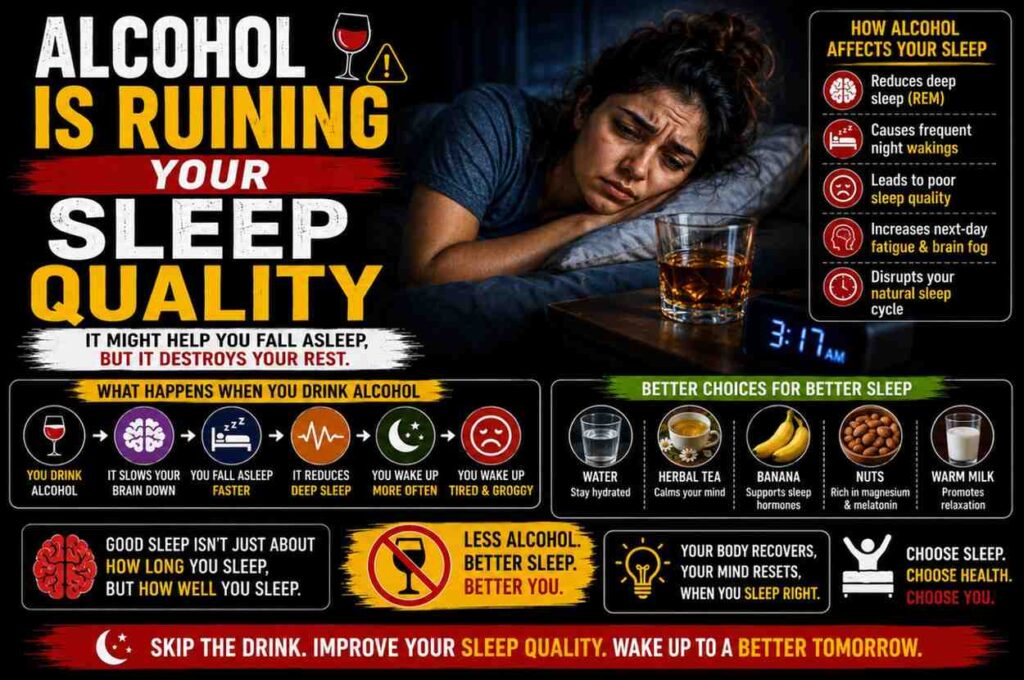
7. You Are Under More Stress Than You Realize
Stress and sleep have a complicated relationship. Even when you fall asleep easily, high stress levels keep your nervous system more activated than it should be during sleep. Your body stays in a lighter, more alert state because it is primed to respond to perceived threats, which is exactly what chronic stress triggers biologically.
You might sleep for eight full hours and still wake up tired because your brain spent the night on low-level alert rather than truly switching off. Dreams may feel more intense, you might wake up briefly more often, and your heart rate and cortisol levels may never drop to the levels needed for deep restorative sleep.
If you are going through a stressful period at work or in your personal life and your sleep quality has dropped, this connection is likely playing a role. Even small daily habits like a 10-minute walk, journaling before bed, or limiting news before sleep can start to move the needle.
8. Your Iron Levels Might Be Low

Iron deficiency is one of the most common nutritional deficiencies in the United States, and fatigue is its most recognizable symptom. What many people do not realize is that low iron does not just make you tired during the day. It also affects your sleep quality and makes that wake up tired feeling much worse.
Low iron means your blood carries less oxygen to your brain and muscles overnight. Your body has to work harder during sleep to maintain basic functions, and you wake up feeling like you ran a marathon instead of resting. Women, vegetarians, and people who exercise heavily are at higher risk for low iron levels.
A simple blood test from your doctor can check your ferritin and iron levels. If they are low, dietary changes and supplementation can make a meaningful difference in your energy levels relatively quickly.
9. You Are Relying on Your Snooze Button
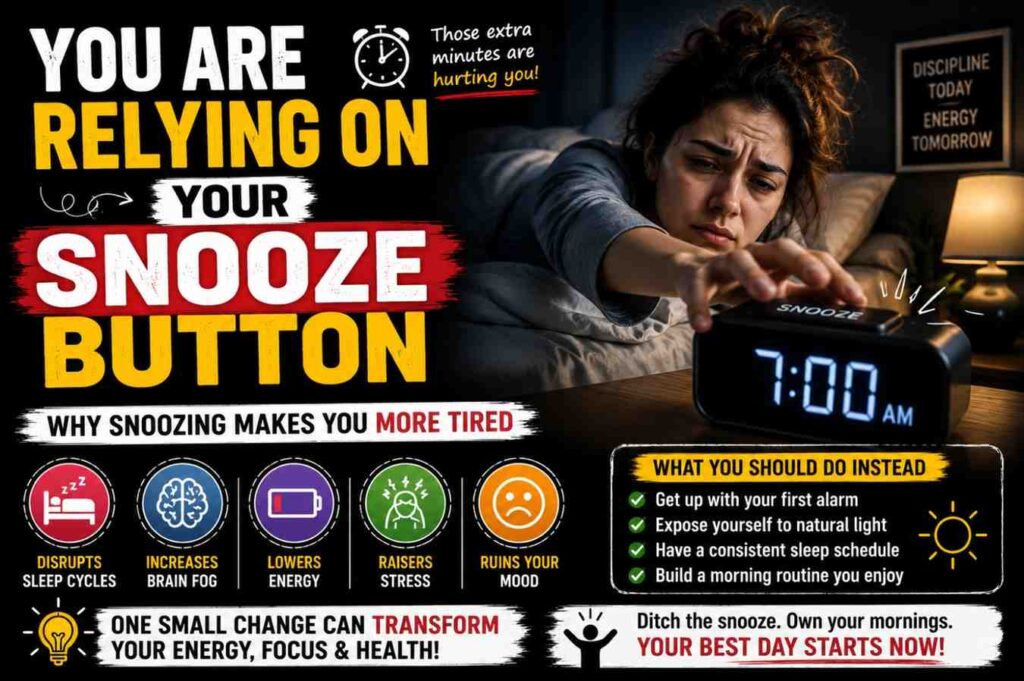
This one feels harmless but it is actually making your morning fatigue significantly worse. When your alarm goes off, your body has already started preparing to wake up by raising cortisol and body temperature. When you hit snooze and fall back asleep, you push your body back into a new sleep cycle that it will not have time to complete.
When the second alarm goes off, you are being pulled out of an incomplete sleep cycle, which triggers a state called sleep inertia. Sleep inertia is that thick, disorienting grogginess that can last for 30 minutes to over an hour after waking up. The more you rely on snooze, the worse it gets over time.
It feels like hitting snooze is giving you more rest, but it is actually doing the opposite. Setting your alarm for the time you actually need to get up and getting out of bed on the first alarm, as brutal as that sounds, will help you wake up feeling more alert within a week or two of consistent practice.
10. You Have an Underactive Thyroid

An underactive thyroid, also called hypothyroidism, is more common than most people think and it is frequently underdiagnosed. Your thyroid gland controls your metabolism, and when it is not producing enough hormone, nearly every system in your body slows down including your ability to feel rested and alert.
People with hypothyroidism commonly report waking up tired no matter how much sleep they get, feeling cold all the time, gaining weight without changes in diet, and experiencing brain fog throughout the day. These symptoms often come on gradually over months or years, so many people adapt to feeling this way and assume it is just normal aging or stress.
A simple TSH blood test can check your thyroid function. If hypothyroidism is the cause of your persistent morning fatigue, treatment is straightforward and effective.
11. Your Diet Is Working Against Your Sleep

What you eat and when you eat it has a direct impact on how well you sleep and how rested you feel when you wake up. Heavy meals close to bedtime force your digestive system to stay active while your body is trying to shift into rest mode. High sugar foods cause blood sugar spikes and crashes overnight that can pull you out of deeper sleep stages. Too much caffeine, even consumed in the early afternoon, can still be affecting your system at midnight.
On the flip side, certain nutrients actively support sleep quality. Magnesium helps regulate the nervous system and promotes deeper sleep. Tryptophan, found in turkey, eggs, and cheese, is a precursor to serotonin and melatonin. B vitamins support the energy systems that regulate your wake and sleep cycles.
If your diet is heavy in processed foods, sugar, and caffeine and light on whole foods, vegetables, and lean proteins, your sleep quality is almost certainly paying the price. Small dietary shifts can make a real and noticeable difference in how you feel when your alarm goes off.
So What Should You Actually Do?
If you wake up tired every morning despite getting a full night of sleep, the first step is figuring out which of these causes applies to you. Start by looking at the most common and most fixable ones. Check your bedroom temperature, cut back on alcohol before bed, look at your caffeine timing, and work on keeping a consistent sleep schedule seven days a week.
If you have been consistently tired for months and simple changes are not helping, it is worth talking to your doctor to rule out sleep apnea, thyroid issues, or nutritional deficiencies. These are medical conditions with real solutions, and there is no reason to keep dragging yourself through every morning when the answer might be a single blood test away.
You deserve to wake up feeling good. That is not too much to ask.