

You are sitting in a quiet meeting, a library, or on a first date and your stomach decides to announce itself with a loud gurgle, rumble, or growl that everyone in the room can hear. It is embarrassing, it is unpredictable, and no matter how much you ate before you left the house, the stomach noises keep coming. If your stomach making so much noise has become a daily source of distraction or embarrassment, something specific is driving it and understanding what that is makes it possible to actually do something about it.
Stomach noises, medically called borborygmi, are a normal part of digestion. The digestive system is essentially a long muscular tube that moves food, liquid, and gas through a series of contractions, and those contractions produce sound. The question is not whether your digestive system makes noise but why stomach making so much noise is louder, more frequent, or more disruptive than it should be. Here are nine of the most common hidden causes.
1. Hunger and an Empty Stomach
The most common cause of stomach making so much noise is simply hunger, and understanding why hunger is so loud is useful. When your stomach has been empty for a while, the migrating motor complex kicks in. This is a pattern of intense muscular contractions that sweeps through the digestive tract every 90 to 120 minutes during fasting to clear out any remaining debris and prepare the gut for the next meal. These contractions move air and fluid through the digestive tract and produce the loud rumbling stomach noises that most people associate with hunger.
The stomach noises from hunger are typically loudest in the mid-morning or mid-afternoon when several hours have passed since the last meal. They are accompanied by the sensation of hunger itself and typically stop quickly once you eat something. If your stomach making so much noise is primarily pre-meal and resolves with eating, hunger is the straightforward explanation and the fix is simply eating at more regular intervals.

2. Food Intolerances
Food intolerances are one of the most common reasons stomach making so much noise is excessive, loud, and embarrassing, and the most common specific culprit is lactose intolerance. When the body lacks sufficient lactase enzyme to digest lactose, the sugar in dairy products, undigested lactose passes into the large intestine where bacteria ferment it rapidly, producing large amounts of gas. That gas moves through the intestine and produces significant stomach noises alongside bloating, cramping, and diarrhea that typically begin 30 minutes to two hours after consuming dairy.

Fructose malabsorption produces similar symptoms after consuming fruits, honey, and foods sweetened with high-fructose corn syrup. Gluten sensitivity and non-celiac gluten intolerance can cause digestive upset and increased stomach noises after consuming wheat, barley, and rye products. Sensitivity to high-FODMAP foods including onions, garlic, beans, and certain fruits produces fermentation-driven stomach noises in susceptible people.
Keeping a food diary for two to three weeks and noting which foods correlate with the loudest and most disruptive stomach noises is the most practical way to identify food intolerance as a driver and begin targeted dietary adjustment.
3. Irritable Bowel Syndrome
Irritable bowel syndrome is a functional digestive disorder affecting an estimated 10 to 15 percent of American adults, and stomach making so much noise is one of its most consistently reported symptoms. In IBS the gut is hypersensitive and its motility is dysregulated, meaning the muscular contractions that move food through the digestive tract are irregular, sometimes too fast and sometimes too slow, and frequently more forceful than necessary. These abnormal contractions move gas and liquid through the intestine in ways that produce prominent and often embarrassing stomach noises.
IBS-related stomach noises are frequently accompanied by abdominal cramping and pain, alternating constipation and diarrhea, bloating that worsens throughout the day, and a sense of urgency around bowel movements. Stress, certain foods particularly those high in FODMAPs, caffeine, and alcohol commonly trigger or worsen IBS symptoms including the stomach noises.
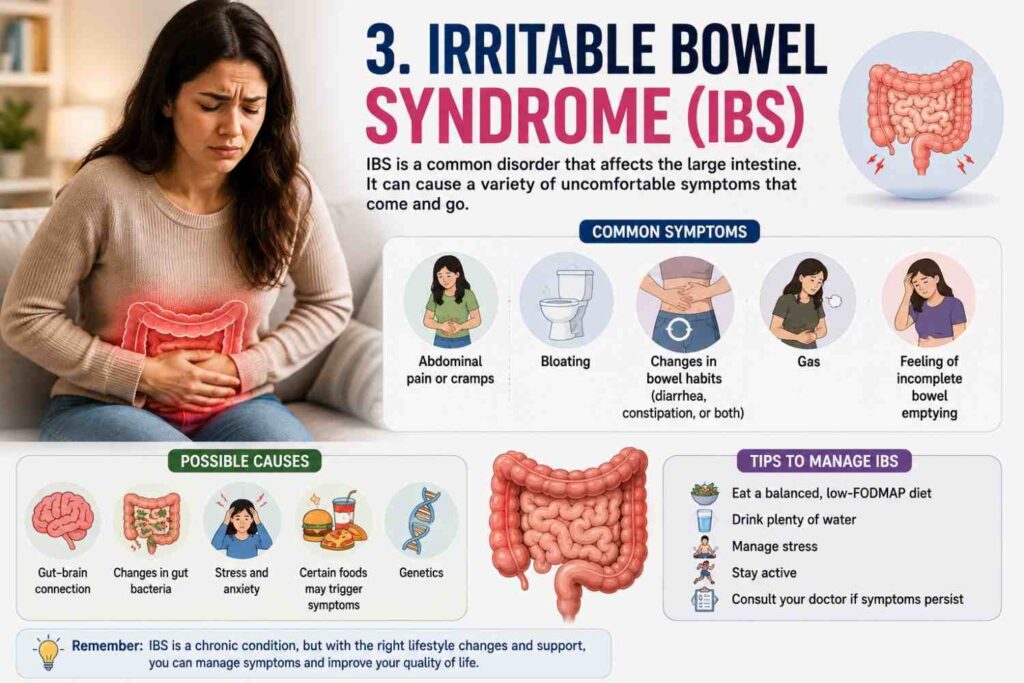
Dietary modifications, particularly the low-FODMAP diet, stress management, and in some cases medications that regulate gut motility are the most effective approaches for IBS-related stomach making so much noise.
Why Do I Feel Weak and Shaky All of a Sudden? 10 Possible Causes
4. Swallowing Air
Swallowing air during eating and drinking is a very direct and mechanical cause of stomach making so much noise that most people never consider. Every time you eat quickly, talk while eating, chew with your mouth open, drink through a straw, chew gum, or consume carbonated beverages, you swallow air along with your food and drink. That swallowed air has to go somewhere, and as it moves through the digestive tract it produces the gurgling and rumbling stomach noises that can be particularly loud and unpredictable.
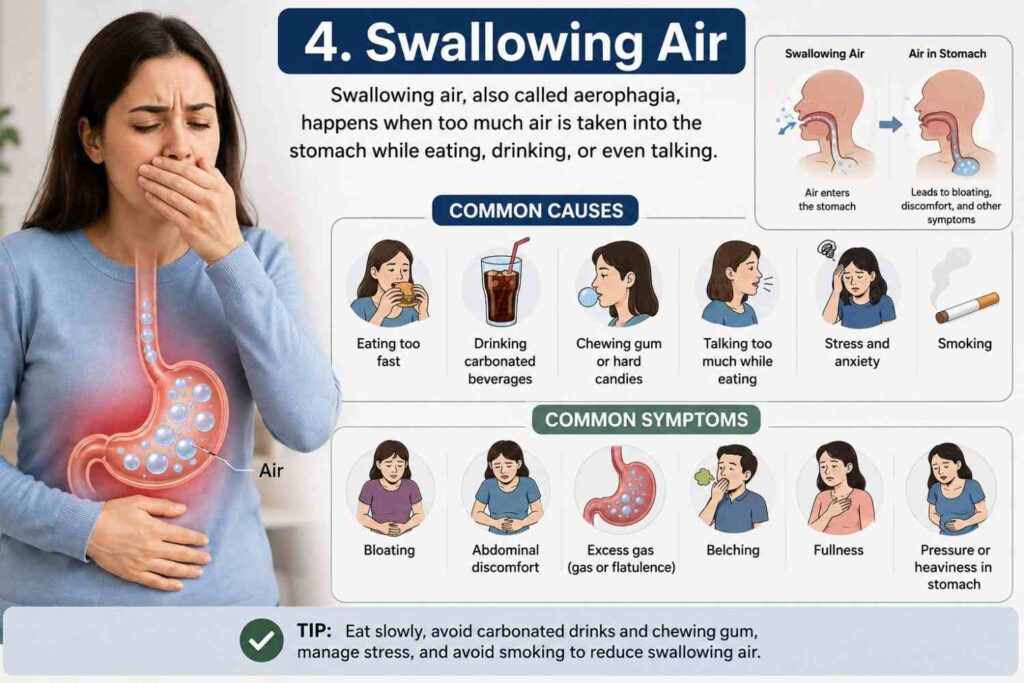
People who eat their meals in under ten minutes, which describes a significant portion of busy American adults, swallow much more air than people who eat slowly and deliberately. Anxiety-related habits including talking rapidly, eating hurriedly during stressful periods, and the reflexive swallowing that accompanies anxiety all increase air intake and stomach noises.
Slowing down at mealtimes, chewing with the mouth closed, avoiding carbonated beverages and chewing gum, and eating away from distractions are the most practical changes for reducing stomach making so much noise from swallowed air.
5. Digestive Transit Issues MAKE IMAGE
How quickly food moves through your digestive system directly affects how much stomach making so much noise the process produces. When digestion is faster than normal, a condition called rapid gastric emptying or accelerated intestinal transit, food moves through the gut so quickly that it has limited time to be properly broken down before reaching the large intestine. The partially digested food is then fermented by colonic bacteria, producing excess gas and the prominent stomach noises that accompany it.
Conversely, when digestion is slower than normal from constipation or delayed gastric emptying, food and gas sit in the intestine for longer than they should, fermenting more extensively and producing different patterns of stomach noises including low, prolonged rumbling that can persist for hours after a meal.
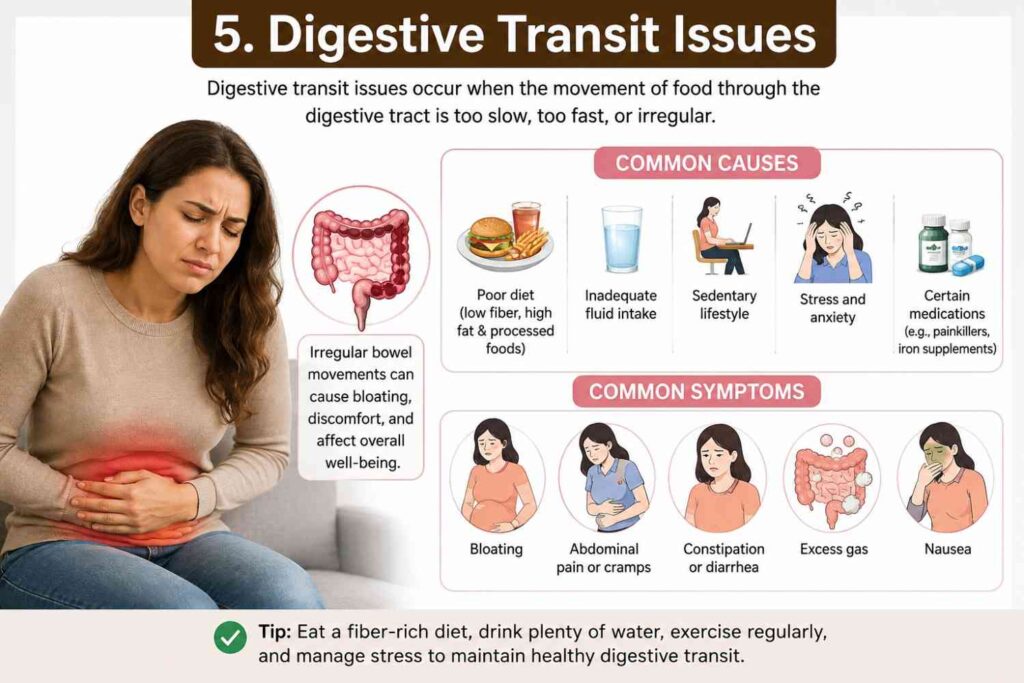
Identifying whether your stomach noises correlate with fast transit, meaning urgent loose stools and immediate post-meal noise, or slow transit, meaning constipation and prolonged noise, helps direct the most appropriate dietary and medical intervention.
6. Dietary Changes and New Foods
Introducing new foods, particularly foods high in fiber, into your diet can produce a temporary but significant increase in stomach making so much noise as your gut microbiome adjusts. The bacteria in your large intestine are highly specific in what they can efficiently ferment, and when you introduce foods they have not been regularly exposed to, the fermentation process is less efficient and produces more gas and more stomach noises than it will once the microbiome has had time to adapt.

This is why people who suddenly increase their vegetable, bean, or whole grain intake, or who start taking fiber supplements, often experience weeks of significantly increased stomach noises before things settle down. It is also why international travel that exposes the gut to entirely new foods and bacteria can produce dramatic digestive noise and upset that gradually resolves as the microbiome adjusts.
Introducing new high-fiber foods gradually rather than all at once reduces the temporary stomach making so much noise that comes with dietary change.
Why Do I Feel Weak and Shaky All of a Sudden? 10 Possible Causes
7. Anxiety and Stress
The gut and brain are in constant bidirectional communication through the gut-brain axis, and anxiety and stress directly affect gut motility in ways that produce increased and often louder stomach noises. When the stress response activates, the nervous system shifts from the parasympathetic rest-and-digest mode that supports calm, efficient digestion to the sympathetic fight-or-flight mode that alters gut motility. Some people experience accelerated intestinal transit from stress, producing urgent loose stools and gurgling stomach noises. Others experience slowed digestion with cramping and different noise patterns.
Many people notice that stomach making so much noise is significantly worse in anxiety-provoking situations, which creates a social anxiety around the noise itself that then worsens the anxiety and the noise in a self-reinforcing cycle. Pre-presentation stomach rumbling, pre-exam digestive upset, and digestive noise during stressful social situations are all extremely common manifestations of the gut-brain axis.

Addressing the underlying anxiety through cognitive behavioral therapy, regular exercise, adequate sleep, and stress management practices directly reduces the gut motility disruption that produces stress-related stomach noises.
8. Medications and Supplements
Several medications and supplements can increase stomach making so much noise by altering gut motility, changing the fermentation activity of gut bacteria, or introducing substances that the gut processes noisily. Antibiotics dramatically disrupt the gut microbiome, and the altered bacterial population that remains during and after antibiotic treatment ferments food differently and often more noisily than the healthy pre-antibiotic microbiome. Metformin, widely used for type 2 diabetes, is well known for causing significant digestive upset and stomach noises particularly in the first weeks of use.

Fiber supplements including psyllium, inulin, and various prebiotic supplements can produce prominent stomach noises, particularly when first introduced or when taken in larger amounts than the gut is accustomed to. Iron supplements cause stomach noises and digestive upset in many people from their direct irritant effect on the gut lining. Certain prokinetic medications that speed up gut motility and laxatives of various types produce stomach noises as part of their intended action.
If your stomach noises increased significantly after starting a new medication or supplement, reviewing that timing with your pharmacist or prescribing doctor can identify whether the medication is responsible and whether dose adjustment or an alternative might help.
9. Underlying Medical Conditions
While most cases of stomach making so much noise have benign explanations, persistent and excessive noise can occasionally indicate an underlying medical condition that deserves professional evaluation. Celiac disease produces significant digestive disruption and increased stomach noises from the intestinal damage and malabsorption caused by gluten exposure. Inflammatory bowel disease including Crohn’s disease and ulcerative colitis produces abnormal gut motility and increased intestinal sounds during active inflammation. Small intestinal bacterial overgrowth, where bacteria that normally inhabit the large intestine proliferate in the small intestine, produces prominent fermentation-driven stomach noises alongside bloating and altered bowel habits.
Bowel obstructions, which prevent the normal passage of food and gas through the intestine, produce a distinctive pattern of very loud, high-pitched stomach noises in the early stages as the gut tries to force contents past the obstruction. This type of stomach noise, particularly when accompanied by significant abdominal pain, vomiting, and inability to pass gas or stool, requires emergency medical evaluation.

If your stomach noises are accompanied by unintentional weight loss, blood in the stool, persistent significant abdominal pain, or have been getting progressively worse over weeks or months without a dietary explanation, a gastroenterology evaluation is the appropriate next step.
Why Do I Feel Weak and Shaky All of a Sudden? 10 Possible Causes
What You Can Do About Excessive Stomach Noises
Start with the most common and most correctable causes to address stomach making so much noise. Eat at regular intervals to prevent the hunger-driven migrating motor complex from producing its loudest output. Slow down at mealtimes and avoid carbonated drinks and gum. Identify any food intolerances by keeping a food diary. Reduce stress and address anxiety directly. Introduce new fiber-rich foods gradually.
If dietary and lifestyle modifications do not reduce your stomach making so much noise meaningfully, or if the noise is accompanied by pain, significant bowel changes, or other symptoms suggesting a digestive condition, a gastroenterologist can evaluate for IBS, food intolerances, SIBO, or other conditions.
Stomach noises are almost always telling you something useful about what is happening in your digestive system. Listening to that message rather than just being embarrassed by it is the most productive response.
1 thought on “Why Is My Stomach Making So Much Noise? 9 Hidden Causes You Should Know”