
Your alarm is set for 7am. You wake up at 6:15. Every single morning. Sometimes it is 5:50, sometimes 6:30, but it is always before the alarm and always earlier than you want to be awake. You lie there trying to fall back asleep, watching the minutes tick by, and eventually give up. If you keep asking yourself why do I keep waking up before my alarm, you are dealing with something that has a real explanation, and understanding it makes it possible to actually do something about it.
Early morning waking is one of the most common sleep complaints among American adults. For some people it is a minor inconvenience. For others it significantly affects how rested they feel and how well they function throughout the day. Here are nine of the most common hidden reasons why do I keep waking up before my alarm and what each one means.
1. Your Circadian Rhythm Is Working Exactly as Designed
The most common reason why do I keep waking up before my alarm is simply that your internal body clock, called the circadian rhythm, has calibrated to your consistent sleep schedule and is waking you up naturally at or near the same time each day. Your circadian rhythm is a 24-hour biological clock that regulates when you feel sleepy and when you feel alert, and it is remarkably precise when given consistent cues.
If you have been going to bed at roughly the same time for weeks or months, your circadian rhythm has learned your sleep window and begins preparing your body to wake up approximately one to two hours before your average wake time. Cortisol, your primary alerting hormone, begins rising in the early morning hours to prepare you for waking, and if your body has learned that waking happens at a consistent time, that cortisol rise will pull you out of sleep before the alarm sounds.
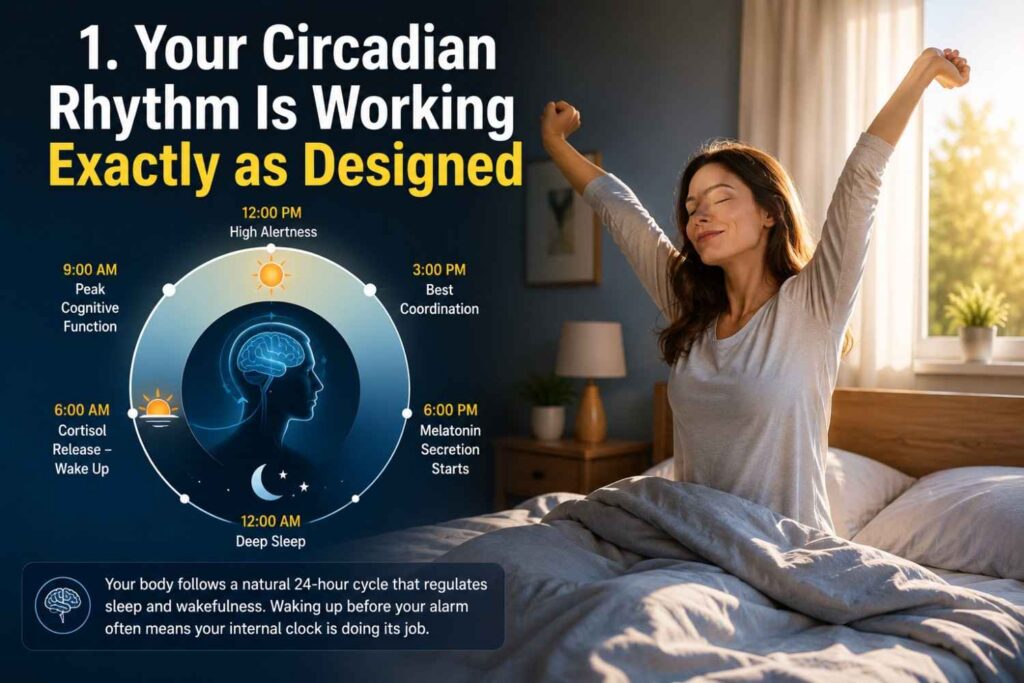
This is actually the healthiest form of early waking and suggests your circadian rhythm is well synchronized. If this is why do I keep waking up before my alarm applies to you, you are likely waking feeling relatively refreshed rather than groggy, which is the key distinguishing feature from more problematic causes of early waking.
2. Stress and Anxiety
Stress and anxiety are among the most significant causes of why do I keep waking up before my alarm, and they operate through a very direct hormonal mechanism. When you are under significant stress or dealing with anxiety, your hypothalamic-pituitary-adrenal axis, the system that controls the stress response, becomes dysregulated. Cortisol, which normally rises gradually in the early morning hours, may begin rising too early and too steeply, pulling you out of sleep in the early morning when sleep would normally continue for another hour or two.
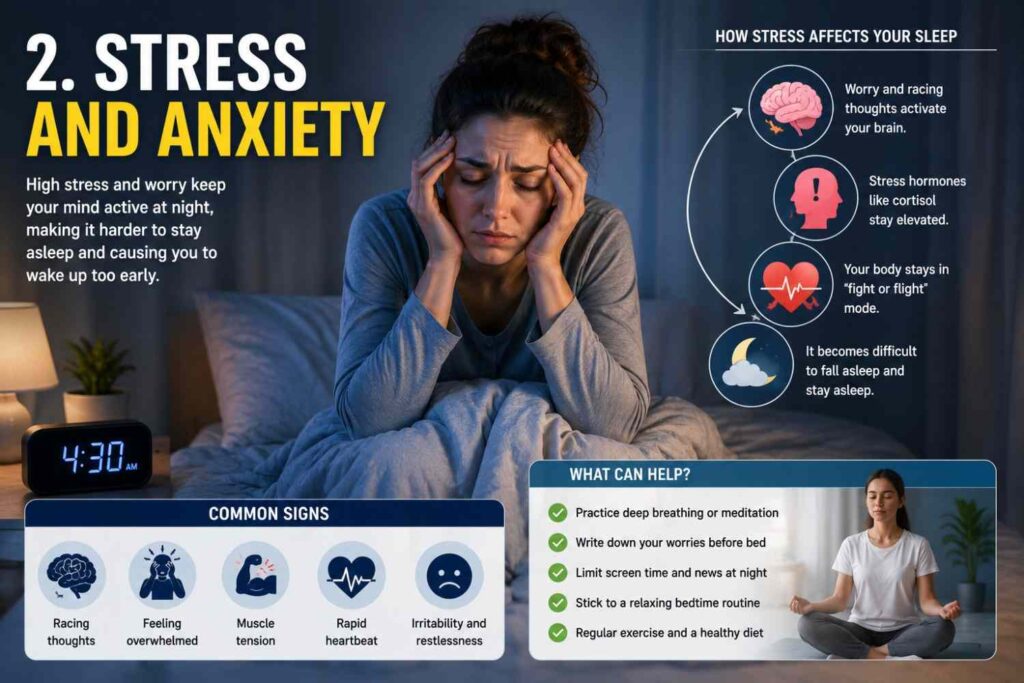
The early morning wake-up from anxiety is often accompanied by an immediate sense of worry, dread, or a racing mind that makes falling back asleep nearly impossible. The early morning hours between 3am and 6am are when cortisol naturally begins its rise, and in anxious people this rise can be exaggerated enough to terminate sleep entirely.
If stress and anxiety explain why do I keep waking up before my alarm, the waking is typically worse during particularly stressful periods in your life and improves when the underlying stress resolves. Addressing the anxiety through therapy, stress management, and when appropriate medication is the most effective long-term solution.
Why Do My Shoulders Feel Tight All the Time? 9 Common Causes You Should Know
3. Depression
Early morning waking is one of the most characteristic sleep disturbances associated with depression, and for many people it is more prominent than the difficulty falling asleep that people more commonly associate with depression. In depression, the normal sleep architecture is disrupted in specific ways that cause REM sleep to occur earlier in the night than usual and to be more intense. This shift in sleep staging means that the later stages of sleep, which would normally carry a person through to their intended wake time, are less restorative and more easily interrupted.
People who keep waking up before their alarm specifically because of depression often describe lying awake in the early morning hours with a heavy, hopeless feeling and an inability to fall back asleep despite feeling exhausted. The early waking is frequently accompanied by low mood, difficulty finding motivation to get up and start the day, and a sense that the day ahead feels overwhelming before it has even begun.
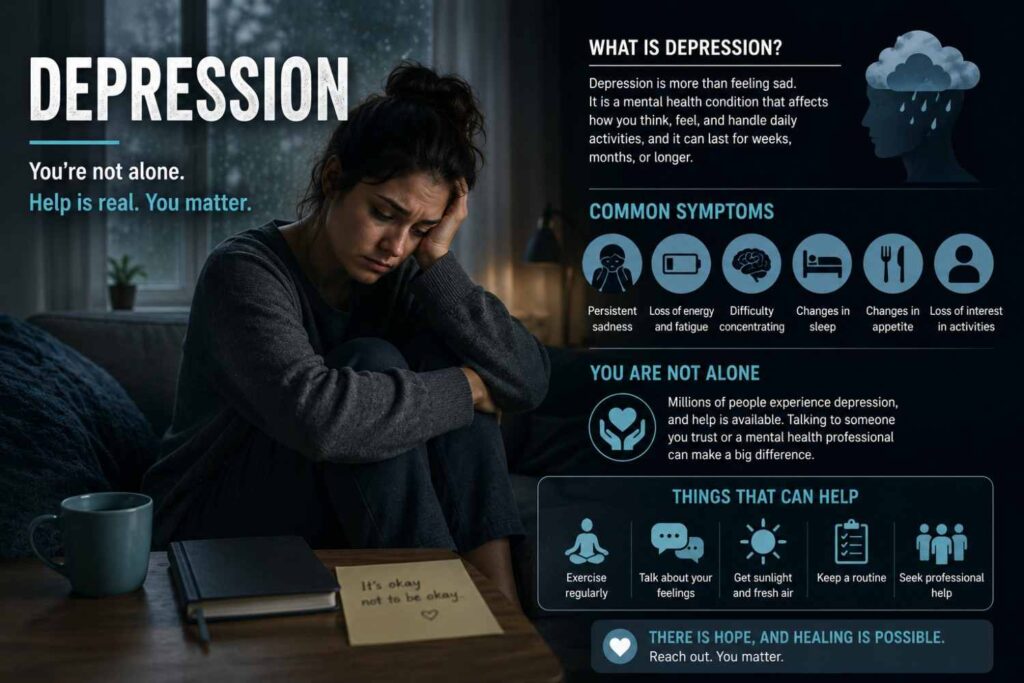
If the pattern of why do I keep waking up before my alarm coincides with other signs of depression including persistent low mood, loss of interest in activities you normally enjoy, changes in appetite, and fatigue, speaking with a doctor or mental health professional is an important step.
4. Sleep Apnea
Sleep apnea is a condition where the airway collapses repeatedly during sleep, causing brief pauses in breathing that rouse the brain from sleep to restore normal breathing. While sleep apnea most commonly causes multiple awakenings throughout the night rather than a single early morning waking, the accumulated disruption to sleep architecture means that the final sleep stage of the night, which is the deepest REM sleep and normally extends into the late morning hours, is often the most disrupted. Many people with sleep apnea find that they simply cannot maintain sleep in the early morning hours, which is why do I keep waking up before my alarm becomes their consistent experience.
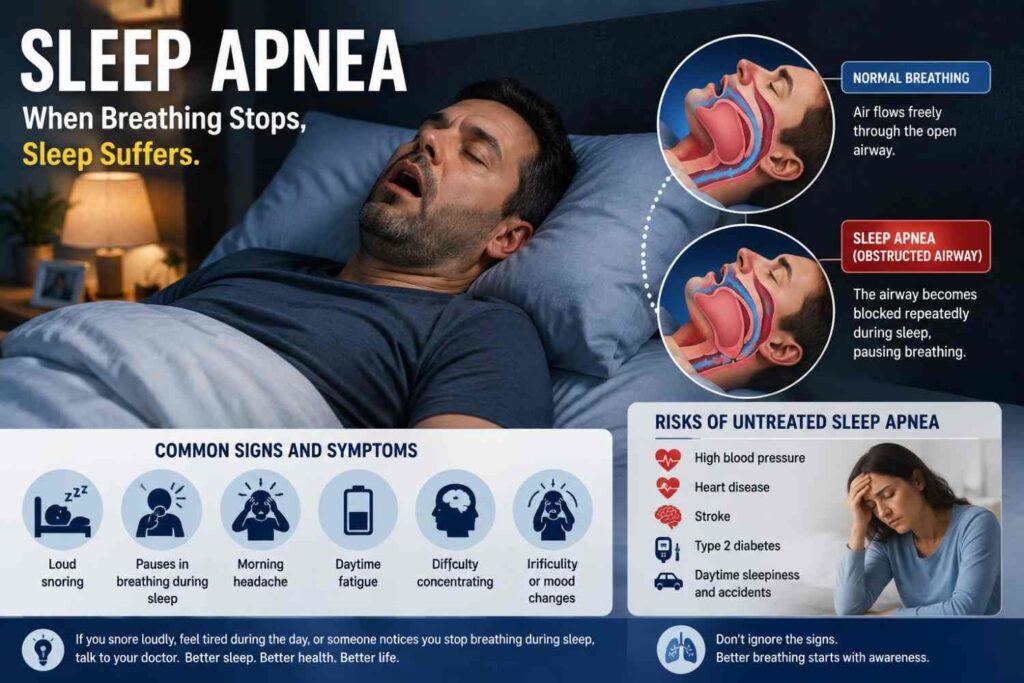
Other signs of sleep apnea include loud snoring, waking with a dry mouth or headache, feeling completely unrefreshed despite an adequate night in bed, and struggling to stay awake during the day. If these additional symptoms accompany the early morning waking, a sleep study is an important diagnostic step.
Treating sleep apnea with a CPAP machine typically dramatically improves sleep continuity and allows many people to sleep comfortably through to their intended wake time once the airway obstruction is addressed.
5. Alcohol Before Bed
Alcohol is one of the most reliable causes of why do I keep waking up before my alarm, and the mechanism explains why the waking consistently occurs in the early morning hours rather than in the middle of the night. Alcohol initially has a sedating effect that can help people fall asleep faster, but as the body metabolizes it over the course of the night, a rebound effect activates the nervous system and produces lighter, more fragmented sleep in the second half of the night.
This alcohol rebound effect typically hits around four to five hours after the last drink, which for someone who goes to bed at 10pm and has a couple of drinks would land squarely in the 2am to 4am window. The resulting lighter sleep makes early morning waking almost inevitable, and once awake in this state, the mild anxiety and physical discomfort of alcohol metabolism make returning to sleep difficult.
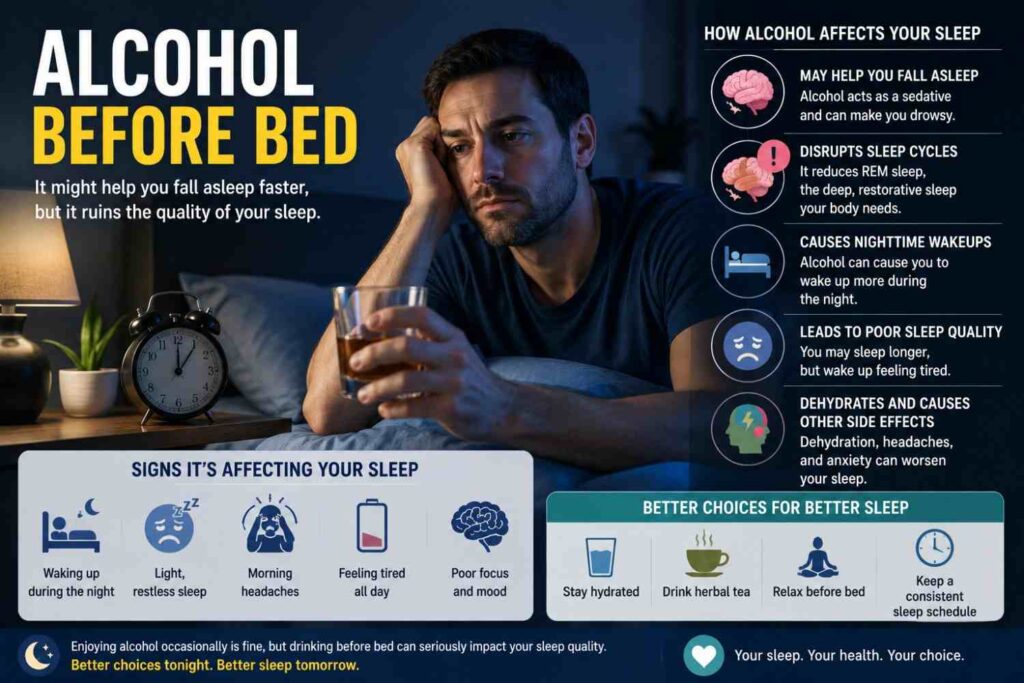
Cutting back on evening alcohol or stopping drinking several hours before bed allows the alcohol to be more fully metabolized before the second half of the night, significantly reducing the early morning waking that explains why do I keep waking up before my alarm after evenings of drinking.
6. Light and Environmental Factors
External light is one of the most powerful regulators of the circadian rhythm and one of the most commonly overlooked answers to why do I keep waking up before my alarm, particularly in spring and summer when sunrise occurs earlier and earlier. The suprachiasmatic nucleus, which is the master clock in the brain that controls circadian timing, is directly responsive to light signals through the eyes. Even modest light entering a bedroom through thin curtains or gaps in window coverings can signal the brain that it is time to wake up, triggering the cortisol rise and sleep termination before the alarm sounds.
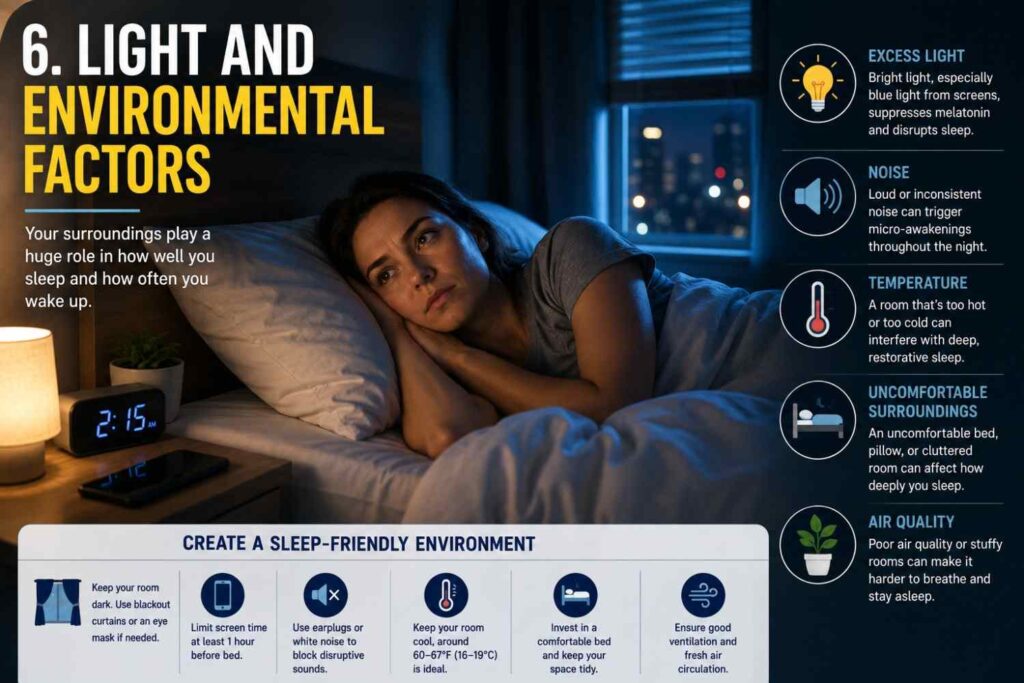
People who sleep with their bedroom not fully darkened often find that their early morning waking tracks the seasonal shift in sunrise timing, waking progressively earlier as the days lengthen in spring and summer. This is a reliable clue that light is the primary driver of why do I keep waking up before my alarm for that person.
Blackout curtains or a sleep mask that blocks early morning light completely is often the simplest and most immediately effective intervention for light-driven early waking. Many people are surprised by how much later they sleep when their bedroom is properly darkened.
Why Do My Shoulders Feel Tight All the Time? 9 Common Causes You Should Know
7. Noise and Other Environmental Disruptions
External noise is another environmental cause of why do I keep waking up before my alarm that people frequently overlook because they do not consciously hear the noise at the moment of waking. In the light sleep stages of the final hours of the night, the brain is more easily roused by environmental sounds than during the deep sleep of earlier in the night. Traffic noise that builds in the early morning as rush hour approaches, garbage trucks, birds, neighbors leaving for work, or a partner’s alarm going off can all pull a light sleeper out of the final stages of sleep.
The brain continues processing sound during sleep, and sudden or irregular sounds are far more likely to cause waking than consistent background noise. The sound of an alarm going off in another room, a dog barking, or a door closing can terminate sleep in the early morning when the sleep stage is lightest even when the sleeper does not consciously register the noise as the cause of their waking.
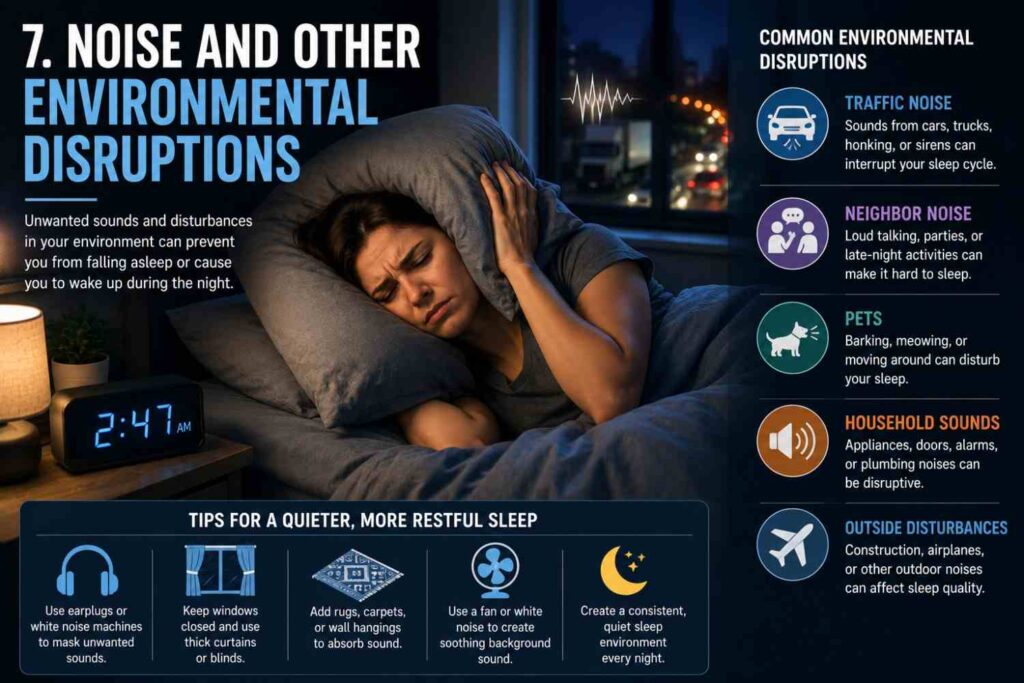
A white noise machine or fan that creates consistent background sound throughout the night masks the intermittent environmental noises that can terminate early morning sleep, and many people find it a remarkably effective intervention for noise-driven early waking.
Why Do My Shoulders Feel Tight All the Time? 9 Common Causes You Should Know
8. Caffeine Timing and Sensitivity
Caffeine consumed later in the day than most people realize can directly affect the quality and continuity of early morning sleep and explain why do I keep waking up before my alarm. Caffeine has a half-life of approximately five to six hours in most adults, meaning that a cup of coffee at 3pm still has significant stimulant activity in your system at 8pm or 9pm when you go to sleep. This residual caffeine suppresses adenosine, the chemical that promotes deep sleep, and can reduce the depth and continuity of sleep particularly in the lighter sleep stages of the early morning when adenosine pressure is naturally lower.
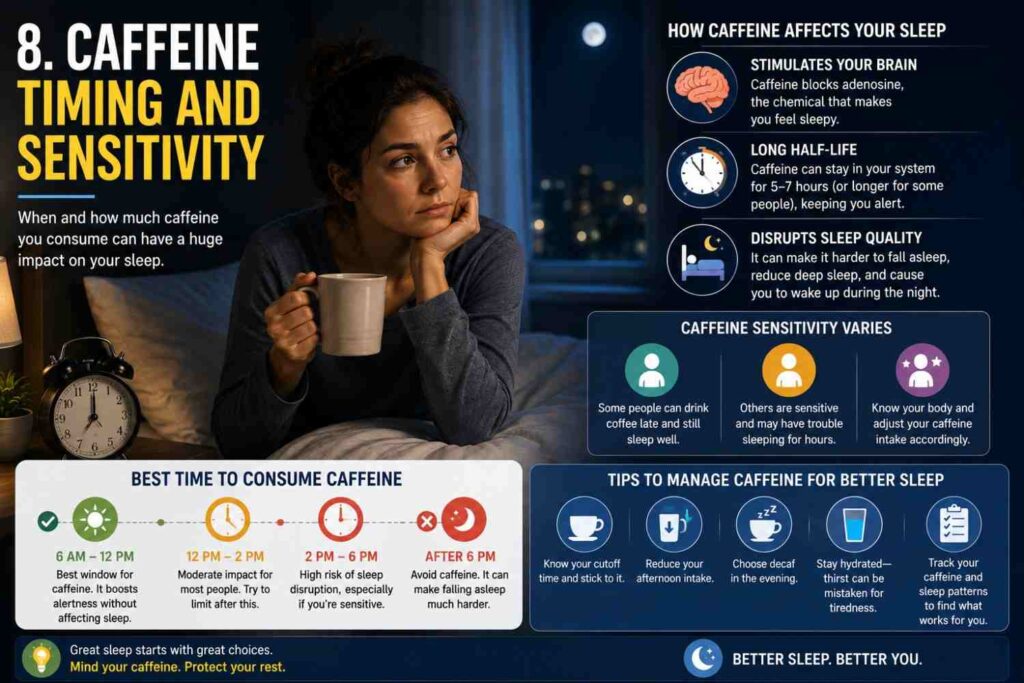
People vary significantly in their caffeine sensitivity and in how quickly they metabolize it. Some people can drink coffee in the late afternoon with no sleep disruption. Others find that even a single cup after noon reliably produces earlier morning waking. Older adults tend to metabolize caffeine more slowly, making timing sensitivity more significant with age.
Cutting off caffeine by noon or early afternoon and gradually reducing overall caffeine intake if sensitivity is high can produce noticeable improvement in early morning sleep continuity within a few days, giving you a clear indication of whether caffeine timing was explaining why do I keep waking up before my alarm.
9. Age-Related Sleep Changes
Age-related changes in sleep architecture are a natural and common explanation for why do I keep waking up before my alarm as people get older, and understanding these changes can make the experience feel less alarming and more manageable. As people age, several changes in sleep biology occur simultaneously. The circadian rhythm tends to advance, meaning the natural sleep and wake times shift earlier. Deep slow-wave sleep decreases, making sleep lighter and more easily disrupted overall. The ability to maintain sleep in the early morning hours reduces because of both the advanced circadian timing and the reduced sleep pressure that comes from lighter overall sleep.
The result is that people who slept soundly until their alarm through their 30s find that by their 50s and 60s they are consistently waking 30 to 90 minutes before they need to, feeling relatively alert, and unable to fall back asleep. This is not a sleep disorder in the pathological sense. It is a normal biological shift that the majority of adults experience to some degree.
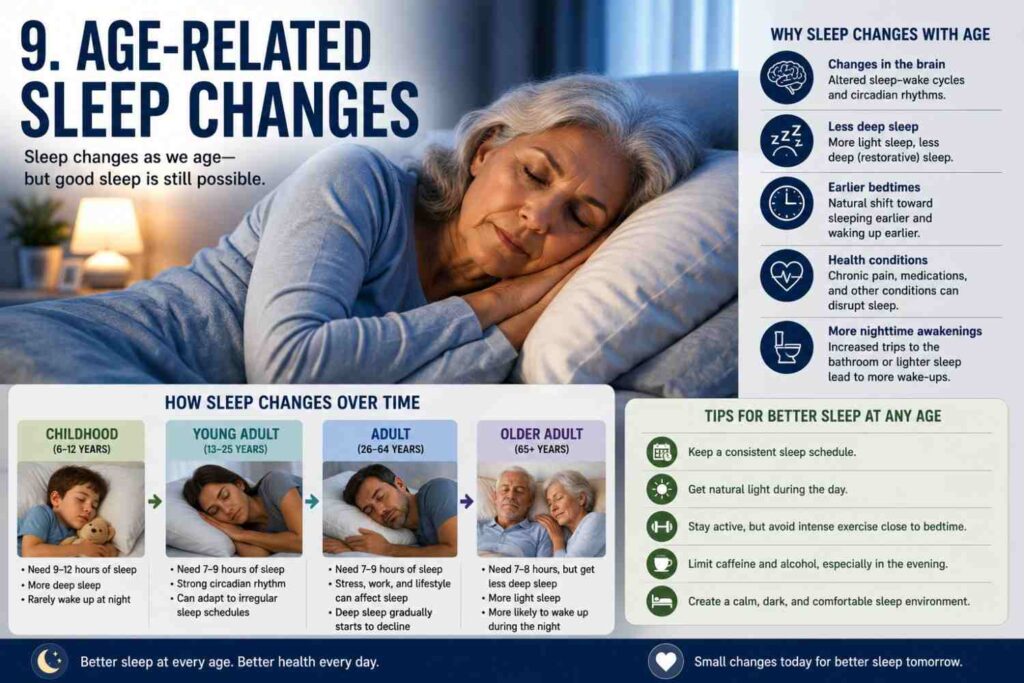
While age-related early waking cannot be fully reversed, maintaining a consistent sleep schedule, managing light exposure, staying physically active, and avoiding alcohol and caffeine later in the day can all help maximize sleep quality and reduce the degree of early waking within the context of the natural age-related changes.
What to Do When You Keep Waking Up Early
The right response depends on which cause applies to you. If you wake feeling refreshed and function well throughout the day, your circadian rhythm may simply be well calibrated and the early waking is not a problem worth solving. If the early waking leaves you feeling unrested and you struggle through the day with low energy, identifying and addressing the specific cause is worth the effort.
Start with the most common and most correctable causes. Blackout your bedroom completely. Cut off caffeine by noon. Reduce evening alcohol. Manage your stress through consistent daily practices. Keep your sleep schedule as consistent as possible including on weekends.
If why do I keep waking up before my alarm persists despite these measures, and particularly if it is accompanied by low mood, excessive daytime sleepiness, snoring, or significant anxiety, a conversation with your doctor is the appropriate next step. Sleep is foundational to everything else in your health, and consistently losing the last hour of it matters more than most people realize.