
Everyone feels tired sometimes. But if you have been asking yourself why am I so tired every single day, and the tiredness never really goes away no matter how much you sleep or how much coffee you drink, that is a different situation entirely. That kind of persistent, relentless fatigue is your body signaling that something specific is off, and it deserves more than just pushing through with another cup of coffee.
The question of why am I so tired is one of the most common reasons Americans visit their doctor, and it has a wide range of possible answers. Some of them are simple lifestyle factors you can address starting tonight. Others point toward medical conditions that respond very well to treatment once properly identified. Understanding the most common causes gives you a real starting point for figuring out what is actually going on.
Here are ten of the most common reasons behind why am I so tired all the time and what each one means for your health.
1. Poor Sleep Quality
This might seem obvious, but the distinction between sleep quantity and sleep quality is one that most people miss entirely. You can spend eight hours in bed and still wake up exhausted if your sleep quality is poor. Deep sleep and REM sleep are the stages where your brain consolidates memories, your body repairs tissue, and your hormones reset. If something is pulling you out of these stages repeatedly, even briefly and without your awareness, you are not getting the restoration your body needs regardless of how many hours you log.

Common disruptors of sleep quality include an inconsistent sleep schedule, a bedroom that is too warm or too bright, excessive screen time before bed, alcohol in the evening, and undiagnosed sleep apnea. If you have been asking why am I so tired despite getting what looks like enough sleep, poor sleep quality rather than poor sleep quantity is often the real explanation.
Why Am I Feeling Sleepy All Day Even After Sleeping All Night? 10 Hidden Reasons You Should Know
2. Iron Deficiency and Anemia

Iron deficiency is one of the most common medical reasons people find themselves asking why am I so tired, and it is significantly underdiagnosed, particularly in women. Iron is essential for producing hemoglobin, the protein in red blood cells that carries oxygen from your lungs to every tissue in your body. When iron levels drop too low, your muscles and brain receive less oxygen than they need, and the result is a deep, persistent tiredness that sleep simply cannot fix.
The fatigue from iron deficiency builds gradually over weeks or months, which is part of why so many people adapt to it without realizing how much their energy has declined. Other signs include pale skin, cold hands and feet, shortness of breath with minimal exertion, and headaches. Women of reproductive age, vegetarians, and people with gastrointestinal conditions are at highest risk.
A blood test checking ferritin and hemoglobin levels can confirm iron deficiency quickly. Supplementation and dietary changes typically restore energy meaningfully within four to eight weeks of starting treatment.
3. Thyroid Problems
An underactive thyroid, known as hypothyroidism, is one of the most commonly missed medical causes of persistent tiredness and explains why am I so tired for a significant number of people who feel exhausted despite doing everything right. Your thyroid controls your metabolism, and when it produces too much or too little hormone, your energy levels are directly affected.

Hypothyroidism slows your metabolism significantly, producing a heavy, sluggish tiredness alongside weight gain, feeling cold all the time, constipation, dry skin, and brain fog. Hyperthyroidism speeds metabolism to an unsustainable degree, which eventually produces exhaustion alongside a racing heart, unexplained weight loss, and anxiety. Both conditions are significantly more common in women than in men and often develop so gradually that the symptoms are attributed to stress or aging before a thyroid cause is considered.
A simple TSH blood test can check your thyroid function. If thyroid dysfunction is the answer to why am I so tired, treatment typically produces a meaningful improvement in energy levels within weeks to a few months of starting the right therapy.
4. Vitamin D Deficiency

Vitamin D deficiency is extraordinarily common in the United States, with estimates suggesting that over 40 percent of American adults have insufficient levels. One of the most consistent and least discussed symptoms of vitamin D deficiency is persistent fatigue and low energy, and for many people it is the primary answer to why am I so tired despite an otherwise healthy lifestyle.
Vitamin D receptors are present in brain regions that regulate mood and energy, and low levels appear to disrupt the neurological signaling that supports
alertness and motivation. People who work indoors, live in northern states, have darker skin tones, or are overweight are at particularly high risk for deficiency.
A 25-hydroxyvitamin D blood test can confirm whether deficiency is contributing to your fatigue. Supplementation with vitamin D3 can improve energy levels noticeably over several weeks in people who are significantly deficient.
5. Sleep Apnea
Sleep apnea is one of the most common and most underdiagnosed causes of persistent tiredness in American adults, and it is estimated that over 80 percent of people with moderate to severe sleep apnea have never been diagnosed. This condition causes your airway to collapse repeatedly during sleep, producing brief pauses in breathing that jolt your brain out of deep sleep without you ever being consciously aware of it.

A person with untreated sleep apnea can experience dozens or hundreds of these micro-arousals every single night. The result is that no matter how many hours they spend in bed, they wake up feeling completely unrefreshed and spend their day wondering why am I so tired when I got a full night of sleep. Other signs include loud snoring, waking up with a dry mouth or headache, and struggling to stay awake during the day.
A sleep study can diagnose sleep apnea, and treating it with a CPAP machine can dramatically transform energy levels within days of starting therapy.
Why Am I Feeling Sleepy All Day Even After Sleeping All Night? 10 Hidden Reasons You Should Know
6. Depression and Anxiety

Mental health conditions are among the most significant and most frequently overlooked answers to why am I so tired, and the physical exhaustion they produce is just as real as the exhaustion from a medical condition like anemia or thyroid disease. Depression and anxiety affect the brain at a neurochemical level in ways that directly impair energy production, disrupt sleep architecture, and create a pervasive heaviness that makes even simple tasks feel exhausting.
People experiencing depression-related fatigue often describe their tiredness as feeling different from ordinary sleepiness. It is more like a heaviness or a lack of motivation that does not improve with rest and that makes getting out of bed feel like a significant accomplishment. Anxiety depletes energy through persistent nervous system activation that keeps the body in a low-level stress state, burning through energy reserves even during periods of rest.
If your persistent tiredness is accompanied by changes in mood, interest in activities you normally enjoy, sleep patterns, or appetite, these symptoms together suggest that mental health may be a primary factor worth discussing with a doctor or therapist.
7. Diabetes and Blood Sugar Issues
Undiagnosed or poorly controlled diabetes is a significant cause of chronic fatigue and answers why am I so tired for a meaningful number of people who have not yet had their blood sugar checked. In diabetes, cells throughout the body cannot efficiently use glucose for energy despite glucose being present in the bloodstream, creating a situation where the body is essentially energy-starved at the cellular level even when blood sugar readings are high.

People with undiagnosed type 2 diabetes often report profound tiredness as one of their earliest symptoms, frequently alongside increased thirst, frequent urination, blurred vision, and unexplained weight changes. Blood sugar fluctuations, whether from uncontrolled diabetes or reactive hypoglycemia in non-diabetic people, also cause energy crashes that produce significant tiredness in the hours after meals.
A fasting blood glucose test and A1C can identify blood sugar issues. Proper management typically improves energy and reduces fatigue meaningfully once blood sugar levels are brought under control.
Why Am I Feeling Sleepy All Day Even After Sleeping All Night? 10 Hidden Reasons You Should Know
8. Chronic Dehydration

Mild but chronic dehydration is one of the most underappreciated reasons people feel persistently tired, and the connection is more physiologically direct than most people realize. When your body is consistently under-hydrated, blood volume decreases slightly, blood pressure can drop, and your cells do not have the fluid environment they need to generate energy efficiently. Even mild dehydration of one to two percent of body weight has been shown in research to impair mood, concentration, and physical energy in ways that contribute to that persistent feeling of being drained.
Many people are mildly dehydrated throughout the day without recognizing it, particularly if they rely heavily on coffee and tea, both of which have mild diuretic effects. The fatigue from chronic dehydration is often dismissed as simply being tired when it is actually a straightforward physiological deficit that responds quickly to consistent rehydration.
Drinking consistently throughout the day, aiming for at least eight cups of water, and starting the morning with a full glass of water before coffee can make a noticeable difference in daily energy levels within a few days of making it a consistent habit.
9. Sedentary Lifestyle
This one seems counterintuitive but it is well-established in exercise science. A sedentary lifestyle does not conserve energy. It depletes it. When you are consistently inactive, your cardiovascular system becomes less efficient at delivering oxygen to your tissues, your mitochondria, which are the energy-producing structures inside your cells, become less active, and your overall metabolic rate drops. The result is that your body becomes less capable of generating and sustaining energy, and you end up asking why am I so tired even though you have not done very much.

Regular physical activity, even moderate amounts like 30 minutes of brisk walking most days, consistently improves energy levels, sleep quality, mood, and overall vitality. The improvement happens through multiple mechanisms including better cardiovascular efficiency, improved mitochondrial function, better sleep, and the release of endorphins that improve energy and mood.
Starting a movement habit when you are already tired feels hard, which is why beginning with very short, low-intensity activity and building gradually produces more sustainable results than trying to go from sedentary to an intense exercise program overnight.
10. Nutritional Deficiencies Beyond Iron
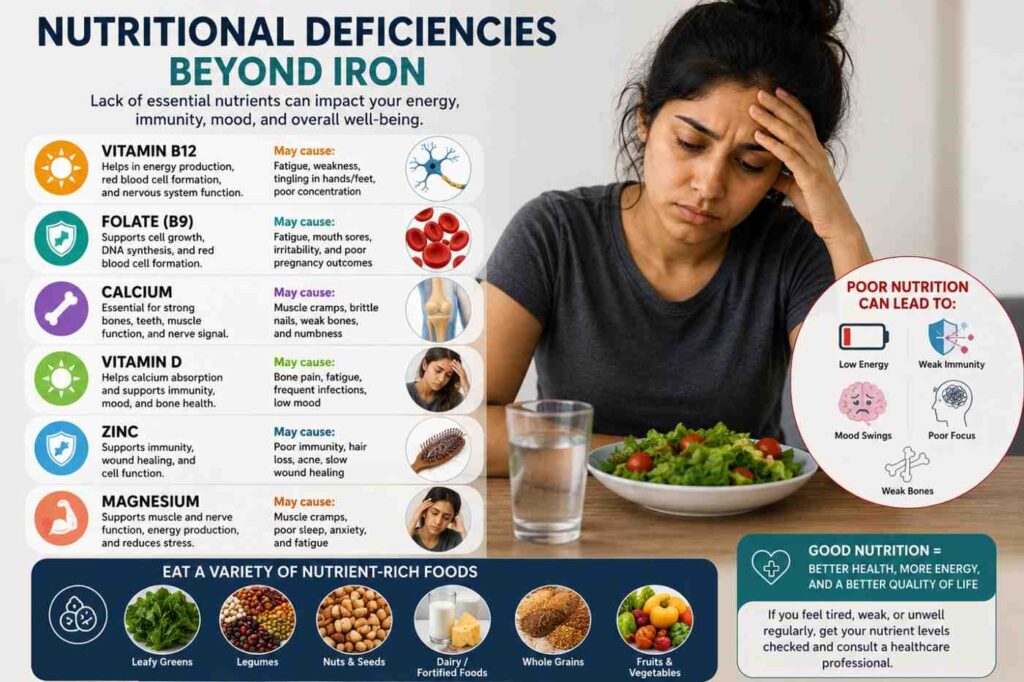
While iron deficiency gets the most attention in conversations about fatigue, several other nutritional deficiencies are significant and frequently missed answers to why am I so tired. Vitamin B12 deficiency produces a distinctive neurological and physical fatigue alongside tingling in the hands and feet and cognitive changes. Magnesium deficiency impairs the cellular energy production process and produces tiredness alongside muscle cramps and poor sleep. Folate deficiency causes a type of anemia similar to iron deficiency anemia that produces the same oxygen-delivery-related exhaustion.
People at risk for multiple nutritional deficiencies include those following restrictive diets, people with gastrointestinal conditions that impair absorption, older adults who absorb certain nutrients less efficiently, and anyone who has been under significant stress, since stress depletes several key nutrients more rapidly than normal.
A comprehensive nutritional blood panel can identify which deficiencies if any are contributing to your persistent tiredness and allow for targeted supplementation rather than guessing about which vitamins to take.
What to Do When You Are Always Tired
Start with the most common and most actionable causes. Prioritize consistent sleep at a regular time. Drink more water throughout the day. Get outside and move your body even for short periods. Cut back on alcohol in the evenings. Eat regular balanced meals with enough protein to support stable energy.
If those changes do not meaningfully improve your energy within two to three weeks, the next step is a visit to your doctor for a basic blood panel. Checking thyroid function, iron and ferritin levels, vitamin D, B12, blood sugar, and a complete blood count covers the most common medical answers to why am I so tired and gives your doctor a clear starting point for identifying what specifically needs addressing.
Persistent tiredness is not something you just have to live with. In the vast majority of cases, it has a real cause and a real solution. You deserve to feel energized and capable, not just surviving each day.