
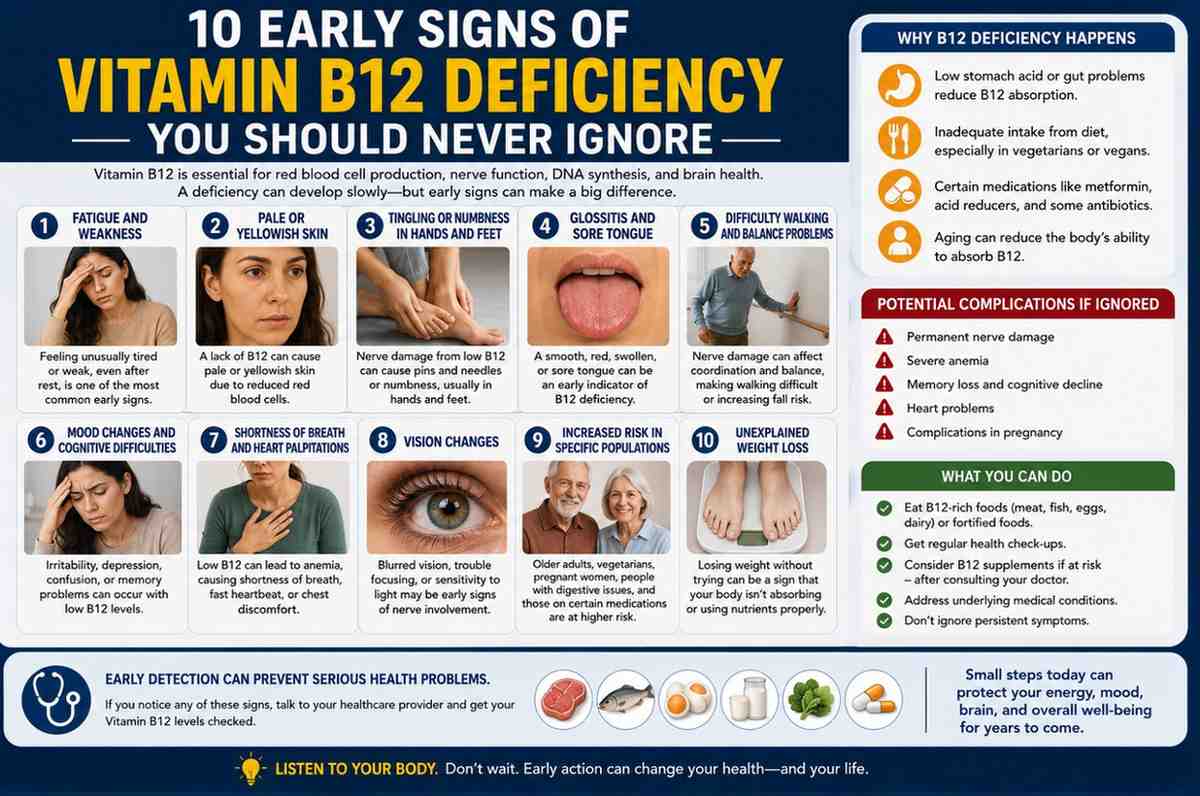
Vitamin B12 deficiency develops slowly, and that slow progression is exactly what makes it so easy to miss. The early signs of vitamin B12 deficiency often look like ordinary tiredness, normal aging, or everyday stress, which means a lot of people walk around deficient for months or even years before anyone connects the dots. By the time many people get diagnosed, the deficiency has already been affecting their body for a long time.
Vitamin B12 is essential for producing red blood cells, maintaining the protective coating around your nerves, and supporting healthy brain function. When levels drop too low, the effects show up across multiple systems in your body, often in ways that do not immediately seem related to a vitamin deficiency at all. Knowing the early signs of vitamin B12 deficiency can help you catch the problem before it progresses into something more serious.
Here are 10 of the most important early signs of vitamin B12 deficiency you should never ignore.
1. Persistent Fatigue That Does Not Improve With Rest
Fatigue is one of the most common and most overlooked early signs of vitamin B12 deficiency. Vitamin B12 is essential for producing healthy red blood cells, which carry oxygen throughout your body. When B12 levels drop, your body produces fewer and larger red blood cells than normal, a condition called megaloblastic anemia, and those abnormal cells are less efficient at delivering oxygen to your tissues.
The result is a type of tiredness that feels different from ordinary fatigue. It does not improve significantly with a good night of sleep, it builds gradually over weeks or months, and it often comes with a sense of physical heaviness or sluggishness that makes even routine tasks feel more effortful than they should. People frequently attribute this fatigue to stress, aging, or being busy, which delays the realization that something more specific is happening.
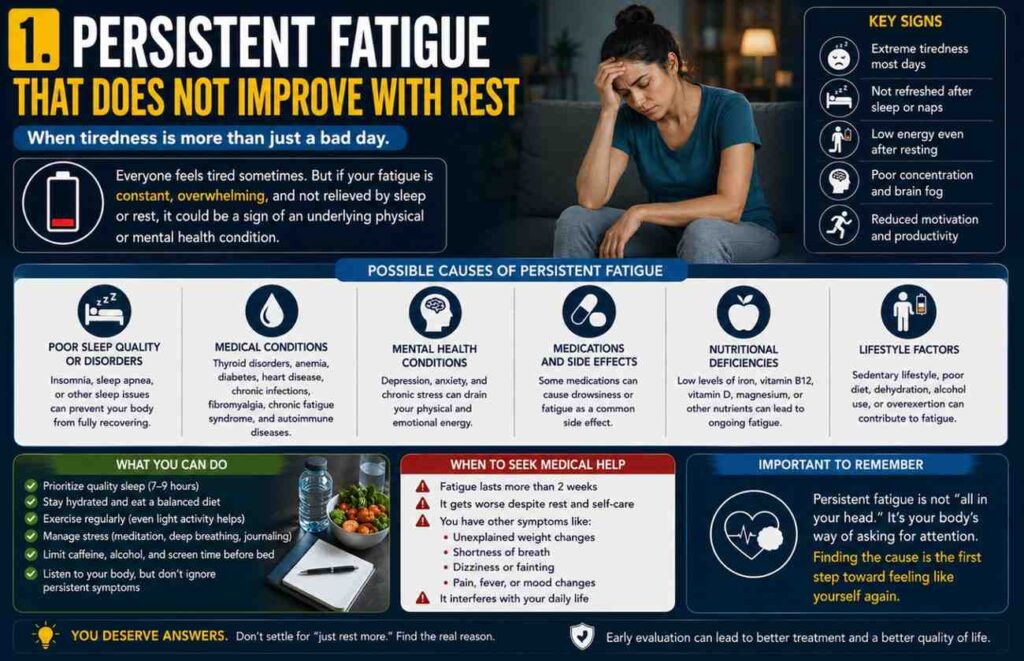
If you have been feeling persistently tired despite adequate sleep and there is no obvious explanation, vitamin B12 deficiency is worth ruling out with a simple blood test.
2. Tingling or Numbness in the Hands and Feet
Among the early signs of vitamin B12 deficiency, nerve-related symptoms are particularly important because they reflect damage that can become permanent if left untreated for too long. Vitamin B12 is critical for maintaining myelin, the protective coating that surrounds nerve fibers and allows them to transmit signals quickly and accurately. When B12 levels are insufficient, myelin production slows and existing myelin can begin to deteriorate.
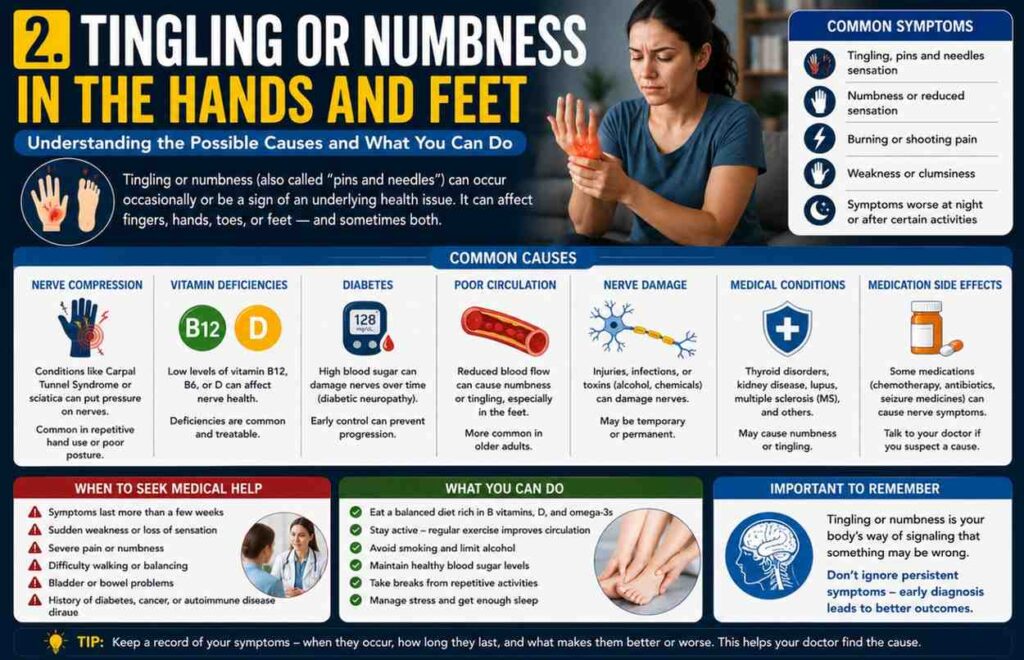
This typically shows up first as a tingling, pins-and-needles sensation in the hands and feet, often described as feeling like the limbs have fallen asleep even without any pressure or restricted blood flow involved. Some people describe it as a burning sensation, while others notice numbness that makes it harder to feel small objects or textures with their fingertips.
These nerve-related early signs of vitamin B12 deficiency tend to appear symmetrically, affecting both hands or both feet rather than just one side, which can help distinguish it from other causes of numbness and tingling like nerve compression.
How to Fix Semaglutide Hair Loss: 9 Proven Ways to Support Hair Regrowth
3. Pale or Yellowish Skin
A change in skin color is one of the more visually identifiable early signs of vitamin B12 deficiency, though it is frequently mistaken for general tiredness or simply looking unwell. The pale appearance comes from the reduced number of healthy red blood cells circulating in the body, which gives the skin a washed-out quality, particularly noticeable in the face.
A yellowish tinge, particularly in the whites of the eyes, can also develop because the abnormally large, fragile red blood cells produced during B12 deficiency break down faster than normal, releasing bilirubin into the bloodstream at a higher rate than the liver can efficiently process. This creates a mild jaundice-like appearance that is a distinctive marker of the megaloblastic anemia associated with B12 deficiency.
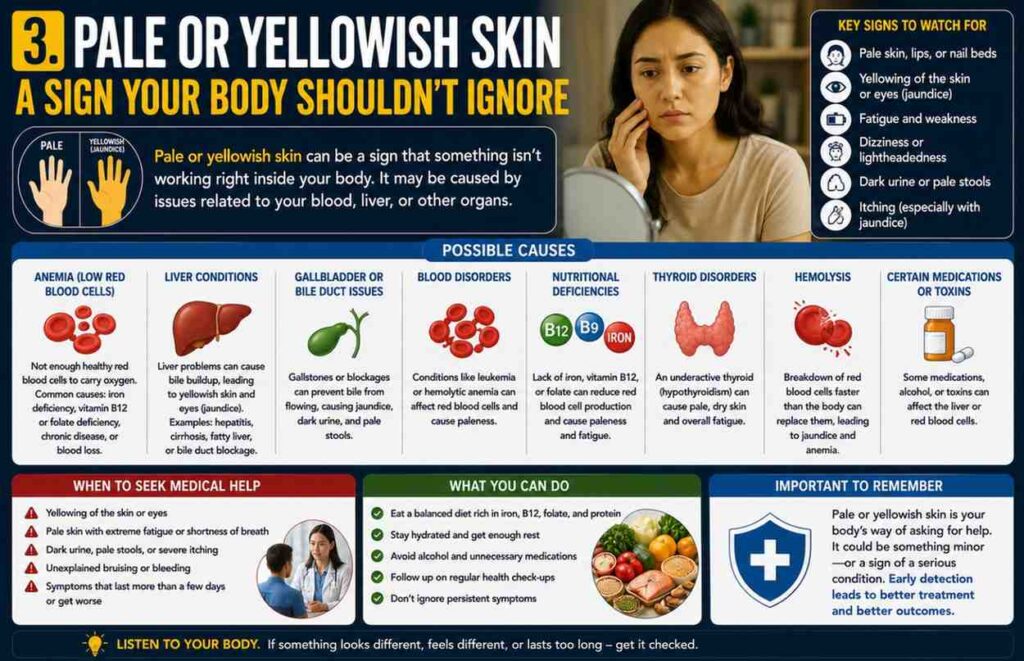
If you have noticed that you or someone close to you looks consistently pale or has developed a subtle yellow tint to their skin or eyes without an obvious explanation, this combination is worth mentioning to a doctor alongside any other symptoms you have noticed.
4. Glossitis and a Sore, Swollen Tongue
A swollen, inflamed, and often sore tongue, a condition called glossitis, is one of the most specific early signs of vitamin B12 deficiency and is frequently one of the first symptoms people notice before more systemic symptoms develop. The tongue may appear smooth and shiny rather than its normal slightly bumpy texture because the tiny papillae on the tongue’s surface can shrink or disappear entirely as a result of the deficiency.
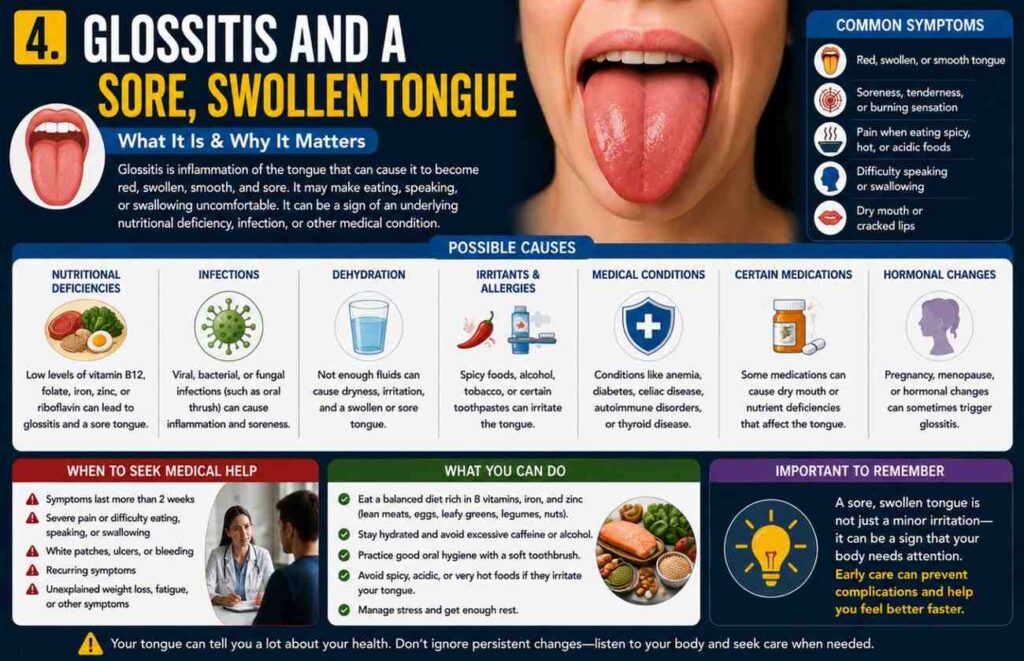
People with B12-related glossitis often describe a burning sensation on the tongue, increased sensitivity to spicy or acidic foods, and a generalized soreness that makes eating uncomfortable. The tongue may also appear redder than normal due to inflammation.
Because glossitis can also be caused by other nutritional deficiencies including iron and folate, it is a useful clue rather than a definitive diagnosis on its own, but it is specific enough that it should prompt a conversation with your doctor about checking your B12 levels along with other nutritional markers.
How to Fix Semaglutide Hair Loss: 9 Proven Ways to Support Hair Regrowth
5. Difficulty Walking and Balance Problems
As vitamin B12 deficiency progresses, nerve damage can begin to affect coordination and balance, producing one of the more concerning early signs of vitamin B12 deficiency that tends to appear after the milder symptoms have already been present for some time. This happens because B12 deficiency can damage the proprioceptive nerves, which are responsible for sending your brain information about where your body is in space.
APeople experiencing this symptom often describe feeling unsteady on their feet, particularly in low light or when their eyes are closed, such as in the shower. They may notice they are bumping into things more often, struggling with stairs in a way they did not before, or feeling a general sense of clumsiness that was not present previously.Post-exercise muscle twitching typically occurs in the muscles that were most heavily used and tends to come on in the hours after exercise and sometimes continues into the next day. It is not a sign of damage or injury in the vast majority of cases. It is simply your neuromuscular system recalibrating after an unusual demand.
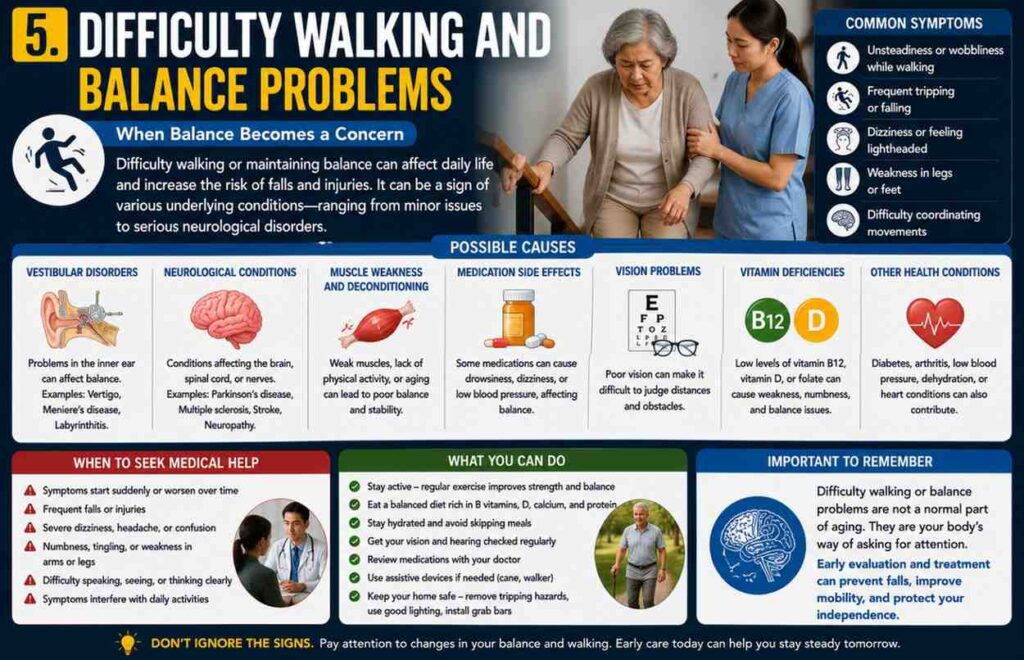
People experiencing this symptom often describe feeling unsteady on their feet, particularly in low light or when their eyes are closed, such as in the shower. They may notice they are bumping into things more often, struggling with stairs in a way they did not before, or feeling a general sense of clumsiness that was not present previously.
How to Fix Semaglutide Hair Loss: 9 Proven Ways to Support Hair Regrowth
6. Mood Changes and Cognitive Difficulties
Vitamin B12 plays an important role in the production of neurotransmitters, the chemical messengers that regulate mood, and deficiency has been linked to depression, irritability, and in more severe cases symptoms that resemble dementia or cognitive decline. These mental and emotional symptoms are among the more subtle early signs of vitamin B12 deficiency and are frequently misattributed to stress, mental health conditions unrelated to nutrition, or normal aging.
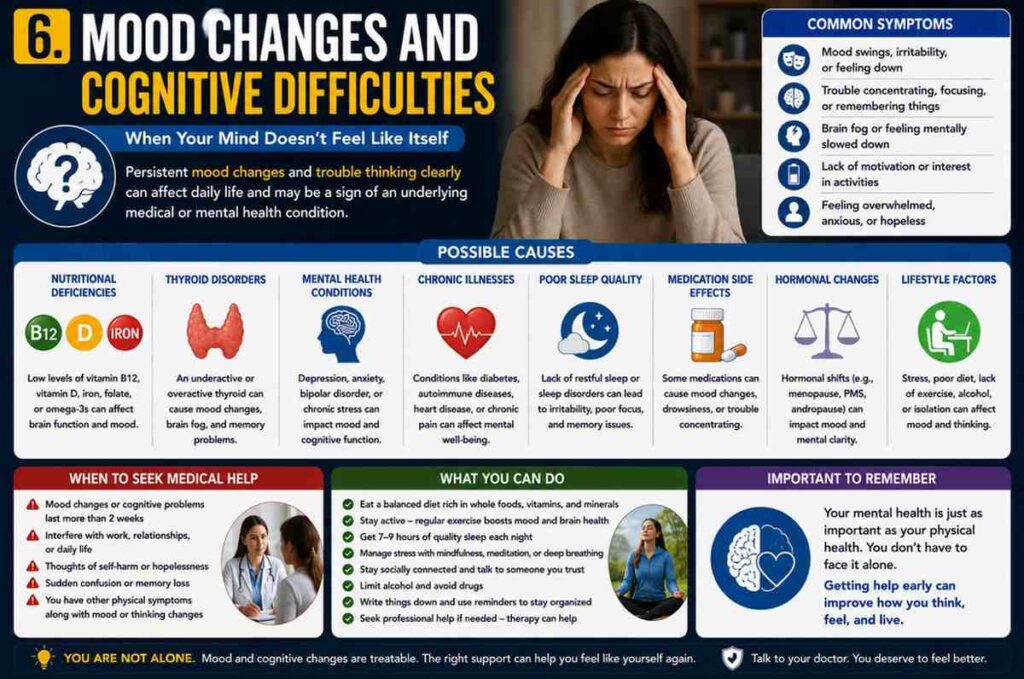
People experiencing B12-related cognitive changes often report difficulty concentrating, problems with short-term memory, brain fog, and a general sense of mental sluggishness. In older adults, these symptoms can sometimes be mistaken for early dementia, which makes checking B12 levels an important step in any cognitive evaluation, particularly because B12-related cognitive symptoms are often reversible with treatment when caught early enough.
If you have noticed new or worsening mood changes, memory problems, or difficulty concentrating without another clear explanation, mentioning these symptoms alongside any physical symptoms to your doctor provides a more complete picture for diagnosis.
7. Shortness of Breath and Heart Palpitations
As B12-related anemia becomes more pronounced, your body has fewer healthy red blood cells available to carry oxygen, and your heart and lungs have to work harder to compensate. This can produce shortness of breath during activities that previously caused no difficulty, along with heart palpitations, a sensation of the heart beating rapidly, irregularly, or more forcefully than usual.
These cardiovascular early signs of vitamin B12 deficiency often appear alongside fatigue and pale skin, forming a recognizable cluster of anemia-related symptoms. People may notice they get winded climbing a flight of stairs that never bothered them before, or that their heart seems to race during otherwise mild exertion.
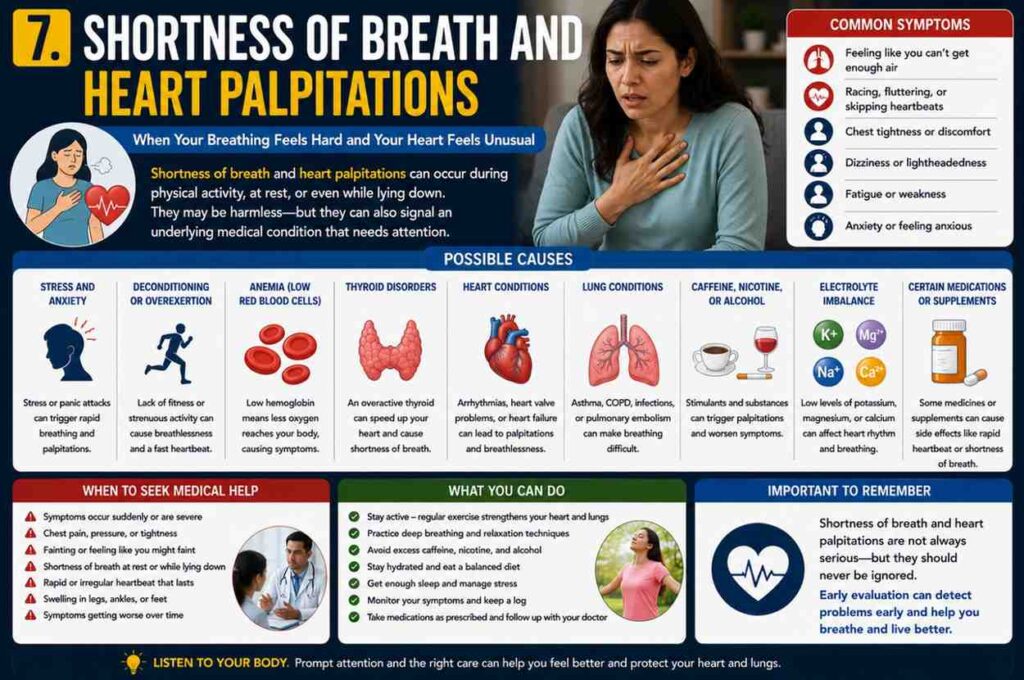
Because shortness of breath and palpitations can also indicate other significant medical conditions including heart disease, it is important not to assume B12 deficiency is the cause without proper evaluation. A doctor can run the appropriate tests to clarify what is actually happening.
8. Vision Changes
Less commonly recognized among the early signs of vitamin B12 deficiency are changes in vision, which can occur when prolonged deficiency damages the optic nerve, a condition sometimes called B12 optic neuropathy. This typically develops gradually and can include blurred or disturbed vision, sensitivity to light, and in some cases changes in color perception.
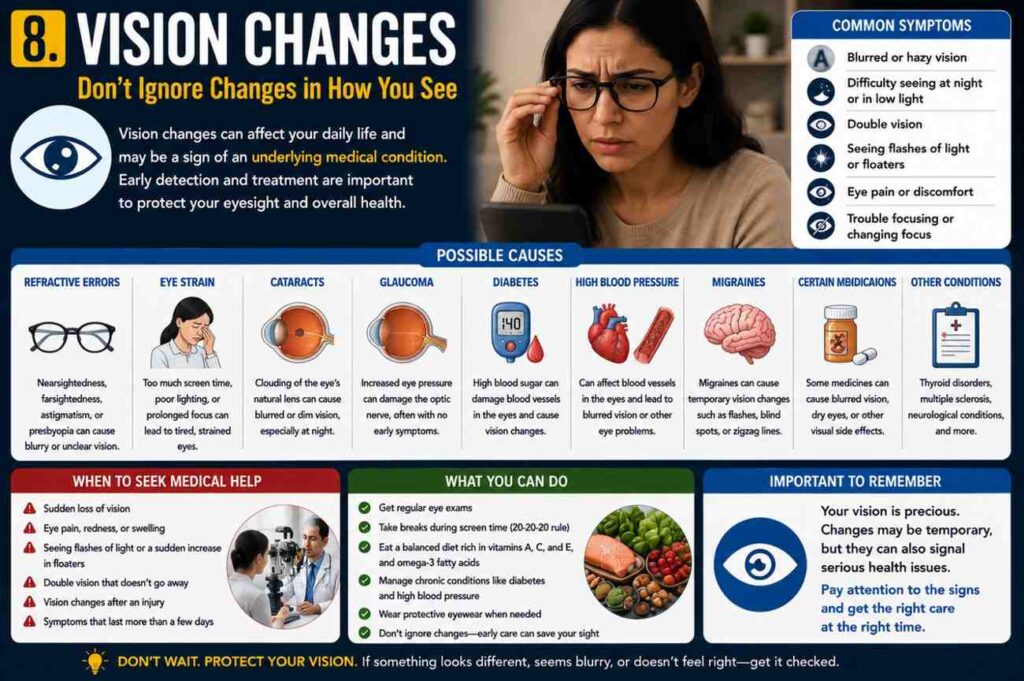
Optic nerve damage from B12 deficiency is less common than the other symptoms on this list but is significant because, like other nerve-related complications of B12 deficiency, it has the potential to become permanent if the deficiency is not corrected in time. The good news is that vision changes caused specifically by B12 deficiency often improve significantly once B12 levels are restored to normal, particularly when treatment begins relatively early.
If you have experienced unexplained vision changes alongside other potential signs of B12 deficiency like fatigue, tingling, or balance problems, it is worth raising this specific combination of symptoms with both your primary doctor and an eye care professional.
9. Increased Risk in Specific Populations
Certain groups of people face a significantly higher risk of developing vitamin B12 deficiency and should be particularly attentive to early signs of vitamin B12 deficiency given their elevated baseline risk. Vegetarians and vegans are at high risk because B12 is found almost exclusively in animal products, meaning those who do not supplement are likely to become deficient over time regardless of how healthy the rest of their diet looks.
Older adults are at increased risk because stomach acid production, which is necessary for absorbing B12 from food, naturally declines with age. People who take metformin for diabetes have reduced B12 absorption as a well-documented medication side effect. People who have had weight loss surgery or other gastrointestinal procedures, as well as those with conditions like Crohn’s disease or celiac disease that affect nutrient absorption, are also at significantly elevated risk.
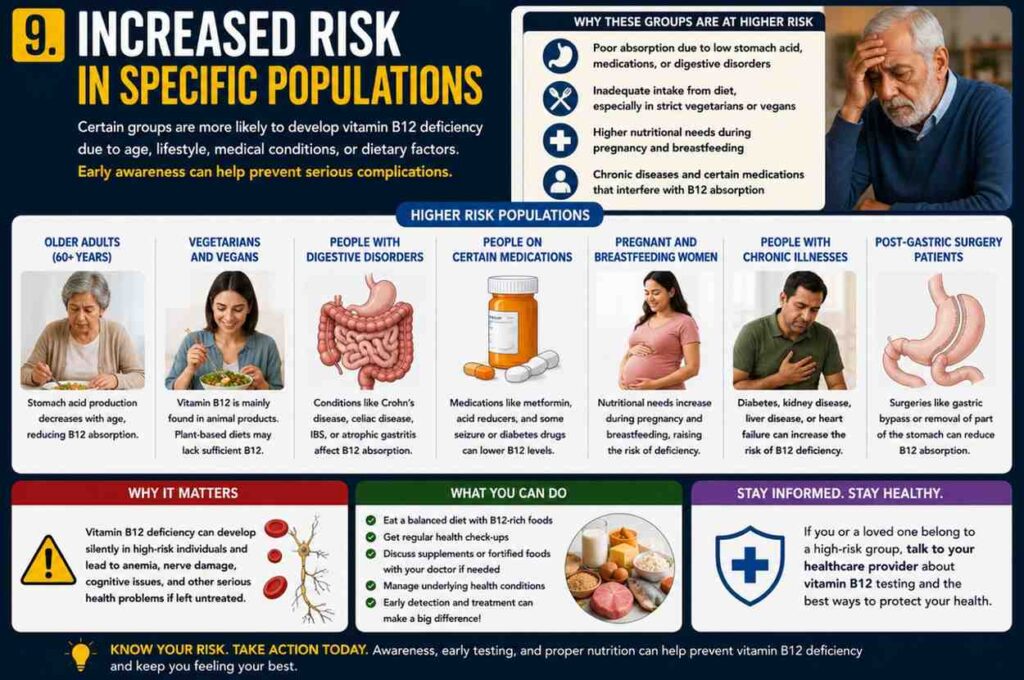
If you fall into any of these higher-risk categories, periodic B12 testing even in the absence of obvious symptoms is a reasonable preventive measure, since early signs of vitamin B12 deficiency can be subtle enough to miss until the deficiency has progressed significantly.
10. Unexplained Weight Loss
Unintentional weight loss can be one of the early signs of vitamin B12 deficiency, particularly when it occurs alongside other symptoms on this list. B12 deficiency can reduce appetite, and the gastrointestinal symptoms that sometimes accompany the conditions that cause B12 deficiency, such as malabsorption disorders, can independently contribute to weight loss.
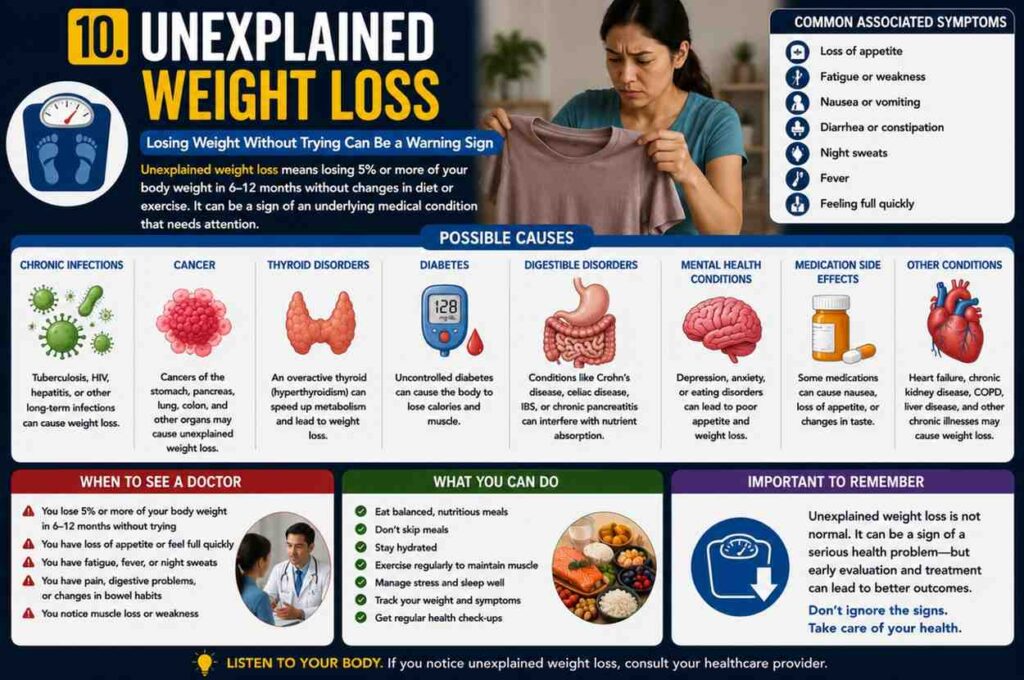
This symptom is less specific than some of the others on this list because unexplained weight loss has many possible causes, ranging from completely benign to serious. However, when unexplained weight loss occurs alongside fatigue, tingling sensations, glossitis, or cognitive changes, it strengthens the case for checking B12 levels as part of a broader evaluation.
Any unintentional weight loss that you cannot explain through changes in diet or activity level deserves medical attention regardless of whether B12 deficiency turns out to be the cause, simply because it can be an early indicator of several different underlying conditions worth identifying.
What to Do If You Recognize These Signs
If you are noticing several of these early signs of vitamin B12 deficiency, the most important next step is a simple blood test that measures your serum B12 level along with methylmalonic acid, which can detect deficiency even when B12 levels appear borderline normal on a standard test. Many doctors also check folate levels at the same time since the two deficiencies can produce similar symptoms and sometimes occur together.
Treatment for B12 deficiency is straightforward once identified. Depending on the cause and severity, this may involve oral supplements, sublingual tablets that dissolve under the tongue for better absorption, or B12 injections for people with absorption problems that prevent oral supplementation from working effectively. Most people notice improvement in energy and other symptoms within a few weeks of starting appropriate treatment, though nerve-related symptoms can take longer to resolve and may not fully reverse if the deficiency was severe or prolonged before treatment began.
Catching the early signs of vitamin B12 deficiency before significant nerve damage occurs makes a real difference in how completely your symptoms resolve, which is exactly why paying attention to these signals matters.