
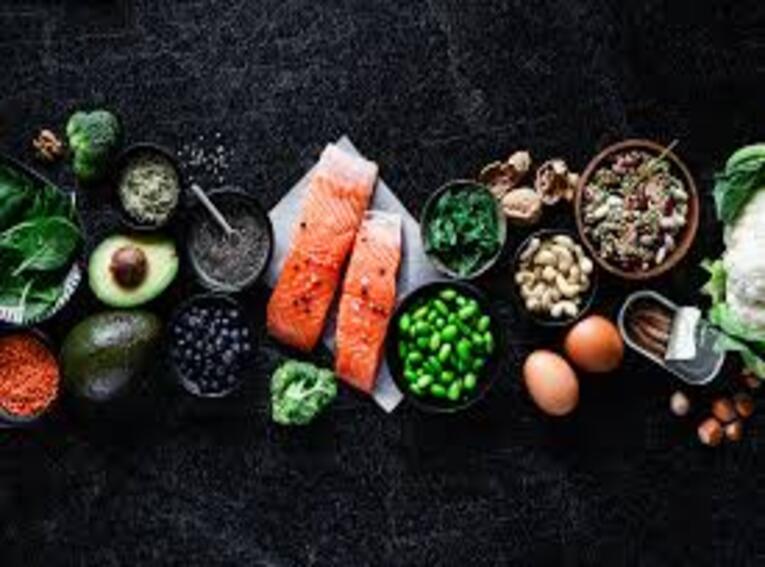
For years, we’ve been told that eating less is the only way to lose weight. Fewer calories, smaller portions, more self-control, that’s the formula we’ve been fed. But what if the real secret isn’t about eating less, but eating smarter?
Surprisingly, some foods allow you to eat more volume, feel fuller, and still consume fewer calories overall. It sounds counterintuitive, but science and real-life experience back it up.
Let’s break down why eating more of certain foods can actually help you reduce calorie intake, feel satisfied, and build a healthier relationship with food.
The Real Problem Isn’t Hunger, It’s Satiety
Most diets fail not because people lack discipline, but because they’re constantly hungry. When your meals don’t keep you full, your body fights back with cravings, low energy, and overeating later in the day.
This is where satiety comes in.
Satiety is the feeling of fullness that tells your brain, “I’ve had enough.” Foods that promote satiety help you naturally eat fewer calories, without feeling deprived.
Three major factors influence satiety: volume, fiber, protein and water content. Foods high in these elements allow you to eat larger portions while consuming fewer calories.
High-Volume, Low-Calorie Foods: Eat More, Weigh Less
Some foods are physically bulky but low in calories. They take up more space in your stomach, triggering fullness signals without adding excessive calories.
Examples include leafy greens like spinach, lettuce, and kale, along with cucumbers, zucchini, tomatoes, cauliflower, cabbage, mushrooms, and broth-based soups.
A large bowl of salad can be under 150 calories, while a handful of chips can cross 300 calories easily.
Why it works: Your stomach stretches when you eat volume. Stretch receptors signal your brain that you’re full, regardless of how many calories you consumed. So yes, you can eat a big plate of food and still stay in a calorie deficit.
Fiber-Rich Foods: Nature’s Appetite Control
Fiber is one of the most underrated tools for weight management. High-fiber foods slow digestion, stabilize blood sugar, and keep you full for longer periods. They also require more chewing, which gives your brain time to register fullness.
Best fiber-rich foods include oats, lentils and beans, apples, pears, berries, chia seeds and flaxseeds, and whole grains.
For example, a bowl of oatmeal with fruit will keep you full far longer than a sugary cereal, even if the calories are similar.
Bonus: Fiber feeds your gut bacteria, which play a role in appetite regulation and metabolism. This means the benefits of fiber extend beyond simple fullness, it actually helps optimize how your body processes food and manages hunger signals throughout the day.
Protein: Eat More, Snack Less
Protein is the most satiating macronutrient. It reduces hunger hormones and increases fullness hormones more effectively than carbs or fats. When meals lack protein, you’re more likely to snack mindlessly later.
High-protein, relatively low-calorie foods include eggs, Greek yogurt, paneer (low-fat), chicken breast, fish, tofu and tempeh, and lentils and chickpeas.
Adding protein to every meal helps you naturally eat fewer calories throughout the day, without tracking every bite.
Human truth: Most people aren’t overeating meals, they’re overeating snacks. Protein reduces those random cravings. When you start your day with a protein-rich breakfast, you’re setting yourself up for better choices and fewer impulsive snacks throughout the entire day.
Foods with High Water Content: Fullness Without Calories
Water adds volume and weight to food without adding calories. Foods with high water content fill you up faster and keep you hydrated at the same time.
Water-rich foods include watermelon, oranges, strawberries, soups, yogurt, and cooked vegetables.
Eating an apple (about 95 calories) will make you far more satisfied than drinking apple juice (around 120 calories), even though juice is easier to consume.
Key takeaway: Chewing plus water content equals higher satiety. This is why whole fruits always beat fruit juices, and why soup can be such a powerful tool for weight management. The simple act of chewing sends signals to your brain that you’re eating, while the water content fills your stomach.
Whole Foods vs. Processed Foods: The Calorie Trap
Processed foods are engineered to be calorie-dense, low in fiber, and easy to overeat. They barely trigger satiety signals, making it easy to consume large amounts quickly.
Compare a bowl of homemade dal and rice versus a burger and fries. You’ll feel fuller longer after the dal, even if the calories are similar.
Why? Whole foods require chewing, they digest slowly, they contain fiber, protein, and water, and they don’t spike blood sugar as aggressively.
Eating more whole foods naturally pushes out ultra-processed foods from your diet, without strict rules. You’re not eliminating foods through willpower alone; you’re simply crowding them out by filling up on more nourishing options. This makes the entire process sustainable rather than restrictive.
Eating More Earlier Can Mean Eating Less Later
Many people skip breakfast or eat very little during the day, only to overeat at night. Eating satisfying, balanced meals earlier can reduce late-night cravings and emotional eating.
A breakfast with protein, fiber, and healthy fats can lower total calorie intake across the entire day. This isn’t about forcing meals, it’s about fueling your body when it needs energy.
Think about it: when you starve yourself all morning, you arrive at lunch ravenous and make poor choices. By evening, you’re so depleted that every craving feels urgent and irresistible. Starting the day with proper nourishment breaks this cycle and gives you control over your choices throughout the day.
Mindful Eating Amplifies the Effect
Eating more of the right foods works best when paired with mindful eating. That means eating without distractions, chewing slowly, and listening to hunger and fullness cues.
When you slow down, your brain has time to register satiety, preventing overeating even with healthy foods. Many people eat so quickly that they consume far more than they need before their brain catches up. The simple practice of putting your fork down between bites, savoring flavors, and checking in with your body can dramatically reduce overall intake.
The Psychological Shift: From Restriction to Nourishment
One of the biggest benefits of eating more high-satiety foods is mental freedom. You stop asking, “Can I eat this?” and start asking, “Will this nourish me and keep me full?”
This shift reduces binge-restrict cycles, guilt, and food anxiety. Weight loss becomes a side effect of better choices, not a daily struggle.
When food is no longer the enemy, when meals become about nourishment rather than deprivation, everything changes. You stop white-knuckling your way through the day, waiting for your next “cheat meal.” Instead, you build a sustainable pattern of eating that serves your body and your life.
Practical Tips to Apply This Today
Start meals with vegetables or soup. This primes your stomach with volume and fiber before you get to the more calorie-dense parts of your meal.
Add protein to every plate. Whether it’s eggs at breakfast, chickpeas in your salad, or fish with dinner, protein should be non-negotiable.
Swap refined snacks for fiber-rich options. Choose an apple with nut butter instead of cookies, or air-popped popcorn instead of chips.
Choose whole fruits over juices. The fiber and chewing make all the difference in how satisfied you feel.
Build meals around foods that fill you up, not foods you fear. When your plate is full of vegetables, lean protein, and whole grains, there’s simply less room for empty calories.
No calorie-counting apps required. When you prioritize satiety, your body does the math for you.
Final Thoughts: Eat More to Eat Less
Eating more of the right foods isn’t cheating the system, it’s working with your body, not against it.
When your meals are satisfying, balanced, and nourishing, hunger decreases, cravings fade, calories naturally reduce, and sustainability increases.
You don’t need to starve to lose weight. Sometimes, you just need to eat better, and yes, eat more of the right things. The irony is that the people who eat the most food by volume are often the ones who manage their weight most easily. They’ve discovered that a plate piled high with roasted vegetables, grilled chicken, and quinoa is far more satisfying and less fattening than a small portion of pasta in cream sauce.
This approach isn’t a diet, it’s a blueprint for eating that you can maintain for life. No restriction, no guilt, just nourishment and satisfaction with every meal.