
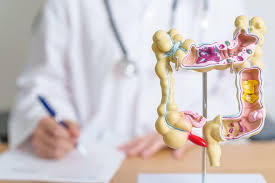
Something strange is happening with bowel cancer. For years, this disease mostly affected older people, but now more and more young adults are being diagnosed. Scientists are puzzled, and they’re turning to an unlikely source for answers: tumor samples that have been sitting in a hospital basement for over 70 years.
A Growing Problem No One Expected
Bowel cancer is the fourth most common cancer in the UK and the second leading cause of cancer deaths. While better screening has helped reduce cases in older adults, the opposite is happening with younger people. The numbers are alarming.
In the UK, bowel cancer cases in people under 24 have jumped by 75% since the early 1990s. For those aged 25 to 49, cases have risen by 51%. Even more worrying, diagnoses are expected to double between 2010 and 2030.
This isn’t just a UK problem. All around the world, doctors are seeing more young people with bowel cancer. Studies show that people born in 1990 have twice the risk of colon cancer and four times the risk of rectal cancer compared to those born in 1950.
Why This Matters So Much
Young people getting bowel cancer face unique challenges. Many don’t even think cancer is possible at their age, so they ignore symptoms. Doctors often miss it too, thinking the symptoms are just irritable bowel syndrome or something less serious.
Holly Masters knows this all too well. She was diagnosed with stage three rectal cancer at just 23 years old. Holly had all the symptoms of bowel cancer for a year before diagnosis, but doctors initially told her she had IBS. She was finally diagnosed through an emergency hospital visit.
Now 27, Holly says the experience changed her life forever. She has a stoma (a bag attached to her abdomen for waste) and lives with constant fear that the cancer might come back. Her story is becoming more common, and researchers are desperate to understand why.
The Mystery Scientists Want to Solve
Here’s what makes this trend so confusing: many of these young patients seem healthy. They’re not overweight, they exercise, they don’t smoke. Yet they’re still getting aggressive forms of bowel cancer.
Scientists have many theories about what might be causing this increase:
Diet changes: Today’s young people eat very differently than people did in the 1950s. Fast food, processed meats, and foods high in fat have become common. People also eat less fiber than previous generations.
Less physical activity: Many young people today have desk jobs and spend hours on screens. Previous generations moved more in their daily lives.
Environmental pollutants: Some researchers wonder if microplastics, which are now found everywhere, including in our bodies, might play a role.
Changes in gut bacteria: The bacteria living in our intestines have changed over the decades. Some harmful types of bacteria might be more common now.
Antibiotics: Young people today have often taken more antibiotics than previous generations, which can change gut bacteria.
The problem is that scientists don’t know which of these factors matter most, or if it’s a combination of many things. That’s where those old tumor samples come in.
A Treasure Trove in a Hospital Basement
Hidden in the basement of St Mark’s Hospital in London sits one of the most valuable collections in cancer research. The hospital has preserved tens of thousands of bowel cancer samples from every patient they’ve treated, some dating back to the 1950s.
These aren’t just any samples. They’re carefully preserved in paraffin wax, along with the gut bacteria that were present at the time. This archive is now the focus of an exciting new study called the “Boomers Project.”
Researchers from the Institute of Cancer Research plan to use advanced DNA analysis to compare these old samples with modern ones. They want to see how the cancer has changed over the decades.
How Old Samples Can Reveal New Secrets
The way cancer develops leaves fingerprints in our DNA. Different causes create different patterns. For example, damage from smoking leaves one type of mark, while damage from certain chemicals leaves another.
By studying the DNA in tumors from the 1950s and comparing them to tumors from today, scientists hope to identify what has changed. If they see new patterns in modern tumors that weren’t there before, they can work backward to figure out what’s causing them.
Professor Trevor Graham from the Institute of Cancer Research has a leading theory. He believes a particular type of E. coli bacteria that lives in the bowels of young people today might not have been there in the past. This bacteria releases toxins that can damage DNA in bowel tissue, possibly triggering cancer.
The team will look through the old samples to see if this type of DNA damage was rare back then and has become more common over time.
What Makes This Study Different
This isn’t the first time scientists have tried to understand why young people are getting more bowel cancer, but this approach is unique. Most studies look at health records or interview patients about their lives. This study directly examines the cancer cells themselves, comparing past and present.
The researchers will use genome sequencing, a technique that reads the complete DNA code of the cancer. They’ll map every change and mutation in the old samples and compare them with modern cases. These comparisons will show how environmental factors have changed over the past several decades.
Professor Kevin Monahan, a doctor at St Mark’s Hospital working on the project, explains that they have a lot to learn. Scientists don’t yet know whether one factor or many are responsible, ranging from diet and genetics to microplastics and sedentary lifestyles.
What Happens Next
If this initial study finds promising results, it could lead to much larger research projects. The findings might help develop new ways to prevent bowel cancer in young people or catch it earlier when it’s easier to treat.
The research might also help doctors understand which young people are at highest risk. This could lead to better screening programs designed specifically for younger adults.
Right now, most countries only recommend regular bowel cancer screening for people over 45 or 50. But if cases keep rising in younger people, these guidelines might need to change.
Warning Signs Everyone Should Know
While researchers work to solve this mystery, it’s important for everyone, especially young people, to know the warning signs of bowel cancer:
Blood in your poop: This can be bright red or dark. Even a little bit of blood is worth checking out, even if you think it’s just hemorrhoids.
Changes in bathroom habits: This includes diarrhea or constipation that lasts more than two weeks, or feeling like you need to go even after you just went.
Unexplained weight loss: Losing weight without trying can be a red flag for many types of cancer.
Stomach pain or cramping: Persistent pain, bloating, or discomfort that doesn’t go away should be checked.
Feeling very tired: This could be from anemia caused by blood loss.
Thin or ribbon-like poop: This might signal that something is blocking your bowel.
If you have any of these symptoms, especially if they last more than a few weeks, see your doctor. Don’t let anyone tell you you’re too young for bowel cancer. If you’re not satisfied with your doctor’s explanation, get a second opinion.
Simple Steps to Lower Your Risk
While scientists work on understanding this problem, there are things you can do to reduce your risk of bowel cancer:
Eat more fiber: Fill your plate with fruits, vegetables, whole grains, and beans. These foods help keep your digestive system healthy.
Cut back on processed and red meat: Try to eat less bacon, sausage, hot dogs, and heavily processed foods.
Stay active: Aim for at least 30 minutes of movement most days. This doesn’t have to be intense exercise; walking counts.
Maintain a healthy weight: Being overweight increases cancer risk.
Don’t smoke and limit alcohol: Both smoking and heavy drinking are linked to bowel cancer.
Pay attention to your body: Know what’s normal for you, and see a doctor if something changes.
Hope on the Horizon
The rise of bowel cancer in young people is scary, but research like the Boomers Project offers hope. By looking to the past, scientists may finally understand what’s driving this trend in the present.
This knowledge could save countless lives. It could help us identify the environmental factors we need to change, develop better prevention strategies, and catch cancer earlier in young people.
As Professor Monahan notes, they believe this unique collection of historical tumor samples will open a window to new ways of preventing bowel cancer in young people.
Holly Masters, who went through treatment at such a young age, puts it simply: “We need to protect younger people and find out why more of us are being diagnosed with cancer”.
Until researchers find those answers, the best thing young people can do is stay informed, live healthy lives, and never ignore warning signs. Your body knows when something isn’t right. Trust it, and don’t be afraid to ask for help.
If you’re worried about bowel cancer or have symptoms that concern you, speak with your doctor. Early detection makes a huge difference in treatment outcomes.