
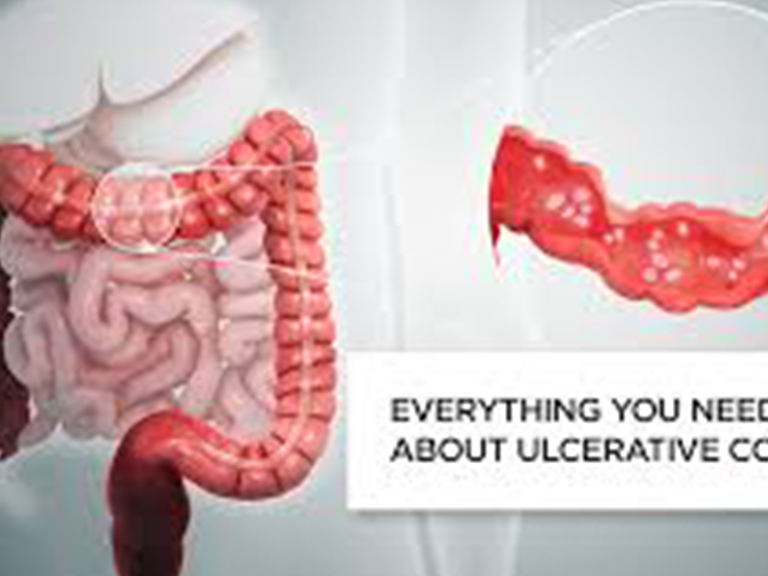
Ulcerative colitis is more than just an upset stomach; it’s a life-altering condition that impacts your daily routines, your energy, and sometimes even your emotional well-being. Whether you’re newly diagnosed or have been managing this condition for years, understanding the symptoms of ulcerative colitis is crucial to taking back control of your health.
So, what exactly is it?
Ulcerative colitis is a long-term autoimmune disorder classified as a type of inflammatory bowel disease (IBD). It causes inflammation and ulcers in the lining of your colon and rectum. Unlike short-term stomach bugs, UC is long-term and often unpredictable, coming in waves of flare-ups and remission. But here’s the encouraging part: you may not control the cause, but you can control how you respond to it.
Spotting the Symptoms of Ulcerative Colitis Disease
The first step to managing ulcerative colitis is learning to identify the signs before they escalate. The symptoms of ulcerative colitis disease can be sneaky at first, but over time, they become hard to ignore:
- Persistent Diarrhea – Often urgent, and sometimes accompanied by blood or mucus
- Cramping and Abdominal Pain – Common in the lower left abdomen
- Rectal Bleeding – A sign your colon lining is inflamed or ulcerated
- Urgency and Frequent Bowel Movements – Even when little is passed
- Fatigue – Caused by chronic inflammation and nutritional deficiencies
- Unexplained Weight Loss – Due to poor nutrient absorption
- Fever and Night Sweats – Usually during active flare-ups
- Joint Pain or Skin Rashes – Because inflammation isn’t always confined to your gut
The symptoms of ulcerative colitis disease typically appear in cycles, intense flare-ups followed by periods of remission or relief. You may feel relatively fine for weeks, or even months, before a sudden flare knocks you off track. That’s why proactive management is your secret weapon.
Why Gut Vitality Is Everything
Your gut isn’t just where food gets digested; it’s where immunity is built, energy is generated, and even moods are regulated. When ulcerative colitis disrupts your gut lining and microbiome, the ripple effect can impact your entire body.
Prioritizing gut vitality can help you:
- Reduce the severity and frequency of flares
- Absorb essential nutrients more efficiently
- Improve mental clarity and reduce fatigue
- Strengthen your immune system
- Reclaim control of your daily life
When you manage the symptoms of ulcerative colitis disease, you’re not just surviving, you’re thriving.
You can read this blog also :- https://purewelltips.com/anxiety-triggers/
Nourishing Your Body: Foods That Help and Hurt
There’s no one-size-fits-all diet for ulcerative colitis, but food plays a key role. The goal? Nourish your gut without irritating it.
Foods That Soothe and Support Gut Healing:
- Cooked, Low-Fiber Vegetables: Think carrots, squash, and zucchini
- Low-Acid Fruits: Bananas, melons, and stewed apples
- Lean Proteins: Eggs, poultry, fish
- Fermented Foods: Yogurt, kefir, sauerkraut (in remission)
- Bone Broth: Healing and soothing to the gut lining
- You’ll find omega-3s in foods like flaxseeds, walnuts, and fatty fish such as salmon—they’re great for fighting inflammation.
Foods That May Trigger Flares:
- High-fiber raw vegetables and seeds
- Caffeine and alcohol
- Dairy (especially if lactose intolerant)
- Fried or greasy foods
- Highly processed snacks with sugar or additives
- Spicy dishes
Use a food journal to track which foods trigger or relieve the symptoms of ulcerative colitis. What inflames one person may heal another.
Lifestyle Habits That Transform Health from the Inside Out
The gut-brain connection is real. Mental stress, poor sleep, and lack of movement can all worsen ulcerative colitis. A few ways to support your mind, body, and gut health:
1. Mastering Stress Management
Chronic stress = chronic inflammation. Add calming rituals to your day:
- Deep breathing
- Guided meditation
- Gentle yoga or tai chi
- Journaling
- Walk in nature
2. Move with Intention
Physical activity helps with digestion, circulation, and mood. Try:
- Walking
- Light swimming
- Stretching or pilates
- Strength training (during remission)
3. Prioritize Quality Sleep
Gut repair happens overnight. Aim for 7–9 hours of deep, restful sleep. Turn off screens early, reduce stimulants, and maintain a consistent bedtime.
Supplements That Support Healing
In addition to food and lifestyle changes, certain supplements can make a big difference in managing the symptoms of ulcerative colitis:
- Probiotics: Help restore a balanced gut microbiome
- Vitamin D: A common deficiency in those with IBD
- Iron: To combat anemia from rectal bleeding
- Turmeric (Curcumin): A natural anti-inflammatory
- Omega-3 Fatty Acids: Calm immune responses
Always speak to your healthcare provider before introducing new supplements, especially during flares.
Understanding Flares vs. Remission
Ulcerative colitis tends to come in waves. Knowing the difference between flares and remission can help you respond appropriately.
During a Flare:
- Eat bland, easy-to-digest foods
- Rest as much as possible
- Stay hydrated
- Follow your treatment plan
- Track symptoms daily
During Remission:
- Gradually expand your diet
- Stay physically active
- Avoid known triggers
- Continue gut-friendly habits
- Celebrate your progress!
The better you manage the symptoms of ulcerative colitis during flares, the longer you can stay in remission.
Emotional Resilience: You’re Not Alone
Living with a chronic illness often takes an emotional toll. Anxiety, fear, and depression often accompany the symptoms of ulcerative colitis, especially when flares are unpredictable.
You don’t have to go through it alone.
- Join a support group (virtual or in person)
- Talk to a therapist or counselor
- Practice mindfulness and gratitude
- Open up to trusted friends or family
- Be kind to yourself—it’s not your fault
Mental health is gut health. Healing begins when your mind feels safe.
Medical Management: When and How to Get Help
Even the cleanest diet and most mindful routine can’t always prevent flares. Medical treatments may be necessary for lasting relief from the symptoms of ulcerative colitis:
- 5-ASA drugs (Aminosalicylates): Reduce colon inflammation
- Corticosteroids: Short-term flare control
- Immunomodulators: Help calm immune overreactions
- Biologics: Targeted therapies for severe or resistant cases
- Surgery: Considered when other treatments fail
Don’t delay medical help. Early treatment prevents long-term damage.
Daily Tips for Long-Term Success
Little things make a big difference when managing ulcerative colitis:
- Carry wet wipes and extra clothes when traveling
- Download an app to track symptoms and food triggers
- Keep a “flare bag” with meds, snacks, and essentials
- Stay hydrated—even mild dehydration worsens symptoms
- Plan bathroom access for long outings or commutes
These small habits create big peace of mind.
Final Thoughts: From Flare to Flourish
Managing the symptoms of ulcerative colitis disease is a challenge, but it’s not a life sentence. With the right strategies, you can reclaim your health, rebuild your confidence, and rediscover joy in everyday life.
You are not your diagnosis.
You are resilient.
You are empowered.
And most importantly, you are not alone.Elevate your gut vitality, one decision at a time. You deserve a vibrant life beyond the symptoms.