
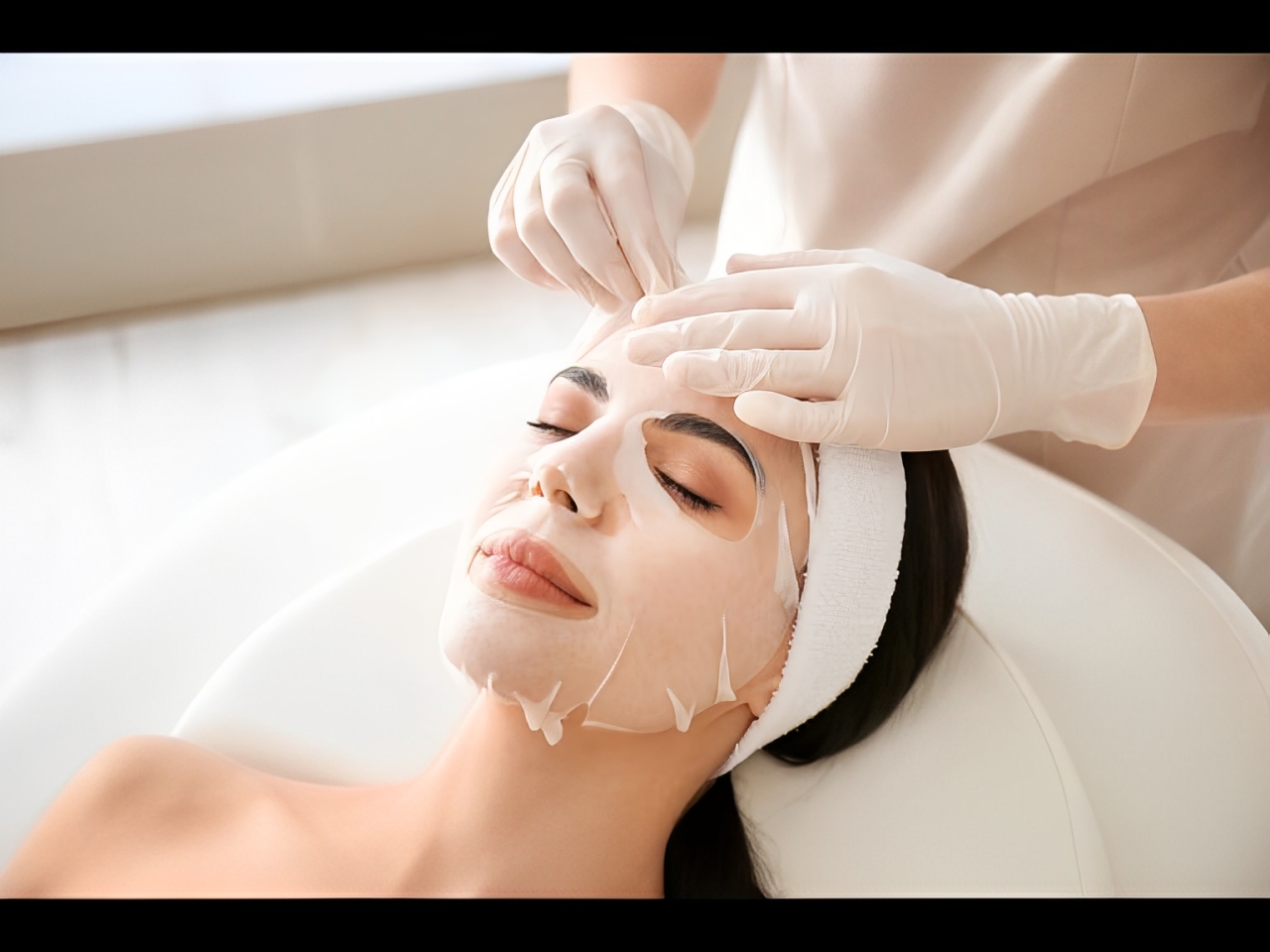
When it comes to skincare, most of us have a drawer (or two) overflowing with creams, serums, and cleansers. But having the products isn’t the same as knowing how to use them effectively. True skin care mastery goes beyond just following trends or copying someone else’s routine, it means understanding your skin’s unique needs and how different treatments support long-term health, not just temporary glow.
So, how do you know if you’re really a skin treatment pro?
In this blog, we’ll explore what separates casual users from those who’ve truly dialed in their skin care approach. Whether you’re just getting started or consider yourself a skincare enthusiast, this is your guide to leveling up.
Know Thy Skin: The First Rule of Being a Pro
No skin care routine, no matter how expensive or elaborate, will work unless it’s tailored to your skin type. This seems obvious, yet it’s a step many skip in favor of jumping on the latest trend or influencer recommendation.
Here are the main skin types:
- Oily: Prone to shine, blackheads, and enlarged pores
- Dry: Feels tight, may have flaking or rough patches
- Combination: Oily in the T-zone, dry on the cheeks
- Sensitive: Reacts easily to products, weather, or stress
- Normal: Balanced, rarely breaks out or gets dry
Each type requires a slightly different approach. A pro takes the time to assess their skin regularly, because yes, skin changes with age, hormones, seasons, and lifestyle.
Building a Basic Routine: The Core Four
At its foundation, a strong skin care routine needs only a few steps done consistently:
- Cleanser: Choose a gentle formula that doesn’t strip your skin. Gel-based for oily types, creamy for dry or sensitive skin.
- Moisturizer: Keeps skin hydrated and supports its natural barrier. Use morning and night, even if you have oily skin.
- Sunscreen: Non-negotiable. UV exposure is the #1 cause of premature aging and can worsen every skin issue.
- Treatment Step: This is where you target concerns, like acne, pigmentation, or aging, with active ingredients like retinol, niacinamide, or vitamin C.
The secret is consistency. Pros don’t swap products weekly or expect overnight miracles. They commit to a few effective steps and tweak based on results.
The Science of Active Ingredients
A skin treatment expert knows what’s in their products and more importantly, why it’s there.
Some powerhouse ingredients to know:
- Retinol (Vitamin A): Boosts collagen, reduces acne, evens tone
- Vitamin C: Brightens skin, reduces spots, and protects against free radicals
- Hyaluronic Acid: Deep hydration and plumper texture
- Niacinamide: Minimizes pores, balances oil, and improves barrier function
- AHAs/BHAs (Exfoliants): Gently remove dead skin, improve texture
A common mistake? Mixing too many actives at once, which can damage your skin barrier. A pro introduces one new ingredient at a time and watches for reactions.
You can read this blog :- Balanced Living: A Humanized Guide to Nutrition and Weight Management
Advanced Tools & Treatments
You don’t need to book a facial every week to benefit from professional-level care. In fact, many at-home tools can support your routine when used correctly.
Pro-worthy tools include:
- LED Light Therapy: Red for anti-aging, blue for acne
- Dermarollers: Boost collagen but require precision and hygiene
- Microcurrent Devices: Tone facial muscles and improve circulation
- Gua Sha or Facial Rollers: Promote lymphatic drainage and reduce puffiness
However, these should never replace the basics. They’re like the bonus round—not the main game.
Signs You’re Over-Treating Your Skin
Ironically, many people damage their skin treatment in the name of better skin. If your routine includes multiple serums, exfoliants, and masks but you’re still seeing redness, flaking, or breakouts you might be doing too much.
Watch out for these signs:
- Persistent irritation or redness
- Skin feels tight or itchy even after moisturizing
- Breakouts getting worse instead of better
- Products sting when applied
A skin treatment pro knows that more isn’t always better and that sometimes, less is more.
How Lifestyle Affects Skin
Great skincare isn’t just about what goes on your skin—it’s also about what happens inside your body.
Here’s what skin treatment pros focus on:
- Hydration: Drinking enough water helps flush toxins and keep your skin supple.
- Nutrition: Antioxidants (found in fruits and veggies) and healthy fats (like omega-3s) support skin treatment.
- Sleep: Your skin regenerates at night, making rest essential.
- Stress Management: Chronic stress leads to breakouts, inflammation, and dullness.
- Exercise: Boosts circulation and helps detox the skin.
If your products aren’t working, take a step back and assess your habits. The glow often starts from within.
Seasonal Adjustments: A True Pro Move
Did you know your skin treatment has different needs in summer than it does in winter?
In summer:
- Switch to lightweight, gel-based moisturizers
- Double down on sun protection
- Use antioxidants to combat UV damage
In winter:
- Add richer creams to combat dryness
- Use humidifiers indoors
- Limit exfoliation to prevent barrier damage
Adapting your routine with the seasons is one of the most underutilized skin treatment strategies, and a telltale sign of someone who really knows their stuff.
When to See a Dermatologist
Even the best routine has its limits. Persistent acne, eczema, rosacea, or pigmentation issues often need professional care. There’s no shame in it, in fact, pros know when to call in the experts.
Dermatologists can:
- Recommend prescription treatments
- Perform safe chemical peels or laser therapy
- Offer advice on ingredients or product combinations
Ignoring chronic issues or trying to fix them with over-the-counter products can sometimes make things worse.
The Bottom Line: Being a Pro Isn’t About Perfection
Being a skin treatment pro doesn’t mean having flawless skin. It means knowing your skin, responding to its needs, and treating it with care and consistency.
It’s about:
- Knowing your skin type
- Using quality over quantity
- Understanding ingredients
- Supporting skin from the inside out
- Adapting with the seasons
- Seeking help when needed
Whether you’re just starting your skin treatment journey or refining your long-standing routine, remember: there’s always more to learn, but you don’t need to master everything at once. Your skin changes over time and your approach should, too. That’s the real secret to becoming a true skin treatment pro.
2 thoughts on “Are You a Skin Treatment Pro?”