
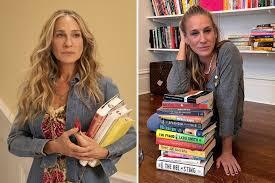
Sarah Jessica Parker is famous for playing Carrie Bradshaw on Sex and the City. But away from the cameras, she’s always been something else: a devoted reader.
Books have been part of her life since childhood. Even with a busy career, she makes time to read every day. She’s even worked as a judge for a big book award, reading over 150 books in one year.
But about 15 years ago, something changed. Reading suddenly became difficult. And for someone who loves books as much as Parker does, this was heartbreaking.
Recently, the 60-year-old star opened up about this challenge and how she found a solution that gave her back one of her greatest joys.
The Night Everything Became Blurry
It started during a trip overseas. Parker was in her hotel room, settling in for the night with a book, her regular bedtime routine.
But when she opened the book, something felt wrong. The words looked fuzzy. She couldn’t focus on the page.
At first, she thought she was just tired. Travel can be exhausting, after all. Maybe her eyes needed rest.
But the problem didn’t go away.
Night after night, reading became harder. The words stayed blurry. What used to be easy and relaxing now felt like a struggle.
Parker realized something had changed, and it wasn’t just tiredness.
When Your Favorite Thing Becomes Frustrating
For most people, needing reading glasses is no big deal. But for Parker, this was different.
Reading wasn’t just a hobby. It was part of who she is.
She read everywhere, in bed, on movie sets, during breaks, in quiet moments. Books were her comfort, her escape, her constant companion.
Now, she couldn’t read without glasses. And if she forgot them? She had to squint at menus, struggle with phone screens, or put down her book entirely.
It wasn’t dramatic. But it was deeply frustrating.
Like many people in their 40s and beyond, Parker was facing a common reality: aging changes things, even the simple routines we never thought about before.
What Was Happening to Her Eyes?
What Parker experienced has a name: age-related blurry near vision.
This happens to almost everyone as they get older. Usually, it starts in the early 40s.
Here’s what happens: the lens inside your eye becomes less flexible over time. This makes it harder to focus on things up close.
Suddenly, everyday tasks become difficult:
- Reading books or newspapers
- Looking at your phone
- Checking labels at the store
- Writing or doing detailed work
For Parker, it took a while to understand what was happening. She thought maybe she was just tired or stressed. But eventually, she realized her vision had genuinely changed.
The Problem With Glasses
Reading glasses helped Parker see clearly again. But they came with their own problems.
She had to remember to bring them everywhere. Without them, she couldn’t read a text message or check a menu.
Reading before bed meant making sure her glasses were nearby. A spontaneous moment with a book turned into a search for her glasses first.
It wasn’t that she hated wearing glasses. It was the interruption they caused. The constant reaching, searching, remembering.
They were a reminder that something had shifted, that she now needed help with something that used to be effortless.
Many people feel this way. Aging isn’t always about big health scares. Sometimes it’s about losing the ease and freedom we once had.
Looking for a Better Solution
Parker didn’t want to just accept the frustration. She started looking for other options.
That’s when she learned about special eye drops designed to help with age-related near vision problems. These drops are FDA-approved and work by temporarily improving close-up focus.
She decided to try them.
After using the drops regularly for several months, Parker noticed real improvement. She could read without constantly reaching for her glasses. She could check her phone naturally. She could pick up a book and just start reading, the way she always had.
For someone who reads every single day, this change meant everything.
Getting Her Freedom Back
What surprised Parker most wasn’t just clearer vision. It was the return of freedom.
She could read a bedtime story without preparation. Check a message without interruption. Enjoy a quiet moment with a book without friction.
These might seem like small things. But they added up to something meaningful: the ability to live her daily life the way she wanted to.
Parker has been open about how this simple solution improved her quality of life. And she hopes that by sharing her story, she can encourage others to explore their options instead of just accepting discomfort.
Her Honest Attitude About Aging
What makes Parker’s story refreshing is how she talks about aging.
She doesn’t pretend it isn’t happening. But she doesn’t fear it either.
She’s honest and practical. She admits she isn’t obsessed with anti-aging treatments or extreme wellness routines. But when she finds something that genuinely helps, she embraces it.
Her message is clear: adapting to aging isn’t about fighting it. It’s about finding smart solutions that let you keep doing what you love.
There’s strength in acknowledging change, and power in responding thoughtfully.
Why Her Story Matters
Parker’s experience resonates because it’s so relatable.
Most people don’t fear aging itself. They fear losing the things that bring them joy.
Her story speaks to:
- Anyone who loves reading
- People whose work requires sharp focus
- Parents managing daily tasks
- Anyone noticing their body changing with age
It reminds us that health challenges don’t need to be dramatic to matter. Sometimes the small struggles affect us most, and addressing them can restore our confidence and happiness.
Simple Pleasures Are Worth Protecting
Sarah Jessica Parker’s journey is about more than vision. It’s about protecting what matters.
For her, that’s reading. For you, it might be something else, gardening, cooking, crafting, or working on the computer.
Whatever brings you joy deserves attention. When something you love becomes harder, it’s worth exploring solutions.
You don’t have to quietly accept discomfort. You don’t have to give up your favorite activities.
Sometimes, a small change can make a big difference.
The Message She’s Sharing
By opening up about her vision struggles, Parker is starting an important conversation.
She’s showing that it’s okay to talk about age-related health changes. It’s okay to seek help. It’s okay to prioritize your comfort and independence.
She’s proving that aging doesn’t mean giving things up. It means finding new ways to hold onto them.
What We Can Learn
Parker’s story teaches us several valuable lessons:
Pay attention to changes. Don’t ignore discomfort or assume it’s just part of getting older. Small problems can often be solved.
Explore your options. Whether it’s vision, joint pain, or anything else, there may be solutions you haven’t considered yet.
Talk about it. Sharing your experiences helps others feel less alone. It also opens doors to advice and support.
Protect your joy. Whatever brings happiness to your life is worth preserving. Don’t let minor obstacles steal your favorite moments.
Aging is normal. It’s not something to fear or fight against. It’s a natural process, and there’s dignity in adapting wisely.
A Story About Perspective
Ultimately, Sarah Jessica Parker’s story isn’t just about finding better vision. It’s about finding perspective.
It’s about recognizing when something important feels harder than it should. It’s about refusing to settle for frustration. And it’s about embracing solutions that let you keep living fully.
For Parker, that meant reading without barriers, reconnecting with the words, stories, and quiet moments that have always grounded her.
Her journey reminds us that life’s simplest pleasures are worth fighting for. That small changes can bring big relief. And that sometimes, clarity comes not just from better vision, but from a better way of seeing what truly matters.