
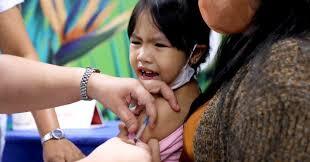
In 2025, the Philippines faced a serious increase in cases of measles and rubella, two diseases that can be prevented with vaccines. According to the Department of Health (DOH), reported cases of measles and rubella went up by about 32% last year compared with 2024. This shows troubling gaps in vaccination coverage and public health response across the country.
This big increase shows how easily diseases can come back when not enough people get vaccinated. It also points to bigger problems affecting health systems and communities across the Philippines. From vaccine hesitancy and false information to barriers in accessing healthcare and disruptions caused by the COVID-19 pandemic, many factors have come together to create this public health crisis.
In this article, we’ll look at what’s causing the rise in measles-rubella cases, the serious risks these diseases pose to vulnerable people, how health authorities are responding, and what needs to be done urgently to protect the nation’s most vulnerable, especially young children and pregnant women.
Understanding Measles and Rubella: The Diseases Behind the Numbers
Measles and rubella are both very contagious viral illnesses. They spread through the air when an infected person coughs or sneezes, and through close contact with sick people. Even though we have vaccines to prevent them, these diseases continue to be serious health threats when vaccination rates drop.
Measles: A Dangerous Threat
Measles is very dangerous and causes high fever, bad cough, runny nose, red and watery eyes, and a red, spotty rash that usually starts on the face and spreads down the body. While many people get better, measles can lead to severe and even deadly complications, especially in young children, malnourished people, and those with weak immune systems.
Serious problems from measles include:
- Pneumonia (the most common cause of measles deaths in children)
- Brain swelling that can cause permanent brain damage
- Severe diarrhea and dehydration
- Ear infections that can lead to permanent hearing loss
- Death in severe cases, particularly among children under five years old
One of the scariest things about measles is how easily it spreads. The virus can stay active in the air or on surfaces for up to two hours after an infected person leaves. One sick person can spread measles to 12 to 18 other people if they haven’t been vaccinated, making it one of the most contagious diseases we know.
Rubella: The Hidden Danger
Rubella, also called German measles, is usually milder for most children and adults, often causing only a mild fever and rash. However, it creates a very serious risk for pregnant women and their unborn babies. When a woman gets rubella during early pregnancy, especially in the first three months, the virus can harm the developing baby.
This infection can lead to congenital rubella syndrome (CRS), a serious condition causing many birth defects, including:
- Permanent deafness
- Heart problems from birth
- Eye problem,s including cataracts and glaucoma
- Learning disabilities and developmental delays
- Damage to organs like the liver, spleen, and bone marrow
The effects of CRS last a lifetime and can place huge emotional and financial burdens on families and the healthcare system.
The Power of Vaccination
Both diseases can be completely prevented through vaccination with the measles-mumps-rubella (MMR) vaccine, one of the safest and most effective vaccines ever made. When enough people in a community get vaccinated, the World Health Organization (WHO) recommends at least 95% of people be vaccinated, which creates “herd immunity.” This means the disease can’t spread easily, and it protects even those who can’t get vaccinated, like babies too young for shots, pregnant women, and people with certain medical conditions.
However, when vaccination rates drop, diseases can quickly come back. Because measles spreads so easily, with one sick person able to infect many others, even small drops in vaccination rates can cause big outbreaks.
The 2025 Surge: What the Numbers Tell Us
Official reports from the Philippine Department of Health show a worrying picture of disease comeback in 2025. During the year, 5,123 cases of measles and rubella were recorded nationwide. This is a sharp increase from 3,880 cases in the same period in 2024, an increase of about 32% from one year to the next.
Several important facts stand out from these numbers:
Young children are hit hardest: About half of all reported cases happened in children aged six months to five years old, a group that depends completely on getting vaccinated on time for protection. This shows many missed chances to vaccinate children when they needed it most.
Different regions have different problems: The highest number of cases were reported in specific areas, including the Zamboanga Peninsula, Northern Mindanao, SOCCSKSARGEN (South Cotabato, Cotabato, Sultan Kudarat, Sarangani, and General Santos), and the Bangsamoro Autonomous Region in Muslim Mindanao (BARMM). These differences show that some areas face bigger challenges in healthcare access and services.
Vaccination gaps are clear: Most people who got sick, in many outbreaks, more than 70%, did not have complete measles or rubella vaccination. This shows specific gaps in regular vaccination programs that need immediate attention and help.
These numbers show a deeply troubling trend. Earlier in 2025, the DOH reported smaller but still concerning increases, like a 35% rise in MR cases during the first three months of 2025 compared to the same time in 2024. Cases went up in regions like the Cordillera Administrative Region (CAR), Ilocos, Bicol, Western Visayas, and the crowded National Capital Region.
Why Are Cases Going Up? The Reasons Behind the Surge
The comeback of measles and rubella in the Philippines isn’t caused by just one thing. Instead, many connected factors have created conditions where diseases can spread more easily.
1. Drop in Regular Vaccination Rates
Before COVID-19 hit in early 2020, regular vaccination programs in the Philippines were getting better, though still not good enough. However, the pandemic seriously disrupted many important health services, including regular vaccinations. Strict lockdowns, overwhelmed hospitals, and real fears of catching COVID-19 forced communities and healthcare workers to delay or skip scheduled vaccination appointments.
Even as health systems slowly recovered from the worst of the pandemic, vaccination rates did not bounce back to where they were before. This left dangerous gaps of unvaccinated people throughout communities across the country. The DOH has said openly that current vaccination rates are still well below the 95% target recommended by the WHO. This means many children remain unprotected and at high risk when the virus spreads.
2. Vaccine Hesitancy and False Information
Vaccine hesitancy, when people delay or refuse vaccines even when they’re available, plays a big role in reducing vaccination rates across the Philippines. This hesitancy comes from many sources, including fears about vaccine safety, distrust in government health authorities after past controversies, and strong cultural or religious beliefs.
False information about vaccines, often spread through social media, messaging apps, and word-of-mouth in communities, has damaged public trust in vaccination programs. Fake claims about vaccine ingredients, exaggerated stories of bad reactions, and conspiracy theories about government plans have all made parents reluctant to vaccinate their children.
Even though health authorities and doctors continue to share facts and evidence about vaccine safety and effectiveness, the lasting effects of past vaccine controversies, especially the Dengvaxia controversy, continue to affect decisions for many Filipino parents and caregivers.
3. Geographic and Money Barriers to Healthcare
In rural, remote, and conflict-affected areas throughout the Philippines, access to good healthcare remains very limited. Families living in hard-to-reach places, including mountainous areas, far-away islands, and communities affected by security problems, may not have regular contact with working health centers. This results in missed vaccine doses and incomplete vaccination schedules.
Also, practical money problems create big obstacles for poor families. The costs of transportation to health centers, loss of daily wages due to time spent at clinic visits, and lack of public transportation all make vaccination difficult or impossible for those with very limited money. For families struggling to survive day-to-day, the immediate cost of seeking healthcare can seem more important than long-term health needs.
4. Natural Disasters and Displacement
The Philippines regularly experiences devastating natural disasters, including powerful typhoons, earthquakes, volcanic eruptions, and flooding. These often force entire communities to leave their homes and severely disrupt health services. In crowded evacuation centers and emergency shelters, poor sanitation, bad ventilation, and many people living close together create perfect conditions for diseases to spread.
DOH officials have repeatedly expressed serious concern about rising measles cases in evacuation shelters after major typhoons and other disasters. Unvaccinated children living in close quarters with other displaced families face a much higher risk of getting sick and spreading disease quickly.
The Human Cost: Real Families Behind the Numbers
Behind the statistics are real Filipino families dealing with serious illness, long hospital stays, loss of income, and in some heartbreaking cases, the preventable death of a child. Severe measles can lead to terrible complications like bacterial pneumonia, brain swelling with permanent damage, severe malnutrition from being sick so long, and other infections in weakened children.
The risk to pregnant women who get rubella, and the serious, lifelong effects for their unborn children who develop congenital rubella syndrome, make controlling disease spread even more urgent.
In some badly affected areas, measles and rubella outbreaks have put crushing extra pressure on already stretched and under-resourced health services. Dedicated doctors, nurses, and community health workers respond to rising case numbers while trying to keep up other essential health services for their communities.
Government Response: Vaccination Campaigns and Public Health Actions
The Philippine Department of Health, recognizing how serious the situation is, has greatly increased its response to rising MR cases through several key efforts designed to quickly close immunity gaps.
1. Ligtas Tigdas Vaccination Campaign
The DOH has launched special vaccination activities called “Ligtas Tigdas” (Safe from Measles) campaigns to reach children across Mindanao, Luzon, and the Visayas regions. These intensive campaigns specifically aim to vaccinate children who were missed by regular vaccination programs or are overdue for catch-up doses. Multiple phases are carefully scheduled throughout the year to reach as many people as possible.
2. Focused Outreach in High-Risk Areas
Geographic areas with high disease spread, including Metro Manila, BARMM, Calabarzon (Cavite, Laguna, Batangas, Rizal, and Quezon), and other problem spots, are being given priority for intensive, door-to-door vaccination drives. Mobile health teams are actively going to schools, barangay health centers, churches, community centers, public markets, and evacuation facilities to make sure more people can get vaccinated easily.
3. Strengthening Regular Vaccination Services
Beyond emergency campaigns, the DOH continues ongoing efforts to fundamentally strengthen regular vaccination delivery in health centers nationwide. They stress how important it is to complete the full MMR vaccine schedule on time. This includes communication campaigns using television, radio, social media, and community meetings to educate parents about the benefits of vaccination and the serious, potentially deadly risks of not getting vaccinated.
The Important Role of Communities and Families
While strong government action and enough resources are very important, getting and keeping high vaccination rates ultimately needs real community involvement. Parents and caregivers play the most important role in making sure their children get all recommended vaccines on schedule. This protects not only their own families but helps protect the whole community.
Local leaders, including barangay officials, religious leaders, teachers, and trained health volunteers, can help fight false information, address community concerns in culturally appropriate ways, and encourage healthy behaviors.
Community health workers who understand local culture, speak local languages, and have earned community trust are often the key to successfully connecting health services with vulnerable families, especially in rural, indigenous, or traditionally underserved areas. Giving these frontline workers proper training, adequate supplies, fair pay, and ongoing support can make a huge difference in raising vaccination rates.
What Needs to Happen Next: A Complete Action Plan
To reverse the dangerous trend of rising measles-rubella cases and prevent future outbreaks, a complete and sustained approach is urgently needed.
Expand vaccine access and coverage: Regular vaccination services must be fully restored, properly funded, and strengthened. This should include mobile clinics, school-based vaccination programs, workplace immunization, and partnerships with local groups to reach underserved populations.
Fight false information: Clear, consistent, evidence-based public health messaging that directly addresses community concerns and counters false claims is essential for rebuilding trust in vaccination.
Improve disease tracking and quick response: Strong, real-time disease tracking systems can spot outbreaks early, allowing for quick action before widespread transmission happens.
Invest in health infrastructure: Continued, adequate investment in health facilities, reliable vaccine storage and supply chains, healthcare worker training, and community health programs will improve the country’s ability to prevent and respond to disease outbreaks.
Conclusion: An Urgent Call to Action
The 32% rise in measles-rubella cases in the Philippines in 2025 is a clear reminder that preventable diseases can quickly come back when vaccination gaps exist and public health efforts weaken. However, with coordinated effort from all sectors, government agencies, health professionals, community groups, religious institutions, schools, and individual families, this dangerous trend can be reversed and future outbreaks prevented.
Vaccination remains safe, highly effective, and the single most powerful tool available to protect current and future generations from needless suffering, disability, and death. Keeping Filipino children healthy isn’t just a medical goal; it’s a basic social and moral commitment to the nation’s future.
With shared responsibility, adequate resources, and smart, evidence-based public health strategies, the Philippines can make real progress toward controlling these diseases and protecting the health and well-being of all its people. The time to act is now.