
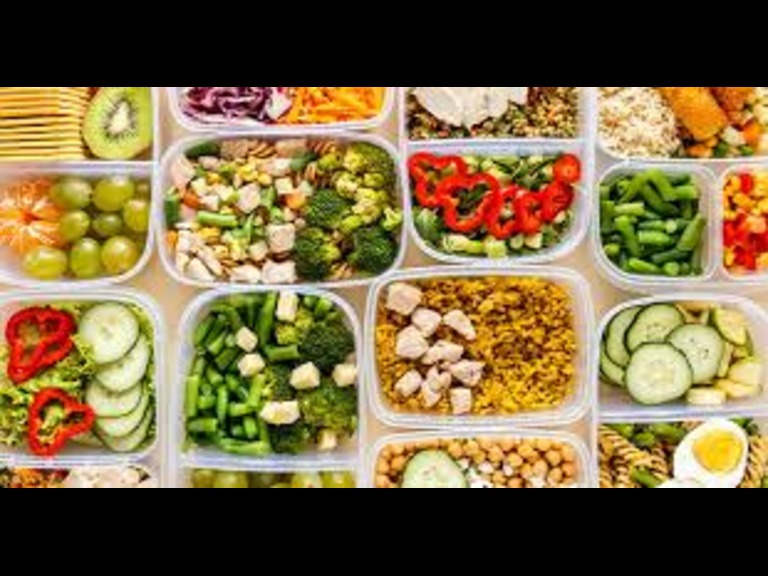
In a world filled with super-sized portions, endless snacking, and food delivery apps at our fingertips, it’s easy to lose sight of what a “normal” meal should look like. Portion control may sound like a small detail, but it plays a major role in the larger picture of obesity diet management. It’s not just about what you eat, but how much.
Let’s break down why portion control matters, how it impacts your body, and how you can practice it without feeling deprived.
Why Portion Control Matters
At the heart of weight gain is a simple concept: consuming more calories than your body uses. Over time, this leads to excess fat storage and, eventually, obesity. While many people focus on eliminating certain foods or following restrictive plans, they often overlook portion sizes, even of the so-called “healthy” options.
Portion control helps bridge the gap between enjoying food and managing calorie intake. It enables people to eat a variety of foods, including favorites, without going overboard. This balance is especially important in long-term weight management, where sustainability matters more than perfection.
The Psychology Behind Overeating
Our brains are easily influenced by visual cues. Studies show that people tend to eat more when served larger portions, even if they’re not hungry. This phenomenon, known as “portion distortion,” has become more common due to years of oversized restaurant meals and marketing strategies.
Here’s the catch: when we regularly consume large portions, our perception of a “normal” amount shifts. Eventually, a healthy serving may start to feel small or unsatisfying, not because your body needs more, but because your brain expects it.
Recognizing this mental habit is the first step toward making better, conscious choices.
You can read this blog also :- https://purewelltips.com/womens-health/
How Portion Control Supports Obesity Diet Management
Let’s connect the dots. Here’s how proper portioning directly supports your health goals:
- Reduces Calorie Intake Without Extreme Restrictions
You don’t have to give up your favorite foods. Instead of three slices of pizza, try two with a side salad. You’ll still enjoy the meal, but with fewer calories. - Improves Awareness of Hunger and Fullness
When you serve yourself moderate portions, you become more in tune with your body’s hunger cues. Over time, this helps prevent mindless eating or snacking out of boredom. - Builds Sustainable Eating Habits
Unlike crash diets, portion control is a lifelong skill. You can practice it in any setting, at home, in restaurants, holidays, without feeling left out or restricted. - Prevents the “All or Nothing” Mentality
Instead of cutting out entire food groups, portion control encourages moderation. It teaches you that having a cookie doesn’t derail your progress; it’s all about how much and how often.
Practical Portion Control Tips You Can Start Today
Let’s turn the idea into action. Here are realistic, everyday strategies that make portion control simple and stress-free.
1. Use Smaller Plates and Bowls
This might sound too easy, but it works. When you serve food on smaller dishes, your brain registers it as a full plate, even if you’re eating less. This optical illusion tricks your brain into satisfaction with smaller amounts.
2. Measure Once, Learn for Life
Use measuring cups or a kitchen scale for a week or two. You’ll learn what a cup of rice or 3 ounces of chicken really looks like. Once you get the visual sense, you can eyeball portions confidently.
3. Don’t Eat from the Package
It’s easy to lose track of how much you’re eating when snacking straight from a bag. Instead, portion out a serving in a bowl and put the rest away. This breaks the autopilot eating habit.
4. Fill Half Your Plate with Vegetables
Vegetables are nutrient-dense and low in calories. Filling half your plate with greens, carrots, or broccoli means you’re eating more volume with fewer calories and still feeling full.
5. Pause Before Going for Seconds
Give yourself 10–15 minutes after finishing your meal. Often, we think we’re still hungry when we’re actually just giving our body time to catch up with our brain. Drink a glass of water or engage in conversation, then reassess.
6. Be Mindful While Eating
Turn off distractions like TV or phones during meals. Focus on the flavors, textures, and how your body feels as you eat. This awareness helps prevent overeating and builds a healthier relationship with food.
Portion Sizes: A Visual Guide
You don’t need fancy tools to estimate portions. Use these everyday items as guides:
- Protein (chicken, fish, tofu): the size of your palm
- Grains (rice, pasta): size of a cupped hand
- Fats (butter, oil, dressing): sthe ize of your thumb
- Cheese: size of two dice
- Fruit: the size of a tennis ball
- Vegetables: as much as your two hands can hold
This guide is easy to remember and works whether you’re eating at home or out.
What About Emotional Eating?
A huge barrier to portion control is emotional eating, turning to food for comfort, stress relief, or boredom. In these moments, portion size often goes out the window.
To manage this:
- Identify emotional triggers and try non-food coping strategies (a walk, journaling, deep breathing).
- Keep tempting foods out of immediate reach.
- Remind yourself that food is fuel, not a solution for stress.
Eating Out and Still in Control
Restaurants are notorious for oversized portions. But you can still enjoy dining out while staying on track.
- Split entrees or ask for a half portion.
- Request a to-go box at the beginning and pack up half the meal before starting.
- Skip appetizers and focus on one satisfying main dish.
- Choose water or a low-calorie drink over sugary beverages.
Remember, eating out doesn’t have to derail your progress; it just requires mindful choices.
A Holistic View of Obesity Diet Management
Portion control is just one piece of the puzzle. Obesity diet management also involves physical activity, emotional wellness, sleep quality, and stress reduction. All these elements work together to support a healthier lifestyle.
But portion control is one of the easiest habits to start, and it offers powerful results when practiced consistently.
Final Thoughts
You don’t need to follow a trendy Obesity Diet or give up everything you love to manage your weight. Sometimes, the most effective changes are the simplest ones.
Portion control offers a sustainable, flexible way to eat mindfully, enjoy food, and support your health goals without guilt or restriction. Whether you’re just starting your wellness journey or looking to fine-tune your habits, mastering portion sizes can empower you to make choices that truly serve your body and lifestyle.Remember: It’s not about eating less, it’s about eating smart. Every meal is a chance to nourish your body and build habits that last a lifetime.