
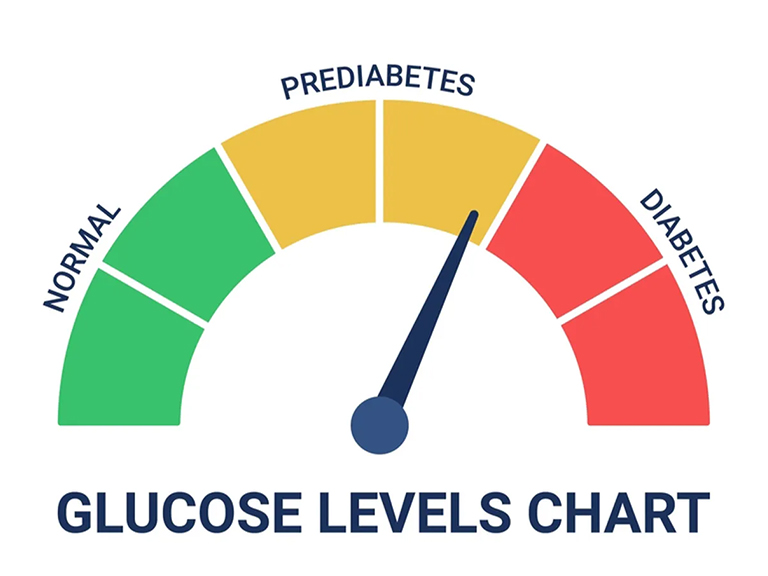
Blood sugar, technically known as glucose, is your body’s primary source of energy. It powers everything from your brain function to physical activity. But when your blood sugar levels fall outside the healthy range, it can lead to fatigue, brain fog, or even more serious conditions over time. Whether you’re newly diagnosed with prediabetes, managing diabetes, or just staying proactive about your health, understanding what’s considered normal blood sugar is an important first step.
This guide breaks it all down, without the medical jargon, so you can feel informed and empowered.
Why Blood Sugar Levels Matter
Your body works hard to keep glucose levels balanced. When they’re too high (hyperglycemia), it can silently damage your blood vessels, nerves, and organs. When they’re too low (hypoglycemia), your body doesn’t have the fuel it needs to function properly. Neither extreme is healthy, and both can often be avoided with awareness, lifestyle tweaks, and regular monitoring.
What Are Normal Blood Sugar Levels?
Here’s a simplified look at the numbers most healthcare providers use to determine if your levels are in the normal range:
| Timing of Test | Normal Range |
| Fasting (8+ hrs without food) | 70 – 99 mg/dL |
| 2 hours after eating | Less than 140 mg/dL |
| Random blood sugar (any time of day) | Generally under 140 mg/dL |
| A1C (average over 3 months) | Below 5.7% |
A doctor can help you identify your target range based on personal health factors. These are general guidelines for people without diabetes.
You can read this blog also :- https://purewelltips.com/aids-symptoms/
Pre-Diabetes & Diabetes Ranges (For Reference)
- Prediabetes: Fasting 100–125 mg/dL, A1C between 5.7–6.4%
- Diabetes: Fasting ≥ 126 mg/dL, A1C ≥ 6.5%
If you’re in the prediabetic range, it doesn’t mean you’ll develop diabetes, but it’s a red flag. The earlier you take action, the more control you have over your health.
How to Check Your Blood Sugar
There are three main tools used to measure and monitor levels:
- Finger-Prick Glucometer: Gives a quick snapshot of your current glucose.
- A1C Blood Test: Measures your average levels over the last 2–3 months.
- Continuous Glucose Monitor (CGM): Worn on the body to track real-time fluctuations.
Most people without a diagnosis don’t need to monitor daily, but periodic checks during routine bloodwork can be revealing.
Common Signs Your Blood Sugar Is Off
You don’t always need a test to sense something’s wrong. Your body sends warning signs, such as:
When it’s too high (hyperglycemia):
- Dry mouth
- Frequent urination
- Unusual fatigue
- Blurry vision
When it’s too low (hypoglycemia):
- Shakiness or sweating
- Dizziness or confusion
- Sudden hunger
- Irritability or anxiety
If these symptoms persist, don’t ignore them, get tested and talk to a healthcare provider.
Foods That Help Regulate Blood Sugar Naturally
Nutrition is one of the most effective tools to maintain normal blood sugar levels. Here are some foods known for their stabilizing effects:
- Leafy greens: Rich in magnesium and fiber
- Oats and whole grains: Help slow the release of glucose
- Lentils and legumes: High in protein and fiber, they blunt blood sugar spikes
- Chia and flax seeds: Loaded with omega-3s and fiber
- Berries: Sweet, but low on the glycemic index
- Cinnamon: May improve insulin sensitivity
- Avocados and nuts: Healthy fats that support balanced glucose levels
The key is consistency. Include a variety of whole, unprocessed foods in your meals, and try to avoid sugary beverages and ultra-processed snacks.
How to Maintain Healthy Blood Sugar Levels
Managing blood sugar isn’t about perfection—it’s about building habits that support balance over time. Here are some realistic ways to do that:
1. Balanced Meals
Pair carbohydrates with protein and fat to slow glucose absorption and prevent spikes. Think grilled chicken with quinoa and roasted vegetables, or Greek yogurt with berries and seeds.
2. Move After Meals
Exercise helps your body use insulin more effectively. Even a 15–20 minute walk after meals can help lower post-meal glucose.
3. Stay Hydrated
Water supports kidney function, helping your body flush out excess glucose through urine. Aim for 6–8 cups a day, more if you’re active.
4. Prioritize Sleep
Lack of sleep affects insulin sensitivity. Stick to a consistent bedtime and create a screen-free wind-down routine.
5. Manage Stress
Chronic stress increases cortisol, a hormone that raises blood sugar. Use mindfulness, yoga, or even deep breathing to unwind.
Long-Term Risks of Poor Blood Sugar Control
If blood sugar remains unregulated over time, it can lead to a number of serious complications:
- Heart disease
- Kidney damage
- Nerve pain (neuropathy)
- Vision loss
- Increased risk of stroke
- Slow wound healing
The good news? Many of these risks can be reduced or delayed through proper management, especially if caught early.
When to Seek Medical Help
You don’t need to wait for symptoms to show up. Schedule a doctor’s visit if you:
- Have a family history of diabetes or heart disease
- Are overweight or sedentary
- Are over age 40
- Experience persistent fatigue, excessive thirst, or blurry vision
- Want to establish a preventive care plan
Early detection is your best defense. A simple blood test could help you dodge years of complications.
Final Thoughts
Understanding normal blood sugar levels isn’t just for people with diabetes. It’s for anyone who wants to feel better, stay energized, and reduce long-term health risks. Your body is constantly sending messages; your job is to listen.
By fueling your body with the right foods, staying active, and creating smart habits around sleep and stress, you can keep your blood sugar in check naturally. No extreme diets. No gimmicks. Just steady, informed choices that add up over time.Your health isn’t defined by one blood sugar reading; it’s the result of daily care and awareness. The more you learn, the more power you have to stay well, feel energized, and live a long, healthy life.