
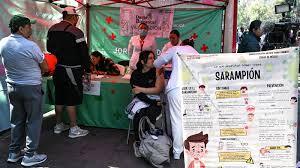
As Mexico prepares to welcome millions of international visitors for the 2026 FIFA World Cup, a growing public health concern is emerging: the country risks losing its measles-free status.
For years, Mexico has maintained measles elimination status through strong vaccination programs and national immunization efforts. But recent measles outbreaks and declining vaccination coverage are raising alarms among health experts, just months before one of the largest global sporting events arrives.
The situation highlights a broader issue affecting many countries: the global resurgence of measles in the post-pandemic era.
So what does this mean for Mexico, for World Cup travelers, and for global public health?
Let’s break it down.
What Does “Measles-Free Status” Mean?
When a country is declared measles-free, it means there has been no sustained local transmission of measles for at least 12 consecutive months. This status is typically verified by regional health authorities in coordination with the World Health Organization (WHO).
It does not mean measles has been completely eradicated. Instead, it reflects strong vaccination coverage and rapid outbreak response systems that prevent widespread community transmission.
Mexico achieved this status after years of maintaining high MMR (measles, mumps, rubella) vaccination rates. However, that success depends on consistent immunization levels, generally at or above 95% coverage, to maintain herd immunity.
Once vaccination rates fall, the risk of outbreaks increases rapidly.
Why Is Measles Resurfacing in Mexico and Globally?
The potential loss of Mexico’s measles-free status is not happening in isolation. Several global factors are contributing to rising measles cases worldwide.
1. Decline in Routine Vaccinations After COVID-19
The COVID-19 pandemic disrupted routine immunization programs around the world. Healthcare resources were redirected, clinics closed temporarily, and many families postponed vaccinations.
As a result, millions of children globally missed scheduled measles vaccinations, creating immunity gaps.
2. Vaccine Hesitancy and Misinformation
Misinformation around vaccines has led to increasing vaccine hesitancy in certain communities. Even small pockets of unvaccinated individuals can create conditions for measles outbreaks because the virus is highly contagious.
In fact, measles is one of the most contagious infectious diseases, far more contagious than influenza or COVID-19.
3. Increased International Travel
As global travel rebounds, so does the risk of cross-border disease transmission. Imported measles cases can quickly spread in areas where vaccination coverage has dropped below safe thresholds.
With the 2026 FIFA World Cup approaching, Mexico is expected to experience a massive surge in international visitors, increasing the potential exposure risk.
Why the 2026 World Cup Raises Public Health Concerns
The FIFA World Cup is more than a sports event; it is a global mass gathering event.
Millions of fans from different countries will travel to Mexico, filling:
- International airports
- Public transportation systems
- Hotels and short-term rentals
- Restaurants and tourist attractions
- Stadiums packed with spectators
Measles spreads through respiratory droplets and can remain airborne for up to two hours after an infected person leaves an area. In crowded environments, transmission risk increases significantly.
While most vaccinated individuals are protected, vulnerable populations include:
- Infants too young for vaccination
- Immunocompromised individuals
- Unvaccinated adults
For a host country, maintaining measles elimination status during such a high-profile event is crucial, both medically and economically.
Economic Impact of a Measles Outbreak During the World Cup
Hosting the FIFA World Cup brings billions in tourism revenue. Hotels, restaurants, airlines, vendors, and local businesses depend on international visitors.
However, public health scares can affect:
- Travel advisories
- Tourism confidence
- Event attendance
- International perception
Even the possibility of a measles outbreak during the World Cup could create reputational risks for Mexico. Global media coverage tends to amplify health concerns during major events. That’s why preventive measures now are critical.
Symptoms and Risks of Measles
Measles is not a mild childhood illness. Symptoms typically include:
- High fever
- Cough
- Runny nose
- Red, watery eyes
- A distinctive rash
Complications can be serious, especially in young children and vulnerable individuals. These include:
- Pneumonia
- Brain inflammation (encephalitis)
- Hearing loss
- Long-term immune suppression
In severe cases, measles can be fatal.
According to global health authorities, maintaining high MMR vaccination coverage is the most effective prevention strategy.
Can Mexico Prevent Losing Its Measles-Free Status?
The good news is that losing elimination status is not inevitable.
Mexico still has:
- A functioning national immunization program
- Disease surveillance systems
- Outbreak response protocols
- Access to measles vaccines
The key now lies in rapid intervention.
Steps That Can Help:
1. Strengthening Vaccination Campaigns
Targeted immunization drives in low-coverage regions can help close immunity gaps.
2. Public Awareness Campaigns
Clear messaging about measles symptoms and vaccine importance can increase compliance.
3. Traveler Vaccination Recommendations
Health authorities may emphasize that international visitors ensure their MMR vaccination is up to date before traveling.
4. Rapid Case Containment
If cases are detected, immediate isolation, contact tracing, and ring vaccination strategies can prevent sustained transmission.
Global Measles Resurgence: A Broader Trend
Mexico’s situation mirrors a wider global pattern.
Several countries across Europe, North America, and Asia have reported rising measles cases in recent years due to declining vaccination coverage. The World Health Organization has repeatedly warned that measles cases are increasing globally after years of decline.
In this context, Mexico’s challenge highlights how interconnected global public health has become. Major international events such as the FIFA World Cup test the resilience of healthcare systems.
What Should Travelers Do Before Visiting Mexico?
For those planning to attend the 2026 World Cup in Mexico, health experts recommend:
- Checking MMR vaccination status
- Receiving any missing doses before travel
- Consulting a healthcare provider if unsure
- Monitoring official travel health advisories
Being vaccinated not only protects individuals but also helps prevent transmission during large gatherings.
The Bigger Public Health Lesson
The potential loss of Mexico’s measles-free status underscores an important global lesson:
Disease elimination requires constant vigilance.
Vaccination is not a one-time achievement; it is an ongoing commitment.
As international travel resumes and global events return to full scale, maintaining strong immunization systems becomes more important than ever.
Public health may not receive the same spotlight as sports, but it forms the foundation that allows global celebrations to happen safely.
Final Thoughts: A Critical Moment for Mexico
Mexico stands at an important crossroads.
With months remaining before millions arrive for the 2026 FIFA World Cup, public health authorities have an opportunity to reinforce vaccination campaigns and protect the country’s measles elimination status.
If proactive measures succeed, the World Cup will be remembered for goals, celebrations, and global unity, not for public health setbacks. Maintaining measles-free status is not just about preventing disease. It’s about safeguarding trust, protecting economic stability, and ensuring that one of the world’s largest sporting events unfolds without disruption.
The coming months will be critical. But with preparation, transparency, and strong vaccination coverage, Mexico can protect both its people and its global reputation.