
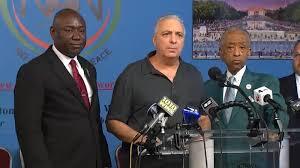
The morning sun cast long shadows across Harlem Hospital’s construction site, but for Duane Headley, what should have been another routine workday became the beginning of a nightmare that would land him in the hospital for five days, fighting for his life against a preventable disease. His story, along with that of fellow construction worker Nunzio Quinto, represents the human cost of what attorneys are calling corporate negligence that led to one of New York City’s deadliest Legionnaires’ disease outbreaks in recent memory.
You can read this blog also :- https://purewelltips.com/serena-williams/
At least five people have been killed and more than 100 sickened in this devastating outbreak that has torn through Central Harlem, leaving families grieving and a community demanding answers. Now, as the dust settles and the full scope of this tragedy becomes clear, two major construction firms find themselves at the center of explosive lawsuits that could reshape how the industry handles public health safety.
When Construction Sites Become Disease Factories
Duane Headley and Nunzio Quinto, both from Nassau County in Long Island, allege in court papers that they contracted Legionnaires’ disease while working construction sites at or near Harlem Hospital Center, transforming what should have been safe workplaces into breeding grounds for deadly bacteria. Their cases aren’t isolated incidents….they represent the tip of an iceberg that reveals systematic failures in construction site safety protocols.
The lawsuit paints a disturbing picture of negligence that goes far beyond simple oversight. Workers allege that the construction firms failed to properly test the cooling tower water after days of rain pooled on the roof, followed by intense heat that allowed Legionnaires’ bacteria to thrive. This sequence of events, stagnant water, heat, and neglect, created the perfect storm for a public health disaster. Imagine showing up to work each day, trusting that your employer has taken basic precautions to protect your health and safety. For these workers, that trust was shattered when they found themselves not just dealing with the usual risks of construction work – falling debris, heavy machinery, electrical hazards, but also with an invisible enemy that attacked their respiratory systems and threatened their lives.
The Corporate Giants Under Fire
Two lawsuits have been filed against Rising Sun Construction and Skanska USA Building, the general contractors overseeing separate projects at the hospital campus. These aren’t small, fly-by-night operations; they’re major players in the construction industry, companies that should have had the resources, expertise, and protocols in place to prevent such a catastrophic outbreak. Skanska USA Building, in particular, is a subsidiary of a global construction giant with operations worldwide. The company has built some of New York’s most recognizable structures and has extensive experience with complex urban construction projects. This makes the allegations even more troubling, if a company with Skanska’s resources and experience can fail so catastrophically in basic public health safety, what does that say about industry-wide standards?
Rising Sun Construction, the other defendant, was responsible for separate construction activities at the hospital campus. The fact that multiple contractors at the same location allegedly failed in their duties suggests this wasn’t an isolated mistake but potentially a systemic problem in how construction projects handle environmental health risks.
A Community Under Siege
The Harlem community has been watching this tragedy unfold with a mixture of anger, fear, and determination to seek justice. City officials have identified live Legionella bacteria in 12 cooling towers as the center of the outbreak, which has infected 109 people, turning an entire neighborhood into what residents describe as a “war zone” against an invisible enemy.
For many longtime Harlem residents, this outbreak represents more than just a public health crisis….it’s a symbol of how their community has too often been treated as expendable when it comes to corporate responsibility. The fact that construction companies allegedly knew about the risks but failed to take proper precautions has struck a particularly raw nerve in a community that has historically fought for equal treatment and basic respect for the health and safety of its residents.
Local resident Maria Santos, who lives just blocks from the hospital, describes the fear that has gripped her neighborhood: “Every time someone in my building starts coughing, we all wonder if it’s starting again. These companies came into our community, put us at risk, and people died. That’s not just negligence, that’s injustice.”
The Legal Battle Ahead
Both lawsuits claim construction companies failed to protect workers from unsafe conditions that led to the spread of the disease, but the implications of these cases extend far beyond individual compensation. These lawsuits could establish important legal precedents about corporate responsibility for public health during construction projects.
Attorney Ben Crump, known for his work on high-profile civil rights cases, has taken on these lawsuits alongside the established law firm Weitz & Luxenberg. This isn’t just about getting compensation for the injured workers; it’s about sending a message to the entire construction industry that cutting corners on public health safety will have serious legal and financial consequences. The legal strategy appears to focus on proving that the construction companies had a duty of care that extended beyond their immediate workers to the broader community. This approach could revolutionize how courts think about construction site liability, potentially holding companies accountable not just for accidents that happen to their own employees, but for the public health consequences of their negligence.
You can read this blog :- https://www.usatoday.com/story/news/nation/2025/08/20/legionnaires-outbreak-lawsuit/85738248007/
The Science Behind the Tragedy
Legionnaires’ disease isn’t some mysterious plague… It’s a well-understood bacterial infection that thrives in specific conditions that are entirely preventable with proper maintenance and oversight. The bacteria multiply rapidly in warm, stagnant water systems like cooling towers, especially after periods of rain followed by heat – exactly the conditions that the construction companies allegedly allowed to persist.
What makes this outbreak particularly infuriating is that Legionnaires’ disease is entirely preventable with proper water system maintenance. Health officials have confirmed that the outbreak was caused by contaminated cooling towers in central Harlem, systems that should have been regularly cleaned, tested, and maintained according to established protocols. The fact that multiple cooling towers were contaminated suggests this wasn’t a single point of failure but a broader breakdown in safety systems. Each contaminated tower represents a decision point where proper maintenance could have prevented tragedy, making the scale of this outbreak a testament to systematic negligence rather than unfortunate circumstances.
Worker Safety in the Spotlight
One worker said he spent five days in the hospital, highlighting the serious health consequences these workers faced. But beyond the immediate medical impact, these cases raise broader questions about worker protection in the construction industry.
Construction workers already face some of the highest injury and fatality rates of any profession. Adding environmental health hazards like Legionnaires’ disease creates an additional layer of risk that workers shouldn’t have to face, especially when proper safety protocols could eliminate these dangers entirely.
The workers who filed these lawsuits aren’t just seeking compensation for their personal suffering – they’re fighting for systemic changes that could protect future workers from similar risks. Their courage in coming forward, despite potential retaliation and the challenges of taking on major corporations, represents the kind of worker advocacy that has historically driven improvements in workplace safety.
Corporate Accountability in the Modern Era
This case arrives at a time when public expectations for corporate accountability are at an all-time high. Communities are no longer willing to accept that environmental and health risks are simply the cost of doing business. The Harlem outbreak represents a test case for whether major construction companies can be held truly accountable for the public health consequences of their operations. The involvement of high-profile advocates like Rev. Al Sharpton adds another dimension to these cases, bringing national attention to issues that might otherwise be treated as local construction disputes. This spotlight could pressure other companies to review and improve their own safety protocols before they face similar lawsuits.
Looking Forward: Preventing Future Tragedies
While these lawsuits seek justice for past negligence, they also represent an opportunity to prevent future tragedies. If successful, they could establish new standards for construction site environmental health management, potentially saving lives in communities across the country.
The construction industry is watching these cases closely, not just because of the potential financial implications, but because they could fundamentally change how projects are managed and supervised. Companies may need to invest more heavily in environmental health monitoring, worker training, and community communication, investments that should have been standard practice all along.
The Human Cost of Corporate Negligence
Behind every statistic in this outbreak is a human story: workers who trusted their employers to keep them safe, families who lost loved ones to a preventable disease, and a community that has been traumatized by corporate negligence. More than 100 people have been infected with the potentially deadly form of pneumonia, each representing a life disrupted, a family affected, and a community betrayed by those who should have protected them.
As these lawsuits move forward, they carry the hopes of a community demanding justice and the promise of changes that could prevent similar tragedies in the future. The construction industry is being put on notice: the era of treating public health as someone else’s problem is over, and companies that fail to protect workers and communities will be held accountable in court. The fight for justice in Harlem is just beginning, but it represents something larger – a demand that corporate power come with corporate responsibility, and that no community should have to pay the price for preventable negligence with their health, their lives, or their peace of mind.