
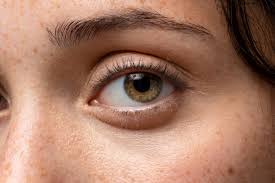
Our vision connects us to the world, from recognizing faces to watching sunsets, and even just reading this article. Yet, eye health is something many of us tend to overlook until problems arise. In a world dominated by screens, pollution, and stress, taking care of our vision isn’t a luxury; it’s a necessity.
Think of this guide as your friendly nudge to start caring for your eyes. Whether you’re already experiencing occasional strain or just want to be proactive, let’s explore how you can preserve and improve your sight for years to come.
1. Start with Awareness: Your Vision Deserves Daily Care
We brush our teeth every day, but how often do we think about giving our eyes the same daily attention?
Your vision can begin to decline gradually, often without obvious symptoms. Headaches, dryness, light sensitivity, or even trouble seeing at night can be subtle signals that your eyes need a break or a check-up.
Start by observing your daily habits. Do you:
- Spend more than 6–8 hours on screens?
- Do you rub your eyes often?
- Struggle with reading small text or driving at night?
If so, it’s time to incorporate daily habits that support visual wellness.
2. The 20-20-20 Rule: A Simple Habit, A Big Difference
One of the easiest ways to prevent digital eye fatigue is the 20-20-20 rule: Every 20 minutes, look at something 20 feet away for at least 20 seconds. This small pause relaxes your eye muscles and reduces the strain caused by screens. It’s a simple but effective practice that’s especially useful for students, professionals, and anyone who spends hours staring at digital devices.
3. Nutrition for Better Sight
Your eyes are hungry for nutrients!
Just like your skin or your brain, your vision benefits greatly from what you eat. Some nutrients can help protect against age-related vision problems like macular degeneration and cataracts. Here are some must-have vitamins and minerals:
- Vitamin A: Supports the retina and helps with night vision. You’ll find them in everyday foods like carrots, sweet potatoes, and leafy greens.
- Lutein & Zeaxanthin: Antioxidants that protect against harmful light. Found in spinach, corn, and eggs.
- Omega-3s can ease dry eyes and calm inflammation in and around the eyes. Found in flaxseeds, walnuts, and fatty fish like salmon.
- Zinc: Supports retina health and helps vitamin A function better. Found in legumes, nuts, and seeds.
Making these nutrients a part of your daily meals can help protect your sight in the long run.
4. Sun Protection for Your Eyes
Just like your skin, your vision is vulnerable to UV rays.
Long-term exposure to sunlight can increase the risk of cataracts and other damage to the retina. Yes, even on cloudy days, UV rays can sneak through. But there’s an easy way to stay protected. Invest in good-quality sunglasses that block 100% UVA and UVB rays. Bonus if they have polarized lenses to reduce glare. And don’t forget wide-brimmed hats when you’re outdoors for extended periods.
5. Sleep: The Unsung Hero of Vision Health
It’s not just your body that recharges during sleep; your eyes do too.
Poor sleep habits can lead to red, dry, or twitchy eyes. Sleep deprivation reduces tear production and may worsen eye strain from screens. Aim for 7–8 hours of good quality rest every night.
To make this easier:
- Turn off screens at least an hour before bed.
- Keep your bedroom dark and cool.
- Use lubricating drops if your eyes feel dry at bedtime.
6. Hydration = Happy Eyes
Staying hydrated helps keep your eyes moist and comfortable. Dehydration can make them feel itchy, tired, or blurry. If you spend long hours in air-conditioned environments or work with screens, your tear film may evaporate more quickly.
Simple fixes:
- Sip water throughout the day.
- Use a humidifier at home.
- Blink consciously when using screens.
7. The Screen Struggle: Tips for Digital Life
Digital strain is real. Symptoms may include blurred vision, headaches, and neck pain. But we’re not asking you to quit your job, just be smarter about screen time.
Here’s how:
- Adjust screen brightness to match room lighting.
- Use blue light filters in the evening.
- Sit at arm’s length from your computer monitor.
- Keep your screen slightly below eye level.
Also, consider investing in blue light-blocking glasses if you spend more than 4–5 hours daily on digital devices.
8. Don’t Skip Eye Exams
You may feel your vision is fine, but a comprehensive eye exam can catch silent problems like glaucoma, diabetic eye disease, or even early macular degeneration.
Optometrists recommend:
- Every 2 years for adults under 60.
- Annually, if you’re over 60 or have a family history of vision problems.
- Every year, for children and teenagers to support academic performance.
Even if you have no symptoms, routine check-ups help protect what you can’t afford to lose.
9. Say No to Smoking (Yes, for Your Eyes Too)
Smoking isn’t just bad for your lungs or skin; it’s a leading contributor to vision loss as you age. It reduces blood flow to the eyes, accelerates cataract formation, and damages the retina. If you needed another reason to quit smoking, protecting your vision is a powerful one.
10. Exercise for Your Body = Exercise for Your Vision
Moving your body improves blood flow, which in turn benefits every part of your body, including your visual system. Regular physical activity can reduce pressure in the eyes, improve circulation to the retina, and support overall health. Aim for:
- 30 minutes of moderate movement (walking, yoga, cycling) 5 times a week.
Bonus: It helps with sleep, stress, and concentration, too.
11. Eye Protection at Work and Home
Whether you’re chopping onions or working in construction, your eyes deserve protection. Injuries from flying debris, dust, or even hot oil splashes can be serious.
Always wear protective eyewear when doing tasks that carry risk, including sports like racquetball or cycling.
12. Your Mind Matters: Stress and Vision
Yes, stress affects your vision. Anxiety and emotional strain can trigger twitching, blurriness, or light sensitivity. Incorporate mindfulness, meditation, or even just a walk in the park to keep both your mind and your vision grounded.
In Closing: A Gentle Reminder
Your eyes are one of your most precious senses. Caring for them doesn’t require drastic changes, just consistent, mindful habits. From what you eat to how you rest, everything contributes to the long-term health of your vision.
And remember, you only get one pair; nurture them.
Quick Checklist for Better Eye Health
✅ Follow the 20-20-20 rule
✅ Eat nutrient-rich foods
✅ Stay hydrated
✅ Wear sunglasses
✅ Limit screen time and adjust lighting
✅ Sleep 7–8 hours daily
✅ Schedule regular vision check-ups
✅ Don’t smoke
✅ Use protective eyewear when needed
Your vision is your window to the world, clear, beautiful, and full of stories. Let’s make sure that the window stays open and radiant for a lifetime.