
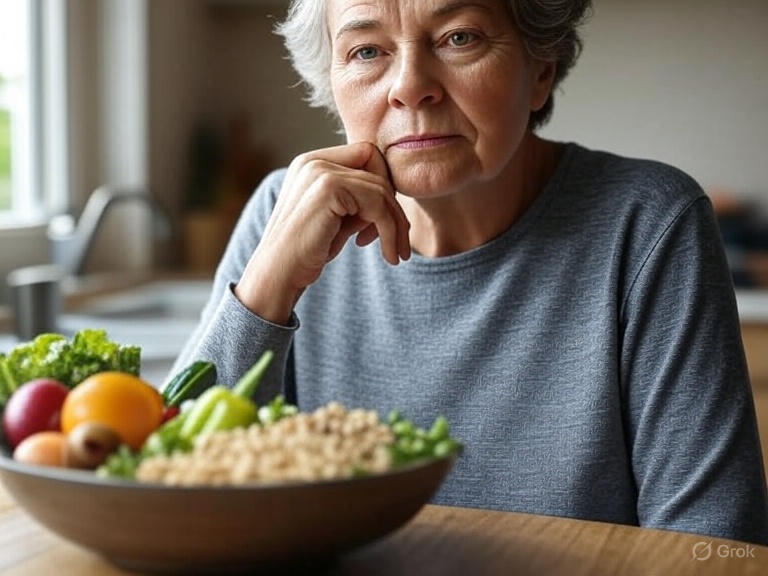
It’s more than just stomach trouble. When people hear “Crohn’s disease,” they often picture stomach pain and constant bathroom visits. While those symptoms are common and disruptive, they’re just the surface of a much deeper condition.
Crohn’s is a type of inflammatory bowel condition that causes chronic inflammation in the gastrointestinal tract. But because the body is so interconnected, the effects of this condition extend far beyond the gut. From your skin to your bones to your energy levels, Crohn’s Disease can leave an unexpected mark on multiple systems.
Whether you’re newly diagnosed, supporting someone who is, or just want to learn more, here are 7 surprising ways Crohn’s disease can impact the body.
1. It Can Affect Your Joints
You might be surprised to learn that one of the most common symptoms outside the gut is joint pain. In fact, around 1 in 4 people with this condition experience joint inflammation, which can feel a lot like arthritis.
It typically affects large joints like knees, ankles, and elbows. Sometimes the pain flares up during a digestive episode and eases when the gut settles, but in other cases, it may become chronic. Staying active with gentle movement, like walking or stretching, can help, but always consult your doctor before starting anything new.
You can read this blog :- How to Create a Thoughtful (and Helpful) Cancer Care Package
2. It Can Impact Your Eyes
Yes, your eyes!
Crohn’s-related inflammation isn’t limited to the digestive tract. It can also trigger conditions like:
- Uveitis: Inflammation within the eye that can lead to redness, eye pain, and blurred vision.
- Episcleritis: A less severe condition causing eye redness and mild discomfort.
Both are manageable with treatment Crohn Disease, but they can be scary if you don’t know they’re related to your underlying condition. If you have persistent eye irritation or notice changes in your vision, see an ophthalmologist without delay.
3. It Can Lead to Skin Issues
Crohn’s doesn’t just affect what’s inside; it can show up on your skin, too. From painful ulcers to rashes and bumps, the condition may manifest through:
- Erythema nodosum: Painful, red bumps that typically appear on the lower legs.
- Pyoderma gangrenosum: Rare but severe ulcers that can be tough to treat
- Anal fissures: Small, painful tears or cracks in the skin around the anus.
These issues can feel frustrating or even embarrassing, but they’re not uncommon. Crohn’s Disease Topical treatments, steroids, or even changing medication can help manage these flare-ups.
4. It Can Weaken Your Bones
Chronic inflammation, impaired nutrient absorption, and prolonged use of certain medications (such as corticosteroids) can contribute to bone loss. Over time, this puts people at risk for osteopenia or even osteoporosis, especially if they’re not getting enough calcium or vitamin D. The good news? A bone density scan can help evaluate your risk, and your doctor may suggest lifestyle changes or supplements to support your bone health.
5. It Affects Your Mental Health
Living with a chronic condition that flares unpredictably can take a serious toll on your emotional well-being.
Many people with Crohn’s report experiencing:
- Anxiety about sudden symptoms or social situations
- Depression from chronic pain and fatigue
- Isolation due to dietary restrictions or frequent medical appointments
This isn’t just about mindset; research shows that inflammation in the body can also influence brain chemistry. That’s why mental health support is just as essential as medication and dietary plans. If you’re struggling, talk to your healthcare provider about therapy, support groups, or mindfulness practices. It’s perfectly okay to ask for help, you don’t have to go through it alone.
6. It Can Impact Fertility and Reproductive Health
For many, Crohn’s raises concerns about fertility and pregnancy. Here’s what you should know:
- Most people with the condition can have healthy pregnancies, especially when it’s in remission.
- Active inflammation during conception may slightly lower fertility in both men and women.
- Certain medications might need adjustment before trying to conceive.
It’s important to plan ahead and work closely with both your gastroenterologist and OB-GYN. Communication is key to managing both your symptoms and your family planning goals. Also, menstrual cycles may become irregular or more painful during flares, and some women experience worsened symptoms around their period.
7. It Can Zap Your Energy
We’re not just talking about the tiredness that follows a poor night’s sleep; this is deep, bone-crushing fatigue. Between nutrient deficiencies (like iron or B12), inflammation, medications, and the sheer effort it takes to get through the day while not feeling your best, it’s no surprise that exhaustion is common.
Many people describe it as a “hidden symptom” that others don’t always understand, because you may look fine on the outside, but feel completely drained on the inside.
To manage this:
- Prioritize rest
- Eat nutrient-rich foods that support energy levels
- Talk to your doctor about vitamin infusions or supplements
- Pace yourself, it’s okay to say no sometimes
Managing the Full Picture
Living with a condition that touches so many aspects of your life is no easy feat. But knowledge is power. Understanding how your symptoms are connected, from joint pain to emotional shifts, can help you seek the right kind of care. It’s not just about calming the gut; it’s about caring for the whole self. Remember that digestive health is about more than food or bathroom habits. It includes your immunity, energy, mental clarity, and much more. That’s why a holistic approach — combining medical treatment, lifestyle changes, and emotional support- can make a big difference.
Final Thoughts
Crohn’s may start in the digestive tract, but its impact reaches far beyond. What makes this condition so challenging is also what makes it so important to treat from every angle, physically, emotionally, and socially. If you’re dealing with these symptoms or supporting someone who is, keep asking questions, keep seeking support, and most importantly, give yourself grace. Some days will be harder than others, but with the right care and community, there is strength and even hope in the journey.
You’re not alone in this.
Let your care team, loved ones, and inner resilience walk beside you, one day at a time.