
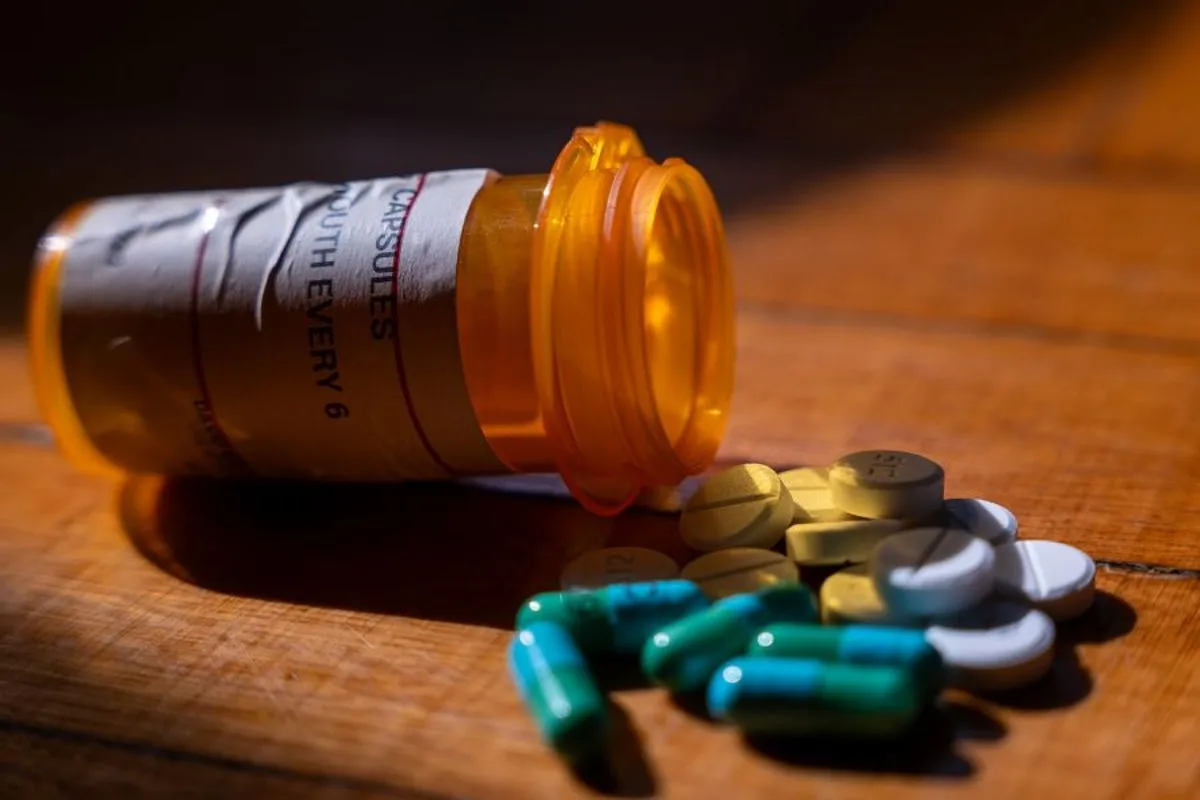
Exploring the Hope, the Science, and the Possibilities
Imagine this:
A pill that millions of people take every single morning to control their blood pressure… could also have the power to slow down, or even help fight, one of the world’s deadliest diseases, cancer.
It sounds almost unbelievable. But this question has been surfacing again and again in medical discussions, research papers, and even patient communities:
“Can a common blood pressure medicine actually help in fighting cancer?”
Let’s dive deep, but in a human, simple, and understandable way, into what scientists are exploring and why this topic is suddenly gaining so much attention.
Why Blood Pressure Pills Entered the Cancer Conversation
High blood pressure medications, especially a group called beta-blockers and another called ACE inhibitors, have been around for decades. They’re trusted, inexpensive, and taken by millions worldwide.
But here’s the twist: Doctors began noticing something unexpected.
Some patients taking certain blood pressure medicines showed better survival rates in certain cancers compared to those who weren’t taking them. This didn’t prove anything, but it made researchers curious.
What if these everyday pills were doing something more inside the body, something that could slow cancer growth?
This curiosity opened the door to one of the most fascinating medical debates of the decade.
The Science Behind It, Explained Simply
To understand why this idea isn’t as crazy as it sounds, let’s break it down.
1. Stress Hormones and Cancer Tumors
Cancer cells love chaos.
They feed on inflammation, stress, and hormonal changes.
One group of blood pressure medicines, beta-blockers, reduces the effect of stress hormones like adrenaline.
Researchers found that in some cancers, stress hormones actually help tumors:
- grow faster
- develop blood supply
- spread to other organs
So when you use beta-blockers, you’re basically reducing the fuel that helps cancer spread aggressively.
2. Tumor Blood Supply and ACE Inhibitors
Another group of blood pressure drugs, ACE inhibitors, helps relax blood vessels.
Some scientists believe that these medicines may interfere with the formation of new blood vessels inside tumors, a process called angiogenesis.
Cancer tumors need new blood vessels to grow.
If you slow that down, you may weaken the tumor’s growth capacity.
3. Inflammation Reduction
Several blood pressure pills also reduce chronic inflammation, a known contributor to cancer development.
This doesn’t mean they cure cancer, but it shows why researchers are so interested.
What Research Has Found So Far
Let’s be clear: no doctor prescribes blood pressure pills as cancer treatment yet.
But studies have shared some exciting observations.
1. Breast Cancer Studies
Some research found that women taking beta-blockers had:
- slower tumor growth
- lower risk of cancer returning
- better overall survival rates
Again, not a cure. But promising patterns.
2. Lung Cancer and Colon Cancer
In certain lung cancer studies, patients using beta-blockers lived longer than those who didn’t.
Some early studies in colon cancer also showed reduced mortality.
3. Melanoma (Skin Cancer)
One of the most exciting findings came from melanoma research. Some patients taking beta-blockers showed slower disease progression.
4. Pancreatic Cancer, A Glimmer of Hope
Pancreatic cancer is one of the deadliest cancers known. Even here, early trials show that stress-reducing beta-blockers might help make treatments more effective.
But… here’s the important truth:
Most of these studies are observational, meaning they noticed patterns, not direct cause-and-effect.
That’s why scientists are now pushing for clinical trials, the only way to confirm if these medicines truly work against cancer.
Why Scientists Are So Hopeful
One big reason: these drugs are already safe, approved, and affordable.
Developing a new cancer drug can take 10–15 years and cost billions.
But repurposing an existing drug is faster, cheaper, and safer because:
- We already know the side effects
- We already know the right dosage
- The drugs are widely available
- Patients already trust them
If even one blood pressure pill is proven effective against cancer, it could change cancer care forever, especially in low-income countries.
Real Patients Are Also Noticing Something
Doctors sometimes mention that patients with cancer who also take blood pressure pills appear to have better outcomes, but remember, this can be influenced by many factors:
age, overall health, lifestyle, earlier diagnoses, and more.
Still, when enough real-life patterns match research patterns, scientists pay attention.
Patients too have started asking questions:
“Should I start these medications?”
“Do they help prevent cancer?”
“Can I take them alongside chemo?”
The answer, for now, is: Never take or stop any medicine without medical supervision.
Research is promising but not conclusive, and self-medicating can be dangerous.
The Big Question: Can These Pills Prevent Cancer?
A lot of people wonder:
“If these pills may help fight cancer, can they also prevent it?”
Here’s where science becomes tricky.
So far:
- No study has proven that blood pressure pills prevent cancer.
- Some studies suggest possible reduction in risk.
- Others show no difference.
Researchers need more data before making any claims. What we do know is that controlling high blood pressure reduces the risk of:
- Heart attacks
- Strokes
- Kidney failure
So even if the cancer benefits are still being studied, taking prescribed medicines for blood pressure is already life-saving.
Why the Medical Community Is Still Cautious
Scientists love evidence, hard, clear evidence. And right now, even though studies are promising, they don’t yet meet the gold standard.
Here’s why doctors can’t rely on these medicines for cancer yet:
1. Observational Studies Aren’t Enough
They show patterns, but patterns can be misleading.
2. Different Cancers Behave Differently
A drug that works in breast cancer might not work in lung cancer.
3. Dosage for Cancer May Be Different
We don’t know the ideal amount needed for anti-cancer effects.
4. Other Health Conditions Interfere
Many cancer patients already have multiple diseases, which affects how medicines work.
That’s why large clinical trials are needed, and many are already happening worldwide.
Could This Be a Game-Changer for the Future?
Absolutely, if the research proves successful.
Imagine a future where:
- A pill costing less than a meal could help slow cancer
- Treatment becomes more accessible to the poorest communities
- Doctors combine chemo + immunotherapy + blood pressure pills for better outcomes
- Stress hormones become a target in treating aggressive cancers
This could transform cancer treatment from only fighting tumors to understanding the environment inside the body that supports tumor growth.
It’s a shift from “kill the cancer” to “weaken its power.”
So… What Should Patients Know Right Now?
Here’s the simplest guidance:
If you are already taking blood pressure medicine, keep taking it.
Stopping it suddenly can be dangerous.
Do not start these medicines for cancer without a doctor.
The research isn’t conclusive yet.
If you have cancer AND high blood pressure, these medicines may even help you manage both.
Talk to your oncologist.
Many doctors are open to discussing new research.
Stay updated.
The field of repurposing old drugs for new diseases is growing fast.
A Hopeful Ending
Science is full of surprises.
Penicillin was discovered by accident. Chemotherapy was discovered unexpectedly from mustard gas research. And today, we are exploring whether everyday medicines sitting in millions of homes could help with one of the toughest battles humanity faces.
It’s too early to call these blood pressure pills “cancer-fighting drugs.”
But it’s not too early to feel hope.
Because if the research succeeds, we may soon live in a world where something as simple, familiar, and affordable as a blood pressure tablet becomes a powerful ally against cancer.
Until then, scientists continue their work, patients continue their fight, and hope continues to grow, quietly, steadily, and powerfully.