
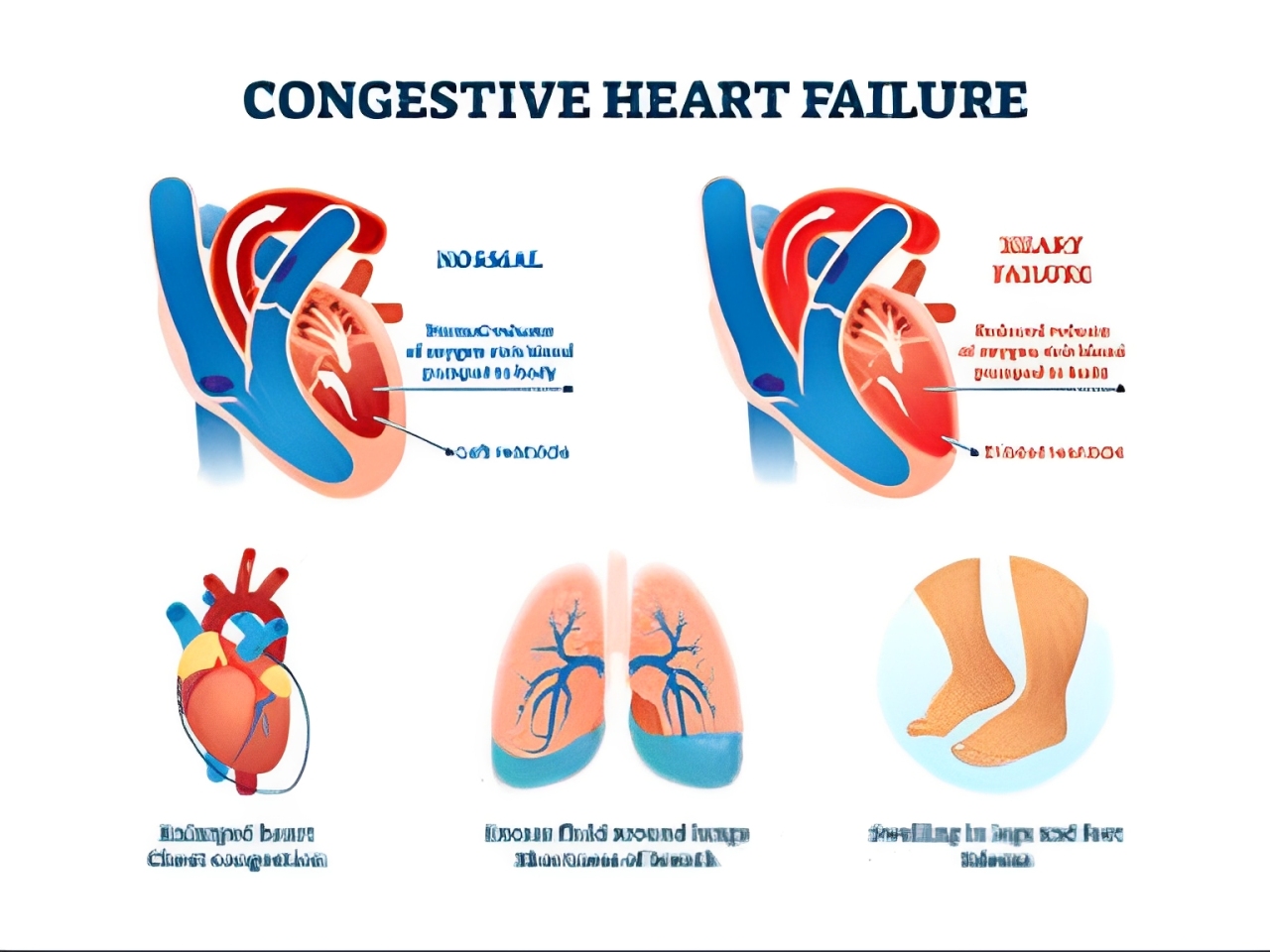
Congestive heart failure (CHF) is not a sudden event; it’s a long-term condition that gradually affects your heart’s ability to pump blood effectively. But while the diagnosis can feel overwhelming, the good news is that with the right care and treatment plan, many people with congestive heart failure continue to lead full, meaningful lives.
Let’s walk through what congestive heart failure means, how it’s treated, and the lifestyle changes that can make a world of difference.
What is Congestive Heart Failure?
Despite the name, congestive heart failure doesn’t mean your heart has completely stopped working. Instead, it means that the heart muscle is weakened and can’t pump blood as efficiently as it should. This leads to a buildup of fluid in the lungs, legs, and other parts of the body, hence the term “congestive.”
Symptoms vary but often include:
- Shortness of breath (especially during activity or when lying down)
- Fatigue
- Swollen legs, ankles, or feet
- Rapid heartbeat or palpitations
- Difficulty exercising or climbing stairs
- Persistent coughing or wheezing
It’s important to note that heart failure is a progressive condition. That means early diagnosis and proper congestive heart failure treatment can help slow its progression and improve quality of life.
You can read this blog also :- https://purewelltips.com/womens-health/
The Goals of Treatment
The treatment for congestive heart failure focuses on four main goals:
- Relieve symptoms
- Slow disease progression
- Prevent future hospitalizations
- Improve the overall quality of life
This often involves a combination of medication, lifestyle changes, and sometimes surgical intervention, depending on the severity and underlying cause of the condition.
Medications Commonly Used in CHF Treatment
Doctors usually begin with medications that ease symptoms and reduce the heart’s workload. Here are a few you may encounter:
1. ACE Inhibitors or ARBs
These drugs help relax blood vessels, making it easier for the heart to pump blood. They also help lower blood pressure and reduce strain on the heart.
2. Beta-Blockers
These slow the heart rate and reduce blood pressure, helping the heart beat more efficiently. They can also protect against abnormal heart rhythms.
3. Diuretics (Water Pills)
Because fluid buildup is a key symptom of CHF, diuretics help your body eliminate excess salt and water through urine. This reduces swelling and eases breathing.
4. Aldosterone Antagonists
These help manage fluid balance and offer added protection to the heart, especially in people with moderate to severe symptoms.
5. SGLT2 Inhibitors
Originally developed for diabetes, these have shown benefits in heart failure by reducing hospitalization risks and improving outcomes, even in patients without diabetes.
Important: Always follow your doctor’s instructions carefully, as some medications can interact or require monitoring for side effects like low blood pressure or kidney function.
Lifestyle Changes That Support Treatment
While medication plays a critical role, how you live day-to-day can be just as impactful. Here are essential lifestyle adjustments recommended for people with congestive heart failure:
1. Eat a Heart-Smart Diet
- Limit sodium intake (typically less than 2,000 mg per day)
- Avoid processed foods, fast food, and canned soups
- Include potassium-rich fruits and vegetables (unless told otherwise)
- Choose lean protein sources and healthy fats (like olive oil and nuts)
2. Keep an Eye on Fluid Intake
In some cases, doctors recommend restricting fluid intake to prevent fluid buildup. This doesn’t always mean cutting back drastically, but being mindful of how much you drink throughout the day can help keep swelling and shortness of breath in check.
3. Track Your Weight Daily
Sudden weight gain (more than 2-3 pounds in a day or 5 pounds in a week) can be a sign of fluid retention. Monitoring your weight helps catch warning signs early so your care team can adjust medications or fluid limits if needed.
4. Stay Active, But Within Limits
Physical activity, when done safely, can help improve heart function and reduce fatigue. Walking, gentle yoga, or supervised cardiac rehab programs are often recommended.
Avoid overexertion. If you feel dizzy, lightheaded, or unusually short of breath during activity, stop and consult your doctor.
5. Quit Smoking and Limit Alcohol
Smoking and excessive alcohol can both worsen heart failure and reduce the effectiveness of your medications. Quitting can dramatically improve outcomes.
6. Manage Stress
Chronic stress puts extra pressure on the heart. Techniques like meditation, deep breathing, or talking to a therapist can help you cope with the emotional side of living with a chronic condition.
When Is Surgery or a Device Needed?
For some people, medication and lifestyle changes aren’t enough. In these cases, more advanced treatments may be necessary, such as:
Implantable Devices:
- Pacemakers: Help regulate heartbeat
- Implantable Cardioverter Defibrillators (ICDs): Shock the heart back into rhythm if a dangerous arrhythmia occurs
- Cardiac Resynchronization Therapy (CRT): Coordinates the heartbeat in both sides of the heart
Surgical Options:
- Coronary artery bypass surgery (if clogged arteries are a factor)
- Heart valve repair or replacement
- Left Ventricular Assist Device (LVAD): A mechanical pump for advanced cases
- Heart transplant: For severe, end-stage CHF when other treatments fail
Monitoring and Ongoing Care
Congestive heart failure is a condition that requires regular monitoring. This includes:
- Frequent follow-ups with a cardiologist
- Routine lab tests (to monitor kidney function and electrolytes)
- Possible adjustments to medication over time
- Learning to recognize symptoms that suggest worsening
The goal is to stay ahead of the disease and make proactive choices, not reactive ones.
How Support Makes a Difference
No one should face congestive heart failure alone. Support groups, counseling, and care partners (like family or close friends) can ease the burden. Whether it’s helping with medication schedules, attending appointments, or simply listening, emotional support is an essential part of the healing process.
Final Thought: A Condition You Can Manage
Congestive heart failure treatment may sound daunting, but it’s really about creating a lifestyle where your heart gets what it needs to function better. It’s not about perfection; it’s about progress. Every smart choice, from cutting back on salt to taking your meds on time, makes a real difference.Most importantly, know that you’re not alone. With the right care, a solid support system, and ongoing commitment to your health, CHF is a condition that can be managed. Many people not only live with it, but they thrive despite it.
1 thought on “Understanding Congestive Heart Failure Treatment”