
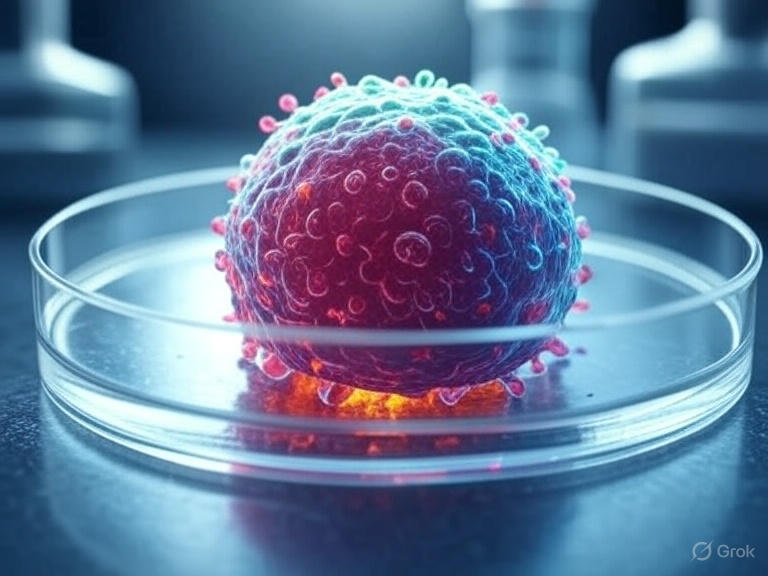
Let’s be honest, cancer cells is one of those words that carries weight. The moment it’s mentioned, it creates a ripple of fear, concern, and a need to understand. But what really goes on inside our bodies when we talk about cancer cells? Why do normal, healthy cells suddenly turn rogue, and is there anything we can do to prevent it?
This blog explores the nature of cancer cells, how they form, what triggers them, and most importantly, what steps we can take to reduce our risk. It’s not about medical jargon; It’s about understanding, hope, and empowerment.
What Are Cancer Cells?
Our bodies are made up of trillions of cells that follow a well-orchestrated pattern of growth, division, and death. Think of it like a finely tuned orchestra, every instrument (or cell) knows when to play and when to stop. Cancer cells disrupts this harmony. Cancer cells are essentially normal cells that stop following the rules. They grow uncontrollably, fail to die when they should, and can spread to other parts of the body. Unlike healthy cells, they ignore signals that tell them to stop dividing. Over time, these cells can form a lump or mass called a tumor (except in blood cancer cells like leukemia).
What Causes Normal Cells to Become Cancerous?
There isn’t one single cause of cancer, it’s more like a perfect storm of multiple factors. But understanding these factors helps us take better care of ourselves.
1. Genetic Mutations
At the root of cancer cells lies a mutation, a change in the DNA inside our cells. Some people inherit faulty genes from their parents, which makes them more vulnerable. But most mutations develop during a person’s lifetime due to lifestyle, environmental exposure, or simply aging.
2. Lifestyle Choices
Certain daily habits can influence our risk. Tobacco use, excessive alcohol intake, lack of physical activity, and a poor diet can all contribute to an increased risk of cell damage.Over time, these seemingly small daily choices can have a significant impact.
3. Environmental Factors
Exposure to harmful substances, like radiation, industrial chemicals, or pollution, can also cause mutations. Even prolonged sun exposure, without protection, can damage skin cells and potentially lead to skin cancer.
4. Infections
Some viruses and bacteria are linked to cancer cells. For example, HPV (human papillomavirus) is connected to cervical cancer, while H. pylori infection is associated with stomach cancer. These infections don’t guarantee cancer will develop, but they can raise the risk.
Can Cancer Be Prevented?
Not all cancers can be prevented, especially those tied to genetics or unavoidable environmental exposures. But we can reduce the risk—sometimes significantly—by making mindful choices.
Here are some science-backed strategies
1. Eat for Your Cells
Your plate matters more than you think. A diet packed with vegetables, fruits, whole grains, and lean proteins supports optimal cell function and overall health. Antioxidants in colorful fruits and veggies protect cells from damage. Meanwhile, cutting back on processed foods, red meats, and excess sugar supports long-term health.
You can read this blog also :- Understanding Breast Cancer Treatment: Insights and Support for Your Journey
2. Move Regularly
Physical activity isn’t just about maintaining weight—it also boosts your immune system and helps regulate hormones. Just 30 minutes of walking five days a week can make a significant difference in lowering your cancer risk.
3. Ditch Tobacco, Reduce Alcohol
It’s widely recognized that smoking is a major contributor to cancer. But did you know alcohol is also classified as a carcinogen? If quitting smoking or reducing drinking feels overwhelming, seek support. Even the smallest positive steps can make a meaningful difference.
4. Protect Your Skin
Sunscreen isn’t just a summer essential; it’s year-round protection. Ultraviolet (UV) radiation from the sun or tanning beds can damage the DNA in skin cells. Make sunscreen, shade, and protective clothing a habit, not an afterthought.
5. Get Vaccinated
Some vaccines offer protection from cancer-causing infections. The HPV vaccine is one of the most powerful tools in preventing cervical and other related cancers. The hepatitis B vaccine also helps lower liver cancer cells risk. These simple actions can lead to lasting, lifelong benefits.
6. Stay Informed With Screenings
Early detection can save lives. Regular screenings, like mammograms, colonoscopies, Pap tests, and skin checks, can catch abnormal cells before they become cancerous or at an early, more treatable stage. Talk to your doctor about what’s appropriate for your age and risk level.
The Role of Mental and Emotional Health
Often overlooked, stress and emotional well-being play a role in overall health. While stress alone doesn’t cause cancer, chronic stress can lead to unhealthy habits, suppressed immunity, and inflammation, all of which contribute to cellular imbalance. Engaging in activities that bring calm, whether it’s meditation, hobbies, therapy, or simply resting, can help keep your body in better balance.
Moving from Fear to Empowerment
Cancer is complex, and prevention doesn’t come with guarantees. But knowledge is powerful. By understanding how cancer cells behave and what puts us at risk, we’re better equipped to make informed decisions. This is where quality cancer care steps in—not just after a diagnosis, but also as a proactive approach to health. Comprehensive care involves not only treatment but education, screenings, emotional support, and long-term wellness strategies.
Whether you’re someone looking to reduce your risk or supporting a loved one through their journey, know this: small, consistent changes can add up to meaningful protection.
Final Thoughts
Our bodies are always talking to us through fatigue, pain, changes in mood, or even small shifts we might brush off. Paying attention to these signs, making thoughtful lifestyle choices, and staying curious about our health can make a difference. While cancer may start at the cellular level, the strength to fight it and even prevent it often begins with awareness and action. Empower yourself with knowledge, surround yourself with support, and remember: you’re not alone in this journey. Today’s efforts can lead to a healthier tomorrow.And when it comes to cancer care, it’s not just about treatment, it’s about holistic support for every stage, from prevention to recovery.