
When your grandmother starts forgetting your name, or your father can’t remember how to use his favorite coffee maker, the world suddenly feels different. These moments mark the beginning of a journey that millions of families face, living with Alzheimer’s Dementia. It’s a path that’s both heartbreaking and profound, filled with challenges that test our patience, love that transcends memory, and moments of unexpected grace that remind us of the enduring power of human connection.
Alzheimer’s Dementia doesn’t just affect the person diagnosed; it touches everyone who loves them. It changes dinner conversations, holiday traditions, and the simple daily rituals that once felt so ordinary. But within this challenge lies an opportunity to discover new ways of connecting, to find meaning in small moments, and to honor the person your loved one has always been, even as the disease changes how they experience the world.
Understanding Alzheimer’s Dementia: More Than Memory Loss

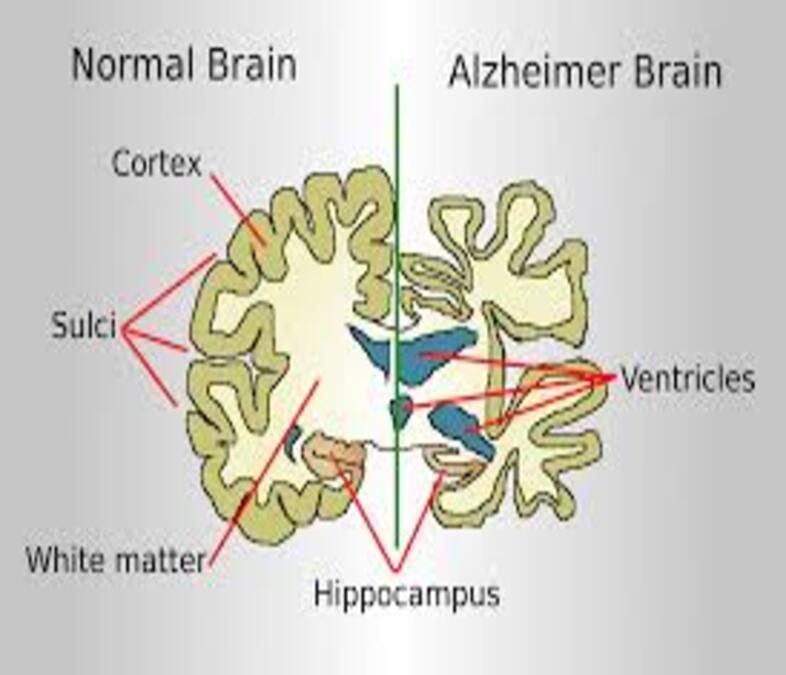
Alzheimer’s Dementia is the most common form of dementia, accounting for 60-80% of all dementia cases worldwide. While many people think of it simply as “memory loss,” Alzheimer’s Dementia is actually a complex brain disorder that affects thinking, behavior, and the ability to perform everyday activities. The disease develops when abnormal protein deposits, amyloid plaques, and tangles build up in the brain, disrupting communication between brain cells and eventually causing them to die. This process typically begins years before symptoms become noticeable, which is why early detection and understanding of Alzheimer’s Dementia is so crucial for families.
What makes Alzheimer’s Dementia particularly challenging is that it doesn’t just take away memories, it can change personality, affect judgment, and make familiar tasks feel impossible. The person you’ve known and loved is still there, but they’re experiencing the world through the filter of a changing brain.
You can read this blog also :- Is ColonBroom Worth It in 2025? What You Must Know Before Buying
The Journey Through Alzheimer’s Dementia: Understanding the Stages
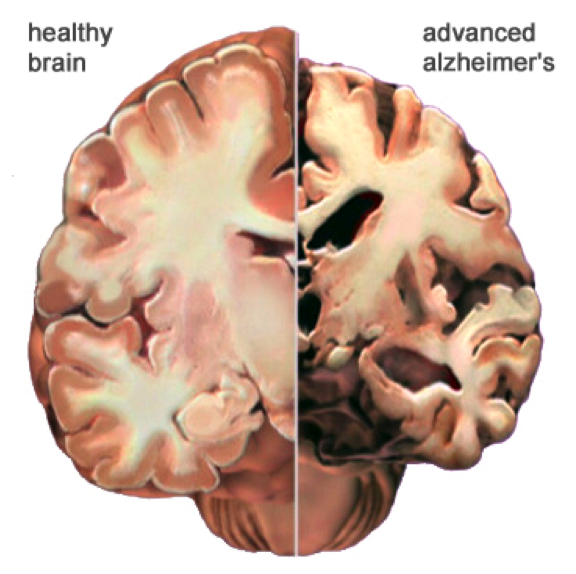
Alzheimer’s Dementia progresses differently for each person, but understanding the general stages can help families prepare and adapt their care approaches.
Early Stage: When Small Changes Begin
In the early stages of Alzheimer’s Dementia, changes might be so subtle that they’re easy to dismiss as “normal aging.” Your loved one might forget recent conversations, struggle to find the right words, or feel confused in previously familiar places. They might start avoiding social situations that once brought them joy, not because they don’t want to participate, but because they feel embarrassed or overwhelmed.
During this stage, many people with Alzheimer’s Dementia are still very much themselves. They may have good days and difficult days, moments of clarity alongside periods of confusion. This can be both hopeful and frustrating for families who are trying to understand what’s happening.
Middle Stage: When Support Becomes Essential
The middle stage of Alzheimer’s Dementia often lasts the longest and requires the most significant adjustments for families. Memory loss becomes more pronounced, and your loved one might not recognize familiar faces or remember important life events. Simple tasks like getting dressed or preparing meals become challenging.
This is when families often see the biggest changes in personality and behavior. Someone who was always gentle might become agitated, or a person who loved socializing might withdraw completely. These changes aren’t choices—they’re symptoms of how Alzheimer’s Dementia affects different areas of the brain.
Late Stage: When Love Transcends Words
In the advanced stages of Alzheimer’s Dementia, verbal communication becomes limited, and your loved one will need help with all daily activities. This stage is often the most emotionally difficult for families, as the person they knew seems increasingly distant.
Yet even in this stage, connection remains possible. Alzheimer’s Dementia may take away words, but it doesn’t eliminate the capacity for emotional connection. A gentle touch, familiar music, or simply your loving presence can still provide comfort and peace.
Recognizing the Early Warning Signs
Understanding the early signs of Alzheimer’s Dementia can help families seek support and make important decisions while their loved one can still participate in the process. Unlike normal aging, Alzheimer’s Dementia involves changes that significantly impact daily life.
Memory changes associated with Alzheimer’s Dementia go beyond occasionally forgetting where you put your keys. They involve forgetting important dates or events, asking for the same information repeatedly, or increasingly needing to rely on family members for things that were once handled independently.
Changes in thinking and reasoning are also common early signs. Your loved one might struggle with numbers, have trouble following familiar recipes, or find it difficult to concentrate on tasks they once managed easily. They might get lost driving to familiar places or have trouble following conversations.
The Emotional Journey: Supporting Your Loved One and Yourself
Receiving a diagnosis of Alzheimer’s Dementia creates a whirlwind of emotions for everyone involved. Fear, sadness, anger, and even relief at finally having an explanation are all normal responses. Your loved one may feel scared about what the future holds, embarrassed about their changing abilities, or frustrated by their increasing limitations.
Creating an environment of acceptance and understanding becomes crucial. Rather than correcting every mistake or trying to force memories that are no longer there, focus on meeting your loved one where they are emotionally. If they believe they’re 30 years old and need to pick up their children from school, sometimes it’s more loving to work with that reality than to constantly remind them of current circumstances.
This doesn’t mean giving up on truth entirely, but rather choosing when and how to gently redirect or simply provide comfort in moments of confusion. The goal isn’t to cure Alzheimer’s Dementia through constant correction, but to ensure your loved one feels safe, valued, and loved despite their changing abilities.
Practical Care Strategies for Daily Life
Living with Alzheimer’s Dementia requires practical adjustments that can make daily life safer and more manageable for everyone. Creating routines becomes especially important, as familiar patterns can provide comfort and reduce anxiety when so much else feels uncertain.
Safety modifications around the home are essential as Alzheimer’s Dementia progresses. This might include removing trip hazards, installing better lighting, or adding locks to prevent wandering. The goal is to maintain as much independence as possible while ensuring safety. Communication strategies also need to evolve. Speaking slowly and clearly, making eye contact, and using simple sentences can help overcome some of the communication challenges that Alzheimer’s Dementia creates. Remember that your tone of voice and body language often communicate more than your words.
Treatment Options and Hope for the Future
While there’s currently no cure for Alzheimer’s Dementia, several treatment options can help manage symptoms and potentially slow progression. Medications like cholinesterase inhibitors and memantine can help with cognitive symptoms in some people.
Non-drug approaches are equally important in Alzheimer’s Dementia care. Regular physical exercise, social engagement, cognitive stimulation, and maintaining good overall health can all contribute to a better quality of life. Music therapy, art therapy, and pet therapy have shown particular promise in helping people with Alzheimer’s Dementia maintain emotional connections and express themselves. Research into Alzheimer’s Dementia continues advancing, with scientists exploring everything from new medications to lifestyle interventions that might prevent or delay the onset of symptoms. While we wait for breakthrough treatments, focusing on quality of life and meaningful connection remains the most important gift we can give our loved ones.
Supporting Caregivers: The Unsung Heroes
Caring for someone with Alzheimer’s Dementia is one of the most demanding roles anyone can take on. Family caregivers often experience their own grief process as they watch their loved one change, while simultaneously managing the daily challenges of providing care.
Caregiver support is not a luxury—it’s a necessity. Support groups, respite care, and professional counseling can provide the emotional support and practical strategies that make long-term caregiving sustainable. Remember that taking care of yourself isn’t selfish; it’s essential for providing the best possible care for your loved one with Alzheimer’s Dementia.
Finding Meaning in the Journey
While Alzheimer’s Dementia brings undeniable challenges and losses, many families also discover unexpected gifts along the way. Relationships can deepen in new ways, priorities become clearer, and moments of joy become more precious when they’re less predictable.
Your loved one with Alzheimer’s Dementia is still the same person who loved you, raised you, or shared important moments with you. The disease may change how they express that love or recognize you, but it doesn’t erase the lifetime of connection you’ve shared.
Living with Alzheimer’s Dementia teaches us about the different forms that love can take, love that doesn’t depend on recognition, connection that transcends words, and care that continues even when it’s not acknowledged or remembered. These are profound lessons about humanity and love that extend far beyond the disease itself. This journey with Alzheimer’s Dementia is not one that anyone would choose, but it’s one that millions of families navigate with courage, creativity, and immense love. By understanding the disease, accessing available resources, and maintaining hope for the future, we can ensure that this journey, while challenging, is also filled with dignity, comfort, and the enduring power of human connection.