
For many people, the terms HIV and AIDS are used interchangeably, but they are not the same. HIV (Human Immunodeficiency Virus) is the virus that causes AIDS (Acquired Immunodeficiency Syndrome), which is the most advanced stage of the infection. AIDS doesn’t develop overnight; it takes time, and it usually occurs when HIV is left untreated.
Recognizing the aids symptoms can help individuals seek the right medical attention and start treatment early, which can significantly improve quality of life and life expectancy. In this blog, we’ll explore what AIDS symptoms look like, how they differ from earlier stages of HIV, and what steps to take if you or a loved one is concerned.
What’s the Difference Between HIV and AIDS?
HIV is a virus that attacks the body’s immune system, specifically the CD4 cells (also known as T cells), which help fight infections. Over time, if HIV is not treated, it can destroy so many of these cells that the body can’t fight off infections and diseases. When this happens, HIV becomes AIDS, the final and most severe stage of HIV infection. Not everyone with HIV will develop AIDS. Thanks to modern medicine, especially antiretroviral therapy (ART), many people with HIV live long and healthy lives without ever progressing to AIDS Symptoms. But for those who don’t receive early or consistent treatment, the immune system weakens, and serious health complications begin to show.
You can read this blog also :- https://purewelltips.com/congestive-heart-failure/
What Causes AIDS Symptoms?
AIDS doesn’t usually cause symptoms directly. Instead, the symptoms arise because the immune system is severely compromised. This leaves the body vulnerable to what are known as “opportunistic infections”, infections that a healthy immune system could usually fight off, but which become dangerous for someone with AIDS Symptoms.
Some symptoms are persistent and slow-developing, while others can appear suddenly and severely. Knowing the red flags can help you take action early.
Early Warning Signs
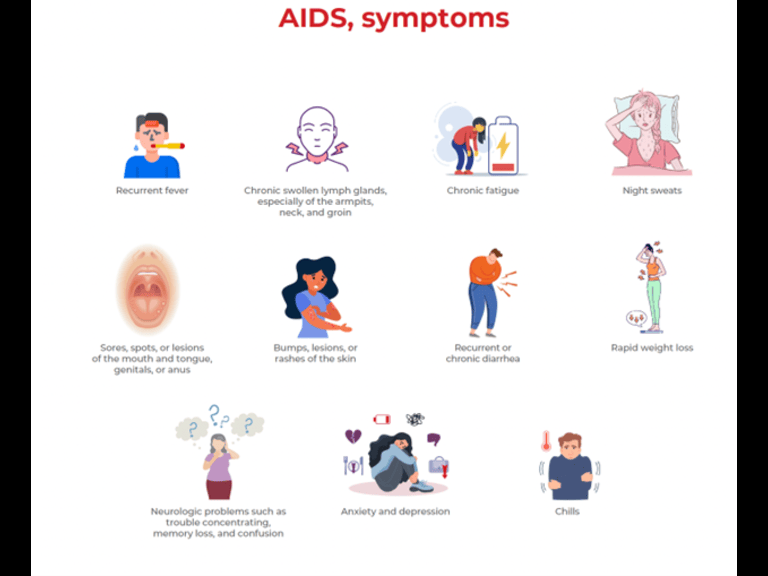
Before someone is diagnosed with AIDS Symptoms, they may notice signs that their immune system is no longer able to fend off everyday threats. These early symptoms include:
- Rapid weight loss
- Recurring fever or profuse night sweats
- Extreme and unexplained tiredness
- Prolonged swelling of the lymph glands (especially in the neck, armpits, or groin)
- Persistent diarrhea that lasts for more than a week
- Sores of the mouth, anus, or genitals
- Pneumonia or chronic cough
- Red, brown, pink, or purplish blotches on or under the skin, or inside the mouth/nose/eyelids
- Memory loss or depression
These signs don’t confirm AIDS on their own, but if someone with HIV is experiencing several of them together, it’s important to talk to a healthcare provider immediately.
Opportunistic Infections to Be Aware Of
As AIDS weakens the immune system, certain infections and cancers become more common. These are not everyday illnesses; they are serious, sometimes life-threatening conditions that require medical intervention:
- Tuberculosis (TB) is the leading cause of death among people with HIV worldwide.
- Pneumocystis pneumonia (PCP): A serious lung infection that’s often the first sign of AIDS.
- Cytomegalovirus (CMV): A virus that affects the eyes, digestive tract, and lungs.
- Candidiasis: A fungal infection that can become chronic in the mouth, throat, or vagina.
- Kaposi’s Sarcoma: A cancer that causes lesions in soft tissues.
- Toxoplasmosis: A parasitic infection that can affect the brain.
These conditions are called “AIDS-defining illnesses” because their presence typically signals that HIV has progressed to AIDS.
How AIDS Symptoms Impact Daily Life
Beyond the physical toll, the emotional and social impact of AIDS is significant. People may feel isolated, anxious, or depressed due to their diagnosis. There may be fear of stigma, a sense of hopelessness, or frustration from dealing with multiple medical issues at once. Fatigue and mental fog can interfere with work and relationships. Symptoms like weight loss, rashes, or oral sores may affect self-esteem. That’s why holistic care, addressing both the medical and emotional needs of a person, is essential in AIDS treatment.
When Should You Get Tested?
If you’ve had unprotected sex, shared needles, or think you may have been exposed to HIV in any way, it’s a good idea to get tested, regardless of whether you feel sick. HIV can be present in the body for years without causing obvious symptoms. Testing is quick, confidential, and often free. The earlier HIV is detected, the better the outcome. Treatment not only improves health but also reduces the risk of transmission to others.
Modern Treatment Can Change Everything
While there’s no cure for HIV or AIDS Symptoms, medical advancements have made the virus manageable for most people. Antiretroviral therapy (ART) helps suppress the virus to undetectable levels, meaning the virus can no longer harm the immune system or be transmitted to sexual partners. Even if someone has progressed to AIDS, treatment can still help rebuild the immune system and reduce the frequency and severity of infections.
Preventing Progression to AIDS
Here’s how people living with HIV can reduce the risk of developing aids symptoms and live healthier, longer lives:
- Start treatment early and stick with it. ART works best when taken consistently.
- Eat a balanced diet to support immune function.
- Stay physically active, even if only with light exercise.
- Avoid smoking, excessive drinking, and drug use, which further weaken the body.
- Get regular medical checkups and blood tests to monitor immune health.
- Treat infections promptly, even minor ones.
Supporting a Loved One
If someone you care about is living with AIDS Symptoms, your support can make a powerful difference. Here are a few tips:
- Listen without judgment. Let them share how they feel.
- Help them stay on treatment. Offer reminders or attend appointments with them.
- Educate yourself. Understanding their condition helps reduce fear and strengthen empathy.
- Be a source of normalcy. Spend time together doing things they enjoy, laughter and connection are powerful medicine.
Final Thoughts
AIDS Symptoms doesn’t happen overnight; it’s the result of untreated or poorly managed HIV over time. Understanding and recognizing the aids symptoms is not just about awareness; it’s about taking control, seeking treatment early, and showing compassion to those affected. With early testing, proper treatment, and strong support, AIDS is no longer the death sentence it was once thought to be. Today, it’s a manageable condition, and there is always hope.
2 thoughts on “What to Watch Out For and When to Seek Help: AIDS Symptoms”