
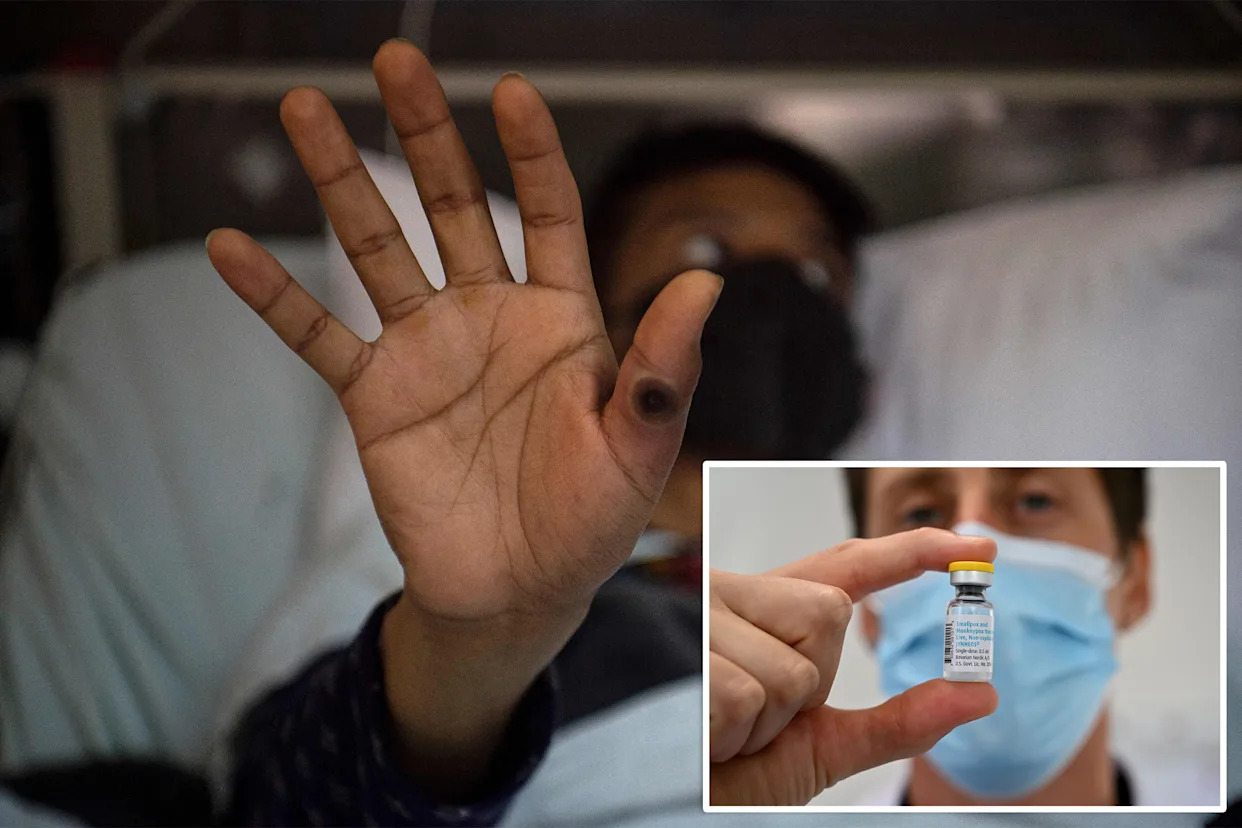
Health officials in New York City have confirmed the first known case of a more severe mpox virus, raising concerns among public health authorities and medical professionals worldwide. The case involves a variant known as Mpox Clade I, which is considered more serious than the strain responsible for the global outbreak in 2022.
The discovery highlights the importance of awareness, early detection, and vaccination in preventing the spread of infectious diseases as the officials emphasize that the risk to the public currently remains low.
What Is Mpox?
Mpox (formerly known as monkeypox) is a viral infectious disease caused by the monkeypox virus (MPXV) It is part of the Orthopoxvirus family. The virus is related to smallpox but typically causes less severe illness.
Mpox usually spreads through close physical contact, including skin-to-skin contact, intimate contact, respiratory droplets, or touching contaminated materials. While many cases are mild, some can lead to serious complications, particularly in vulnerable populations.
Why Clade I Mpox Is Concerning
According to health authorities, the recently confirmed case in New York City involves Mpox Clade I, a variant known for causing more severe disease than the strain responsible for the 2022 global outbreak. Mpox viruses are divided into two main genetic groups (clades):
- Clade I
- More severe illness
- Historically found in Central Africa
- Higher mortality rate (estimated 1–10%)
- Clade II
- Less severe
- Responsible for the 2022 global mpox outbreak
Symptoms of Mpox Infection
Symptoms of mpox typically appear within 5 to 21 days after exposure and may include:
- Fever
- Headache
- Swollen lymph nodes
- Muscle aches
- Fatigue
- Painful skin rash or lesions
Prevention and Vaccination
Health authorities recommend several preventive measures:
1. Vaccination
The JYNNEOS vaccine, administered in two doses, is effective in preventing mpox infection and reducing severe illness.
2. Avoid Close Contact
Avoid physical contact with individuals who have symptoms such as rash or lesions.
3. Practice Good Hygiene
Wash hands frequently and disinfect surfaces that may be contaminated.
4. Monitor Symptoms After Travel
Individuals who recently traveled internationally should watch for symptoms and seek medical care if necessary.
Conclusion
The detection of the first known case of the severe Mpox Clade I in New York City serves as a reminder that infectious diseases continue to evolve and spread across borders. While the situation is currently under control, staying informed about symptoms, transmission, and vaccination can help individuals protect themselves and their communities.
Early detection, public health preparedness, and responsible health practices will remain essential in preventing future outbreaks.