
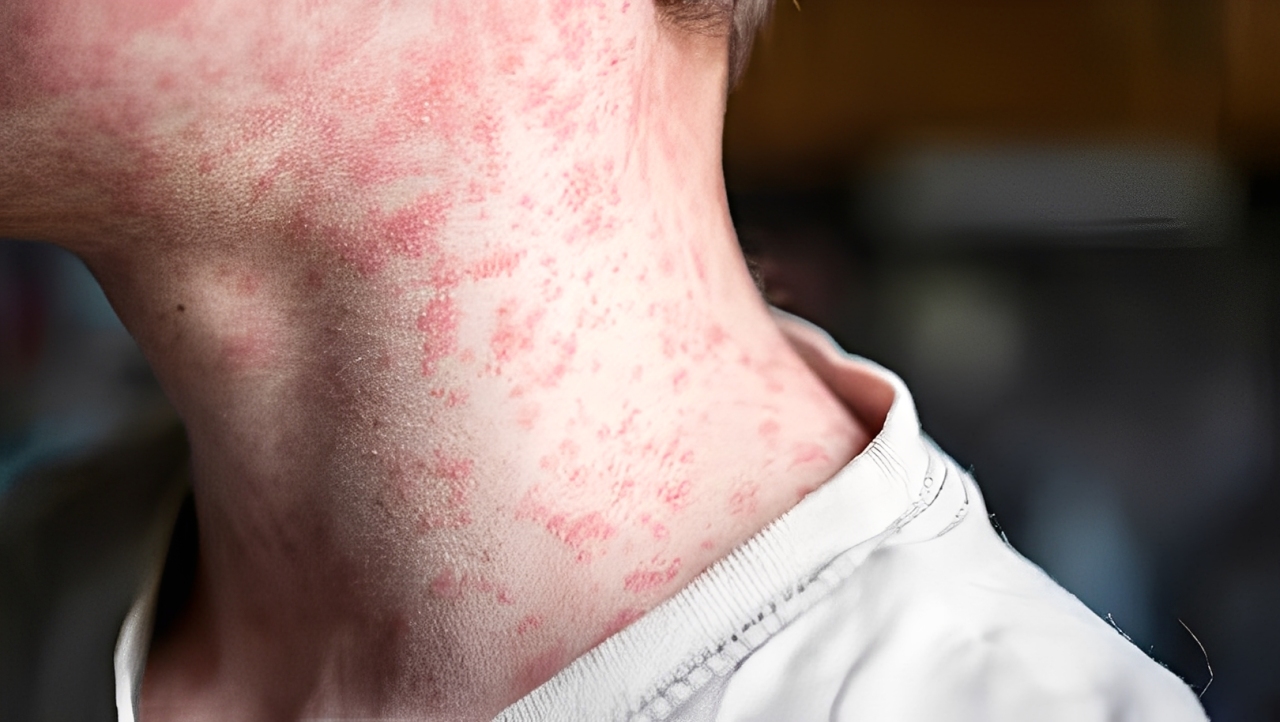
In recent months, the United States has witnessed an unsettling health development, a growing measles outbreak in South Carolina that’s reigniting global concerns about the return of diseases once thought to be under control. The outbreak, which began with a few isolated cases, has now expanded to multiple counties, raising alarms among health experts and public officials alike. What’s even more worrying is that this resurgence of measles in the U.S. is now threatening Canada’s “elimination” status, a status the country earned after years of consistent vaccination and public health efforts.
The situation serves as a stark reminder that infectious diseases do not respect borders and that a lapse in vigilance, even in one region, can have ripple effects across an entire continent.
A Brief Look Back: What Is Measles and Why It Matters
Measles is a highly contagious viral disease known for its characteristic red rash, high fever, cough, and runny nose. It spreads through respiratory droplets when an infected person coughs or sneezes, and can linger in the air for up to two hours. Before vaccines became widespread, measles caused millions of infections and hundreds of thousands of deaths globally each year. But through decades of dedicated vaccination campaigns, the disease was declared “eliminated” in many countries, including the United States in 2000 and Canada in 1998.
“Eliminated” doesn’t mean measles was completely eradicated; it simply means there was no continuous, community-based transmission for over a year. The virus could still appear through imported cases, but those outbreaks could be contained quickly, thanks to herd immunity.
Now, that shield is weakening.
The Outbreak in South Carolina: A Growing Concern
The South Carolina Department of Health and Environmental Control (DHEC) confirmed several measles cases this year, marking one of the most significant resurgences in the state in over a decade. The outbreak began in a small community where vaccination rates were notably below the national average. Health authorities initially managed to contain the spread, but the number of unvaccinated individuals, especially among children, created fertile ground for the virus to circulate again. Local schools, daycares, and community centers have since been put on alert, with health workers conducting rapid immunization drives and awareness campaigns.
Public health officials say the main challenge lies in misinformation and complacency. Many parents who haven’t seen the devastating effects of measles firsthand underestimate the disease’s severity. But measles is far from harmless it can lead to pneumonia, encephalitis (brain swelling), and even death, especially in young children and immunocompromised individuals.
Why the Outbreak Matters Beyond South Carolina
At first glance, a local outbreak might seem like a contained issue. But in today’s interconnected world, diseases travel faster than ever. A single unvaccinated traveler can unknowingly carry the virus across state lines or international borders, sparking new chains of transmission.
This is where Canada enters the picture.
Health authorities in Canada are increasingly worried that outbreaks like the one in South Carolina, combined with their own sporadic cases, could jeopardize their measles elimination status. In recent years, Canada has seen an uptick in imported cases, primarily from travelers returning from the United States or Europe. When these imported cases reach communities with lower vaccination coverage, the virus can gain a foothold, leading to localized outbreaks. If sustained transmission continues for more than a year, Canada risks losing its “eliminated” designation, a symbolic but significant setback in global health progress.
The Role of Vaccine Hesitancy
One of the driving factors behind the resurgence of measles in both the U.S. and Canada is vaccine hesitancy, a growing public reluctance or refusal to vaccinate despite the availability of vaccines.
Vaccine hesitancy stems from several factors:
- Misinformation and disinformation: False claims linking vaccines to autism or other health risks continue to circulate online.
- Complacency: Because measles became so rare, many people stopped seeing vaccination as a priority.
- Distrust in institutions: Political polarization and erosion of trust in public health agencies have fueled skepticism toward vaccine campaigns.
These combined forces have chipped away at herd immunity, the protective barrier that prevents disease spread when most people are vaccinated. For measles, experts estimate that at least 95% of the population needs to be immunized to prevent outbreaks. In several communities across the U.S. and Canada, that rate has now dropped below 90%, leaving dangerous gaps.
The High Cost of Complacency
The implications of these outbreaks go far beyond public health. They strain healthcare systems, disrupt schools, and create economic losses through quarantines and productivity decline. Consider this: every confirmed measles case can cost public health departments tens of thousands of dollars in investigation, containment, and follow-up. Hospitals need to isolate patients, trace contacts, and notify anyone potentially exposed, all while managing public anxiety. Moreover, the psychological toll on communities can’t be ignored. Parents worry about their children, schools face closures, and healthcare workers face burnout from trying to contain preventable diseases.
In essence, every outbreak reminds us that the cost of prevention, a simple vaccine, is far lower than the cost of cure and containment.
Canada’s Elimination Status: Why It Matters
Maintaining measles elimination status is more than a badge of honor; it’s a reflection of a nation’s public health strength. Losing that status would not only tarnish Canada’s reputation as a global health leader but also highlight systemic weaknesses in vaccination coverage and outbreak response. It could also signal to international health agencies that Canada is slipping in its immunization goals, potentially affecting funding, partnerships, and global coordination efforts.
More importantly, losing elimination status could weaken public confidence. When people see that measles is “back,” they may assume vaccines aren’t working, when in reality, the opposite is true. It’s not that vaccines are failing; it’s that not enough people are getting them.
What Governments and Communities Are Doing
To counter the growing threat, both U.S. and Canadian health officials are ramping up their responses.
In South Carolina, vaccination clinics have been set up in schools and community centers, and mobile health units are visiting rural areas to reach families with limited access to healthcare. Public awareness campaigns are focusing on educating parents about the importance and safety of vaccines. Canada, on the other hand, is tightening its monitoring systems to detect cases early and trace transmission routes quickly. The federal government is also collaborating with provinces to boost immunization programs and address vaccine misinformation online.
But experts agree: government action alone isn’t enough. Community leaders, influencers, and healthcare providers must all play a part in rebuilding trust in vaccines.
The Way Forward: Lessons to Learn
The growing measles outbreak in South Carolina and its potential impact on Canada teach us some vital lessons about public health in the modern world:
- Complacency is dangerous: Diseases like measles thrive when we let our guard down.
- Vaccination is a shared responsibility: Protecting the community requires everyone to participate.
- Misinformation is a real threat: Combating false narratives must be as high a priority as medical interventions.
- Global cooperation matters: Outbreaks don’t stop at borders; neither should our efforts to control them.
The resurgence of measles isn’t just a medical issue; it’s a societal one. It reflects how trust, communication, and collective responsibility can make or break public health systems.
A Final Word
As the South Carolina outbreak grows and Canada watches its elimination status hang in the balance, one thing becomes clear: progress is fragile. The world fought long and hard to bring measles under control, but the battle isn’t over. Vaccines remain one of humanity’s greatest tools, but they only work if we use them.
Whether you’re a parent deciding for your child, a traveler heading abroad, or simply a citizen who values community health, the choice to vaccinate is more than personal; it’s a commitment to protect everyone around you.
Because in the fight against measles, every shot counts.