
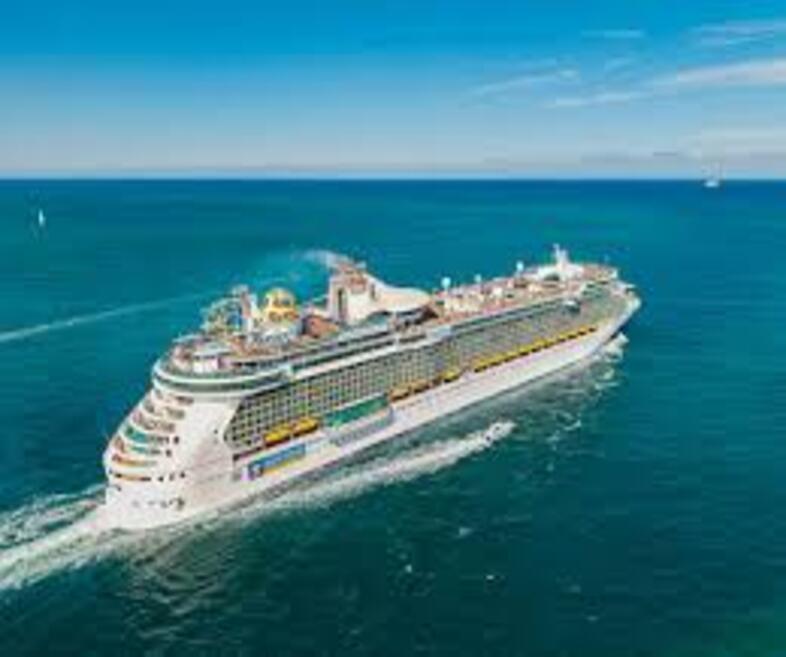
A Royal Caribbean cruise meant for relaxation turned stressful when nearly 100 passengers were sickened by norovirus. Here’s what happened, how the cruise line responded, and what travelers can do to stay safe at sea.
A Dream Cruise Gone Wrong
Imagine this: you’ve been counting down the days to your vacation. The excitement of sailing away from the daily grind, sipping cocktails by the pool, watching Broadway-style shows at night, and waking up to turquoise waters every morning. That’s the magic of a Royal Caribbean cruise. But for nearly 100 passengers on a recent sailing, that dream vacation turned into something far less glamorous. Instead of lounging on deck chairs or enjoying island excursions, many found themselves confined to their cabins, sick, exhausted, and battling the infamous norovirus, often dubbed the “cruise ship virus.”
So, what went wrong? Why do these outbreaks happen so quickly on cruise ships? And what can you do to protect yourself if you’re planning to sail? Let’s dive in.
The Outbreak: What Actually Happened
According to reports, the outbreak unfolded mid-cruise, when passengers began reporting stomach cramps, nausea, vomiting, and diarrhea. What started with a few cases quickly escalated into dozens, until nearly 100 people were affected.
Royal Caribbean’s medical team jumped into action:
- Sick passengers were asked to stay in their cabins to prevent further spread.
- Cleaning crews began sanitizing every corner of the ship, from handrails and elevators to dining halls.
- Communication updates were given to passengers to keep them informed.
While most people recovered within a few days, it still left a sour note on what was supposed to be a vacation full of joy, relaxation, and unforgettable memories.
Meet Norovirus: The Uninvited Guest
Norovirus is tiny, invisible, and incredibly stubborn. It only takes a few viral particles to make someone sick, and once it’s onboard, it spreads like wildfire.
Here’s why:
- Fast onset: Symptoms usually show up within 12–48 hours.
- Hard to kill: Norovirus can survive on surfaces for days.
- Highly contagious: One sick person can unknowingly pass it to many others.
No wonder it’s earned the nickname “the cruise ship virus.”
But here’s the truth: Norovirus doesn’t just live on cruise ships. It can strike in schools, restaurants, and even at family gatherings. The reason cruise ships get all the headlines is simple: thousands of people are packed together in one floating city. When an outbreak happens, it gets noticed.
Why Cruise Ships Are Especially Vulnerable
Think about life on a cruise:
- You’re sharing meals at buffets.
- You’re swimming in the same pools.
- You’re dancing, laughing, and mingling with strangers at shows and events.
- And most importantly, you’re in the middle of the ocean with limited medical facilities.
This combination creates the perfect storm for viruses to spread.
That said, here’s an important perspective: less than 1% of all norovirus outbreaks worldwide happen on cruise ships. But when it does happen, the story spreads faster than the virus itself.
How Royal Caribbean Handled It
Credit where credit is due, Royal Caribbean has a reputation for being proactive during health scares. Once the outbreak was confirmed, they rolled out their Outbreak Prevention Plan immediately.
Their response included:
- Quarantining sick passengers to stop the chain of infection.
- Deep cleaning and sanitization of cabins and public spaces.
- Constant communication with guests, ensuring transparency.
- Medical care for those severely dehydrated.
- Coordination with health authorities, including the CDC’s Vessel Sanitation Program.
Of course, for those stuck in their cabins, it still felt like a ruined vacation. But the majority of passengers appreciated that the cruise line acted quickly to keep things under control.
Voices From the Ship: Passenger Experience
Every outbreak story has two sides: the reality of being sick, and the fear of getting sick.
- Some passengers were devastated, missing out on excursions they had dreamed about for months.
- Others admitted they were anxious, sanitizing their hands every five minutes, worried they might be next.
- A few praised the staff, saying: “They handled it professionally and did everything possible to keep us safe.”
It’s human nature that when health is at stake, even a paradise cruise can suddenly feel like a prison.
Lessons for Travelers: How to Stay Safe on a Cruise
If you’re planning a cruise, don’t panic. Outbreaks like these are rare, and millions of people cruise every year without issue. But here are some simple steps you can take to protect yourself:
- Wash, wash, wash your hands. Soap and water beat hand sanitizers when it comes to killing norovirus.
- Be cautious at buffets. Use serving utensils properly and avoid touching food directly.
- Hydrate smartly. Drink bottled or filtered water, especially in ports of call.
- Don’t ignore symptoms. If you feel sick, report it immediately to medical staff; you’ll recover faster and protect others.
- Pack wisely. Travel insurance can save the day if illness ruins your trip.
These habits aren’t just about cruises; they’re good practices for any travel.
What This Means for the Cruise Industry
For the cruise industry, outbreaks like this pose a double challenge:
- Health safety – keeping thousands of guests healthy onboard.
- Public perception – fighting the image that cruises are “germ factories.”
The truth? Cruises are safer than many people think. Over the years, companies like Royal Caribbean have invested millions in:
- Advanced cleaning systems.
- Touchless technologies.
- Stronger medical care on ships.
- Education campaigns for guests and staff.
But one thing remains constant: viruses don’t care about luxury. Even on the most glamorous ship, outbreaks can happen.
Looking Ahead: Can Outbreaks Be Prevented Completely?
Here’s the honest answer: probably not. As long as humans travel together in large groups, viruses will find their way in. But outbreaks can be minimized.
Future cruise ships are already being designed with:
- More handwashing stations.
- Antimicrobial surfaces that reduce virus survival.
- Better air filtration systems to limit airborne germs.
And with passengers becoming more aware, small habits like frequent handwashing may become just as essential as packing sunscreen.
Conclusion: A Reminder, Not a Reason to Cancel
The norovirus outbreak on the Royal Caribbean cruise was disruptive, no doubt about it. For nearly 100 passengers, the dream of sipping piña coladas at sunset turned into days of nausea and missed adventures. But here’s the bigger picture: millions of people sail safely every year. Outbreaks like these, while scary, are the exception, not the rule.
If you love cruising, don’t let this story scare you away. Instead, let it remind you to travel smarter. Pack sanitizer, wash your hands, and stay alert. That way, you can enjoy the magic of the sea without letting an invisible virus steal your joy.
Because at the end of the day, cruises aren’t just about the ship. They’re about the sunsets, the laughter, the friendships, and the memories that last a lifetime. And with a little caution, those memories will shine brighter than any outbreak.