
If you’re reading this, chances are Alzheimer’s disease has touched your life in some way. Maybe it’s your parent who’s starting to forget familiar faces, or your spouse who can’t find words that used to come so easily. Perhaps you’re worried about your own future, watching the signs and wondering what’s available to help.
I’m here with some genuinely good news: 2025 is different. For the first time in decades, we have real treatments that can actually slow down this devastating disease. Not just help with symptoms, actually slows its progression. Let me walk you through what this means for you and your loved ones.
The Game-Changer: We Can Finally Fight Back
For years, families heard the same heartbreaking words from doctors: “There’s nothing we can do except make them comfortable.” Those days are behind us. We now have Alzheimer Medications that can actually put the brakes on Alzheimer’s, giving families precious extra time together.
The Breakthrough Treatments That Are Changing Everything

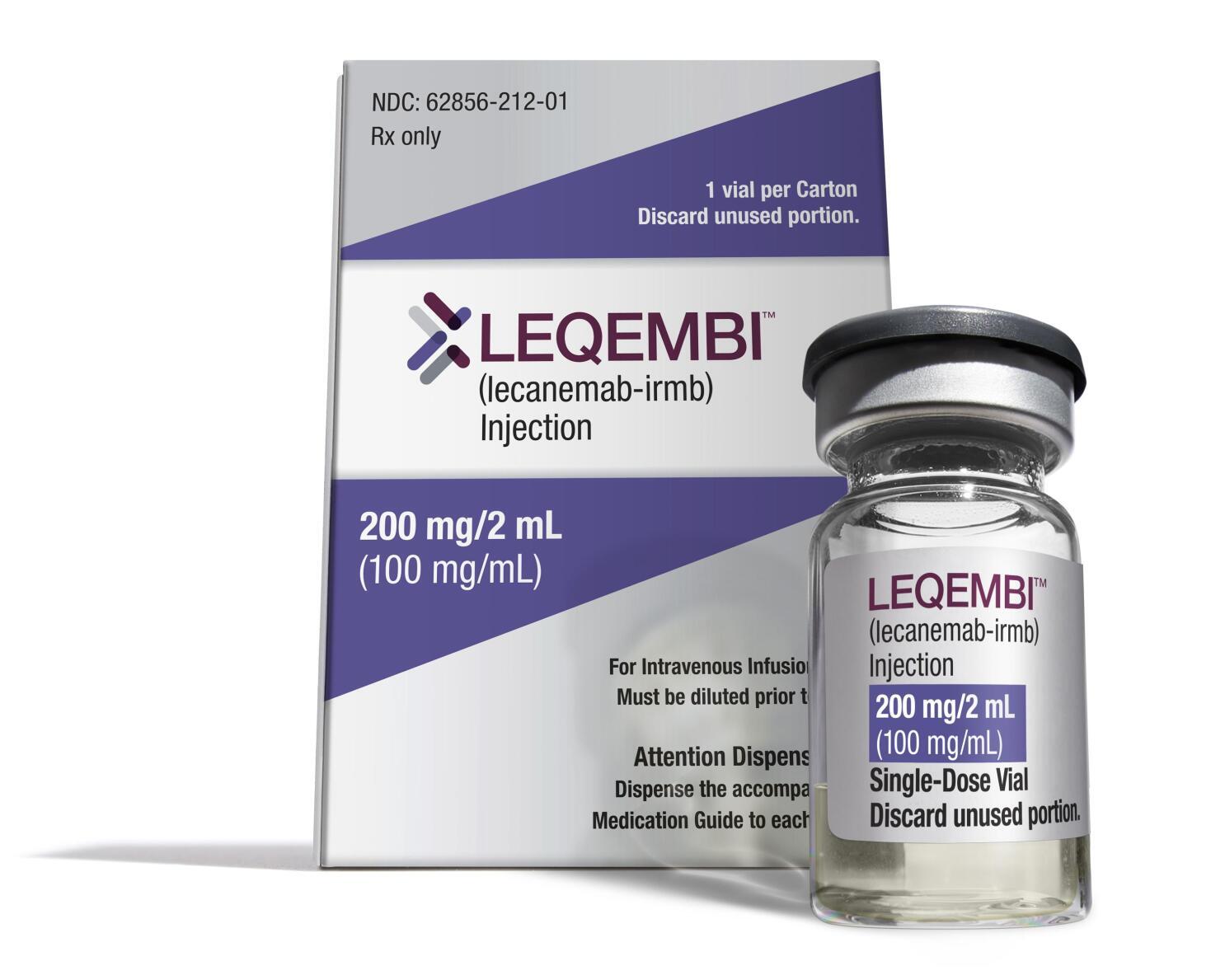
Leqembi: The First Real Victory. Think of Leqembi as a specialized cleaning crew for your brain. It goes after those toxic protein clumps (called amyloid plaques) that are essentially suffocating brain cells. When my colleague’s father started on Leqembi last year, his family noticed he could still participate in conversations at Christmas dinner something they weren’t sure would happen just months before.
Leqembi gets delivered through an IV every two weeks. Yes, it means regular trips to the infusion center, but for many families, it’s a small price to pay for more quality time together.
Kisunla: Another Weapon in Our Arsenal. Kisunla works similarly to Leqembi, but some people respond better to one than the other. Having options means doctors can tailor treatment to what works best for each person. It’s also given through IV, but the scheduling might be different.
Here’s what’s important to understand: both of these medications work best when started early. If your loved one is in the mild cognitive impairment stage or early dementia, these treatments can potentially slow down the progression by about 20-35%. That could mean months or even years of maintaining independence, recognizing family members, and enjoying meaningful moments.
You can read this blog also :- Unveiling the Enigma of Ulcerative Colitis: A Deep Dive into the Chronic Gut Puzzle
Don’t Forget the Tried-and-True Options
While everyone’s talking about the new drugs, the older medications still have their place:
- Memory enhancers like Aricept, Exelon, and Razadyne help the brain use what it has more efficiently
- Memantine can help with the more challenging behaviors that come with moderate to severe stages
- These might not slow the disease, but they can make daily life more manageable for everyone
What’s Coming: Reasons to Stay Hopeful
The research pipeline is absolutely buzzing with activity. Scientists are testing 182 different treatments right now – that’s more than we’ve ever seen before. Here’s what has me most excited:
Treatments That Think Outside the Box
The Diabetes Drug That Might Prevent Alzheimer’s. You know those weight-loss drugs everyone’s talking about – Ozempic and Wegovy? Researchers are testing whether they might actually prevent Alzheimer’s disease. The results won’t be in until later this year, but early signs are promising. Imagine if something that helps with diabetes could also protect your brain.
Going After Different Targets: Scientists aren’t just focused on amyloid anymore. They’re looking at inflammation in the brain, protecting the connections between brain cells, and even fixing sleep problems that might contribute to Alzheimer. It’s like attacking the problem from every angle.
Making Treatment Easier: Remember how I mentioned those IV infusions? Companies are working on shots you could give yourself at home, pills you could take, and other ways to make treatment less disruptive to daily life.
The Most Exciting Candidate: Tau Treatments
There’s a drug called posdinemab that targets tau tangles – another type of protein mess in the brain. The FDA is fast-tracking its review, which means they think it’s really promising. Having treatments that go after both amyloid and tau could be a powerful one-two punch.
Real Talk: What Families Need to Know
The Early Bird Gets the Worm
I can’t stress this enough: these new treatments work best when started early. If someone you love is having memory problems, don’t wait. Get them to a neurologist or memory specialist for proper testing. The earlier you catch this Alzheimer disease, the more we can do about it.
It’s Not All Smooth Sailing
Let’s be honest – these treatments aren’t perfect. They require regular brain scans to watch for swelling or bleeding, which happens in some people. The IV infusions take time out of your day every couple of weeks. And they’re expensive, though most insurance plans are starting to cover them.
But here’s what one daughter told me: “Even if Mom only gets one more good year, it’s worth it. That’s one more birthday, one more Christmas, one more chance to tell her I love her while she still knows who I am.”
Managing Expectations
These aren’t miracle cures. Your loved one won’t suddenly get better or return to their old self. But they might decline more slowly. They might maintain their independence a bit longer. They might recognize you for a few more months. For families dealing with Alzheimer’s, that can mean everything.
What This Means for Your Family Today
If Your Loved One is in the Early Stages
Talk to their doctor about whether Leqembi or Kisunla might be right for them. Get the proper tests done – you’ll need brain scans and sometimes spinal fluid tests to confirm they’re good candidates. Start the conversation now, because the earlier you begin treatment, the better.
If They’re in Later Stages
Don’t lose hope. While the newest treatments work best early on, the traditional Alzheimer’s Medications can still help with symptoms. And with all the research happening, there might be options specifically for later-stage disease in the coming years.
If You’re Worried About Yourself
Consider genetic testing and regular cognitive assessments. Some of the treatments being studied might work as a prevention for people at high risk. The more we learn about your brain health now, the better we can protect it.
The Bottom Line: Hope is Real
I’ve been working with Alzheimer families for years, and I’ve never been more optimistic. Yes, we still have a long way to go. Yes, this disease is still devastating. But for the first time, I can look families in the eye and say: “We have real weapons to fight this.”
The next few years are going to bring even more options. Treatments that are easier to take, work better, and maybe even prevent the Alzheimer disease entirely. We’re not there yet, but we’re closer than we’ve ever been.
If Alzheimer’s has entered your world, know that you’re not fighting this battle alone. There are treatments available today that can help, and there’s a whole army of researchers working around the clock to bring you even better options tomorrow.
The landscape has changed. Hope is real. And for the first time in a long time, the future looks brighter.