
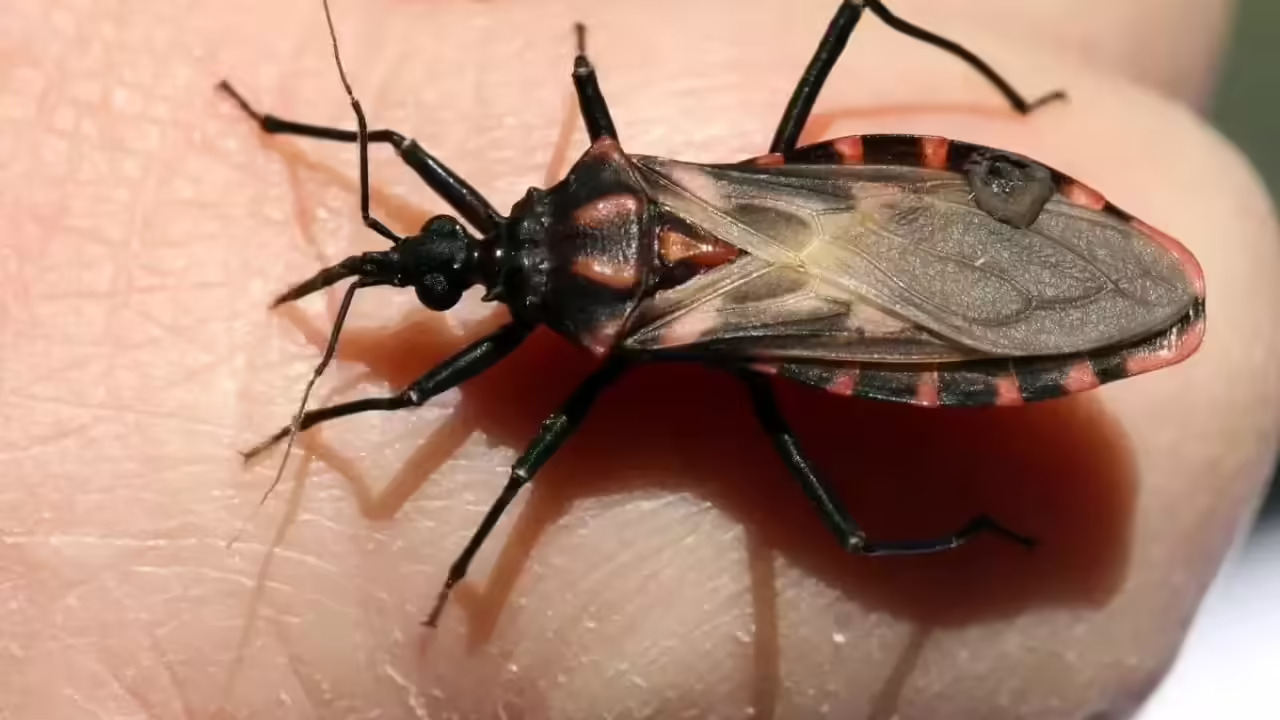
You might not have heard of Chagas disease before, but health experts are increasingly concerned about this condition that’s been quietly spreading across the United States. Often called the “kissing bug” disease, it’s transmitted by insects that have earned their nickname from their tendency to bite people around the mouth and eyes while they sleep.
The CDC warns that Chagas disease, a potentially deadly illness, is now being reported more often in the United States. What’s even more concerning is that an estimated 280,000 people in the U.S. have Chagas disease, often without knowing it.
What Exactly Is Chagas Disease?
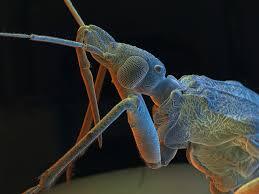
Chagas disease is caused by a parasite called Trypanosoma cruzi, which is transmitted through the bite of infected triatomine insects, commonly known as “kissing bugs.” Also called American trypanosomiasis, Chagas disease can infect anyone, and without treatment, it can lead to serious, life-threatening complications.
The disease isn’t new; it’s been a major health concern in Central and South America for decades. However, rarely, Chagas disease has been found in the southern United States, and recent research suggests this is changing rapidly.
The Alarming Spread Across America
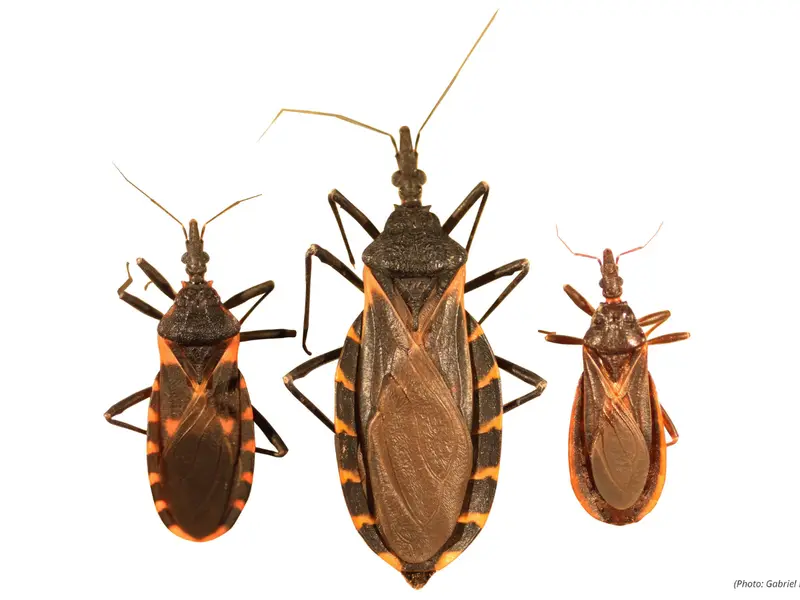
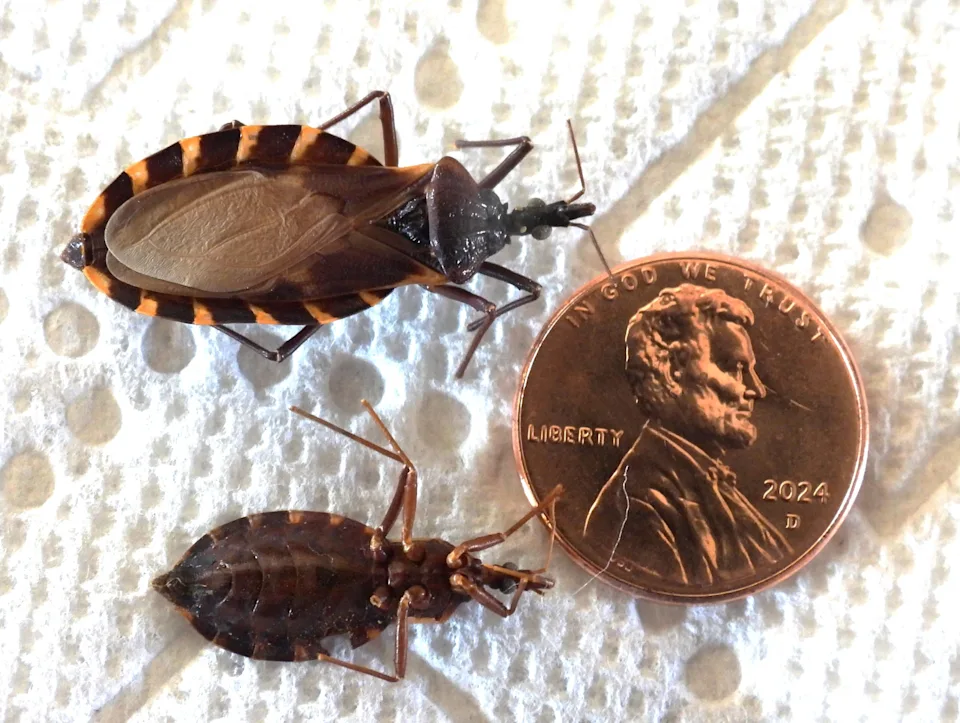
Recent CDC findings suggest that Chagas disease might already be endemic in parts of the United States. Cases of Chagas disease in humans have been reported in several U.S. states, including California, Arizona, Texas, Tennessee, Louisiana, Missouri, Mississippi, and Arkansas. But the reach extends even further; 18 states also had animal cases, while 12 more states had triatomines infected with Trypanosoma cruzi.
Tests show that the insects found in Los Angeles are unlikely to carry the parasite that causes Chagas disease. However, kissing bugs in Texas have been found to carry T. cruzi. cruzi parasite, highlighting how the risk varies significantly by location.
Why Are “Kissing Bugs” So Concerning?
They got their creepy nickname from the way they feed. Kissing bugs are known to bite human faces, typically around the mouth and eyes, usually while people are sleeping. They’re attracted to carbon dioxide and warmth, making sleeping humans ideal targets.
What makes this particularly troubling is that people often don’t realize they’ve been bitten. The bugs are most active at night, and their bites are typically painless initially. Infection doesn’t occur from the bite itself, but when the bug defecates near the wound and the parasite enters through the skin or mucous membranes.
Recognizing the Symptoms
Chagas disease progresses through two phases, and understanding both is crucial for early detection:
Acute Phase
Shortly after infection, people may develop fever, eyelid swelling (especially if bitten near the eye), and fatigue. Many people experience mild symptoms that can easily be mistaken for the flu, which is why the disease often goes undiagnosed.
Chronic Phase
This is where Chagas becomes truly dangerous. If left untreated, Chagas disease can lead to serious heart and digestive problems. Years or even decades after the initial infection, the parasite can damage the heart muscle, leading to heart failure, irregular heartbeats, and even sudden death. It can also affect the digestive system, causing problems with swallowing and bowel movements.
The Hidden Danger: Pets as Carriers
Here’s something many people don’t know: Pets can be carriers of the disease. Dogs and cats can become infected with the same parasite, and while they don’t directly transmit it to humans, infected pets can indicate that kissing bugs are present in the area.
How the Disease Spreads (and How It Doesn’t)
It’s important to understand that the illness doesn’t spread through casual contact and is not passed person to person like a common cold. The primary ways people become infected include:
- Bites from infected kissing bugs
- Blood transfusions from infected donors (now rare due to screening)
- Organ transplants from infected donors
- From mother to baby during pregnancy or childbirth
- Consuming food or drinks contaminated with the parasite
Protecting Yourself and Your Family
The good news is that there are practical steps you can take to lower your risk:
Around Your Home:
- Seal any cracks and gaps around windows, doors, and walls.
- Keep outdoor lights off when possible (they attract the bugs)
- Remove brush piles and rock piles near your house
- Keep pet sleeping areas clean and inspect them regularly
When Traveling:
- Avoid sleeping in mud, adobe, or thatch houses in areas where Chagas disease is common.
- Use bed nets when staying in rural areas
- Be cautious about consuming fresh fruit juices in endemic regions
For Pet Owners:
- Have your pets checked by a veterinarian if you live in affected areas
- Keep pet food indoors
- Regularly inspect your pets for signs of bugs or bites
The Path Forward
While the spread of Chagas disease in the United States is concerning, increased awareness is the first step toward better prevention and treatment. Avoid sleeping in mud, adobe, or thatch houses in regions where Chagas disease is prevalent. cruzi infection and Chagas disease in June 2024, showing that health authorities are taking this threat seriously.
Early detection and treatment can prevent the serious complications associated with chronic Chagas disease. If you live in an affected area and experience unexplained fever, fatigue, or swelling, especially after potential exposure to kissing bugs, don’t hesitate to consult your healthcare provider.
The Bottom Line
Chagas disease represents an emerging health challenge in the United States, but knowledge is power. By understanding the risks, recognizing the symptoms, and taking appropriate precautions, we can protect ourselves and our families from this “kissing bug” disease.
The key is staying informed and vigilant, especially if you live in or travel to areas where kissing bugs are known to be present. While the disease is serious, it’s also preventable and treatable when caught early.
Remember, this isn’t about panic; it’s about preparedness. By taking simple precautions and staying aware of the symptoms, you can significantly reduce your risk while health authorities work to better understand and combat this emerging threat.
If you suspect you may have been exposed to Chagas disease or have symptoms consistent with the infection, consult your healthcare provider immediately. Early diagnosis and treatment can prevent serious complications.