

Serena Williams, a name synonymous with athletic excellence, has once again captured the world’s attention, not for her 23 Grand Slam titles or her iconic tennis career, but for her candid and inspiring health journey in 2025. The retired tennis legend, now 43, recently revealed in an exclusive interview with People magazine that she lost 31 pounds with the help of a GLP-1 medication, a decision that has transformed her physical and mental well-being. “I feel great,” she shared. “I feel really good and healthy. I feel light physically and light mentally.” This milestone, achieved after years of struggling with postpartum weight loss, underscores Serena’s resilience and determination, qualities that defined her on the court and now shape her approach to health. we’ll explore Serena Williams journey, the science behind GLP-1 medications, her efforts to destigmatize their use, and how her story offers valuable lessons for anyone navigating their own wellness path.
Serena’s Postpartum Struggles: A Relatable Challenge

Serena Williams has always been a beacon of strength, but even the most formidable athletes face challenges that test their resolve. After giving birth to her first daughter, Alexis Olympia, in 2017, Serena Williams encountered a hurdle she hadn’t anticipated: difficulty losing weight despite her rigorous athletic background. “This all started after I had my first kid,” she told TODAY. “As a woman, you go through different cycles in your life. No matter what I did—running, walking, I would walk for hours because they say that’s good, I literally was playing a professional sport—and I could never go back to where I needed to be for my health.”
The birth of her second daughter, Adira River, in August 2023, intensified these challenges. Serena Williams, who retired from professional tennis in 2022 after a 27-year career, found that her body responded differently postpartum. “I never was able to get to the weight I needed to be, no matter what I did, no matter how much I trained,” she explained to People. “It was crazy because I’d never been in a place like that in my life where I worked so hard, ate so healthy and could never get down to where I needed to be at.”
This struggle is relatable to many women, particularly mothers, who face hormonal and physical changes after childbirth. Serena’s openness about her experience highlights a universal truth: even those who have mastered discipline in one area of life can find themselves grappling with new obstacles. Her journey underscores the importance of adaptability and seeking solutions that align with one’s unique needs.
You can read this blog also :- Danielle Spencer, ‘What’s Happening!!’ Star and Veterinarian, Dies at 60 After Cancer Battle
Turning to GLP-1 Medication: A Thoughtful Decision
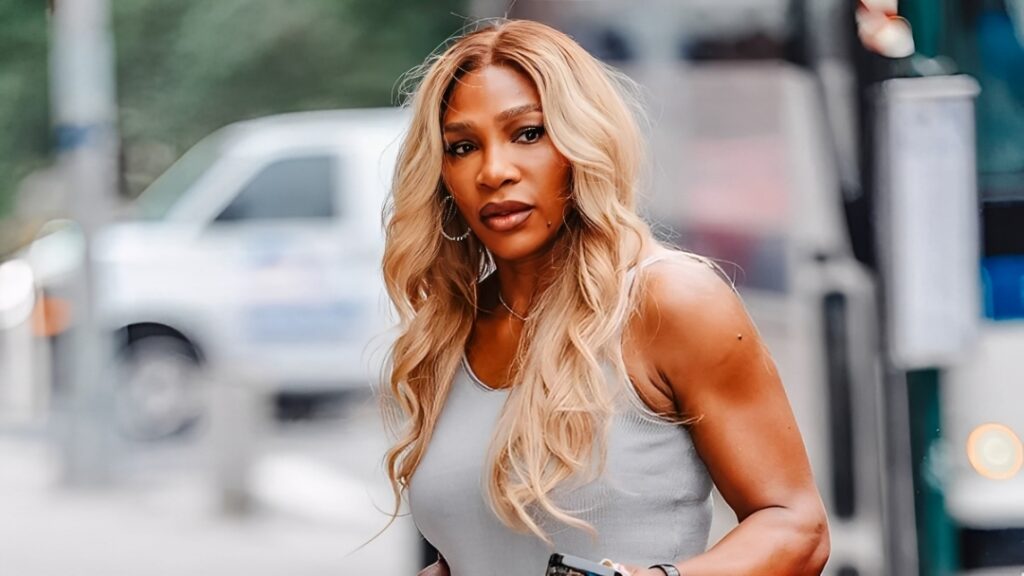
After exhausting traditional methods—diet, exercise, and even playing professional tennis Serena Williams made the decision to explore GLP-1 medications, specifically through Ro, a direct-to-patient healthcare company. GLP-1 receptor agonists, such as Ozempic, Wegovy, Mounjaro, and Zepbound, mimic the glucagon-like peptide-1 hormone, which regulates appetite and blood sugar. These medications reduce hunger, promote feelings of fullness, and slow stomach emptying, making them effective for weight loss and diabetes management.
Serena Williams’s decision was not made lightly. As someone who prided herself on never taking shortcuts during her athletic career, she initially questioned whether GLP-1 medications were a “shortcut.” “I did a lot of research on it. I was like, ‘Is this a shortcut? What are the benefits? What are not the benefits?’ I really wanted to dive into it before I just did it,” she told People. She began weekly injections in early 2024, about six months after Adira’s birth and after she stopped breastfeeding, initially using the medication intermittently before committing fully.
The results were transformative. Serena Williams lost 31 pounds over the course of a year, a milestone she credits to the medication enhancing her existing healthy lifestyle. “I was on and off (the medication) and now completely on,” she told TODAY. “It was a really good decision I had to make for my life, you know, I tried everything.” Her partnership with Ro, where she serves as a paid spokesperson (and her husband, Alexis Ohanian, is an investor and board member), has allowed her to share her story while advocating for accessible healthcare solutions.
The Science Behind GLP-1 Medications
To understand Serena Williams success, it’s worth diving into how GLP-1 medications work. Glucagon-like peptide-1 receptor agonists are a class of drugs initially developed to treat Type 2 diabetes but have gained popularity for their weight-loss benefits. These medications mimic the GLP-1 hormone, which is naturally produced in the gut after eating. By signaling fullness to the brain, reducing appetite, and slowing digestion, GLP-1 drugs help individuals consume fewer calories while feeling satisfied. They also trigger insulin release, which helps regulate blood sugar, making them particularly beneficial for those with diabetes or prediabetes.
Popular GLP-1 medications include:
- Ozempic and Wegovy (semaglutide), approved for diabetes and weight loss, respectively.
- Mounjaro (tirzepatide), used for both conditions.
- Zepbound, which Serena Williams has confirmed using, designed specifically for weight management.
According to Ro, when paired with a healthy diet and lifestyle changes, GLP-1 medications can lead to an average weight loss of 20% in non-diabetics with obesity or overweight conditions, compared to just 3.1% with diet and exercise alone. Serena Williams 31-pound loss aligns with these outcomes, reflecting the medication’s efficacy when combined with her disciplined approach to fitness and nutrition.
However, GLP-1 medications are not without challenges. Common side effects include gastrointestinal issues like nausea, which some patients experience as their bodies adjust. More serious risks, such as thyroid tumors, are noted for those with specific medical histories, like medullary thyroid carcinoma (MTC) or multiple endocrine neoplasia syndrome type 2 (MEN 2). Serena Williams, however, reported no side effects, stating, “I understand that there are lots of side effects, I just didn’t have any.”
Destigmatizing Weight-Loss Medication
One of Serena’s primary motivations for sharing her journey is to combat the stigma surrounding GLP-1 medications. Critics often label these drugs as an “easy way out” or a tool for “lazy” individuals, a narrative Serena Williams firmly rejects. “If you’re on GLP-1s too, don’t let anybody tell you it’s the ‘easy way out.’ You’re not taking a shortcut, you’re taking care of yourself, and that takes courage,” she said in a CBS News interview.
Serena Williams’s transparency is particularly powerful given her athletic background. “As an athlete and as someone that has done everything, I just couldn’t get my weight to where I needed to be at a healthy place, and believe me, I don’t take shortcuts,” she emphasized on TODAY. Her story challenges the notion that weight loss is solely a matter of willpower, highlighting biological factors like hormonal changes and postpartum recovery that can make traditional methods insufficient.
By partnering with Ro, Serena Williams launched a campaign to normalize GLP-1 use, emphasizing that it’s “science” rather than a cheat. She’s not alone in this mission—celebrities like Oprah Winfrey, Charles Barkley, and Meghan Trainor have also spoken openly about their experiences with weight-loss medications, contributing to a broader conversation about their legitimacy. Serena Williams’s advocacy is particularly impactful for women, especially mothers, who may feel judged for seeking medical support to achieve their health goals.
Health Benefits Beyond the Scale
Serena Williams weight loss has brought tangible health improvements. At a recent doctor’s visit, she learned her blood sugar levels had normalized, a significant milestone given the increased risk of diabetes among African Americans, a point she highlighted in her TODAY interview. She also noted that her joints, particularly her knees, felt “lighter” and less strained, allowing her to be more active. “I just can do more. I’m more active. My joints don’t hurt as much,” she told People.
These benefits align with the broader effects of GLP-1 medications. Beyond weight loss, drugs like Wegovy are approved to reduce the risk of heart attack and stroke in adults with heart disease who are overweight or obese. For Serena Williams, the medication has helped her reclaim a sense of normalcy. “I just feel normal again,” she told NBC News. “It feels really good.”
Balancing Medication with Lifestyle
Serena is quick to clarify that GLP-1 medication is not a standalone solution. Her success stems from combining the drug with her existing commitment to fitness and healthy eating. Known for sharing gym selfies on Instagram, Serena Williams continues to train rigorously, even preparing for a half-marathon in 2025. Her diet, which she describes as carb-heavy with a focus on beans for protein, reflects her flexibility—she’s been vegan and vegetarian in the past but now identifies as “somewhere in the middle.”
This holistic approach is critical, as GLP-1 medications are most effective when paired with lifestyle changes. Ro emphasizes that providers work with patients to tailor treatment plans, ensuring diet and exercise complement the medication’s effects. Serena Williams story reinforces that GLP-1 drugs enhance, rather than replace, the hard work of maintaining a healthy lifestyle.
Addressing Public Scrutiny and Body Positivity
Serena’s weight loss journey hasn’t been without public scrutiny. In July 2025, her gym selfies showcasing a toned physique sparked speculation about Ozempic use, with some fans commenting, “Doesn’t even look like Serena anymore.” She addressed these concerns head-on, emphasizing that her decision was about health, not aesthetics. “I’ve never felt that pressure to maintain a certain appearance,” she told People. “I always felt comfortable at any size, whether I was a lot heavier or not.”
As a mother of two, Serena is also committed to teaching her daughters, Olympia (7) and Adira (1), about body positivity. “With me going through what I’ve went through growing up in public and just having millions of people commenting on my body, it’s really important to teach them to be confident at any size,” she shared. Her message is clear: weight loss should align with personal comfort and health, not societal expectations.
The Broader Context: GLP-1 Medications in 2025
Serena’s story comes at a time when GLP-1 medications are increasingly mainstream. A 2024 KFF poll found that 1 in 8 adults have used these drugs, reflecting their growing popularity. However, controversies persist, including concerns about side effects, accessibility, and the stigma Serena aims to dismantle. Some celebrities, like Kendra Wilkinson, have cited “horror stories” of adverse effects, while others, like Rosie O’Donnell, praise medications like Mounjaro for their transformative impact.
Access remains a challenge, with hurdles like BMI requirements, finding licensed providers, and covering out-of-pocket costs if insurance doesn’t apply. Ro’s telehealth model, which Serena promotes, aims to simplify this process by offering consultations and insurance checks.
Lessons from Serena’s Journey
Serena Williams’ 2025 health journey offers several takeaways for anyone pursuing wellness:
- Embrace Adaptability: Even the most disciplined individuals may need new tools to achieve their goals. Serena’s willingness to try GLP-1 medication after traditional methods failed shows the power of adaptability.
- Challenge Stigma: By sharing her story, Serena encourages others to view medical interventions as valid, not shameful.
- Prioritize Health Over Aesthetics: Her focus on joint health and blood sugar levels highlights that wellness is about feeling good, not just looking a certain way.
- Combine Approaches: Medication, exercise, and diet work best together, as Serena’s holistic approach demonstrates.
- Advocate for Yourself: Researching options and consulting professionals, as Serena did, empowers informed decision-making.
Conclusion
Serena Williams’ 2025 weight loss triumph—losing 31 pounds with the help of GLP-1 medication—reflects her enduring strength and openness. Her journey from postpartum struggles to feeling “light physically and mentally” is a testament to her resilience and commitment to health. By partnering with Ro and speaking candidly, she’s not only transforming her own life but also inspiring others to embrace science-backed solutions without shame. Serena’s story reminds us that health is personal, multifaceted, and achievable with the right tools and mindset. As she continues to shine—whether in a bright yellow swimsuit on Instagram or as a trailblazer in wellness advocacy—Serena Williams proves she’s still a champion, on and off the court.
1 thought on “Serena Williams’ 2025 Weight Loss Triumph: Sheds 31 Pounds with GLP-1 Medication, Feels ‘Great’”