
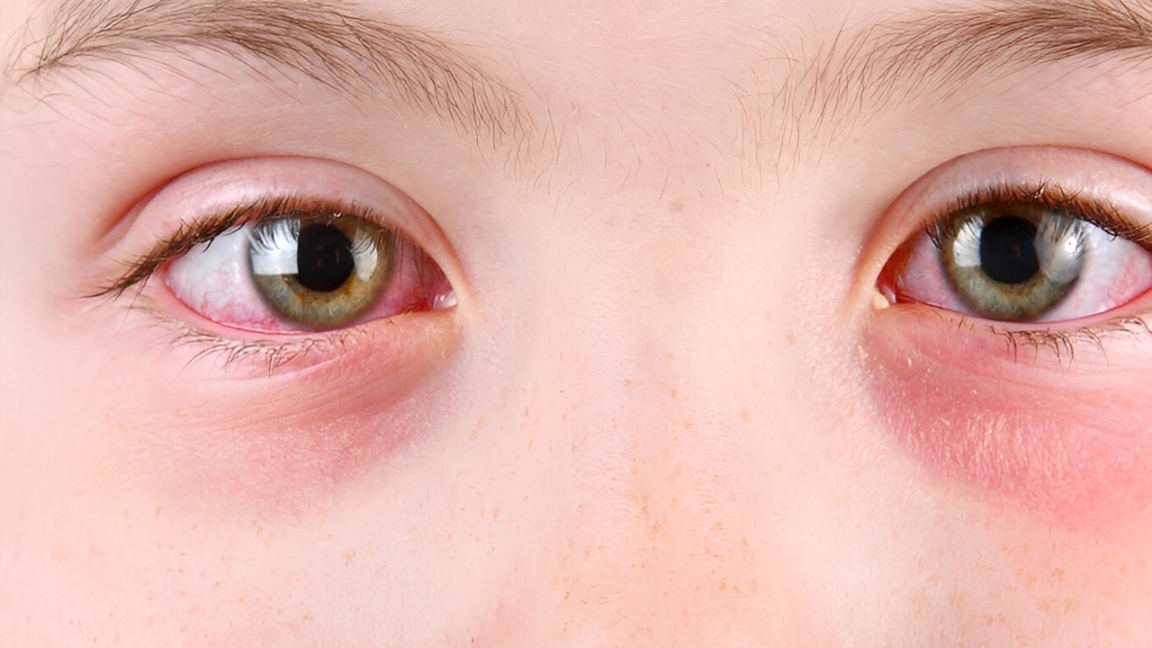
Waking up with red, itchy, or watery eyes can be concerning, especially when you’re not sure what’s causing the discomfort. Whether you’re dealing with pink eye, general eye irritation, or simply want to maintain optimal eye health, understanding your options for treatment and prevention is crucial. In this comprehensive guide, we’ll explore everything you need to know about eye, the role of eye vitamins in maintaining healthy vision, and how to choose the right eye drops for various types of irritation.
Understanding Pink Eye: More Than Just Red Eyes
Pink eye, medically known as conjunctivitis, is one of the most common eye conditions affecting millions of people worldwide. This inflammation of the conjunctiva – the thin, transparent layer covering the white part of your eye and the inside of your eyelids- can make your eyes appear pink or red, hence the name.
eye can be caused by different factors, and each type needs a different approach. The most common one is viral pink eye, often triggered by the same viruses that cause the common cold. This type of pink eye is highly contagious but usually resolves on its own within 7-10 days. Bacterial eye, while less common, requires antibiotic treatment and can cause more severe symptoms, including thick, yellow-green discharge.
Allergic pink eye differs significantly from infectious forms. It’s triggered by allergens like pollen, dust mites, or pet dander, and isn’t contagious. This type of pink eye often occurs alongside other allergy symptoms like sneezing and a runny nose. Finally, irritant eye results from exposure to chemicals, smoke, or other irritating substances.
Spotting pink symptoms early makes it easier to get the right treatment and stop it from spreading to others. Common signs include redness in one or both eyes, increased tear production, thick discharge that may crust over eyelashes, itching or burning sensations, and sensitivity to light.
You can read this blog also :- https://purewelltips.com/detect-breast-cancer/
The Role of Eye Vitamins in Preventing Pink Eye and Supporting Eye Health
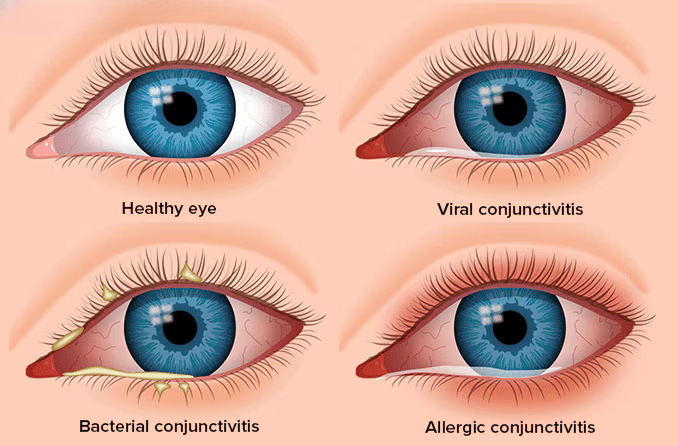
While vitamins can’t cure pink eye once it develops, maintaining proper nutrition plays a vital role in supporting your immune system and overall eye health, potentially reducing your risk of developing various eye conditions, including pink eye.
Vitamin A stands as one of the most crucial nutrients for eye health. This vitamin helps maintain the cornea and is essential for good vision, particularly in low-light conditions. Foods rich in vitamin A include carrots, sweet potatoes, spinach, and fish. Vitamin A deficiency can cause dry eyes, night blindness, and a higher risk of eye infections.
Vitamin C acts as a powerful antioxidant that supports the immune system and may help reduce the severity and duration of viral infections that can lead to pink’s eye. Foods like citrus fruits, berries, bell peppers, and broccoli are packed with vitamin C, giving your immune system a natural boost. This vitamin also helps maintain healthy blood vessels in the eyes and may reduce the risk of age-related eye problems.
Vitamin E works alongside vitamin C as an antioxidant, protecting eye cells from damage caused by free radicals. Vitamin E is found in abundance in nuts, seeds, and vegetable oils. Getting enough of it may help lower the risk of cataracts and age-related macular degeneration, according to some studies.
The B-complex vitamins, particularly B6, B12, and folate, play important roles in nerve function and may help reduce inflammation throughout the body, including in the eyes. These vitamins are found in whole grains, lean meats, eggs, and leafy green vegetables.
Omega-3 fatty acids, while not technically vitamins, deserve mention for their significant impact on eye health. These healthy fats help maintain the oil layer of tears, reducing dry eye symptoms and potentially lowering the risk of pink eye caused by dry, irritated eyes.
Choosing the Right Eye Drops for Different Types of Irritation
When dealing with eye irritation, whether from pink eye or other causes, selecting appropriate eye drops can provide significant relief. However, not all eye drops are created equal, and using the wrong type can sometimes worsen your condition.
For viral pink eye, using artificial tears or lubricating eye drops can help relieve discomfort by keeping the eyes moist and flushing out irritants. These drops don’t cure the infection, but can make you more comfortable while your immune system fights off the virus. Look for preservative-free options if you need to use drops frequently, as preservatives can sometimes cause additional irritation.
If it’s bacterial pink eye, your doctor will likely prescribe antibiotic eye drops or ointment to clear up the infection. Over-the-counter drops won’t eliminate the bacterial infection, so it’s essential to see a healthcare provider for proper diagnosis and treatment. Common antibiotic eye drops include erythromycin, ciprofloxacin, and tobramycin.
For allergic pink eye, antihistamine eye drops can provide targeted relief by blocking the allergic reaction that causes symptoms. Some popular over-the-counter options include drops containing ketotifen or olopatadine. These drops work best when used consistently during allergy season rather than just when symptoms occur.
Decongestant eye drops, containing ingredients like tetrahydrozoline or naphazoline, can effectively reduce eye redness but should be used only occasionally to avoid rebound effects. These drops can cause rebound redness if used too frequently, potentially making your pink eye symptoms worse in the long run.
For general eye irritation not related to pink eye, preservative-free artificial tears are often the safest choice. These drops can help with dry eyes, minor irritation from environmental factors, and computer eye strain.
Natural Remedies and Prevention Strategies
While medical treatment is often necessary for pink eye, several natural approaches can support healing and help prevent future occurrences. Warm compresses applied to closed eyes for 10-15 minutes several times daily can help reduce discomfort and clear discharge from bacterial or viral pink eye. For allergic pink eye, cool compresses may provide better relief.
Maintaining good hygiene is crucial for preventing pink eye and avoiding reinfection. Wash your hands frequently, avoid touching your eyes, and don’t share personal items like towels, pillowcases, or eye makeup. If you have pink eye, replace eye makeup and contact lenses to prevent reinfection.
Creating an eye-healthy environment can also reduce your risk of developing pink eye and other eye irritations. Use air purifiers to reduce allergens, maintain proper humidity levels in your home, and protect your eyes from harsh environmental conditions with appropriate eyewear.
When to Seek Professional Help
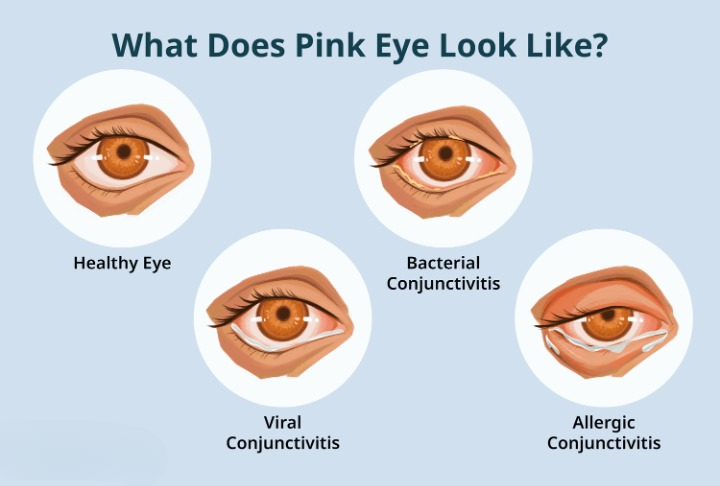
While many cases of pink eye resolve on their own, certain symptoms warrant immediate medical attention. See a healthcare provider if you experience severe eye pain, significant vision changes, intense light sensitivity, or symptoms that worsen despite treatment. Additionally, if you have a compromised immune system or wear contact lenses, it’s best to have any pink eye symptoms evaluated by a professional.
Infants and young children with pink eye should always be examined by a healthcare provider, as they’re at higher risk for complications and may need specialized treatment approaches.
Long-term Eye Health Strategies

Beyond treating acute conditions like pink eye, maintaining long-term eye health requires a comprehensive approach. Regular eye exams can catch problems early, even before symptoms develop. Most adults should have comprehensive eye exams every 1-2 years, or more frequently if recommended by their eye care provider.
Protecting your eyes from UV radiation by wearing sunglasses, maintaining a healthy diet rich in eye-supporting nutrients, staying hydrated, and taking regular breaks from screen time all contribute to better eye health and may reduce your risk of developing various eye conditions, including pink eye.
Taking Action for Better Eye Health
Your eyes are precious, and taking proactive steps to protect them pays dividends throughout your life. Whether you’re currently dealing with pink eye, want to prevent future eye problems, or simply maintain optimal eye health, the right combination of proper nutrition, appropriate eye drops, and good hygiene practices can make a significant difference.
Ready to take control of your eye health? Schedule a comprehensive eye exam with a qualified eye care professional today. Don’t wait for symptoms to worsen; early intervention and prevention are your best strategies for maintaining clear, comfortable vision for years to come. Your eyes deserve the best care possible.