

Taking charge of your health requires courage, especially when it comes to sensitive topics like breast health. The decision to actively detect breast cancer early can be life-saving. Yet, many women postpone or avoid screening altogether due to fear, busy schedules, or simply not knowing where to start. This comprehensive guide will empower you with the knowledge and confidence needed to take those brave steps toward proactive breast health management.
Breast cancer remains one of the most common cancers affecting women worldwide, but here’s the encouraging news: when caught early, the survival rates are remarkably high. The ability to detect breast cancer in its initial stages dramatically improves treatment outcomes and quality of life. Early detection means smaller tumors, less aggressive treatments, and better long-term prognosis.
The statistics speak volumes about the importance of vigilance. When breast cancer is detected before it spreads to nearby lymph nodes, the five-year survival rate exceeds 99%. This powerful statistic should motivate every woman to prioritize regular screening and self-examination practices.
Know Your Risk Factors

Understanding your personal risk factors is the first brave step in developing an effective strategy to detect breast cancer. While some factors cannot be changed, awareness helps you make informed decisions about screening frequency and lifestyle modifications.
Unchangeable Risk Factors:
- Age (risk increases after 50)
- Family history of breast or ovarian cancer
- Genetic mutations (BRCA1 and BRCA2)
- Personal history of breast cancer
- Dense breast tissue
- Previous radiation therapy to the chest
Modifiable Risk Factors:
- Maintaining a healthy weight
- Regular physical activity
- Limiting alcohol consumption
- Avoiding unnecessary hormone replacement therapy
- Breastfeeding when possible
Recognizing these factors doesn’t mean you will develop breast cancer, but it helps you and your healthcare provider create a personalized screening plan to effectively detect breast cancer should it occur.
You can read this blog also :- https://purewelltips.com/alzheimer-symptoms/
The Power of Self-Examination
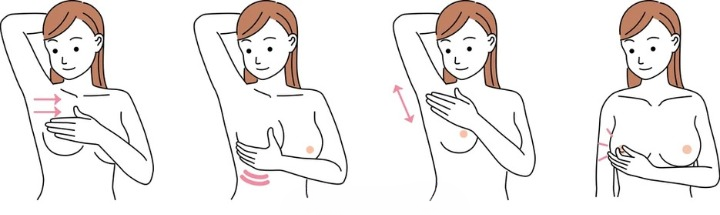
Monthly breast self-examinations represent one of the most accessible ways to detect breast cancer early. By practicing this regularly, you become more familiar with how your breasts normally look and feel, making it easier to spot any unusual changes.
How to Perform a Breast Self-Exam:
Start by standing in front of a mirror with your shoulders straight and arms on your hips. Look for any changes in size, shape, or color of your breasts. Check for dimpling, puckering, or changes in nipple position.
Next, raise your arms overhead and look for the same changes. While lying down, use your opposite hand to check each breast, right hand for your left breast, and left hand for your right. Use the pads of your three middle fingers, moving in small circular motions with varying pressure levels. Cover the entire breast area from your collarbone to your abdomen, and from your armpit to your cleavage.
Remember, the goal isn’t to diagnose but to detect breast cancer warning signs that warrant professional evaluation. For an effective breast self-exam, lie down and use your opposite hand to check each breast, your right hand for the left breast, and your left hand for the right. This method supports better breast health awareness.
Professional Screening Methods
While self-examinations are valuable, professional screening methods remain the gold standard for detecting breast cancer accurately. These methods use advanced technology and expert interpretation to identify potential issues that might not be apparent through self-examination alone.
Mammography: Regular mammograms are currently the most effective screening tool to detect breast cancer early. These low-dose X-ray examinations can identify tumors years before they become palpable. Most healthcare organizations recommend annual mammograms beginning at age 40, though guidelines may vary based on individual risk factors.
Modern mammography technology has significantly improved, with digital mammograms providing clearer images and reduced radiation exposure. 3D mammography, also known as tomosynthesis, offers even better accuracy in detecting cancers, particularly in women with dense breast tissue.
Clinical Breast Examinations: Healthcare providers perform clinical breast examinations during routine check-ups, using their trained expertise to detect breast cancer signs that you might miss. These examinations complement your self-examinations and provide professional assessment of any concerns you may have noticed.
Ultrasound and MRI: For women at high risk or those with suspicious findings on mammograms, additional imaging may be recommended. Breast ultrasound can help differentiate between solid masses and fluid-filled cysts, while MRI provides detailed images that can detect breast cancer in challenging cases or monitor high-risk individuals.
Genetic Testing and Counseling

For women with strong family histories of breast or ovarian cancer, genetic testing represents another brave step in the journey to detect breast cancer risk. Testing for BRCA1 and BRCA2 mutations, along with other genetic markers, can provide valuable information about your cancer risk and guide screening recommendations.
Genetic counseling helps you understand test results and make informed decisions about increased surveillance, preventive medications, or even prophylactic surgery in high-risk cases. This knowledge empowers you to work with your healthcare team to develop the most appropriate strategy to detect breast cancer early if it develops.
Lifestyle Modifications for Prevention
While screening helps detect breast cancer after it develops, lifestyle modifications can potentially reduce your risk of developing the disease in the first place. These changes represent proactive steps toward overall health and well-being.
Maintain a Healthy Weight: Excess body weight, particularly after menopause, increases breast cancer risk. Maintaining a balanced diet that includes plenty of fruits, vegetables, whole grains, and lean proteins, while limiting processed foods and added sugars—can support healthy weight management. Stay Physically Active: Regular exercise not only helps with weight management but also independently reduces breast cancer risk. Aim for at least 150 minutes of moderate-intensity activity or 75 minutes of vigorous activity weekly, along with strength training exercises twice per week.
Limit Alcohol Consumption: Even moderate alcohol consumption increases breast cancer risk. If you choose to drink, limit intake to no more than one drink per day, and consider alcohol-free days throughout the week.
Overcoming Barriers to Screening
Many women face barriers that prevent them from taking steps to detect breast cancer early. Recognizing and addressing these obstacles is crucial for maintaining consistent screening practices.
Fear and Anxiety: It’s natural to feel anxious about screening, but remember that the temporary discomfort of mammography pales in comparison to the peace of mind that comes with normal results. If anxiety is overwhelming, discuss relaxation techniques with your healthcare provider or consider bringing a supportive friend to appointments.
Financial Concerns: Many insurance plans cover preventive screening mammograms at no cost to you. For uninsured women, numerous programs provide free or low-cost screening services. Contact your local health department or cancer organizations for resources in your area.
Time Constraints: Schedule screening appointments well in advance and treat them as non-negotiable commitments to your health. Many facilities offer early morning, evening, or weekend appointments to accommodate busy schedules.
Building Your Support Network
The journey to proactively detect breast cancer doesn’t have to be undertaken alone. Building a strong support network enhances your ability to maintain consistent screening practices and provides emotional support when needed.
Share your commitment to breast health with family members and close friends. This transparency can encourage others to prioritize their own screening while creating accountability for your own health practices. Consider joining support groups or online communities focused on breast health advocacy.
Your healthcare team represents the core of your support network. Develop open communication with your primary care physician, gynecologist, and any specialists involved in your care. Don’t hesitate to ask questions, voice concerns, or request clarification about screening recommendations.
Moving Forward with Confidence
Taking brave steps to detect breast cancer early requires ongoing commitment, but the peace of mind and potential life-saving benefits make this effort invaluable. Remember that early detection leads to better outcomes, less invasive treatments, and improved quality of life.
Create a personal breast health plan that includes regular self-examinations, scheduled professional screenings, and lifestyle modifications that support overall health. Keep detailed records of your screenings and any changes you notice, as this information helps healthcare providers make informed decisions about your care.
Most importantly, trust yourself to recognize when something doesn’t feel right and seek professional evaluation promptly. Your intuition about your body, combined with regular screening practices, creates a powerful strategy to detect breast cancer early and maintain optimal breast health throughout your life.
The brave steps you take today to prioritize breast health represent an investment in your future well-being. By staying proactive, informed, and committed to regular screening, you’re taking control of your health journey and demonstrating the courage that can truly make a life-saving difference.