
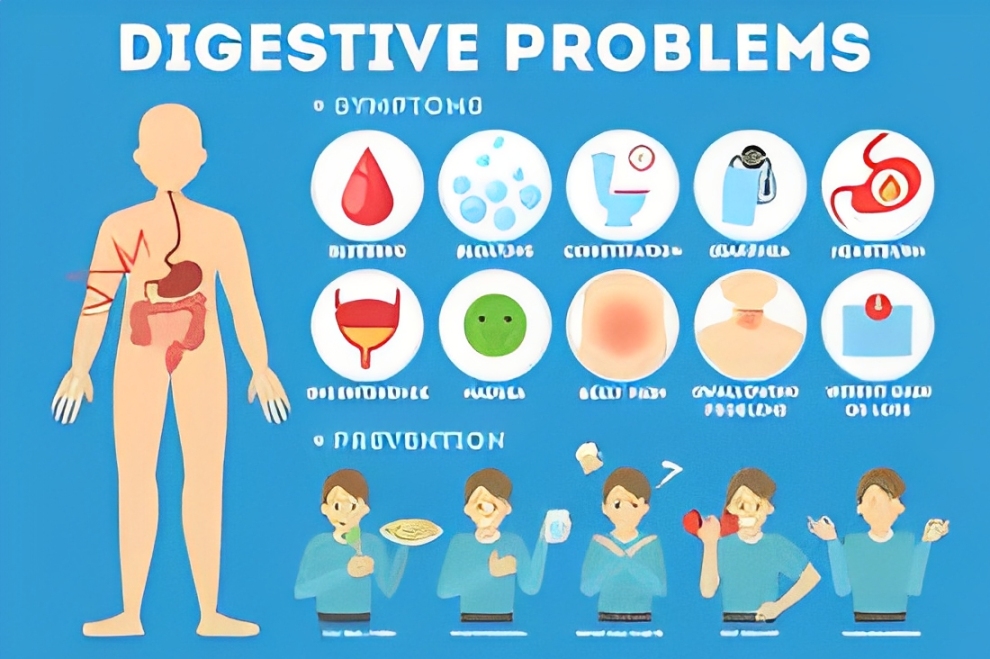
We’ve all been there, that uncomfortable, bloated, or burning feeling after a meal when your stomach seems to rebel against everything you’ve just eaten. Indigestion affects millions of people globally, often turning what should be a joyful, satisfying meal into an uncomfortable and frustrating experience. The good news? You don’t have to live with it. By understanding the root causes of indigestion and knowing which foods support gut health, you can take back control of your digestion and your day.
Whether you’re dealing with occasional discomfort or more chronic symptoms, this guide will walk you through natural remedies, food choices, and lifestyle strategies to ease your digestive system and keep indigestion at bay.
Understanding Indigestion: More Than Just a Stomachache
Indigestion, or dyspepsia, isn’t a single condition but a set of symptoms that occur in the upper abdomen, typically during or after meals. It may present as bloating, nausea, fullness, heartburn, or discomfort in the stomach area. For some people, it’s an occasional annoyance. For others, it’s a near-daily struggle that can impact eating habits, sleep, and even mood.
Symptoms vary; you might feel a burning sensation behind your chest bone, a sharp or dull ache in the stomach, or a prolonged sense of fullness. It can start during a meal or sneak in hours later. And perhaps the most frustrating part? It can seem completely random. One day a meal is fine, the next, it triggers discomfort.
But indigestion is rarely random. It’s usually a signal from your body that something’s out of balance.
You can read this blog also :- https://purewelltips.com/migraine-symptoms/
The Root Causes: Why Does Indigestion Happen?
Understanding what’s triggering your indigestion is key to avoiding it. The digestive system is a finely tuned network, involving the mouth, esophagus, stomach, liver, pancreas, and intestines. When any part of this process is disrupted, symptoms can occur.
Here are the most common culprits:
- Eating too quickly can prevent your stomach from signaling fullness and doesn’t give your saliva and digestive enzymes enough time to begin breaking down food properly.
- Overeating: Overfilling your stomach stretches it, slows digestion, and increases pressure on the stomach valves, leading to discomfort or reflux.
- Stress and anxiety: These reduce the efficiency of digestion by activating the body’s fight-or-flight response, which diverts energy away from the digestive tract.
- Trigger foods: Spicy, fried, greasy, or processed foods are major contributors to indigestion, as are acidic or carbonated drinks.
- Poor timing: Eating too close to bedtime or lying down right after meals can impair digestion and increase symptoms.
Even foods considered healthy may trigger indigestion in some individuals, especially when consumed in large portions or paired poorly.
Foods That Fight Indigestion: Your Digestive Allies
Fortunately, certain foods don’t just avoid triggering indigestion; they actively help prevent and relieve it. Incorporating these into your daily meals can provide natural, lasting relief.
1. Ginger
Ginger is a time-tested digestive powerhouse. It’s been used in traditional medicine for centuries due to its anti-inflammatory and anti-nausea properties. It can help speed up gastric emptying, reducing the risk of food lingering in the stomach and causing indigestion. Try sipping ginger tea after meals, adding fresh slices to stir-fries, or blending it into smoothies.
2. Peppermint
The menthol in peppermint relaxes the muscles of the gastrointestinal tract, making it effective for cramps and bloating. Peppermint tea is soothing after a meal. However, people prone to acid reflux should use it cautiously, as it can relax the lower esophageal sphincter and worsen heartburn-related indigestion.
3. Fennel Seeds
Widely used in Indian and Middle Eastern cuisines, fennel seeds help relax the gastrointestinal tract and ease gas and bloating. Chew a teaspoon of fennel seeds after meals, or steep them in hot water to make a calming tea.
4. Bananas
Bananas are easy on the stomach and naturally alkaline, making them ideal for neutralizing stomach acid. Their fiber content also helps promote regularity and support beneficial gut bacteria, reducing the likelihood of indigestion from sluggish digestion.
Probiotic Powerhouses for Indigestion Prevention
A balanced gut microbiome plays a crucial role in supporting smooth and efficient digestion. Probiotics, beneficial bacteria, help balance your gut flora and reduce inflammation that contributes to indigestion.
1. Yogurt
Plain yogurt with live cultures aids digestion and soothes inflammation. It’s especially helpful for lactose digestion and reducing overall gut sensitivity.
2. Kefir
This fermented milk drink is rich in probiotics and easier to digest than regular dairy. It introduces a broader range of bacteria than yogurt and may be better tolerated by those with sensitive stomachs or recurring indigestion.
3. Sauerkraut & Fermented Veggies
These foods are packed with natural probiotics and enzymes that enhance digestion. Just a small serving alongside your meal can make a big difference.
Soothing Herbs and Spices: Nature’s Medicine for Indigestion
1. Turmeric
This bright yellow spice contains curcumin, a powerful anti-inflammatory compound that supports the stomach lining and helps regulate acid levels. Add turmeric to soups, stews, or drink it as a turmeric latte.
2. Chamomile
A known calming herb, chamomile helps relax digestive muscles and relieve symptoms of indigestion. Chamomile tea before bed can also help with stress-related digestive issues.
3. Cumin, Coriander, and Cardamom
These traditional spices improve enzyme production and reduce gas. Try including them in meals or brewing them into digestive teas.
Hydration and Timing: Overlooked Yet Crucial for Indigestion Relief
Drinking water helps digestion, but when you drink matters. Drinking large amounts of water during meals can dilute stomach acid and digestive enzymes, potentially leading to indigestion. It’s better to stay hydrated by drinking between meals instead.
Other simple timing tips:
- This allows digestion to begin in the mouth, making it easier for your body to break down food.
- Avoid lying down right away; remain seated or standing for at least 1 to 2 hours to aid proper digestion.
- Finish dinner at least 3 hours before bedtime to give your body time to digest.
Also, consider eating smaller, more frequent meals instead of two or three large ones. This reduces the strain on your digestive system.
Building an Anti-Indigestion Meal Plan
Creating a stomach-friendly menu isn’t about restriction; it’s about smarter combinations.
- Lean proteins like grilled chicken, turkey, tofu, or lentils are easier on digestion.
- Cooked vegetables (like zucchini, carrots, or spinach) are gentler than raw ones and often better tolerated during bouts of indigestion.
- Healthy fats from avocado, olive oil, and seeds can support nutrient absorption without overloading your system, just keep portions moderate.
- Whole grains such as oatmeal, brown rice, or quinoa offer fiber that supports gut health.
Planning meals mindfully reduces digestive overload and supports long-term wellness.
Lifestyle Modifications: Beyond Food
What, how, and when you eat all matter, but indigestion is also heavily influenced by lifestyle.
- Create a peaceful eating environment: Turn off screens, sit down, and eat mindfully.
- Practice portion control: Smaller servings reduce stomach pressure and promote more efficient digestion.
- Walk after meals: A gentle stroll can promote movement in the GI tract and minimize discomfort.
- Manage stress: Chronic stress disrupts digestion. Mindfulness, meditation, deep breathing, and even journaling can make a difference.
When to Seek Medical Help
Most cases of indigestion improve with diet and lifestyle changes. However, persistent or severe symptoms should be evaluated by a healthcare professional.
See your doctor if you experience:
- Indigestion that doesn’t improve after a few weeks of changes
- Difficulty swallowing
- Persistent vomiting
- Blood in vomit or stool
- Significant, unexplained weight loss
These could indicate underlying conditions like GERD, ulcers, or gallbladder issues that require medical intervention.
Conclusion: Your Path to Digestive Wellness
Indigestion may be a common complaint, but it’s not something you have to live with. With the right mix of gut-friendly foods, natural remedies, and simple lifestyle adjustments, you can reduce the frequency and severity of your symptoms and enjoy your meals again.
Start small: sip on herbal teas, eat slower, identify your personal trigger foods, and focus on nourishing your body with whole, balanced meals. These small daily habits build a stronger, more resilient digestive system over time.
Your gut is the gateway to overall health; treat it with care, and it will support your well-being in return.