
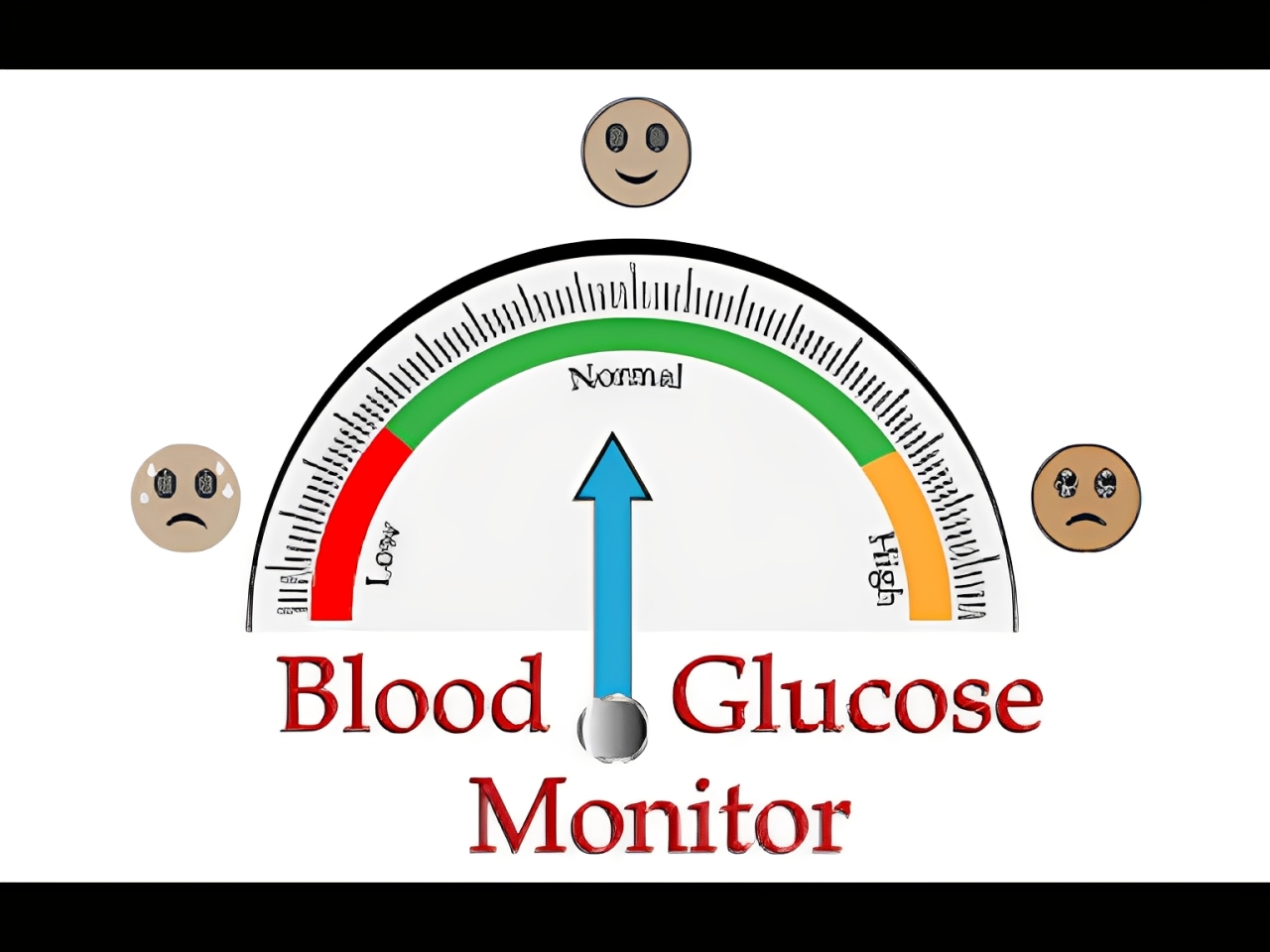
Managing your health can feel overwhelming, especially when numbers and terms like “HbA1c,” “fasting glucose,” or “postprandial sugar” start popping up. But here’s the truth: understanding your blood glucose levels doesn’t have to be rocket science. Whether you’ve just been diagnosed with diabetes, are worried about prediabetes, or are simply looking to take charge of your health, you’ve landed in the right place.
This blog simplifies what your blood glucose levels mean, how to interpret them through a blood sugar positions diagram, and most importantly, how to feel in control of your body and choices.
Let’s begin this journey toward clarity and confidence.
What Are Blood Glucose Levels?
At the heart of every diabetes discussion lies this one important metric: blood glucose levels. This refers to the amount of glucose, a form of sugar, circulating in your bloodstream at any given time. Your body gets glucose mainly from carbohydrates in the food you eat. It’s essential because glucose acts as fuel for your cells, giving you energy to function, think, move, and live.
When everything works smoothly, your body produces insulin (a hormone) to help regulate these levels. But in people with diabetes, this balance is disrupted, either the body doesn’t produce enough insulin, or it can’t use it effectively.
Why Is It Crucial to Monitor Blood Glucose Levels?
Keeping an eye on your blood glucose levels helps prevent complications associated with diabetes, such as:
- Heart disease
- Vision problems
- Nerve damage
- Kidney issues
- Fatigue, brain fog, and sudden mood changes
Even if you’re not diabetic, consistently high blood glucose levels can signal prediabetes, an early warning system that gives you a chance to reverse the course.
You can read also this blog :- https://purewelltips.com/migraine-symptoms/
Understanding Blood Sugar Positions: The Common Ranges Diagram
Now, let’s decode those numbers you’ve heard from your doctor or seen on your glucometer. Here’s a simple chart to help understand where your blood glucose levels stand:
| Test Type | Normal Range | Prediabetes Range | Diabetes Range |
| Fasting (Before Meals) | 70 – 99 mg/dL | 100 – 125 mg/dL | 126 mg/dL or higher |
| Post-Meal (2 hrs after) | Less than 140 mg/dL | 140 – 199 mg/dL | 200 mg/dL or higher |
| HbA1c (3-month avg) | Below 5.7% | 5.7% – 6.4% | 6.5% or higher |
This table breaks down your blood glucose levels into clear, actionable ranges so you know where you stand. Whether you’re keeping track through daily finger-prick tests or routine lab reports, these ranges are your compass.
Real-Life Examples to Make It Relatable
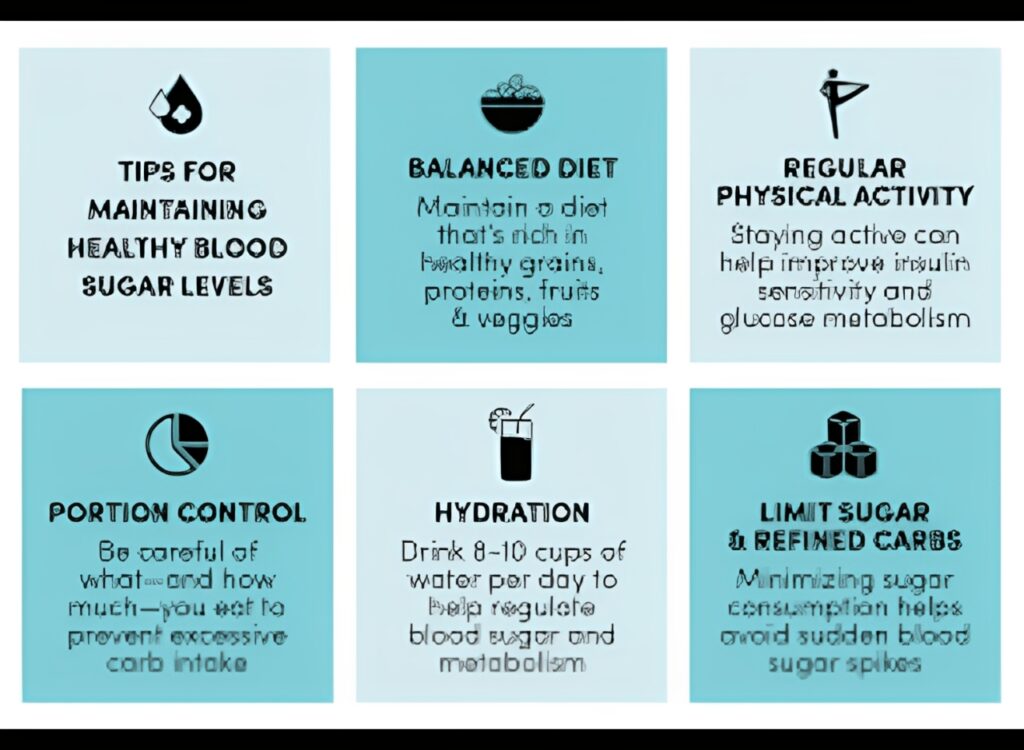
Let’s say you test your fasting sugar one morning, and it reads 108 mg/dL. That places you in the prediabetic range. It might not feel like a big deal now, but it’s a sign your body is struggling to manage sugar overnight, a key time when the liver plays a major role.
Or suppose you check your sugar two hours after eating a big lunch, and it spikes to 185 mg/dL. This postprandial spike shows your body isn’t processing glucose as efficiently, which could push your blood glucose levels into the diabetic range over time.
The important takeaway? These numbers are not judgments; they are signals. And signals can be responded to with action.
Factors That Influence Blood Glucose Levels

Many things affect your blood glucose levels. It’s not just about eating sweets (a common myth!). Here are some key influencers:
1. Diet
- Simple carbs, such as white bread, sugary drinks, and sweets, can cause your blood sugar levels to rise rapidly.
- Complex carbs (whole grains, vegetables, legumes) digest slowly and help balance sugar.
2. Physical Activity
- Movement helps your muscles use up glucose, naturally lowering your levels.
- Even short walks after meals can reduce blood glucose levels dramatically.
3. Sleep & Stress
- Poor sleep raises cortisol, which interferes with insulin.
- Chronic stress can also keep your sugar elevated, even if your diet is on point.
4. Medications
- Some medications (like steroids or certain antidepressants) may affect sugar control.
- Diabetics often require medication or insulin to support the regulation of blood glucose levels.
5. Hydration
- Water helps flush excess sugar through the kidneys. Staying hydrated helps maintain balance.
When and How Often Should You Check Your Blood Glucose Levels?
Frequency depends on your condition:
- Non-diabetic or prediabetic? Check once every few months or as your doctor advises.
- Type 2 diabetes (managed with lifestyle or pills)? Test fasting and post-meal a few times per week.
- Type 1 diabetes or insulin users? You might have to check your blood sugar several times a day, especially before meals and at bedtime.
Every reading tells a story about how your body is reacting to life, food, stress, rest, or movement.
The Emotional Journey of Monitoring Blood Glucose Levels
Let’s take a moment for something important: emotions.
Seeing numbers fluctuate can be exhausting. One day, you feel like a health champ; the next, you’re beating yourself up over a 200 mg/dL reading. Please know: you’re not alone. Millions of people experience the same waves of frustration, guilt, hope, and relief.
But here’s the perspective shift: your blood glucose levels are not a test of your worth. They are just data, nothing more. Every small step in the right direction matters.
Using Technology to Track and Improve Blood Glucose Levels
Modern tools have made diabetes care easier and more intuitive:
- Glucometers: Affordable, accurate, and available at most pharmacies.
- Continuous Glucose Monitors (CGMs): Wearable devices that provide real-time trends.
- Apps & Smart Logs: Tools like HealthifyMe, mySugr, or Dexcom apps help record and analyze blood glucose levels seamlessly.
The more consistent you are with tracking, the better you’ll understand your body’s unique patterns.
How to Bring Your Blood Glucose Levels Back in Range
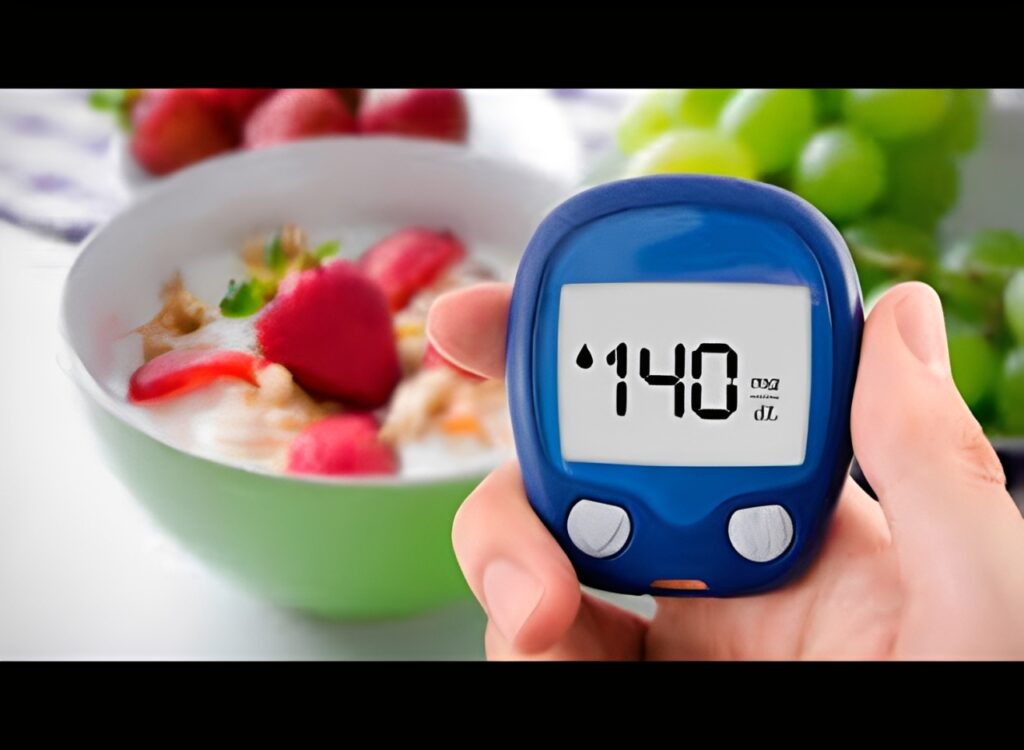
If your numbers are creeping higher than you’d like, here are some simple but powerful ways to lower them:
- Cut Down Processed Sugar: Swap soft drinks for water, and desserts for fruit.
- Switch to Whole Grains: Choose brown rice, millet, oats instead of maida or refined grains.
- Move More Often: Even house chores or a short walk after lunch helps.
- Don’t Skip Meals: Eat smaller, balanced meals at regular intervals to avoid sugar spikes.
- Mind Your Portions: Overeating healthy food is still overeating.
- Sleep 7-8 Hours: Lack of rest = higher sugar, no matter how healthy your day was.
Improving blood glucose levels isn’t about big, dramatic shifts. It’s about consistent, kind habits.
Better Conclusion: A Life Beyond the Numbers
Let’s zoom out for a second.
Blood glucose levels are important, but they’re just one part of your overall well-being. They don’t define who you are, how successful your health journey is, or what your future looks like.
Yes, high numbers may suggest a risk. But knowledge is power. And every time you learn more, test, take a walk, cook a healthier meal, or sleep better, you are choosing empowerment over fear.You don’t need to become perfect overnight. Just become a little more aware, a little more curious, and a little more compassionate toward yourself each day. Managing your blood glucose levels isn’t about restrictions. It’s about liberation, from uncertainty, from fear, and from the guesswork of not knowing what’s going on inside your body. You’ve got this. Because now, you’re not just reading the diagram, you’re beginning to understand the whole picture.