
HIV, or Human Immunodeficiency Virus, is a serious condition that affects millions of people worldwide. Understanding its symptoms, transmission, and management is crucial for those living with or at risk of contracting the virus. Below, we address 16 frequently asked questions about HIV symptoms, their progression, and related concerns, including the role of bodily fluids and how they contribute to transmission. This comprehensive guide aims to clarify common queries and provide accurate information to promote awareness and health.
1. What Are the Primary Symptoms of HIV?
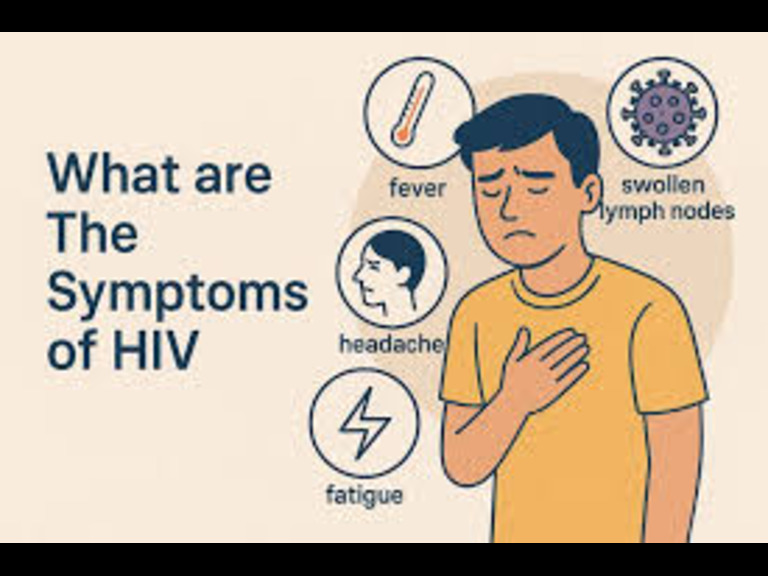
HIV symptoms vary depending on the stage of infection. In the early stage, known as acute HIV infection, individuals may experience flu-like symptoms within 2-4 weeks after exposure. These include fever, fatigue, sore throat, swollen lymph nodes, muscle aches, and a rash. Some may also notice headaches, night sweats, or chills. These symptoms can last a few days to several weeks and are often mistaken for other viral infections.
2. How Do HIV Symptoms Differ from AIDS Symptoms?
HIV and AIDS are not the same. HIV is the virus, while AIDS (Acquired Immunodeficiency Syndrome) is the advanced stage of HIV infection. AIDS symptoms occur when the immune system is severely damaged, typically after years of untreated HIV. These include rapid weight loss, recurring fever, extreme fatigue, prolonged swelling of lymph glands, diarrhea lasting more than a week, pneumonia, memory loss, and skin lesions. Early HIV symptoms are milder and flu-like, whereas AIDS symptoms are more severe and chronic.
3. Can HIV Be Transmitted Through Bodily Fluids?
Yes, HIV is primarily transmitted through specific bodily fluids, including blood, semen, vaginal fluids, rectal fluids, and breast milk. The virus spreads when these fluids come into contact with mucous membranes, damaged tissue, or the bloodstream (e.g., through sharing needles). Casual contact, such as hugging, shaking hands, or sharing utensils, does not transmit HIV because it does not involve these bodily fluids.
4. Are There Asymptomatic Phases of HIV?
After the acute stage, HIV often enters a chronic or asymptomatic phase, where individuals may show no noticeable HIV symptoms for years. During this period, the virus continues to replicate and damage the immune system, but the person may feel and appear healthy. Regular testing is critical, as someone can still transmit HIV through bodily fluids during this phase.
5. What Are the Early Signs of HIV in Men and Women?
Early HIV symptoms are similar in men and women, including fever, fatigue, and swollen lymph nodes. However, women may experience additional symptoms like recurrent vaginal yeast infections or changes in menstrual cycles. Men might notice symptoms such as genital sores or discomfort. Both genders can develop a rash, which is often red or purplish and appears on the torso.
6. How Long Does It Take for HIV Symptoms to Appear?
HIV symptoms in the acute phase typically appear within 2-4 weeks after exposure. However, some individuals may not experience symptoms until later, or they may be so mild they go unnoticed. The timing depends on the individual’s immune response and the amount of virus transmitted through bodily fluids.
7. Can HIV Symptoms Be Mistaken for Other Illnesses?
Yes, early HIV symptoms are often mistaken for the flu, mononucleosis, or other viral infections due to their similarity. Fever, fatigue, and sore throat are common to many conditions, making HIV difficult to diagnose without testing. If you’ve been exposed to HIV through bodily fluids, consult a healthcare provider for an HIV test, even if symptoms seem mild.
8. What Role Do Bodily Fluids Play in HIV Transmission?
HIV transmission occurs when bodily fluids containing the virus enter another person’s bloodstream. High-risk activities include unprotected sexual intercourse, sharing needles, or from mother to child during childbirth or breastfeeding. Bodily fluids like saliva, sweat, or tears do not carry enough virus to cause infection, so casual contact is safe.
9. How Do HIV Symptoms Progress Over Time?
Without treatment, HIV symptoms progress through stages:
- Acute HIV: Flu-like symptoms within weeks of infection.
- Chronic HIV: Asymptomatic for years, though the virus continues to weaken the immune system.
- AIDS: Severe symptoms like opportunistic infections (e.g., tuberculosis, pneumonia) and cancers due to a severely compromised immune system. Antiretroviral therapy (ART) can prevent progression to AIDS.
10. Can HIV Symptoms Appear Without Exposure to Bodily Fluids?
HIV cannot be contracted without exposure to infected bodily fluids. It does not spread through air, water, or casual contact. If you’re experiencing symptoms but have not been exposed to bodily fluids through high-risk activities, it’s unlikely to be HIV, though testing is the only way to confirm.
11. Are There Specific AIDS Symptoms to Watch For?
AIDS symptoms indicate advanced HIV infection and include severe weight loss, chronic diarrhea, night sweats, persistent fatigue, and opportunistic infections like thrush, pneumonia, or Kaposi’s sarcoma. These occur when the immune system’s CD4 cell count drops significantly, leaving the body vulnerable to infections.
12. How Can I Tell If My Symptoms Are Due to HIV?
The only way to confirm HIV is through testing, as HIV symptoms mimic other illnesses. Tests like the ELISA, Western blot, or rapid antigen/antibody tests can detect HIV. If you’ve had potential exposure through bodily fluids, get tested regardless of symptoms, as early detection improves outcomes.
13. Does Everyone with HIV Experience Symptoms?
Not everyone with HIV experiences noticeable HIV symptoms, especially in the early or chronic stages. Some individuals remain asymptomatic for years, unknowingly spreading the virus through bodily fluids. Routine testing is essential for sexually active individuals or those with potential exposure risks.
14. Can HIV Symptoms Be Managed?
Yes, HIV symptoms can be managed with antiretroviral therapy (ART), which reduces the viral load, strengthens the immune system, and prevents progression to AIDS. ART can minimize symptoms and improve quality of life. Early diagnosis and adherence to treatment are key.
15. What Should I Do If I Suspect HIV Symptoms?
If you suspect HIV symptoms or have been exposed to bodily fluids through unprotected sex, needle sharing, or other high-risk activities, seek medical advice immediately. HIV tests are quick, confidential, and widely available. Early diagnosis allows for timely treatment, reducing the risk of complications.
16. How Can I Prevent HIV Transmission Through Bodily Fluids?
Preventing HIV transmission involves reducing exposure to infected bodily fluids. Use condoms during sexual activity, avoid sharing needles, and consider pre-exposure prophylaxis (PrEP) if you’re at high risk. Regular testing and open communication with partners also help prevent transmission.
Conclusion
Understanding HIV symptoms and their connection to bodily fluids is vital for prevention, early detection, and management. While HIV symptoms can be subtle or mistaken for other illnesses, testing remains the most reliable way to confirm infection. Advances in treatment mean that with proper care, people living with HIV can lead long, healthy lives. Stay informed, get tested regularly, and take preventive measures to protect yourself and others.
2 thoughts on “16 Frequently Asked Questions About hIV Symptoms”