
If you’ve ever had a migraine, you know how debilitating it can be. It’s not just a headache, it’s a full-body experience that can include nausea, light sensitivity, blurred vision, and more. For many people, especially those dealing with migraines for the first time, one big question arises:
Can over-the-counter (OTC) medications help? The answer is yes, for many, they can. But it’s all about knowing how and when to use them, understanding what to expect, and being mindful of your body’s signals.
This blog is your friendly, practical guide to navigating the world of OTC treatments for migraine relief. Whether you’re caught off-guard without a prescription or looking to manage milder episodes, here’s what you should know.
Understanding Migraine Pain
Before diving into treatments, it’s important to understand the kind of pain you’re dealing with. Migraines aren’t just strong headaches; they often come with neurological symptoms like sensitivity to sound or light, nausea, and sometimes visual disturbances.
Typically, the pain builds gradually and can last from a few hours to several days. While prescription medication is often needed for chronic or severe migraines, many people can manage occasional attacks with the right OTC approach.
Popular OTC Options for Migraine Relief
Here are the three most common categories of over-the-counter medications that can be used for treating migraine attacks:
1. Acetaminophen (Paracetamol)
How it works: Acetaminophen is a pain reliever and fever reducer. It’s often a first choice because it’s gentle on the stomach and widely available.
Best for: Mild migraines or early-stage symptoms.
Dosage tip: Adults can usually take 500–1000 mg every 4–6 hours, but never exceed the recommended daily limit (typically 4000 mg).
Pros: Minimal stomach irritation; safe for most people when used properly.
Cons: May be less effective for moderate to severe pain.
You can read this blog also :- Eye Nutrition Supplements to Boost Your Sight and Vision Health
2. Nonsteroidal Anti-Inflammatory Drugs (NSAIDs)
These include ibuprofen (Advil, Motrin) and naproxen sodium (Aleve).
How they work: NSAIDs reduce inflammation, which is believed to play a role in migraine development. They also block certain chemicals in the brain that transmit pain signals.
Best for: Moderate pain and migraines that involve inflammation or swelling.
Dosage tip: For ibuprofen, 200–400 mg every 4–6 hours; for naproxen, 220 mg every 8–12 hours.
Pros: Fast-acting and very effective for many people.
Cons: Can irritate the stomach; not recommended for those with ulcers, kidney issues, or certain heart conditions.
3. OTC Combination Medications
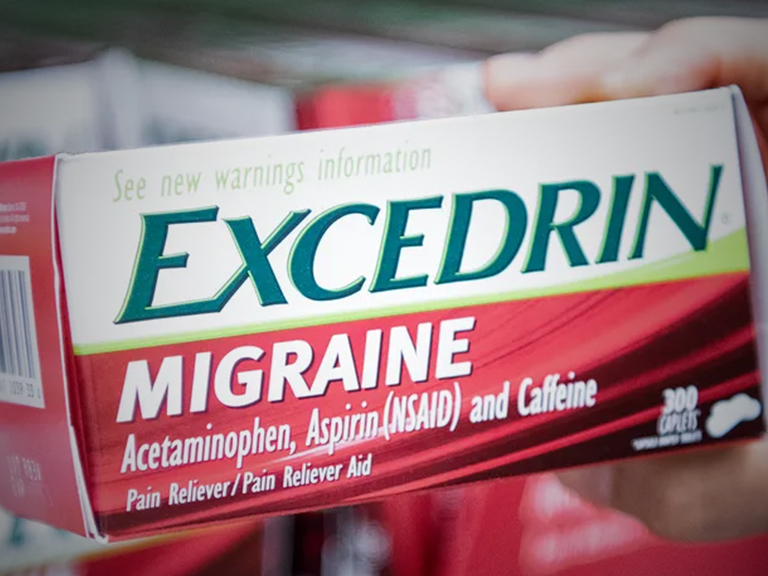
These typically combine acetaminophen, aspirin, and caffeine, a trio found in brands like Excedrin Migraine.
How they work: Each component tackles pain differently, and caffeine boosts absorption and pain relief.
Best for: Migraine episodes with dull-to-moderate intensity, especially if caught early.
Dosage tip: Follow label instructions; usually one to two tablets at the onset of symptoms.
Pros: Multi-targeted relief; quick absorption.
Cons: Caffeine can disrupt sleep or trigger rebound headaches with overuse.
When to Take OTC Medication
Timing matters a lot.
The earlier you treat a migraine, the better your chances of stopping it before it intensifies. That means paying attention to your early warning signs, such as:
- Sensitivity to light or sound
- Neck stiffness
- Brain fog
- Food cravings
- Mild pulsing pain on one side
If you start to recognize your body’s version of a “migraine is coming” message, that’s your cue to act.
Tips for Making OTC Migraine Medications Work Better
OTC medications can be very effective if used correctly. Here are a few ways to make them work harder for you:
Take with water and food
NSAIDs, especially, can irritate the stomach lining. Medications Taking them with a small meal can prevent discomfort and improve absorption.
Rest in a quiet, dark space
Medications help with the pain, but sensory overload can still worsen symptoms. Combine medicine with rest.
Avoid overuse
Using OTC pain relievers more than 2–3 times a week can lead to medication overuse headaches, a cycle of rebound pain that’s hard to break.
Keep a migraine diary
Track your migraine symptoms, triggers, and what medications you took. This helps you and your doctor find patterns and fine-tune your treatment plan.
When OTC Isn’t Enough
While OTC medications can help many people, they’re not a one-size-fits-all solution. Here’s when it’s time to talk to a doctor:
- Your migraines occur more than 4 times a month
- The pain is severe or disabling
- You experience an aura or vision loss
- OTC meds don’t bring relief
- You need to take painkillers for more than 10 days per month
In these cases, you may need prescription medications such as triptans, ergotamines, or preventive treatments like beta-blockers or anti-seizure drugs.
Natural Supplements That Support OTC Treatment
If you’re looking for ways to support OTC medication naturally, here are a few supplements shown to benefit migraine sufferers:
- Magnesium: Often deficient in people with migraines; supports nerve function.
- Riboflavin (Vitamin B2): May reduce the frequency and duration of attacks.
- Coenzyme Q10: Supports energy production in brain cells and may prevent migraines.
- Feverfew & Butterbur: Herbal remedies with anti-inflammatory properties (use only certified toxin-free versions).
While these don’t replace medication, they can offer added support, especially when taken regularly.
Managing Migraine Symptoms Beyond the Medicine Cabinet
Medication is only one piece of the puzzle. Lifestyle adjustments play a powerful role in preventing and managing migraine symptoms. Consider building these habits:
- Stick to a regular sleep schedule
- Stay hydrated throughout the day
- Limit screen time and take frequent breaks
- Identify and avoid personal food triggers (like aged cheese, red wine, or chocolate)
- Manage stress with yoga, meditation, or light exercise
When you combine OTC treatments with mindful self-care, you build a strong foundation for long-term migraine control.
Final Thought: Relief Is Within Reach
Migraines can be exhausting, frustrating, and disruptive. But the good news is that you’re not powerless, and you don’t always need a prescription to fight back.
With the right timing, careful use of over-the-counter medications, and smart lifestyle adjustments, many people find meaningful relief. The key is learning to listen to your body, recognize early symptoms, and respond with confidence and care.
Every step you take, no matter how small, is a step toward fewer migraine days and more control over your health.
1 thought on “How to Treat Migraine Attacks with OTC Medications”