
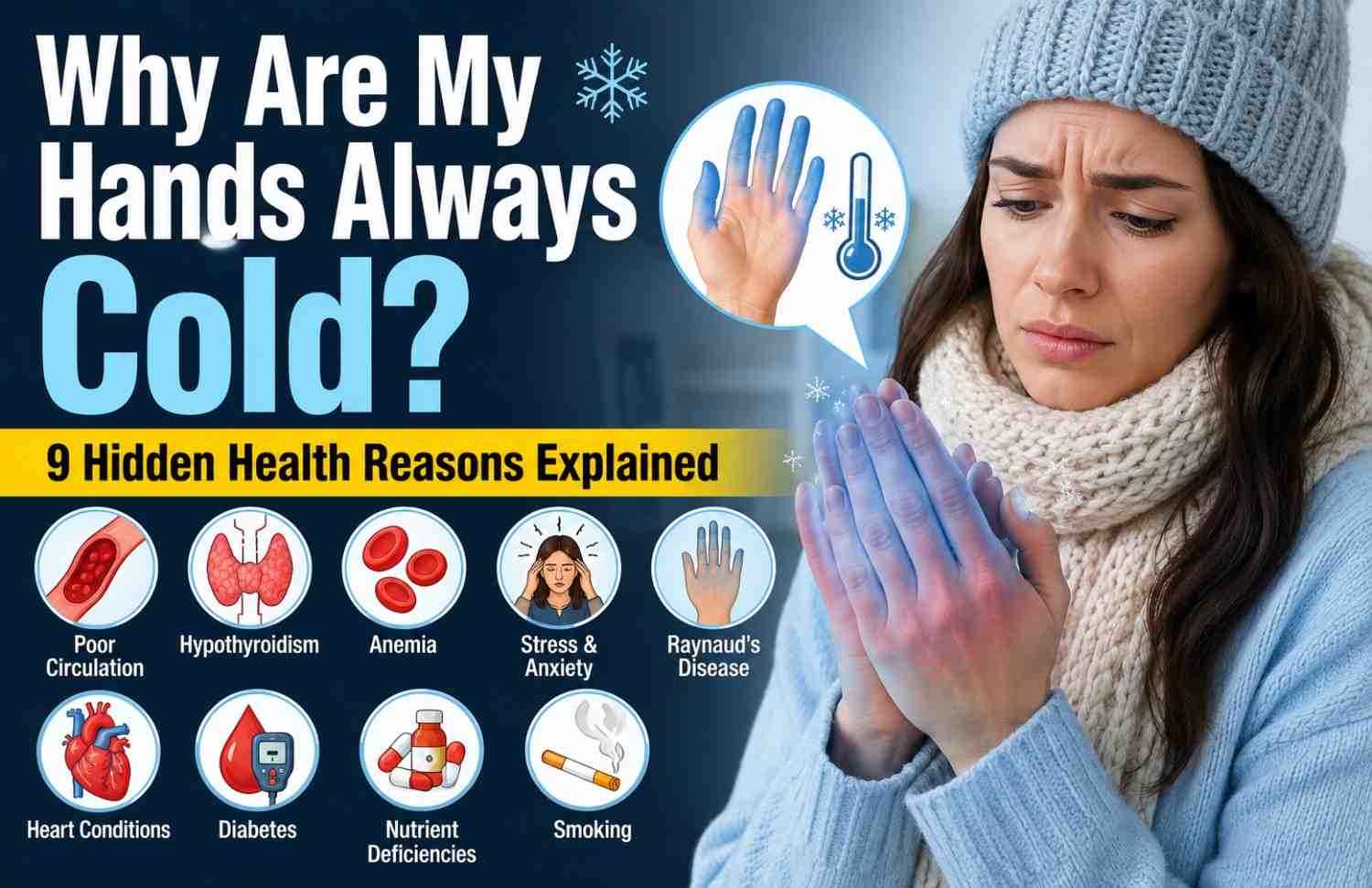
You shake someone’s hand and they recoil slightly because your hands are so cold. You sit in a normal room temperature environment and your fingers feel like ice while everyone around you seems perfectly comfortable. You warm your hands up and within minutes they are cold again. If your hands are always cold and it feels like more than just running a little chilly, you are right to wonder whether something specific is behind it.
hands always Cold are one of those symptoms that people dismiss for years because they seem minor and do not interfere dramatically with daily life. But hands that are always cold can be your body’s way of signaling something about your circulation, your hormones, your nervous system, or your overall health that is worth understanding. Here are nine of the most common hidden health reasons your hands are always cold and what each one means.
1. Poor Circulation
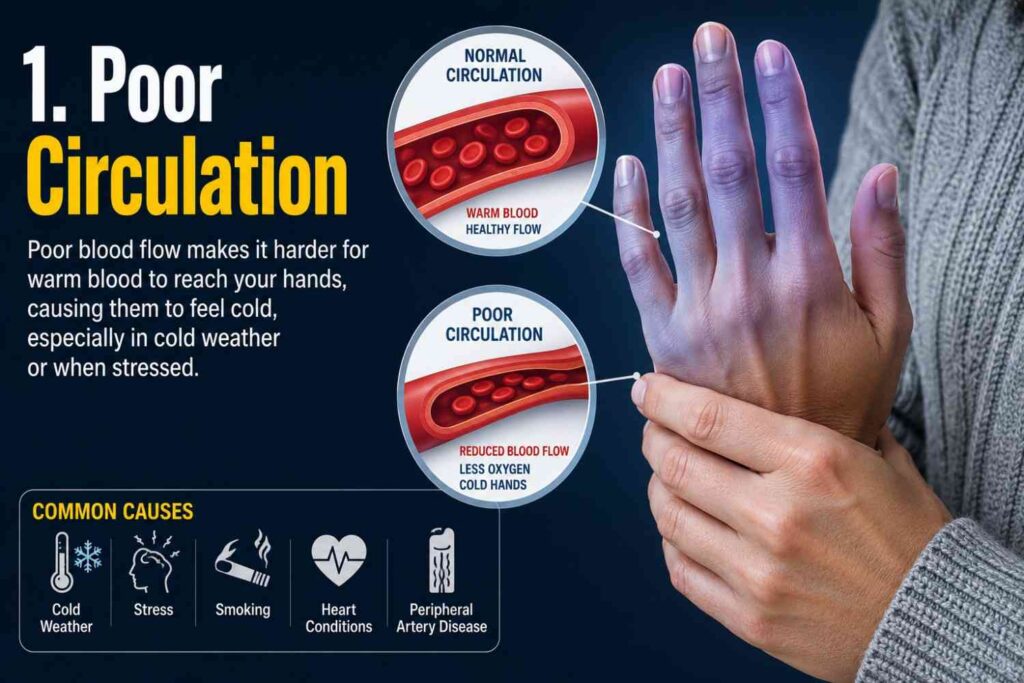
Poor circulation is the most straightforward explanation for hands that are always cold, and it is the starting point for understanding almost every other cause on this list. Your hands and feet are at the far ends of your circulatory system, making them the first places to feel the effects when blood flow is reduced. When your heart is not pumping blood as efficiently as it should, when your blood vessels are narrowed, or when your blood volume is lower than optimal, the extremities simply receive less warm blood than they need to stay comfortable.
Hands always cold from poor circulation often come with feet that are equally cold, a general sense of sluggishness or low energy, and in more significant cases some degree of color change in the fingers that ranges from pale to bluish when circulation is significantly reduced. Staying physically active is one of the most effective ways to support healthy circulation because regular aerobic exercise strengthens the heart and keeps blood vessels more flexible and responsive.
2. Raynaud's Phenomenon
Raynaud’s phenomenon is one of the most common specific medical causes of hands that are always cold, and it is significantly more prevalent than most people realize, affecting an estimated 5 to 10 percent of Americans. In Raynaud’s, the small blood vessels in the fingers overreact to cold temperatures or emotional stress by constricting dramatically and cutting off blood flow to the fingers for minutes at a time.
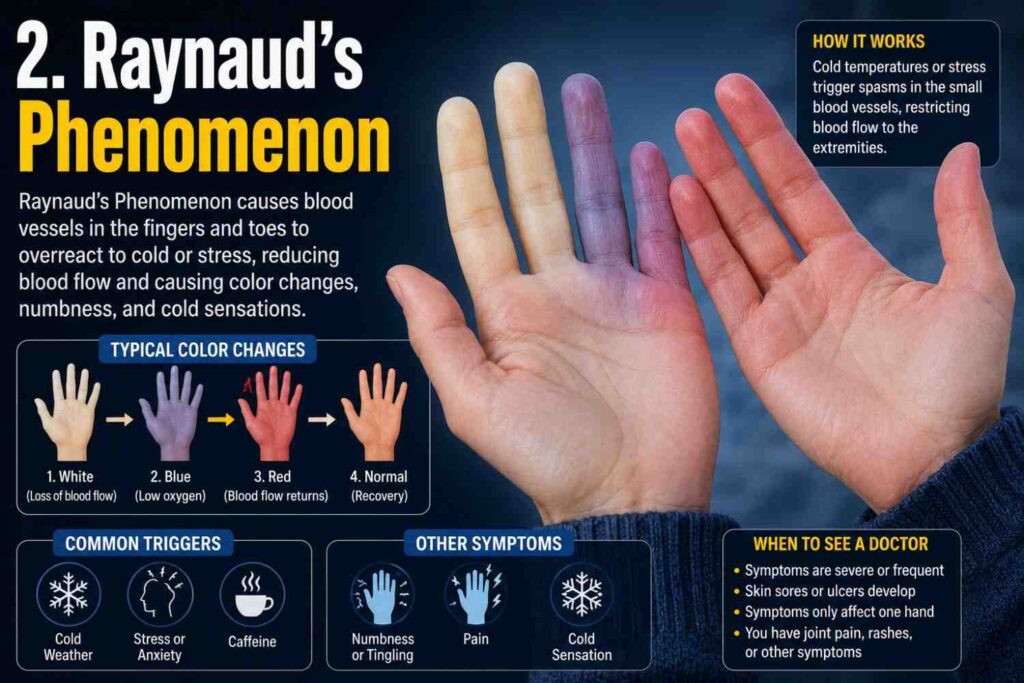
During a Raynaud’s episode, the fingers typically go through a color sequence that is quite distinctive. They turn white as blood flow is cut off, then blue as oxygen in the remaining blood is depleted, then red as blood flow rushes back when the episode resolves. This color change alongside the cold sensation is what distinguishes Raynaud’s from ordinary cold hands and makes it identifiable even without medical testing.
Raynaud’s is significantly more common in women than in men and in people who live in colder climates. Primary Raynaud’s occurs on its own without an underlying disease. Secondary Raynaud’s is associated with autoimmune conditions like lupus and scleroderma. If your hands are always cold and you notice dramatic color changes in your fingers when exposed to cold or stress, Raynaud’s is worth discussing with your doctor.
Why Do My Feet Burn at Night? 10 Hidden Reasons You Should Know
3. Hypothyroidism
An underactive thyroid is one of the most commonly missed medical reasons hands are always cold, and it affects far more people than most realize, particularly women. Your thyroid gland controls your metabolism, and when it produces insufficient hormone, your metabolism slows significantly. A slower metabolism generates less body heat, which means your body has less warmth to distribute to your extremities, and hands that are always cold become one of the most consistent daily symptoms.
People with hypothyroidism typically feel cold all over rather than just in their hands, and the cold sensitivity is usually accompanied by other symptoms including persistent fatigue, unexplained weight gain, constipation, dry skin, hair thinning, and brain fog. The combination of hands always cold alongside these other symptoms is quite telling and should prompt a TSH blood test to check thyroid function.
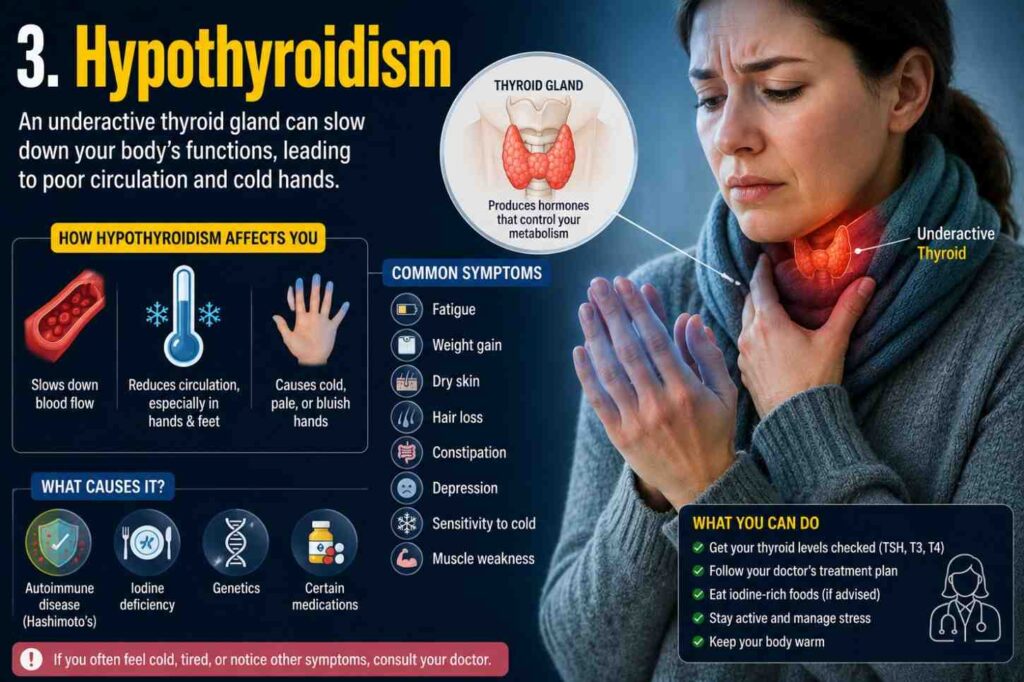
Thyroid hormone replacement therapy, when hypothyroidism is confirmed, typically improves cold sensitivity meaningfully within several weeks to months as metabolism normalizes and the body begins generating adequate heat again. m
4. Anemia and Iron Deficiency
Iron deficiency anemia is another very common reason hands are always cold, and it works through a specific mechanism that most people have never had explained to them. When iron levels are too low, your body produces fewer healthy red blood cells and carries less oxygen per heartbeat. To protect the most critical organs like the brain and heart, your body reduces blood flow to the peripheral extremities, including your hands. Less blood flow means less warmth, which is why hands always cold is such a reliable sign of anemia.
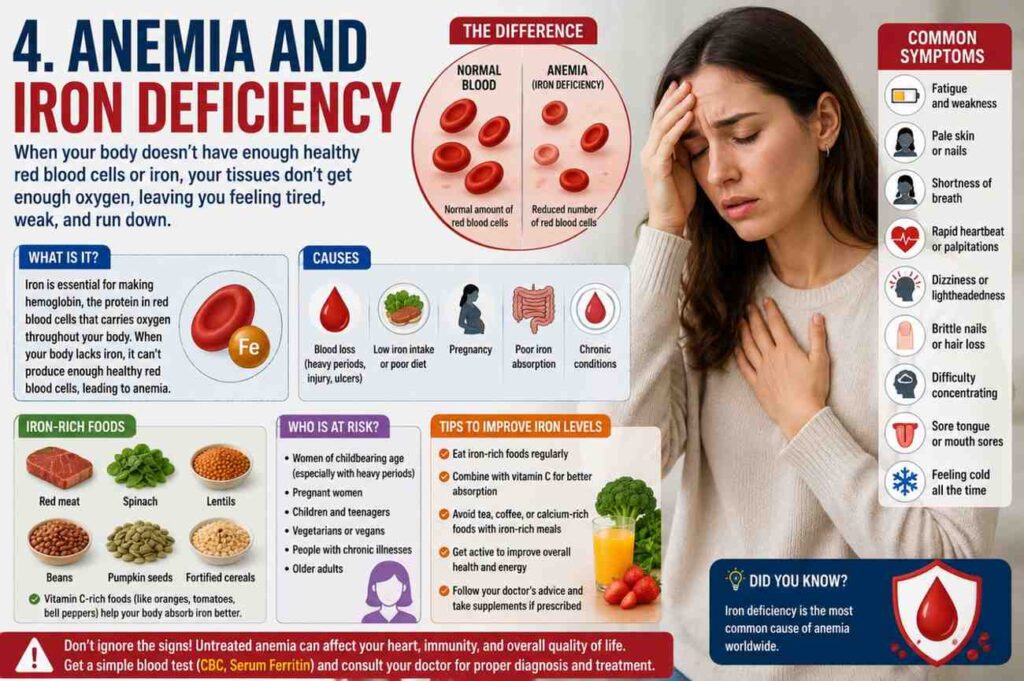
Women of reproductive age are at the highest risk for iron deficiency due to monthly blood loss through menstruation. Vegetarians and vegans are also at elevated risk because plant-based iron is absorbed less efficiently than the iron found in animal products. Alongside hands that are always cold, iron deficiency typically produces persistent fatigue, pale skin, shortness of breath with minimal exertion, and headaches.
A blood test checking ferritin and hemoglobin levels can confirm iron deficiency quickly. Addressing the deficiency through supplementation and dietary changes typically improves cold sensitivity alongside the other symptoms over several weeks of treatment.
5. Low Blood Pressure
Chronically low blood pressure reduces the force with which blood is pushed through the circulatory system, and one of the most reliable consequences of this is hands that are always cold. When blood pressure is too low, circulation to the extremities is naturally prioritized below circulation to the core organs, leaving the hands and feet with less warm blood flowing through them than they need to maintain a comfortable temperature.
Low blood pressure can result from dehydration, certain medications including diuretics and some blood pressure drugs, heart conditions that reduce cardiac output, nutritional deficiencies, or simply a constitutional tendency that some people are born with. People who have hands always cold alongside frequent lightheadedness when standing up quickly, dizziness, or fainting episodes may have orthostatic hypotension, a specific type of low blood pressure that occurs when changing positions.

Staying well hydrated, increasing sodium intake slightly under medical guidance if appropriate, wearing compression stockings to improve venous return, and avoiding prolonged standing without movement are all practical strategies for managing low blood pressure and the cold hands that accompany it.
Why Do My Feet Burn at Night? 10 Hidden Reasons You Should Know
6. Stress and Anxiety
The connection between chronic stress or anxiety and hands that are always cold is physiological rather than psychological, though the two are deeply intertwined. When your nervous system activates the fight-or-flight response from stress or anxiety, it redirects blood flow away from the extremities and toward the large muscle groups of the core and limbs that would be needed to fight or flee. This peripheral vasoconstriction is useful in a genuine emergency but becomes a problem when stress is chronic and the constriction is essentially constant.

People who are dealing with significant ongoing stress or anxiety frequently notice that their hands are always cold, often alongside other physical manifestations of nervous system activation like muscle tension, digestive issues, and difficulty sleeping. The hands may also feel clammy rather than simply cold when anxiety is particularly acute, as sweat glands activate alongside the vascular changes.
Addressing the underlying stress and anxiety through whatever combination of therapy, lifestyle changes, and stress management practices genuinely helps tends to improve peripheral circulation alongside the many other physical symptoms that chronic stress produces.
Why Do My Feet Burn at Night? 10 Hidden Reasons You Should Know
7. Smoking and Nicotine
Nicotine is a potent vasoconstrictor, meaning it causes blood vessels to narrow and reduces blood flow throughout the body, including to the hands. This is one of the reasons that hands always cold is so commonly reported among smokers and people who use other nicotine-containing products. Every cigarette causes a temporary but significant reduction in peripheral circulation that, with regular smoking, effectively means the hands spend much of the day with reduced blood flow.
Long-term smoking also accelerates the development of peripheral artery disease, which is a narrowing of the arteries that supply the limbs from atherosclerotic plaque buildup. Peripheral artery disease significantly worsens cold hands over time and is associated with more serious circulatory complications that go well beyond discomfort.
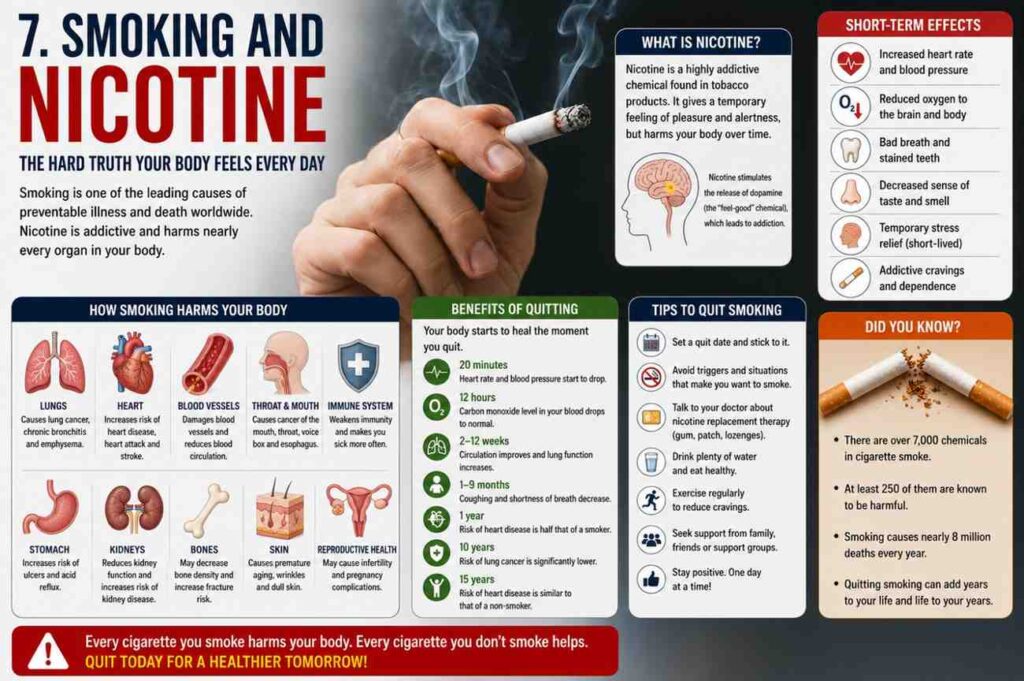
Quitting smoking is one of the most impactful single changes a person can make for peripheral circulation. Many former smokers notice an improvement in how warm their hands feel within weeks of stopping, as blood vessels relax and circulation to the extremities improves.
8. Peripheral Artery Disease
Peripheral artery disease is a condition where the arteries supplying blood to the limbs become narrowed from atherosclerotic plaque buildup, reducing circulation to the hands and feet. While it most commonly affects the legs, peripheral artery disease in the upper extremities can cause hands that are always cold alongside aching, weakness, and in more advanced cases color changes and sores that heal slowly.
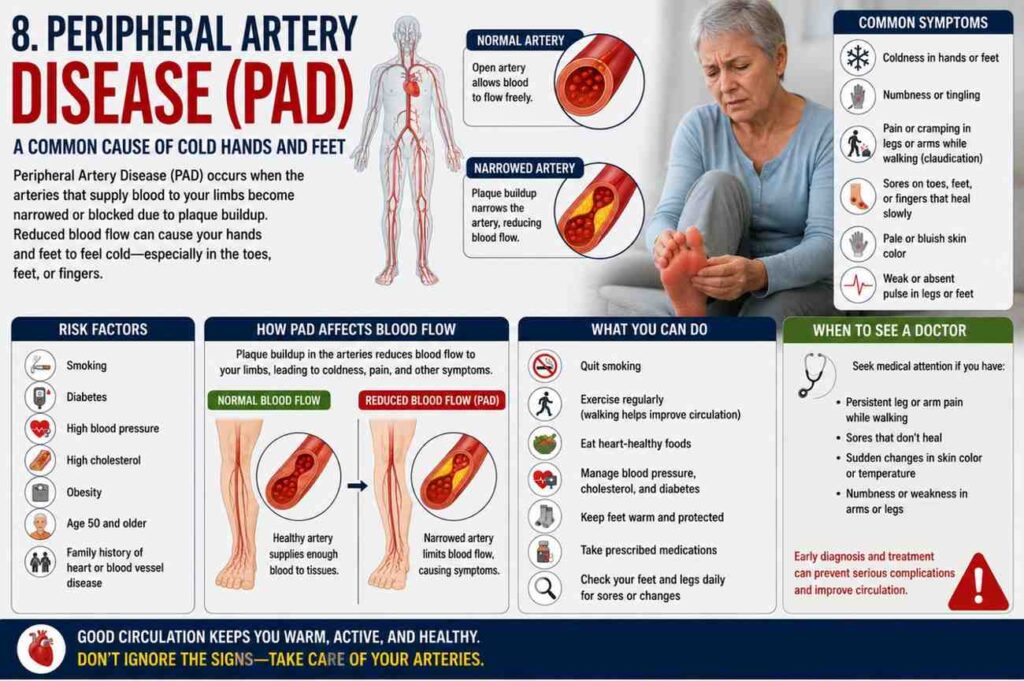
Risk factors for peripheral artery disease include smoking, diabetes, high blood pressure, high cholesterol, obesity, and a family history of cardiovascular disease. People with these risk factors who notice their hands are always cold alongside pain or fatigue in the arms during activity should raise these symptoms with their doctor, as peripheral artery disease is both a significant cardiovascular risk marker and a condition with effective treatments when identified early.
9. Lupus and Autoimmune Conditions
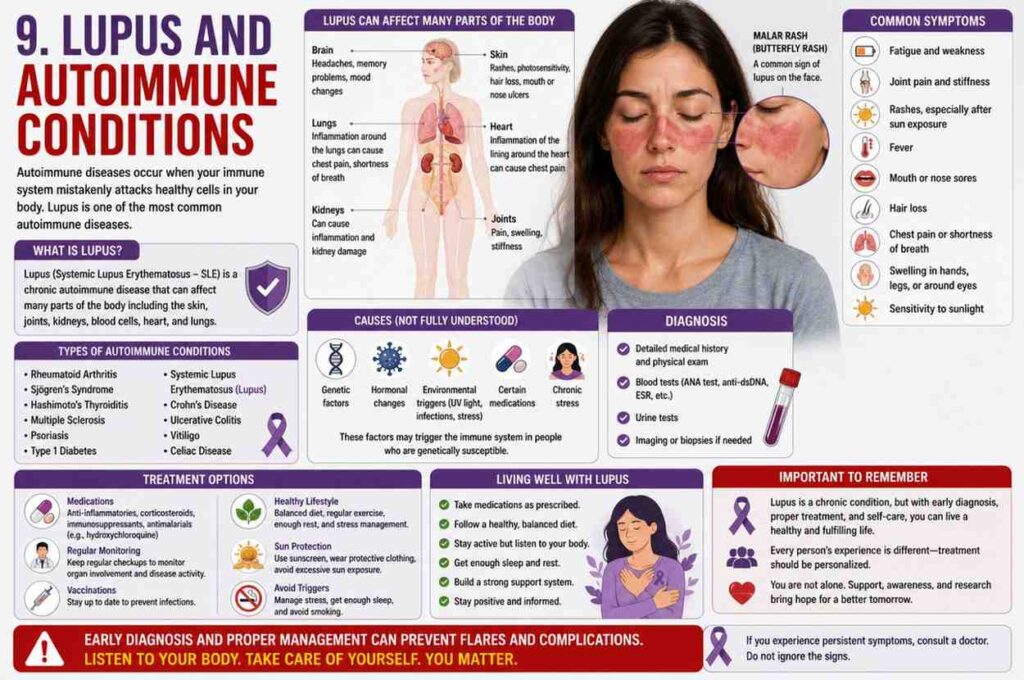
Several autoimmune conditions cause hands that are always cold as part of their broader pattern of symptoms, with lupus and scleroderma being among the most significant. In lupus, widespread inflammation affects multiple organ systems including blood vessels, which can cause Raynaud’s phenomenon, poor peripheral circulation, and persistent cold sensitivity in the hands. Scleroderma causes progressive hardening and thickening of the skin and connective tissue, which impairs the blood vessels in the fingers and hands and often produces severe cold sensitivity alongside significant Raynaud’s episodes.
Both conditions are significantly more common in women than in men and typically produce other symptoms alongside cold hands, including joint pain, skin changes, fatigue, and in lupus a characteristic butterfly-shaped rash across the cheeks and nose. Hands always cold in the context of these additional symptoms should prompt a rheumatology evaluation rather than being managed as an isolated circulatory issue.
What to Do About Hands That Are Always Cold
For most people, simple lifestyle measures make a meaningful difference. Stay physically active to support healthy circulation. Stay well hydrated since dehydration reduces blood volume. Avoid smoking and limit caffeine, which also has mild vasoconstrictive effects. Dress in layers and keep your core warm, since your body prioritizes core temperature and will sacrifice peripheral warmth to protect it.
If your hands always cold and lifestyle measures do not help, or if the cold comes with color changes, pain, significant fatigue, or other symptoms that suggest an underlying condition, a basic medical evaluation is the right next step. A complete blood count, thyroid function test, and iron levels cover the most common medical causes and give your doctor a clear starting point.
Cold hands are a signal. Most of the time it is a manageable one with a clear solution once you understand what is behind it.